
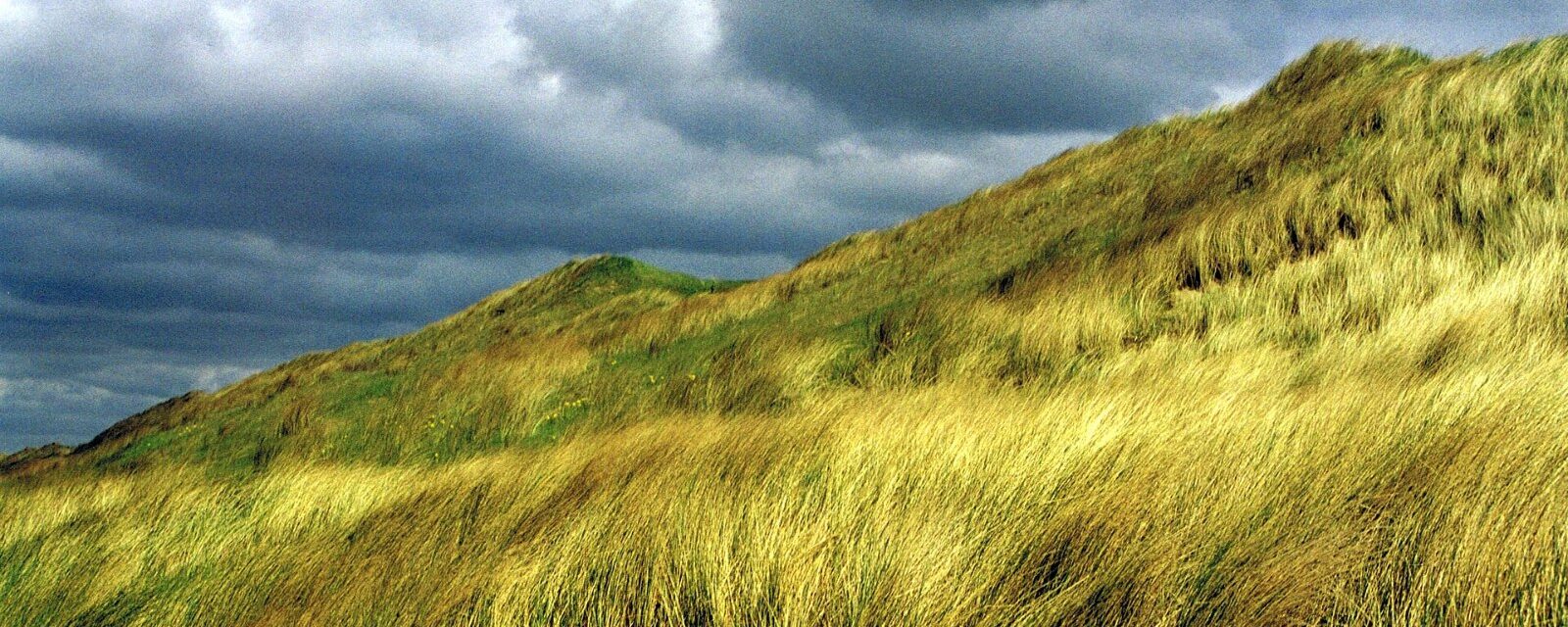
 📷 Foto: Mark Ahsmann / CC BY-SA 4.0 via Wikimedia Commons.
Meijendel & Berkheide: where to see wildlife
Spring for birdsong. Dunea writes that you can enjoy a whole range of bird sounds then, with hawthorn in flower alongside. Autumn for fungi. For roe deer the advice is the same all year: go at dusk. Dunes and infiltration lakes
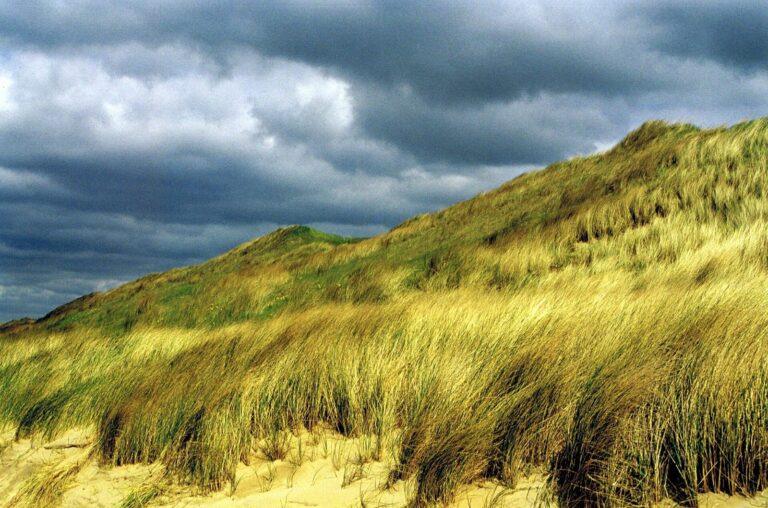
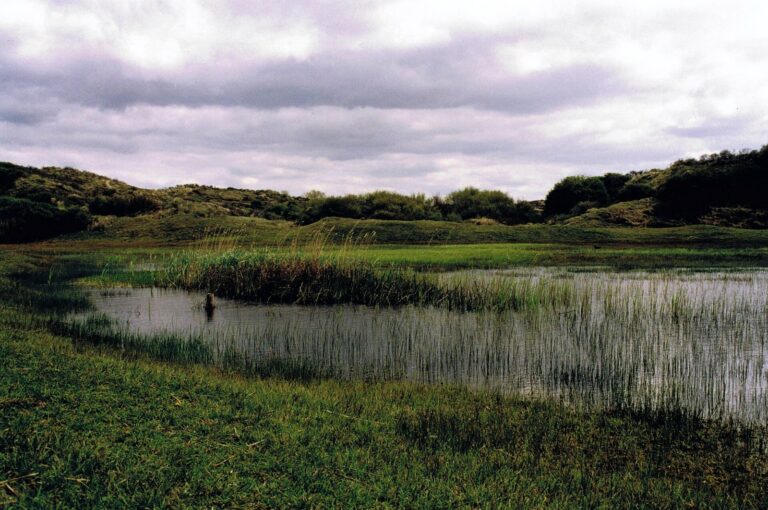
Meijendel & Berkheide — Dunea says that nowhere else in the Netherlands holds as many nightingales as this area, and puts Meijendel in the top ten of the richest bird areas in the country. Berkheide holds a great many remains of the Atlantikwall, bunkers and an anti-tank wall, and bats hibernate in some of those bunkers. In the late 1990s Dunea cut back its water extraction in the south-west of Berkheide, after which the damp dune valleys returned. Mainly here: Roe deer, red fox, and Galloway cattle and konik horses as grazers. Birds: Common Nightingale, Bluethroat, Eurasian Bittern, Little Bittern, Red-crested Pochard, Woodlark, European Honey Buzzard, Great Cormorant; sand lizard and Short-eared Owl. Under the Habitats Directive: narrow-mouthed whorl snail and pond bat. Berkheide also has natterjack toad and orchids. Best period: Spring for birdsong. Dunea writes that you can enjoy a whole range of bird sounds then, with hawthorn in flower alongside. Autumn for fungi. For roe deer the advice is the same all year: go at dusk.
Which animals will you see here?
Also reported present in this area (347 species) presence reported
These species are known to occur here (NDFF), but nothing has been recorded yet about your chance of seeing them.
Amphibian (6)
Dragonfly (31)
Reptile (1)
Spider (7)
Grasshopper (19)
Fish (4)
Butterfly (29)
Bird (217)
Mammal (land) (21)
Mammal (land/water) (2)
Mammal (bat) (10)
Walking routes
Eikenroute
Reeënroute
Strandroute
Meijendel-Zuid
Cultuurhistorische wandeling rond Meijendel
Boswachterspad Berkheide
Hides and viewpoints
🔭 Bird viewing wall Eikenroute
🔭 Viewpoint De Piek
Practical information
- Access: You do not need a day ticket for Meijendel itself. You do for the Kijfhoek & Bierlap and Solleveld sections: those cost 2.00 euro per day ticket, or 1.00 euro with a Zuid-Hollands Landschap supporter pass. Children up to and including four do not need one. Dunea lists those rates without a year or a start date, so check them before you set out. In Kijfhoek & Bierlap and Solleveld access is limited to between sunrise and sunset. The part of Berkheide that Dunea manages is closed altogether. In the breeding season some paths in Meijendel are shut; in Solleveld the winter route is closed from 1 March to 1 September.
- Parking: Free. P1 at Kievietsduin is the largest car park; P2 and P3 are by the de Kieviet entrance, for De Tapuit and the Duincampus. The outer bays of P1 are for horse trailers and campers, so cars without a trailer may not stand there. With a dog you park at the Zwarte Pad or in the Zwolsestraat garage.
- Dogs: Allowed on a lead in most of Meijendel. Note: two Dunea pages give different lists of exceptions. The access conditions name Kijfhoek and Bierlap, parts of the Duintuin and the Monkeybos as dog-free; the frequently asked questions name the Duincampus, the Monkeybos, Kijfhoek & Bierlap and Solleveld. Assume the stricter reading and check the signs. In the neighbouring Staatsbosbeheer woodland at Wassenaar dogs may run free from 15 August to 15 March and must be on a lead from 15 March to 15 August; in grazing areas always on a lead.
- Facilities: Dunea’s De Tapuit visitor centre, Meijendelseweg 40-42 in Wassenaar, with an aquarium, a shop and route leaflets. Open Tuesday to Sunday from 10.00 to 17.00, closed on Monday. Bicycle parking next to the centre. Note: Dunea gives no start date with those opening hours, so check them before you visit.
🌿 Rules in this area
Split. Meijendel is managed by the drinking-water company Dunea. Berkheide is divided: the part Dunea manages is closed to visitors, the part by the sea falls under Staatsbosbeheer (Hollands Duin). The province of Zuid-Holland leads on Natura 2000. sets its own rules here. Stay on the paths, respect refuges and closures, keep dogs on a lead where that applies, and do not fly a drone — they are banned in almost every Dutch nature reserve.
Status: Verified · Last checked: 2026-10-28
Photo: Foto: Mark Ahsmann / CC BY-SA 4.0 via Wikimedia Commons.