Southern Hawker in the Netherlands
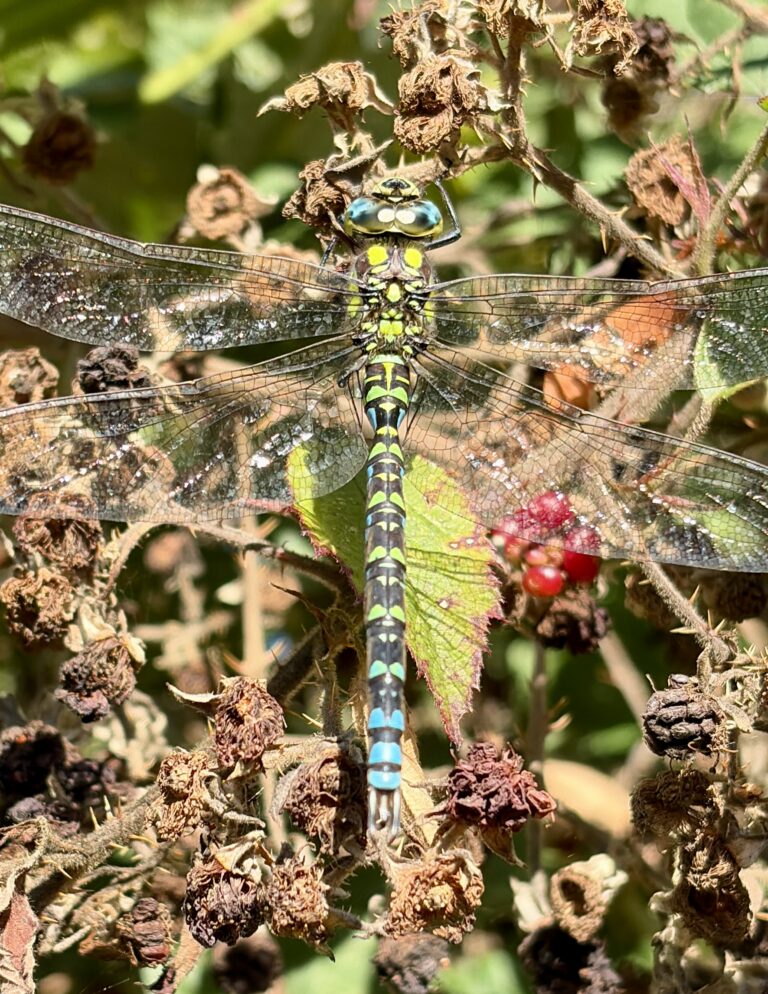
📷 Bojana Matić, CC BY-SA 4.0 (Wikimedia Commons)

Where to see the Southern Hawker in the Netherlands

Aeshna cyanea · Southern Hawker

Easy 🪰 Dragonfly

Where and when do you see a Southern Hawker? This species is easy to see, from May to October.

How do you recognise a Southern Hawker?

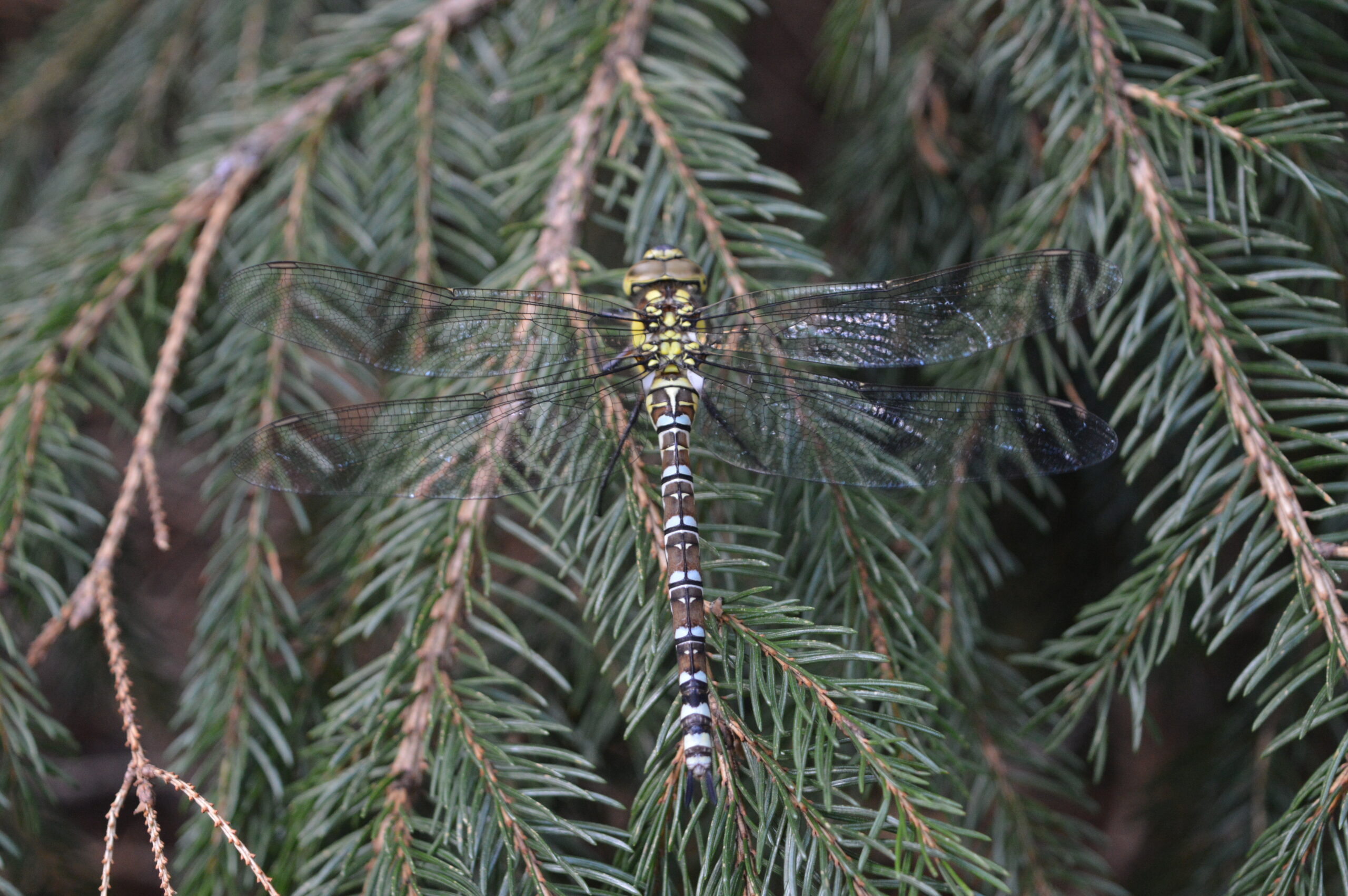
Length 67 to 76 millimetres. A large hawker with a strikingly merged pale lantern mark on the last abdominal segments; the male with blue eyes, the female with green markings.

Where do you see this species in the Netherlands?

Shaded still waters: woodland pools, ponds, ditches and garden ponds; above all on the sandy soils.

This is a common, widespread species: you can come across it in far more places than the areas listed below. Treat that list as a starting point rather than a full survey.

How certain is this? verified chance per source presence reported Links that do not clear the bottom threshold are not published. How we decide that.
NDFF open data, 883 records 2016-2026
Nationwide period: Late May to late October, peak from late July to mid-September.
NDFF open data, 145 records 2016-2026
Nationwide period: Late May to late October, peak from late July to mid-September.
NDFF open data, 1.223 records 2016-2026
Nationwide period: Late May to late October, peak from late July to mid-September.
NDFF open data, 656 records 2016-2026
Nationwide period: Late May to late October, peak from late July to mid-September.

📍 Nationaal Park Veluwezoom

presence reported
NDFF open data, 592 records 2016-2026
Nationwide period: Late May to late October, peak from late July to mid-September.

📍 Fochteloërveen

presence reported
NDFF open data, 135 records 2016-2026
Nationwide period: Late May to late October, peak from late July to mid-September.

📍 Nationaal Park De Meinweg

presence reported
NDFF open data, 344 records 2016-2026
Nationwide period: Late May to late October, peak from late July to mid-September.

📍 Deelerwoude

presence reported
NDFF open data, 768 records 2016-2026
Nationwide period: Late May to late October, peak from late July to mid-September.
NDFF open data, 154 records 2016-2026
Nationwide period: Late May to late October, peak from late July to mid-September.
NDFF open data, 540 records 2016-2026
Nationwide period: Late May to late October, peak from late July to mid-September.
NDFF open data, 236 records 2016-2026
Nationwide period: Late May to late October, peak from late July to mid-September.

📍 Naardermeer

presence reported
NDFF open data, 454 records 2016-2026
Nationwide period: Late May to late October, peak from late July to mid-September.
NDFF open data, 318 records 2016-2026
Nationwide period: Late May to late October, peak from late July to mid-September.
NDFF open data, 210 records 2016-2026
Nationwide period: Late May to late October, peak from late July to mid-September.
NDFF open data, 245 records 2016-2026
Nationwide period: Late May to late October, peak from late July to mid-September.
NDFF open data, 163 records 2016-2026
Nationwide period: Late May to late October, peak from late July to mid-September.
NDFF open data, 128 records 2016-2026
Nationwide period: Late May to late October, peak from late July to mid-September.

📍 Kroondomein Het Loo

presence reported
NDFF open data, 175 records 2016-2026
Nationwide period: Late May to late October, peak from late July to mid-September.
NDFF open data, 183 records 2016-2026
Nationwide period: Late May to late October, peak from late July to mid-September.
NDFF open data, 101 records 2016-2026
Nationwide period: Late May to late October, peak from late July to mid-September.

📍 Onlanden & Leekstermeer

presence reported
NDFF open data, 271 records 2016-2026
Nationwide period: Late May to late October, peak from late July to mid-September.

📍 Planken Wambuis

presence reported
NDFF open data, 439 records 2016-2026
Nationwide period: Late May to late October, peak from late July to mid-September.

📍 Oostelijke Vechtplassen

presence reported
NDFF open data
Nationwide period: Late May to late October, peak from late July to mid-September.
NDFF open data
Nationwide period: Late May to late October, peak from late July to mid-September.

📍 Wormer- en Jisperveld

presence reported
NDFF open data
Nationwide period: Late May to late October, peak from late July to mid-September.

📍 Ilperveld

presence reported
NDFF open data
Nationwide period: Late May to late October, peak from late July to mid-September.
NDFF open data
Nationwide period: Late May to late October, peak from late July to mid-September.

📍 Meijendel & Berkheide

presence reported
NDFF open data, 332 records 2016-2026
Nationwide period: Late May to late October, peak from late July to mid-September.
NDFF open data, 276 records 2016-2026
Nationwide period: Late May to late October, peak from late July to mid-September.

📍 De Maashorst

presence reported
NDFF open data, 106 records 2016-2026
Nationwide period: Late May to late October, peak from late July to mid-September.
NDFF open data, 130 records 2016-2026
Nationwide period: Late May to late October, peak from late July to mid-September.

📍 Loonse en Drunense Duinen

presence reported
NDFF open data, 160 records 2016-2026
Nationwide period: Late May to late October, peak from late July to mid-September.

📍 Schoorlse Duinen

presence reported
NDFF open data, 454 records 2016-2026
Nationwide period: Late May to late October, peak from late July to mid-September.

These links come straight from our database, with the chance, the source and the evidence level for each area.

When is the best time?

Green = present · orange = peak period. The bar is generated from our database.

Best period: Late May to late October, peak from late July to mid-September.

Best time of day: Afternoon into dusk.

Recent sightings

👁️ Where has this species been seen recently?

Check the current sightings on Waarneming.nl. A useful addition to our own verified information.

Current sightings on Waarneming.nl →

How to improve your chances

  • Go on a warm, windless day between about ten and four, when they are active.
  • Look for the place rather than the animal: flowery edges for butterflies, banks and open water for dragonflies.
  • Move slowly and keep your shadow off the animal. It notices that before it notices you.
  • Early in the morning they are still cold and motionless on a leaf. That is when you can get closest.

🎒 What you need for this

Binoculars that focus close up

🌿 Watching responsibly

Keep your distance, stay on the paths, and never lure animals with food or sound. Leave as soon as an animal becomes uneasy.

Sources: De Vlinderstichting De Vlinderstichting, geraadpleegd 09-11-2026.
Status: Verified · Last checked: 2026-08-08

More photos
Blauwe glazenmaker in Nederland
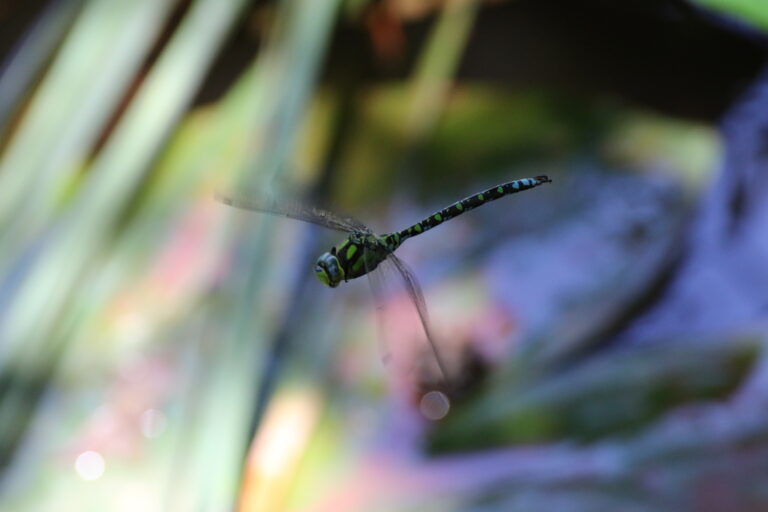
Photo: ThedimitrijaS, CC BY-SA 4.0 (Wikimedia Commons)
Blauwe glazenmaker
Photo: Kieran Roy Powell, CC BY 4.0 (Wikimedia Commons)