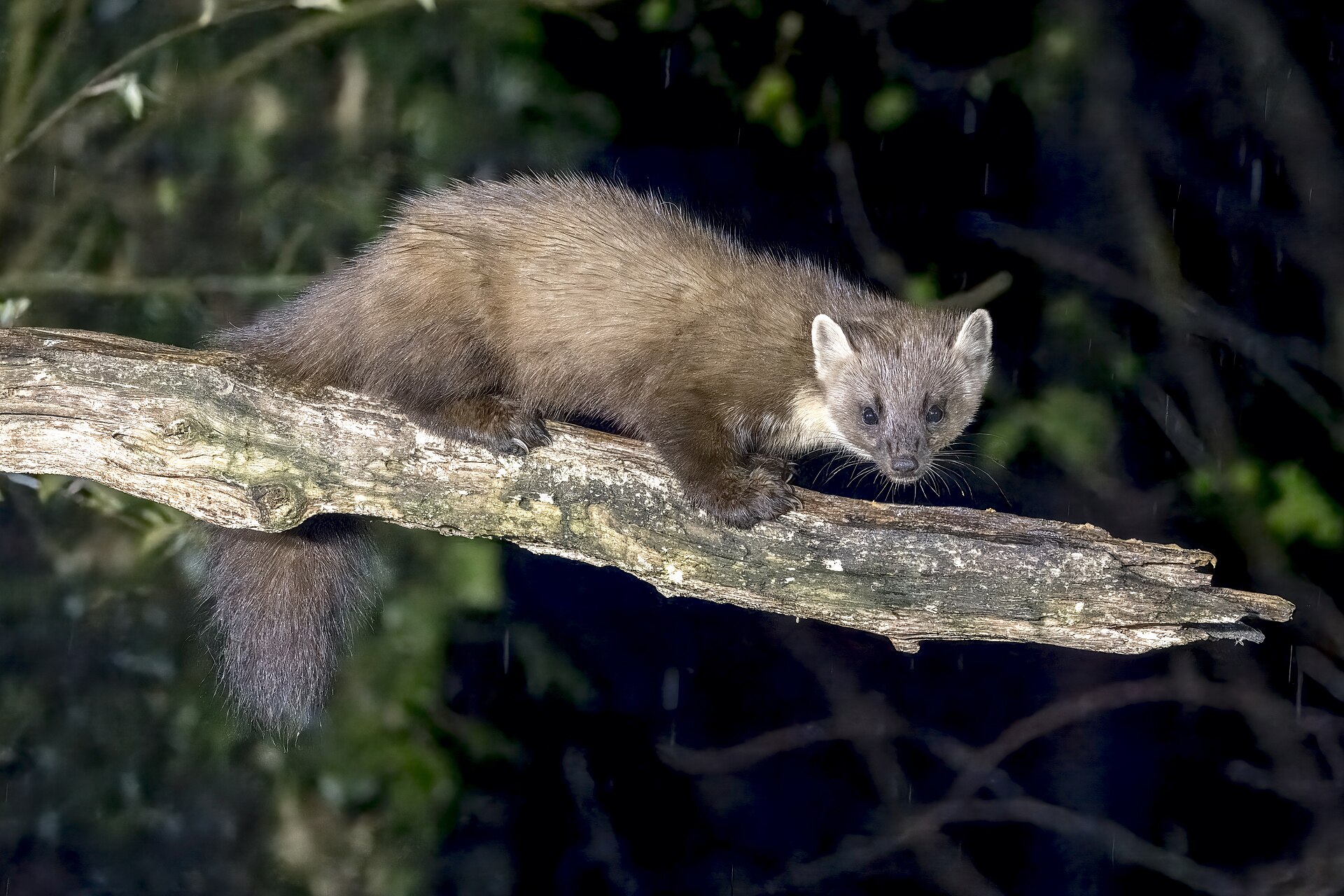
Pine marten
📷 Charles J. Sharp, CC BY-SA 4.0 (Wikimedia Commons)

Where to see the pine marten in the Netherlands

Martes martes · Pine marten

Rare 🦌 Mammal (land) Sensitive species · R2

🛡️ No exact locations, on purpose

This is a sensitive species. We deliberately show no resting places such as setts, burrows or winter roosts, and no photographs in which such a place is recognisable. Why we do that.

Where and when do you see a pine marten? This species is rarely seen, all year round.

How do you recognise a pine marten?

Slim and chestnut-brown, about the size of a cat but far longer in the body, with a long bushy tail and a creamy to yellow throat patch. That patch is what separates it from the stone marten, which has a white throat patch divided in two. The pine marten moves through the canopy by climbing and leaping.

What can you confuse a pine marten with?

Looks like: Beech marten

  • Stone marten: a white throat patch, divided in two and running down between the front legs; the pine marten has a creamy to yellow, undivided patch. The stone marten is also far more often in and around buildings.

What tracks does a pine marten leave?

3.5–4.5 cm wide

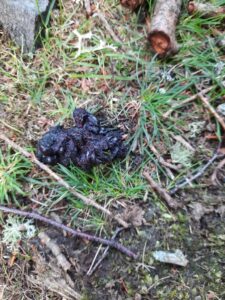
Tracks: the front foot 35 to 45 mm wide and 35 to 40 mm long, the hind foot slightly longer at about 40 by 48 mm, with five toes and, in damp sand, often the furred sole as well. Trail: walking, the prints lie about 35 cm apart; in a gallop 60 to 90 cm, with the feet set in pairs — that pattern tells you more than a single print does. Droppings: 5 to 12 cm long and 10 to 15 mm thick, twisted like a piece of string and drawn out to a point, with pips and berry skins in them in summer.

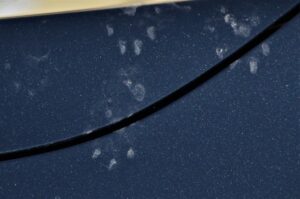
Spoor van een boommarter
Photo: Bartosz Sarnowski, CC BY 4.0, via iNaturalist
Spoor van een boommarter
Photo: E. A., CC BY 4.0, via iNaturalist
Uitwerpselen van een boommarter
Photo: judybaxter, CC0, via iNaturalist

Where do you see this species in the Netherlands?

The Veluwe, Drenthe and parts of Utrecht — large, unbroken woodlands. Outside those core areas it is rare. We name only the region: this species rests in tree cavities, and we do not point those out.

How certain is this? verified chance per source presence reported Links that do not clear the bottom threshold are not published. How we decide that.

📍 Deelerwoude

With luck chance per source
NDFF open data, 51 records 2016-2026
Nationwide period: Present all year, with no clear best season. In summer the young are more active and there is more movement, but the chance stays small in every month.

📍 Nationaal Park Drents-Friese Wold

With luck chance per source
NDFF open data, 46 records 2016-2026 · the national park
Nationwide period: Present all year, with no clear best season. In summer the young are more active and there is more movement, but the chance stays small in every month.

📍 Nationaal Park Veluwezoom

Rare chance per source
Natuurmonumenten
Nationwide period: Present all year, with no clear best season. In summer the young are more active and there is more movement, but the chance stays small in every month.

📍 Oostvaardersplassen

presence reported
NDFF open data, 121 records 2016-2026
Nationwide period: Present all year, with no clear best season. In summer the young are more active and there is more movement, but the chance stays small in every month.

📍 Naardermeer

Very rare verified
NDFF open data, 1.328 records 2016-2026 · Zodion
Nationwide period: Present all year, with no clear best season. In summer the young are more active and there is more movement, but the chance stays small in every month.

📍 Nationaal Park De Alde Feanen

Rare chance per source
Nationaal Park De Alde Feanen and It Fryske Gea, the site manager
Nationwide period: Present all year, with no clear best season. In summer the young are more active and there is more movement, but the chance stays small in every month.
Nationaal Park Utrechtse Heuvelrug
Nationwide period: Present all year, with no clear best season. In summer the young are more active and there is more movement, but the chance stays small in every month.
NDFF open data, 79 records 2016-2026
Nationwide period: Present all year, with no clear best season. In summer the young are more active and there is more movement, but the chance stays small in every month.
NDFF open data, 177 records 2016-2026
Nationwide period: Present all year, with no clear best season. In summer the young are more active and there is more movement, but the chance stays small in every month.
NDFF open data, 10 records 2016-2026
Nationwide period: Present all year, with no clear best season. In summer the young are more active and there is more movement, but the chance stays small in every month.
NDFF open data, 102 records 2016-2026
Nationwide period: Present all year, with no clear best season. In summer the young are more active and there is more movement, but the chance stays small in every month.
NDFF open data, 100 records 2016-2026
Nationwide period: Present all year, with no clear best season. In summer the young are more active and there is more movement, but the chance stays small in every month.
NDFF open data, 151 records 2016-2026
Nationwide period: Present all year, with no clear best season. In summer the young are more active and there is more movement, but the chance stays small in every month.
NDFF open data, 14 records 2016-2026
Nationwide period: Present all year, with no clear best season. In summer the young are more active and there is more movement, but the chance stays small in every month.
NDFF open data, 134 records 2016-2026
Nationwide period: Present all year, with no clear best season. In summer the young are more active and there is more movement, but the chance stays small in every month.

📍 Fochteloërveen

Very rare chance per source
De Visdief · birdwatching guide to Fochteloërveen
Nationwide period: Present all year, with no clear best season. In summer the young are more active and there is more movement, but the chance stays small in every month.

📍 Kroondomein Het Loo

presence reported
NDFF open data, 150 records 2016-2026
Nationwide period: Present all year, with no clear best season. In summer the young are more active and there is more movement, but the chance stays small in every month.

📍 Onlanden & Leekstermeer

presence reported
NDFF open data, 17 records 2016-2026
Nationwide period: Present all year, with no clear best season. In summer the young are more active and there is more movement, but the chance stays small in every month.
NDFF open data, 10 records 2016-2026
Nationwide period: Present all year, with no clear best season. In summer the young are more active and there is more movement, but the chance stays small in every month.

📍 Planken Wambuis

presence reported
NDFF open data, 90 records 2016-2026
Nationwide period: Present all year, with no clear best season. In summer the young are more active and there is more movement, but the chance stays small in every month.

📍 Leuvenumse Bossen

presence reported
NDFF open data, 128 records 2016-2026
Nationwide period: Present all year, with no clear best season. In summer the young are more active and there is more movement, but the chance stays small in every month.

📍 Blauwe Kamer

presence reported
NDFF open data
Nationwide period: Present all year, with no clear best season. In summer the young are more active and there is more movement, but the chance stays small in every month.

📍 Zouweboezem

presence reported
NDFF open data
Nationwide period: Present all year, with no clear best season. In summer the young are more active and there is more movement, but the chance stays small in every month.

📍 Oostelijke Vechtplassen

presence reported
NDFF open data
Nationwide period: Present all year, with no clear best season. In summer the young are more active and there is more movement, but the chance stays small in every month.
NDFF open data
Nationwide period: Present all year, with no clear best season. In summer the young are more active and there is more movement, but the chance stays small in every month.

📍 Wormer- en Jisperveld

presence reported
NDFF open data
Nationwide period: Present all year, with no clear best season. In summer the young are more active and there is more movement, but the chance stays small in every month.

📍 Ilperveld

presence reported
NDFF open data
Nationwide period: Present all year, with no clear best season. In summer the young are more active and there is more movement, but the chance stays small in every month.
NDFF open data
Nationwide period: Present all year, with no clear best season. In summer the young are more active and there is more movement, but the chance stays small in every month.

📍 Meijendel & Berkheide

presence reported
NDFF open data, 196 records 2016-2026
Nationwide period: Present all year, with no clear best season. In summer the young are more active and there is more movement, but the chance stays small in every month.
NDFF open data, 11 records 2016-2026
Nationwide period: Present all year, with no clear best season. In summer the young are more active and there is more movement, but the chance stays small in every month.

📍 Loonse en Drunense Duinen

presence reported
NDFF open data, 34 records 2016-2026
Nationwide period: Present all year, with no clear best season. In summer the young are more active and there is more movement, but the chance stays small in every month.

📍 Schoorlse Duinen

presence reported
NDFF open data, 558 records 2016-2026
Nationwide period: Present all year, with no clear best season. In summer the young are more active and there is more movement, but the chance stays small in every month.

These links come straight from our database, with the chance, the source and the evidence level for each area.

When is the best time?

Green = present · orange = peak period. The bar is generated from our database.

Best period: Present all year, with no clear best season. In summer the young are more active and there is more movement, but the chance stays small in every month.

Best time of day: Dawn and dusk. By day it rests high up in a tree cavity; most sightings come from trail cameras or are strokes of luck early in the morning. This is a species you find by its signs, not by waiting for it.

Recent sightings

👁️ Where has this species been seen recently?

Check the current sightings on Waarneming.nl. A useful addition to our own verified information.

Current sightings on Waarneming.nl →

Note: for sensitive species the source already blurs or withholds sightings. We do not reproduce exact locations.

How to improve your chances

  • Keep the wind in your face. Most mammals will smell you long before they see you.
  • Arrive before sunrise and then stay put. Sitting still beats walking about.
  • Wear muted colours, skip the scent, and put your phone on silent.
  • Be patient. Expect to come back more than once before it works.

🎒 What you need for this

A trail camera; a telephoto lens.

🌿 Watching responsibly

Keep your distance, stay on the paths, and never lure animals with food or sound. Leave as soon as an animal becomes uneasy. This is a sensitive species. We deliberately show no resting places such as setts, burrows or winter roosts, and no photographs in which such a place is recognisable.

Sources: Zoogdiervereniging, Zodion-soortpagina Boommarter
Status: Verified · Last checked: 2026-08-08