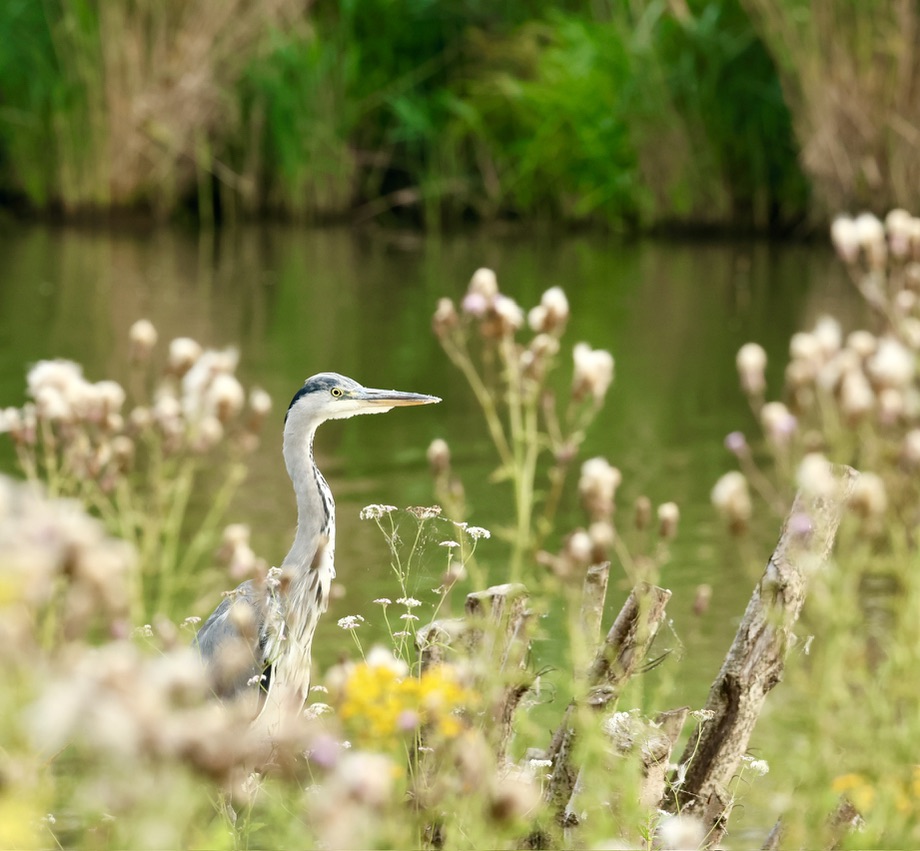
Grey heron among spent thistles on the bank
📷 Bas de Bruin — Oostvaardersplassen

Where to see the Grey Heron in the Netherlands

Ardea cinerea · Grey Heron

Easy 🦅 Bird

Where and when do you see a Grey Heron? This species is easy to see, all year round.

How do you recognise a Grey Heron?

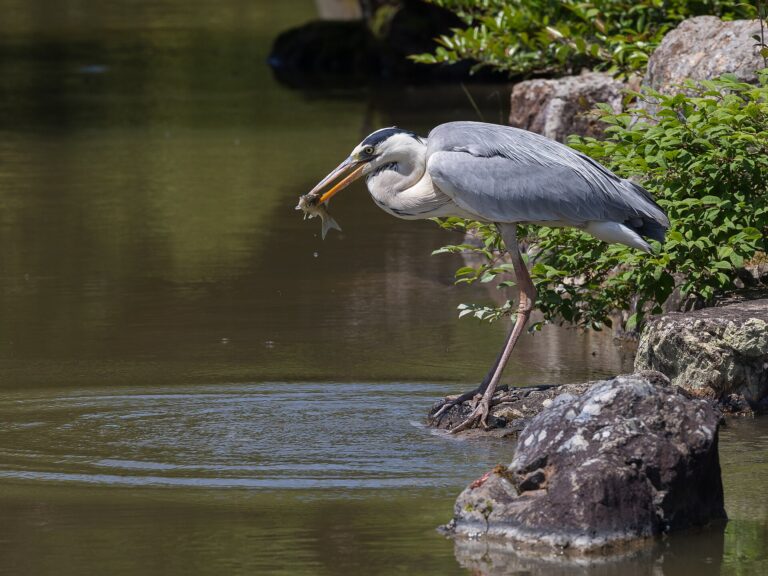
Length 80 to 102 cm. On the wingspan the sources disagree: Vogelbescherming Nederland gives 110 to 145 cm, while The Wildlife Trusts arrives at 1.8 metres. That difference is too large to pick one figure from ourselves, so we give both. Large and grey, with a long neck, a heavy dagger-shaped bill and a black crest behind the eye. In flight it pulls its neck in to an S, the clearest difference from stork and crane, which fly with the neck outstretched. Standing at the waterside it can stay completely motionless for minutes.

What can you confuse a Grey Heron with?

Looks like: Great Egret

  • Great Egret: Snow white instead of grey, with black legs and a yellow bill in winter.

What does a Grey Heron sound like?

Recording: Joost van Bruggen, CC BY-SA 4.0, via Wikimedia Commons

Where do you see this species in the Netherlands?

The whole of the Netherlands, from polder ditch to town canal. It is one of the few large wild birds that has adapted completely to people.

Habitat: Any water with fish: ditches, lakes, rivers, canals and ponds. It breeds in colonies high in trees, often in the middle of a village or town.

This is a common, widespread species: you can come across it in far more places than the areas listed below. Treat that list as a starting point rather than a full survey.

How certain is this? verified chance per source presence reported Links that do not clear the bottom threshold are not published. How we decide that.

📍 Oostvaardersplassen

Good chance chance per source
Common throughout the Netherlands (Verspreidingsatlas) — here too
Nationwide period: Present all year. In February and March the colonies are at their noisiest, when the nests are occupied and branches are dragged back and forth constantly.

📍 Nationaal Park De Alde Feanen

Good chance chance per source
Nationaal Park De Alde Feanen and It Fryske Gea, the site manager
Nationwide period: Present all year. In February and March the colonies are at their noisiest, when the nests are occupied and branches are dragged back and forth constantly.

📍 Planken Wambuis

presence reported
NDFF open data, 1.510 records 2016-2026
Nationwide period: Present all year. In February and March the colonies are at their noisiest, when the nests are occupied and branches are dragged back and forth constantly.

📍 Gelderse Poort & Millingerwaard

With luck chance per source
Vogelwerkgroep Nijmegen · area description
Nationwide period: Present all year. In February and March the colonies are at their noisiest, when the nests are occupied and branches are dragged back and forth constantly.

📍 Blauwe Kamer

presence reported
NDFF open data
Nationwide period: Present all year. In February and March the colonies are at their noisiest, when the nests are occupied and branches are dragged back and forth constantly.

📍 Zouweboezem

presence reported
NDFF open data
Nationwide period: Present all year. In February and March the colonies are at their noisiest, when the nests are occupied and branches are dragged back and forth constantly.

📍 Oostelijke Vechtplassen

presence reported
NDFF open data
Nationwide period: Present all year. In February and March the colonies are at their noisiest, when the nests are occupied and branches are dragged back and forth constantly.
NDFF open data
Nationwide period: Present all year. In February and March the colonies are at their noisiest, when the nests are occupied and branches are dragged back and forth constantly.

📍 Wormer- en Jisperveld

presence reported
NDFF open data
Nationwide period: Present all year. In February and March the colonies are at their noisiest, when the nests are occupied and branches are dragged back and forth constantly.

📍 Ilperveld

presence reported
NDFF open data
Nationwide period: Present all year. In February and March the colonies are at their noisiest, when the nests are occupied and branches are dragged back and forth constantly.

📍 De Dollard

presence reported
NDFF open data
Nationwide period: Present all year. In February and March the colonies are at their noisiest, when the nests are occupied and branches are dragged back and forth constantly.
NDFF open data
Nationwide period: Present all year. In February and March the colonies are at their noisiest, when the nests are occupied and branches are dragged back and forth constantly.

📍 Landgoed Ennemaborg

presence reported
NDFF open data
Nationwide period: Present all year. In February and March the colonies are at their noisiest, when the nests are occupied and branches are dragged back and forth constantly.

📍 De Putten bij Camperduin

Redelijke kans verified
Own field observation, 10 November 2026
Nationwide period: Present all year. In February and March the colonies are at their noisiest, when the nests are occupied and branches are dragged back and forth constantly.

📍 Meijendel & Berkheide

presence reported
NDFF open data, 10.121 records 2016-2026
Nationwide period: Present all year. In February and March the colonies are at their noisiest, when the nests are occupied and branches are dragged back and forth constantly.

📍 Voornes Duin

presence reported
NDFF open data, 1.333 records 2016-2026
Nationwide period: Present all year. In February and March the colonies are at their noisiest, when the nests are occupied and branches are dragged back and forth constantly.
NDFF open data, 3.868 records 2016-2026
Nationwide period: Present all year. In February and March the colonies are at their noisiest, when the nests are occupied and branches are dragged back and forth constantly.

📍 De Maashorst

presence reported
NDFF open data, 1.511 records 2016-2026
Nationwide period: Present all year. In February and March the colonies are at their noisiest, when the nests are occupied and branches are dragged back and forth constantly.
NDFF open data, 2.508 records 2016-2026
Nationwide period: Present all year. In February and March the colonies are at their noisiest, when the nests are occupied and branches are dragged back and forth constantly.

📍 Loonse en Drunense Duinen

presence reported
NDFF open data, 3.770 records 2016-2026
Nationwide period: Present all year. In February and March the colonies are at their noisiest, when the nests are occupied and branches are dragged back and forth constantly.

📍 Schoorlse Duinen

presence reported
NDFF open data, 4.376 records 2016-2026
Nationwide period: Present all year. In February and March the colonies are at their noisiest, when the nests are occupied and branches are dragged back and forth constantly.

📍 Haringvlietsluizen

presence reported
NDFF open data, 1.867 records 2016-2026
Nationwide period: Present all year. In February and March the colonies are at their noisiest, when the nests are occupied and branches are dragged back and forth constantly.
NDFF open data, 450 records 2016-2026
Nationwide period: Present all year. In February and March the colonies are at their noisiest, when the nests are occupied and branches are dragged back and forth constantly.

These links come straight from our database, with the chance, the source and the evidence level for each area.

When is the best time?

Green = present · orange = peak period. The bar is generated from our database.

Best period: Present all year. In February and March the colonies are at their noisiest, when the nests are occupied and branches are dragged back and forth constantly.

Best time of day: During the day. It hunts by standing and waiting, which makes it one of the easiest birds to watch for a long time.

Recent sightings

👁️ Where has this species been seen recently?

Check the current sightings on Waarneming.nl. A useful addition to our own verified information.

Current sightings on Waarneming.nl →

How to improve your chances

  • Learn the calls first. You will hear most birds before you see them.
  • Go in the first hour after sunrise, when the song is at its peak and the wind is still down.
  • Use a hide or natural cover. Sitting still gets you more than walking closer.
  • Keep the sun behind you. Against the light you see a silhouette and no colour.

🎒 What you need for this

Binoculars

🌿 Watching responsibly

Keep your distance, stay on the paths, and never lure animals with food or sound. Leave as soon as an animal becomes uneasy.

Sources: Sovon; Vogelbescherming Nederland (vogelgids), geraadpleegd 09-11-2026; The Wildlife Trusts (wildlife explorer), geraadpleegd 09-11-2026
Status: Verified · Last checked: 2026-08-08

More photos
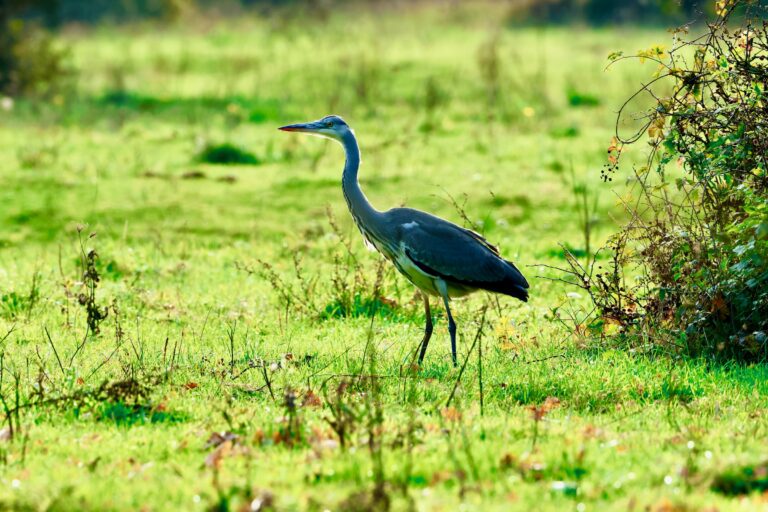
Blauwe reiger loopt door kort gras
Photo: Bas de Bruin — De Blauwe Kamer, 4 november 2026
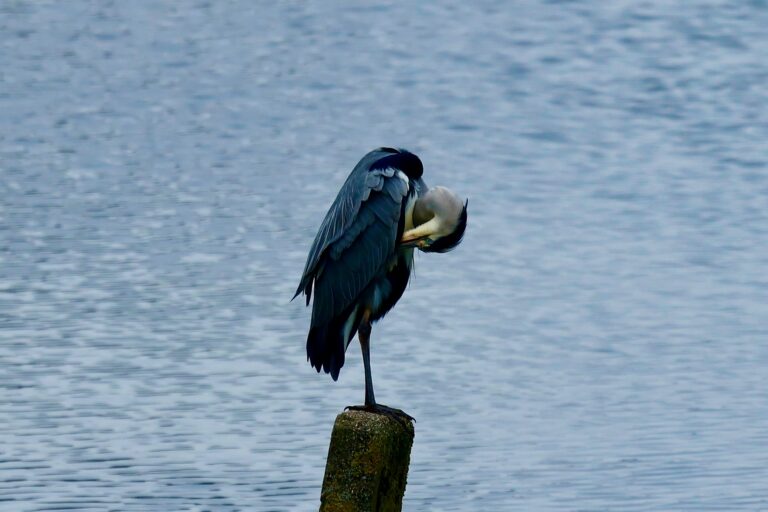
Blauwe reiger die zijn veren poetst op een houten paal in het water
Photo: Bas de Bruin — Amsterdamse Waterleidingduinen, 31 oktober 2026
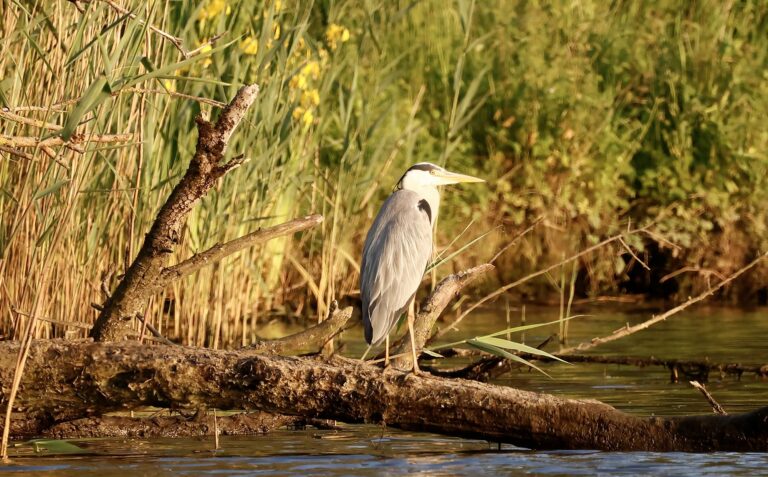
Blauwe reiger op een omgevallen stam in warm laagstaand licht
Photo: Bas de Bruin — Biesbosch
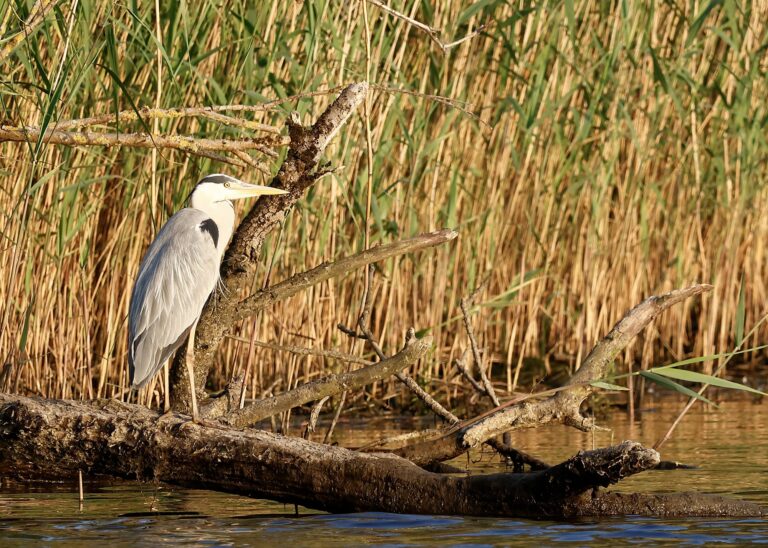
Blauwe reiger staand op een omgevallen stam voor overjarig riet
Photo: Bas de Bruin — Biesbosch
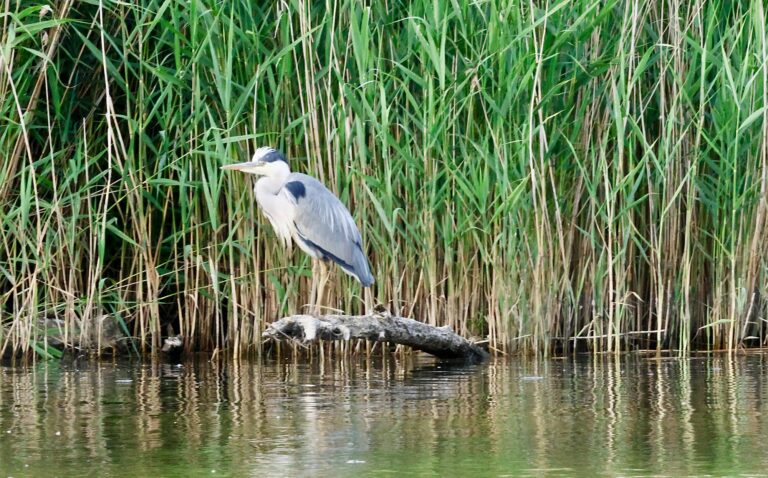
Blauwe reiger staand op een stam voor een groene rietkraag
Photo: Bas de Bruin — Biesbosch
Blauwe reiger
Photo: Basile Morin, CC BY-SA 4.0 (Wikimedia Commons)