Where to see the Comma in the Netherlands
Easy 🦋 Butterfly
Where and when do you see a Comma? This species is easy to see, from March to October.
How do you recognise a Comma?
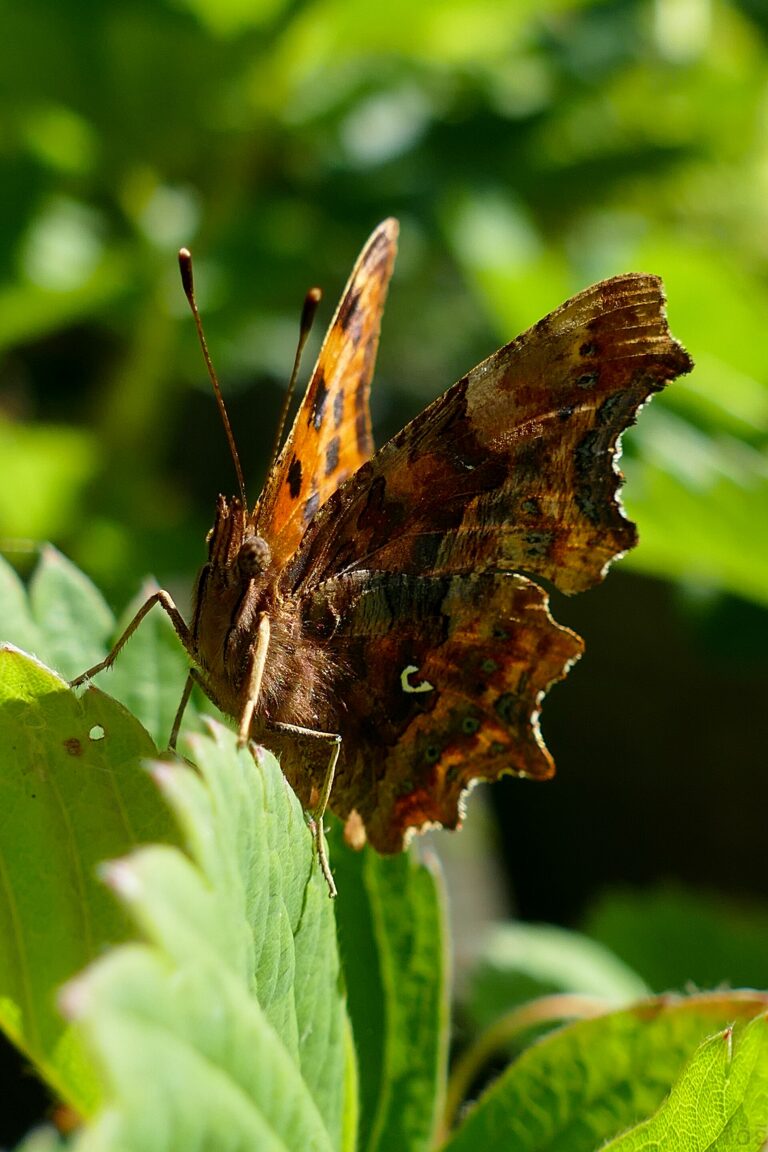
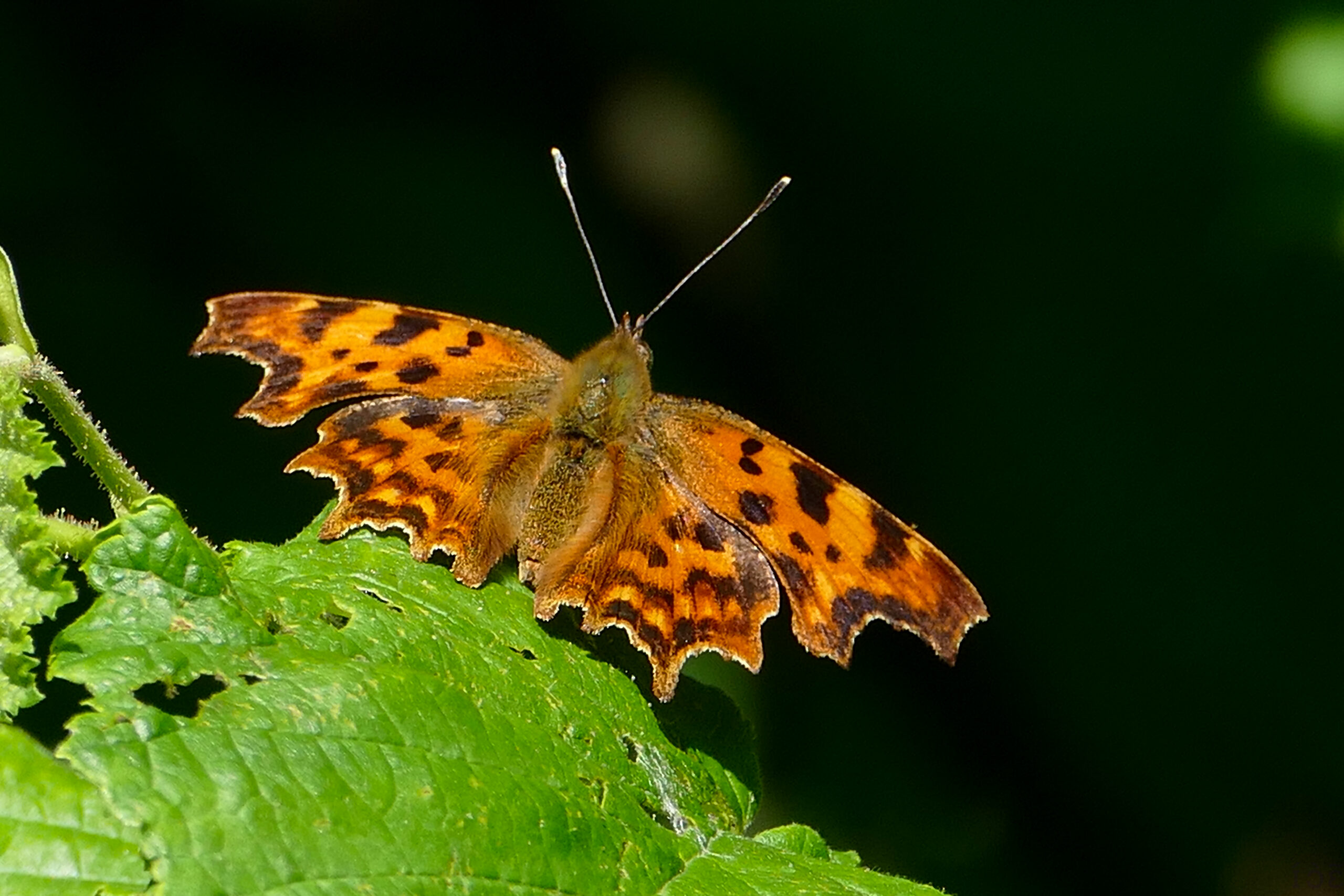
Forewing length 20 to 26 millimetres. An orange-brown butterfly with black spots and a wildly ragged wing edge; on the underside a small white hook in the shape of a C.
Where do you see this species in the Netherlands?
The whole country: woodland edges, parks and gardens.
This is a common, widespread species: you can come across it in far more places than the areas listed below. Treat that list as a starting point rather than a full survey.
📍 Sint-Pietersberg & Zuid-Limburg
presence reported📍 Oostvaardersplassen
presence reported📍 Nationaal Park De Hoge Veluwe
presence reported📍 Nationaal Park Utrechtse Heuvelrug
presence reported📍 Gelderse Poort & Millingerwaard
presence reported📍 Nationaal Park Zuid-Limburg (in formation)
presence reported📍 Nationaal Park Veluwezoom
presence reported📍 Nationaal Park Zuid-Kennemerland
presence reported📍 Naardermeer
presence reported📍 Nationaal Park De Biesbosch
presence reported📍 Deelerwoude
presence reported📍 Nationaal Park De Groote Peel
presence reported📍 Amsterdamse Waterleidingduinen
presence reported📍 Nationaal Park De Meinweg
presence reported📍 Nationaal Park De Maasduinen
presence reported📍 Nationaal Park Duinen van Texel
presence reported📍 Nationaal Park Dwingelderveld
presence reported📍 Nationaal Park Weerribben-Wieden
presence reported📍 Fochteloërveen
presence reported📍 Kroondomein Het Loo
presence reported📍 Zwin & Zeeuws-Vlaanderen
presence reported📍 Onlanden & Leekstermeer
presence reported📍 Nationaal Park Drents-Friese Wold
presence reported📍 Nationaal Park De Alde Feanen
presence reported📍 Nationaal Park Sallandse Heuvelrug
presence reported📍 Nationaal Park Oosterschelde
presence reported📍 Nationaal Park Lauwersmeer
presence reported📍 Planken Wambuis
presence reported📍 Blauwe Kamer
presence reported📍 Oostelijke Vechtplassen
presence reported📍 Noordhollands Duinreservaat
presence reported📍 Wormer- en Jisperveld
presence reported📍 Ilperveld
presence reported📍 Zuidlaardermeergebied en Hunzedal
presence reported📍 Meijendel & Berkheide
presence reported📍 Voornes Duin
presence reported📍 Kampina & Oisterwijkse Vennen
presence reported📍 De Maashorst
presence reported📍 Strabrechtse Heide & Beuven
presence reported📍 Loonse en Drunense Duinen
presence reported📍 Schoorlse Duinen
presence reportedThese links come straight from our database, with the chance, the source and the evidence level for each area.
When is the best time?
Green = present · orange = peak period. The bar is generated from our database.
Best period: March to October in two generations.
Best time of day: By day, in the sun.
Recent sightings
👁️ Where has this species been seen recently?
Check the current sightings on Waarneming.nl. A useful addition to our own verified information.
How to improve your chances
- Go on a warm, windless day between about ten and four, when they are active.
- Look for the place rather than the animal: flowery edges for butterflies, banks and open water for dragonflies.
- Move slowly and keep your shadow off the animal. It notices that before it notices you.
- Early in the morning they are still cold and motionless on a leaf. That is when you can get closest.
🎒 What you need for this
None; a macro lens if you like
🌿 Watching responsibly
Keep your distance, stay on the paths, and never lure animals with food or sound. Leave as soon as an animal becomes uneasy.
Status: Verified · Last checked: 2026-08-08
More photos