
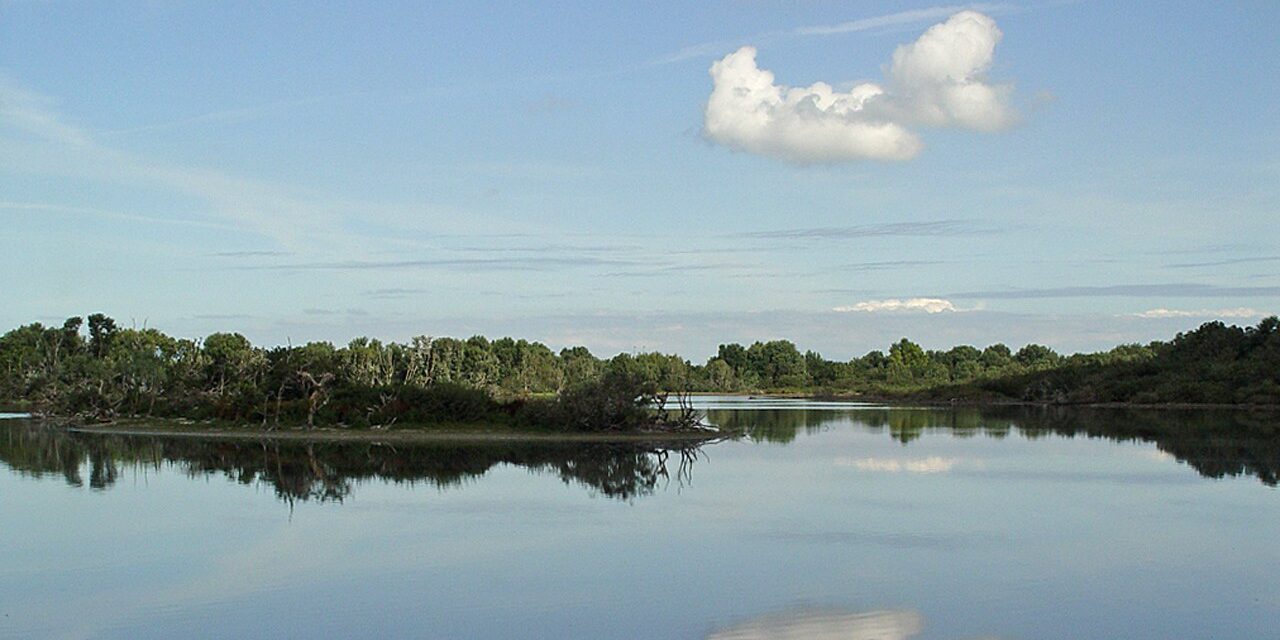
 📷 Foto: Frans-Banja Mulder / CC BY 3.0 via Wikimedia Commons.
Voornes Duin: where to see wildlife
Natuurmonumenten themselves say that every season, and even every day, is different. More concretely: spring and summer for the spoonbill colony, spring for the cormorant colony and for butterflies, autumn and winter for tufted ducks and geese. Dunes and dune lakes
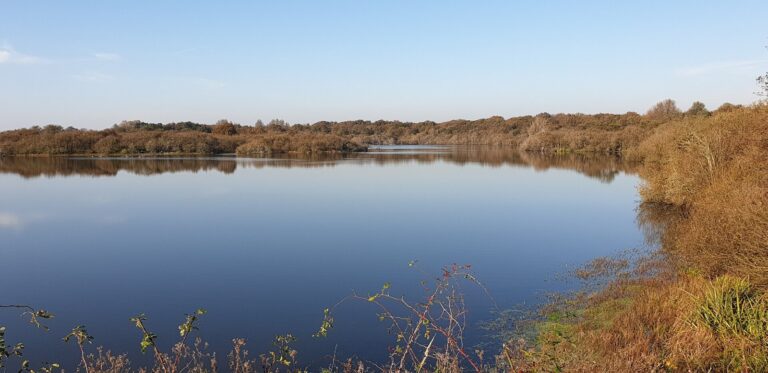
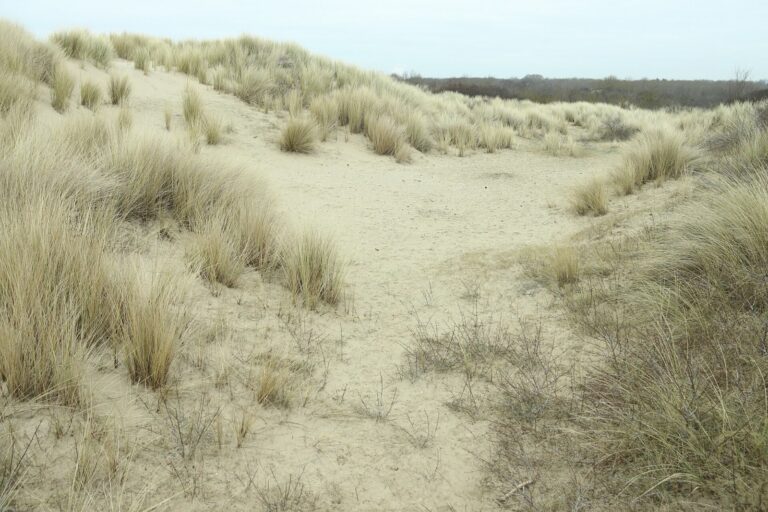
Voornes Duin — The Ramsar description of this site calls it one of the least damaged dune systems in the Netherlands. No drinking water has been extracted here since the 1960s. More than half of all wild plant species in the Netherlands occur here, with a large population of fen orchid. The Quackjeswater is a dune lake that formed in the seventeenth century. Mainly here: Eurasian Spoonbill (a colony on the island in the Quackjeswater), Great Cormorant, Little Egret and Black-necked Grebe as colony and dune-lake birds; recently Great Egret has begun breeding here too. Also Little Grebe, Bluethroat, Osprey, European Stonechat, Common Nightingale, Northern Goshawk, Eurasian Sparrowhawk and Eurasian Hobby. At the Breede Water, Tufted Duck and Common Pochard breed, with Eurasian Teal as a winter visitor. Under the Habitats Directive: root vole and narrow-mouthed whorl snail. On top of that, forty species of land snail and more than four hundred species of moth. Best period: Natuurmonumenten themselves say that every season, and even every day, is different. More concretely: spring and summer for the spoonbill colony, spring for the cormorant colony and for butterflies, autumn and winter for tufted ducks and geese.
Which animals will you see here?
Also reported present in this area (208 species) presence reported
These species are known to occur here (NDFF), but nothing has been recorded yet about your chance of seeing them.
Amphibian (4)
Dragonfly (2)
Spider (4)
Grasshopper (10)
Fish (3)
Butterfly (16)
Bird (142)
Mammal (land) (18)
Mammal (land/water) (3)
Mammal (bat) (6)
Walking routes
Breede Waterroute
Quackroute
Rolstoelroute Tenellaplas
Hardlooproute Breede Water
Libellenroute, Bosmuisroute, Berkenroute, Vogelboulevardroute en Kiekendiefroute
Hides and viewpoints
🔭 Viewpoint Breede Water
🔭 Viewpoints Quackjeswater
Practical information
- Access: No entry ticket or dune card is mentioned. Note that Natuurmonumenten nowhere says entry is free either — there is simply nothing about it. A wheelchair route starts from the Tenellaplas visitor centre and the centre itself is accessible with an accessible toilet, but the loose sand makes the other walking routes unsuitable for wheelchairs and pushchairs. Groups of more than twenty people and paid activities need permission in advance. Drones are unwelcome and are not allowed over a Natura 2000 site in any case; metal detecting and magnet fishing are not permitted.
- Parking: Quackjeswater car park, Duindijk 7 in Rockanje (the start of the Quackroute). Kreekpad car park, Kreekpad 1 in Rockanje (the start of the Breede Waterroute) — that one fills up quickly, and Natuurmonumenten then recommends the Eerste Slag or Tweede Slag Rockanje car park. Next to the visitor centre there is a large car park with a maximum height of 2.20 metres; if it is full, use the Berkenrijsweg. Parking rates are nowhere stated. By public transport: metro to Spijkenisse-Centrum, then bus 103 to the Rockanje Tweede Slag stop.
- Dogs: Welcome on a lead, on the paths. Exception: dogs are not allowed on the Strypemonde estate.
- Facilities: The Tenellaplas visitor centre of Het Zuid-Hollands Landschap, Duinstraat 12a in Rockanje, with a native plant garden holding more than 300 species, a wheelchair to borrow, charging points and a meeting room to hire overlooking the Tenellaplas. Route leaflets for a small fee. Note: the opening hours on the site give no year and the autumn holiday period listed has passed — check them before you visit.
🌿 Rules in this area
Natuurmonumenten manages Voornes Duin. Het Zuid-Hollands Landschap runs the Tenellaplas visitor centre in the middle of the dunes. How the ownership is divided between the two is not stated in any of the sources we consulted; the Natura 2000 site document names no manager. The province of Zuid-Holland leads on Natura 2000. sets its own rules here. Stay on the paths, respect refuges and closures, keep dogs on a lead where that applies, and do not fly a drone — they are banned in almost every Dutch nature reserve.
Status: Verified · Last checked: 2026-10-28
Photo: Foto: Frans-Banja Mulder / CC BY 3.0 via Wikimedia Commons.