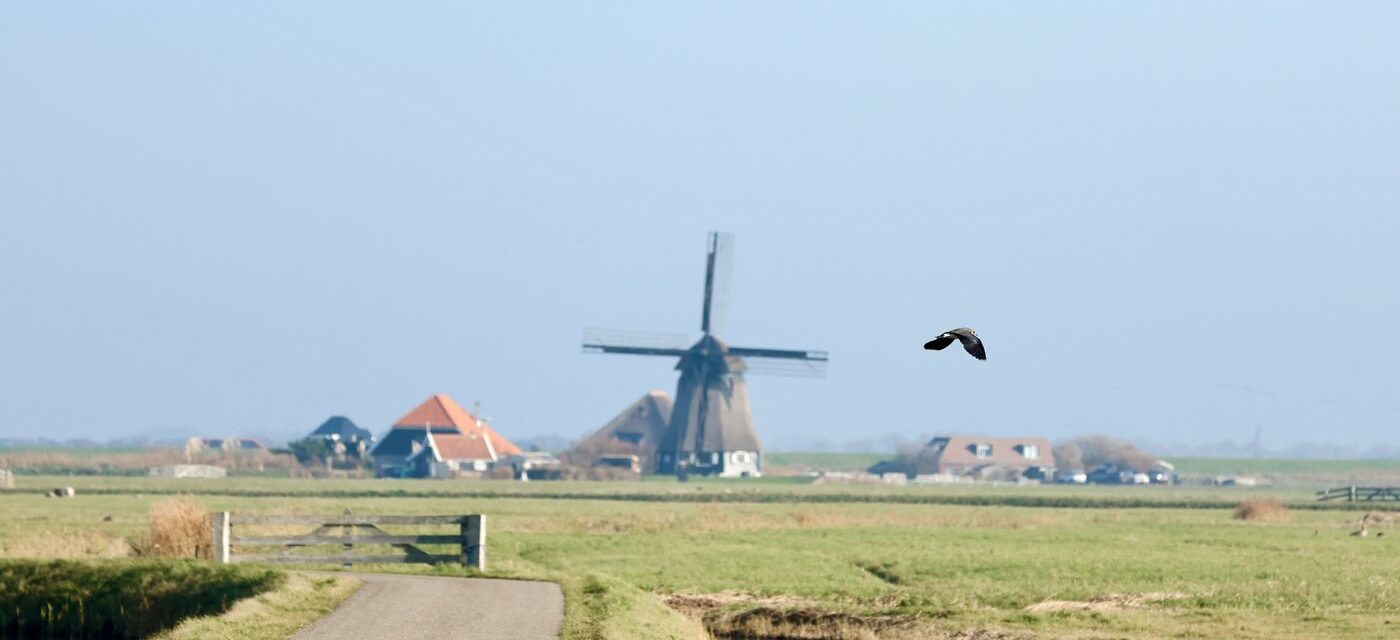
A path with a ditch and a mill in the polder by De Putten, with a lapwing flying over 📷 Foto: Bas de Bruin - Camperduin, 10 november 2026

De Putten bij Camperduin: where to see wildlife

Pools and meadow behind the sea defence · Noord-Holland · managed by: Natuurmonumenten, as part of the Harger- en Pettemerpolder. The Natura 2000 site is officially called Abtskolk & De Putten, number 162, and lies in the municipalities of Bergen (NH) and Schagen.

Winter. Natuurmonumenten: in winter especially the place is full of wigeon, white-fronted geese and rare lesser white-fronted geese. In autumn spoonbills call in on their way to Africa. In August the sea aster turns the salty grassland purple. Pools and meadow behind the sea defence

De Putten bij Camperduin — The whole Natura 2000 site is designated for a single bird species: the Lesser White-fronted Goose. Natura2000.nl states that the area owes its Birds Directive status to this species. The site is designated under the Birds Directive only and has not been put forward under the Habitats Directive. The pools were formed by clay extraction for strengthening the sea defence. Mainly here: Lesser White-fronted Goose — the species the area owes its Birds Directive status to. Natuurmonumenten adds that in winter especially the place is full of Eurasian Wigeon, Greater White-fronted Goose and rare Lesser White-fronted Geese, plus Pied Avocet, Common Redshank and, in autumn, Eurasian Spoonbill. Sandwich Terns and Common Terns bred on the three shell islands that were made here; on the present state of that colony the sources contradict each other, see the area text. Best period: Winter. Natuurmonumenten: in winter especially the place is full of wigeon, white-fronted geese and rare lesser white-fronted geese. In autumn spoonbills call in on their way to Africa. In August the sea aster turns the salty grassland purple.
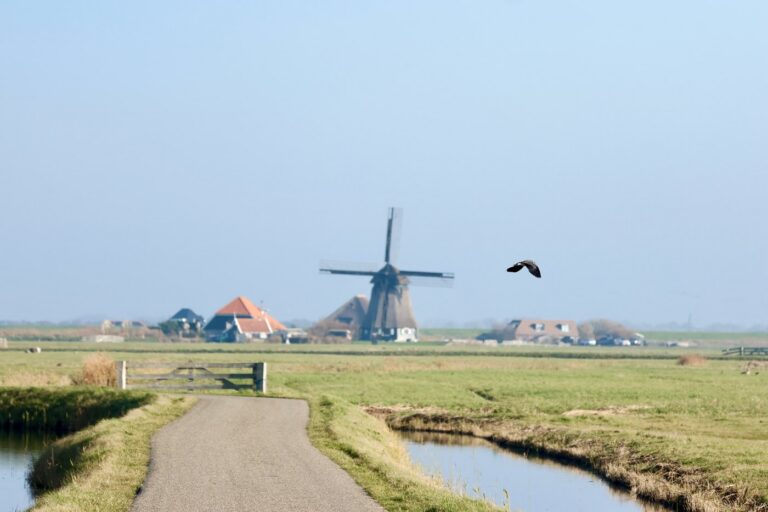
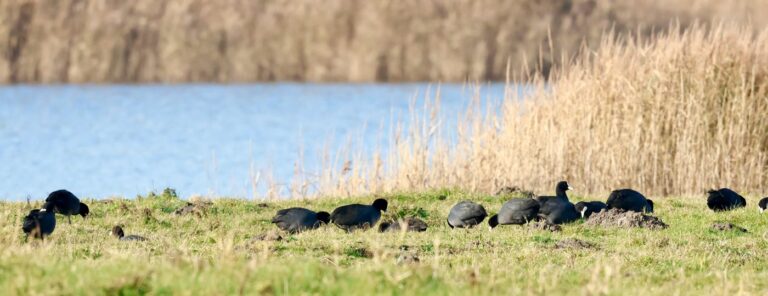
Photo: Bas de Bruin - Camperduin, 10 november 2026

Which animals will you see here?

How certain is this? verified chance per source presence reported Links that do not clear the bottom threshold are not published. How we decide that.

The species at the top are the ones with a peak month in November.

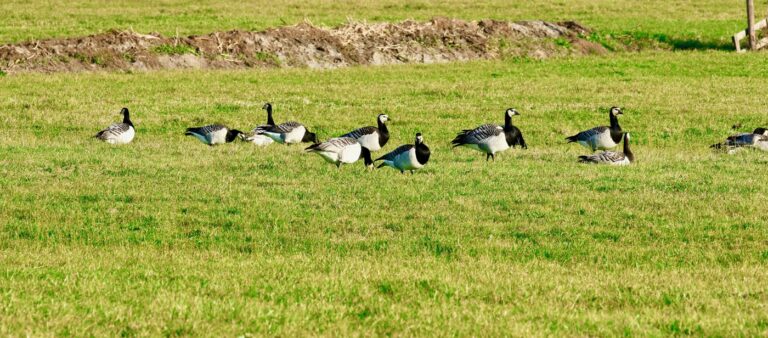
🦅 Barnacle Goose

Good chanceverified
Own field observation, 10 November 2026

🦅 Eurasian Wigeon

Good chance in seasonverified
Own field observation, 10 November 2026

🦅 Common Starling

Good chance in seasonverified
Own field observation, 10 November 2026

🦅 Greylag Goose

Good chanceverified
Own field observation, 10 November 2026

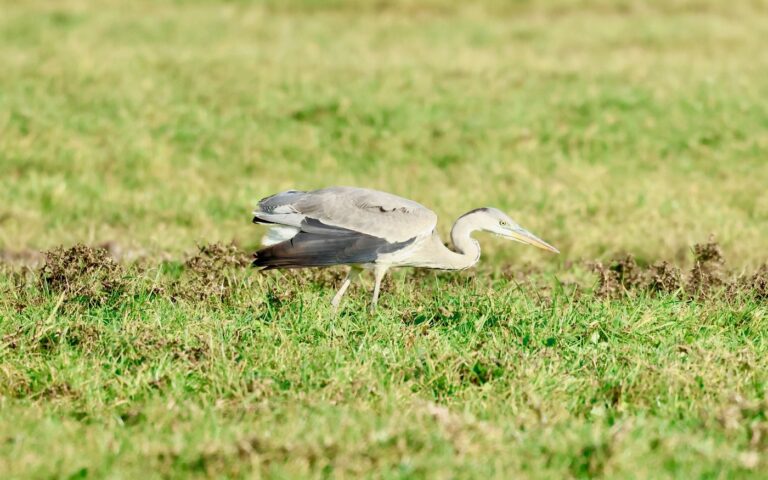
🦅 Grey Heron

Redelijke kansverified
Own field observation, 10 November 2026

🦅 Common Kestrel

Redelijke kansverified
Own field observation, 10 November 2026

🦅 Northern Lapwing

Good chanceverified
Own field observation, 10 November 2026

🦅 Black-headed Gull

Good chanceverified
Own field observation, 10 November 2026

🦅 Eurasian Coot

Good chanceverified
Own field observation, 10 November 2026

These species have an assessed chance with a source behind it. The list comes from the same database as the species pages.

Also reported present in this area (201 species) presence reported

These species are known to occur here (NDFF), but nothing has been recorded yet about your chance of seeing them.

Amphibian (3)

Reptile (1)

🦎 Sand lizard

Spider (2)

Grasshopper (5)

Butterfly (12)

Bird (158)

🦅 Sandwich Tern🦅 Pied Avocet🦅 Greater White-fronted Goose🦅 Eurasian Spoonbill🦅 Common Redshank🦅 Common Tern🦅 Great Cormorant🦅 Bearded Reedling🦅 Common Shelduck🦅 European Bee-eater🦅 Bluethroat🦅 Hen Harrier🦅 Barn Swallow🦅 Common Ringed Plover🦅 Dunlin🦅 European Pied Flycatcher🦅 Woodlark🦅 Tree Pipit🦅 Eurasian Hobby🦅 Marsh Warbler🦅 Wood Sandpiper🦅 Lesser Whitethroat🦅 Common Goldeneye🦅 Marsh Harrier🦅 Common Buzzard🦅 Little Grebe🦅 Eurasian Wryneck🦅 Black-legged Kittiwake🦅 Sanderling🦅 Lesser White-fronted Goose🦅 Little Gull🦅 Little Tern🦅 Common Eider🦅 Eurasian Magpie🦅 Willow Warbler🦅 Great Crested Grebe🦅 Common Redstart🦅 Western Yellow Wagtail🦅 Black-necked Grebe🦅 Common Swift🦅 Goldcrest🦅 European Golden Plover🦅 Common Whitethroat🦅 Meadow Pipit🦅 European Greenfinch🦅 Common Greenshank🦅 Canada Goose🦅 Common Redpoll🦅 Grey Wagtail🦅 Great Reed Warbler🦅 Great Black-backed Gull🦅 Great Egret🦅 Black-tailed Godwit🦅 Northern Goshawk🦅 Dunnock🦅 Stock Dove🦅 Eurasian Hoopoe🦅 Common Wood Pigeon🦅 House Sparrow🦅 Common House Martin🦅 Long-tailed Duck🦅 Common Kingfisher🦅 Northern Gannet🦅 Red Knot🦅 Western Jackdaw🦅 Brambling🦅 Ruff🦅 Barn Owl🦅 Great Grey Shrike🦅 Lesser Redpoll🦅 Iceland Gull🦅 Arctic Skua🦅 Common Reed Warbler🦅 Lesser Black-backed Gull🦅 Little Ringed Plover🦅 Pink-footed Goose🦅 Red-breasted Flycatcher🦅 Little Egret🦅 Common Linnet🦅 Mute Swan🦅 Common Cuckoo🦅 Western Cattle Egret🦅 Great Tit🦅 Redwing🦅 Fieldfare🦅 Curlew Sandpiper🦅 Common Crossbill🦅 Tufted Duck🦅 Common Blackbird🦅 Red-breasted Merganser🦅 European Nightjar🦅 Egyptian Goose🦅 Smew🦅 Common Sandpiper🦅 Rock Pipit🦅 Sand Martin🦅 Whinchat🦅 Purple Sandpiper🦅 Grey Partridge🦅 Northern Pintail🦅 Eurasian Blue Tit🦅 Caspian Gull🦅 Purple Heron🦅 European Goldfinch🦅 Whimbrel🦅 Reed Bunting🦅 Sedge Warbler🦅 Eurasian Tree Sparrow🦅 Red Kite🦅 European Robin🦅 European Stonechat🦅 Red-breasted Goose🦅 Red-throated Diver🦅 Woodchat Shrike🦅 Bar-tailed Godwit🦅 Brant🦅 Eurasian Oystercatcher🦅 Eurasian Siskin🦅 Short-toed Snake Eagle🦅 Peregrine Falcon🦅 Snow Bunting🦅 Eurasian Sparrowhawk🦅 Ruddy Turnstone🦅 Black-winged Stilt🦅 Pallid Harrier🦅 Common Gull🦅 Common Pochard🦅 Northern Wheatear🦅 Common Chiffchaff🦅 Eurasian Skylark🦅 Short-eared Owl🦅 Common Chaffinch🦅 Osprey🦅 Common Firecrest🦅 Common Moorhen🦅 Water Rail🦅 Common Snipe🦅 European Honey Buzzard🦅 Eurasian Golden Oriole🦅 Mallard🦅 Eurasian Wren🦅 Eurasian Teal🦅 Green Sandpiper🦅 White Wagtail🦅 Eurasian Curlew🦅 Song Thrush🦅 White-tailed Eagle🦅 Common Guillemot🦅 European Herring Gull🦅 Grey Plover🦅 Carrion Crow🦅 Black Stork🦅 Black Redstart🦅 Spotted Redshank🦅 Black Tern🦅 Common Scoter🦅 Blackcap🦅 Mediterranean Gull

Mammal (land) (14)

Mammal (land/water) (2)

🦫 Muskrat🦫 Eurasian water shrew

Mammal (bat) (4)

Walking routes

🥾

Wandelroute de Putten

📏 3,3 km ⏱️ Ongeveer 1 uur 🅿️ Parkeerplaats De Putten, kruising Kamperkade/Hondsbosscheweg, Schoorl (NH)

Facilities

No visitor centre and no refreshments in the area itself. Natuurmonumenten names no hide on their area page; third parties do, but that is not repeated here as long as the site manager does not confirm it. The village of Camperduin and the beach access lie on the other side of the sea defence.

Practical information

  • Access: The area itself is not open to visitors. Natuurmonumenten: the Harger- en Pettemerpolder can only be experienced from the roads that run alongside their reserves. There is a 3.3 km walking route around the edge. Flying drones is not allowed.
  • Parking: De Putten car park, at the junction of the Kamperkade and the Hondsbosscheweg in Schoorl. That is also the start of the walking route.
  • Dogs: Natuurmonumenten states nothing about dogs on either the area page or the route page. Still to be checked with the site manager; until then there is no rule here that we cannot support.

🌿 Rules in this area

Natuurmonumenten, as part of the Harger- en Pettemerpolder. The Natura 2000 site is officially called Abtskolk & De Putten, number 162, and lies in the municipalities of Bergen (NH) and Schagen. sets its own rules here. Stay on the paths, respect refuges and closures, keep dogs on a lead where that applies, and do not fly a drone — they are banned in almost every Dutch nature reserve.

Sources: Natura2000.nl, area page Abtskolk & De Putten (site number 162) — area 500 ha, province and municipalities, Birds Directive status, designation for the Lesser White-fronted Goose, the pools formed by clay extraction, consulted 10-11-2026; Natuurmonumenten, area page Harger- en Pettemerpolder — description of De Putten, winter birds, spoonbills, sea aster, access only from the roads, drones not allowed, consulted 10-11-2026; Natuurmonumenten, Wandelroute de Putten bij Schoorl — distance 3.3 km, duration, starting point, the shell islands with Sandwich and Common Terns, the Harger Molen of 1804, consulted 10-11-2026; NOS, "In vogelparadijs De Putten is het nu vooral stil", 29-05-2023 — the collapse of the tern colony through bird flu, with quotes from ranger Lea van der Zee, consulted 10-11-2026; own site visit by Bas de Bruin, 10 November 2026, 11:25-12:33, for the species listed in the area text as our own observation. The map coordinates point to the area between Petten and Camperduin behind the Hondsbossche Zeewering.
Status: Verified · Last checked: 2026-11-10
Photo: Foto: Bas de Bruin - Camperduin, 10 november 2026