
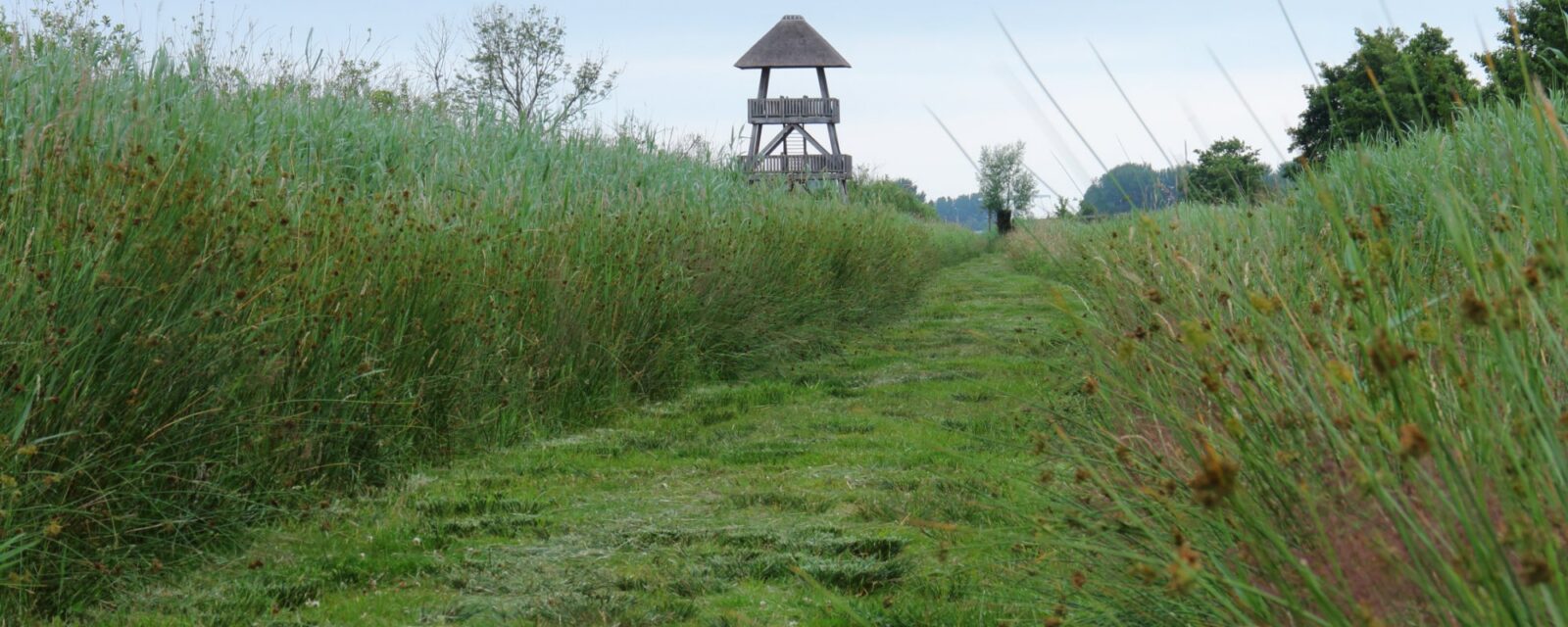
 📷 Dominicus Johannes Bergsma (Wikimedia Commons), CC BY-SA 3.0
Nationaal Park De Alde Feanen: where to see wildlife
April to October, with late spring as the high point: that is when the bitterns boom, the Purple Herons breed and the marsh birds are at their loudest. In winter there are large numbers of geese. From 15 March to 15 July inclusive parts of the area are closed for the breeding season. Lowland peat marsh
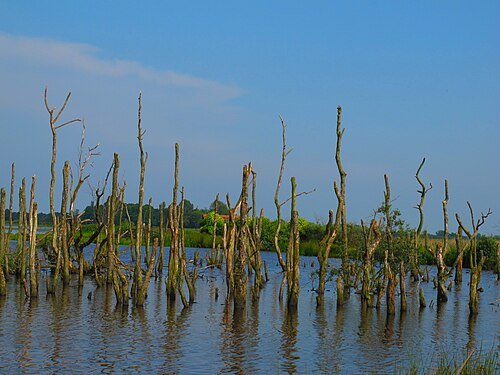
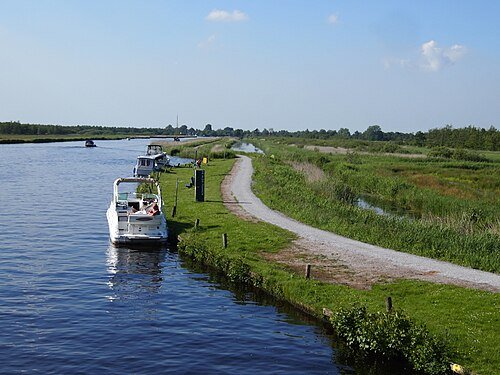
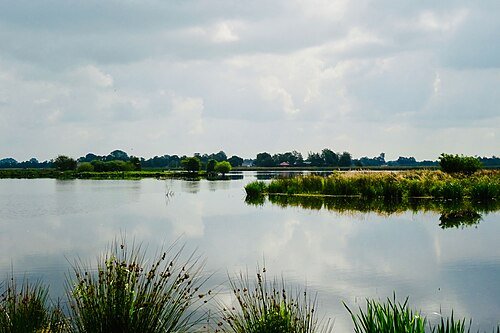
Nationaal Park De Alde Feanen — A Frisian lowland peat marsh best explored from the water. By canoe or whisper boat you reach places that cannot be got to from the bank — and without the disturbance an engine brings with it. Mainly here: Otter, Eurasian Bittern, Purple Heron, geese. Best period: April to October, with late spring as the high point: that is when the bitterns boom, the Purple Herons breed and the marsh birds are at their loudest. In winter there are large numbers of geese. From 15 March to 15 July inclusive parts of the area are closed for the breeding season.
Which animals will you see here?
The species at the top are the ones with a peak month in November.
🦅 Barnacle Goose
Good chance in seasonverified🦅 Greater White-fronted Goose
Good chance in seasonverified🦅 Bearded Reedling
Good chance in seasonchance per source🦅 Common Snipe
With luckchance per source🦅 White-tailed Eagle
With luckchance per source🦅 Great Cormorant
Good chancechance per source🦅 Grey Heron
Good chancechance per source🦌 Pine marten
Rarechance per source🦫 Eurasian otter
Rarechance per source🦅 Bluethroat
Good chance in seasonverified🦅 Black-tailed Godwit
Good chance in seasonverified🦅 Marsh Harrier
With luckchance per sourceAn assessed chance for 6 more species
🦅 Eurasian Spoonbill
With luckchance per source🦅 Purple Heron
With luckchance per source🦌 Roe deer
With luckchance per source🦅 Eurasian Bittern
With luckchance per source🐟 Northern pike
With luckchance per source🦅 Black Tern
With luckchance per sourceThese species have an assessed chance with a source behind it. The list comes from the same database as the species pages.
Also reported present in this area (116 species) presence reported
These species are known to occur here (NDFF), but nothing has been recorded yet about your chance of seeing them.
Amphibian (4)
Dragonfly (22)
Spider (2)
Grasshopper (3)
Fish (7)
Butterfly (18)
Bird (35)
Mammal (land) (18)
Mammal (land/water) (2)
Mammal (bat) (5)
Walking routes
Jan Durkspolder
📍 Start point on the map 🧭 Directions to the start (Google Maps)
Fjirtich-Mêd
📍 Start point on the map 🧭 Directions to the start (Google Maps)
It Eilân
📍 Start point on the map 🧭 Directions to the start (Google Maps)
Hides and viewpoints
🔭 Bird hide Jan Durkspolder
🔭 Viewing tower Romsicht
🔭 Bird hide Lytse Mear / Westersanning
🔭 Bird hide Reid om e Krite
🔭 Viewing tower Earnesleat
🔭 Bird hide Wikelslan / Earnesleat
🔭 Bird hide Saiterpetten
🔭 Bird hide De Wyldlannen
🔭 Bird hide Grutte Krite (de Ielgoes)
Practical information
- Access: It Fryske Gea publishes no fixed time window; you visit the area by day. The area is partly step-free; the path to the bird hide in the Jan Durkspolder is semi-paved, with a raised, wheelchair-accessible hide. From 15 March to 15 July inclusive (the breeding season) parts are closed.
- Parking: Park in Earnewâld, at the information point (Wiidswei 32) and at the moorings for canoes and the whisper boat.
- Dogs: Allowed on a lead.
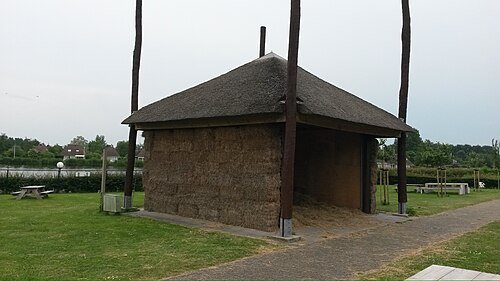
- Facilities: Canoe, whisper-boat and excursion trips (among them the solar-powered boat of It Fryske Gea), seven bird hides, two viewing towers and an information point in Earnewâld (Wiidswei 32).
🌿 Rules in this area
It Fryske Gea sets its own rules here. Stay on the paths, respect refuges and closures, keep dogs on a lead where that applies, and do not fly a drone — they are banned in almost every Dutch nature reserve.
Status: Verified · Last checked: 2026-07-31
Photo: Dominicus Johannes Bergsma (Wikimedia Commons), CC BY-SA 3.0