
Wild animals are not equally visible all year. This calendar shows, month by month, which species are worth going out for in the Netherlands, in order of how good your chances are.
Wildlife calendar
What can you see in September?
Wild animals are not equally visible all year. This calendar shows, month by month, which species are actually worth going out for.
September
83 speciesIn order of how good your chances are.
September is the month the season tips over and is immediately at its most spectacular. The rut begins, the migration gets going, the first acorns fall and the owls start calling again. There is no month in which so much begins at once, and no month in which a single evening in the field can produce so much.
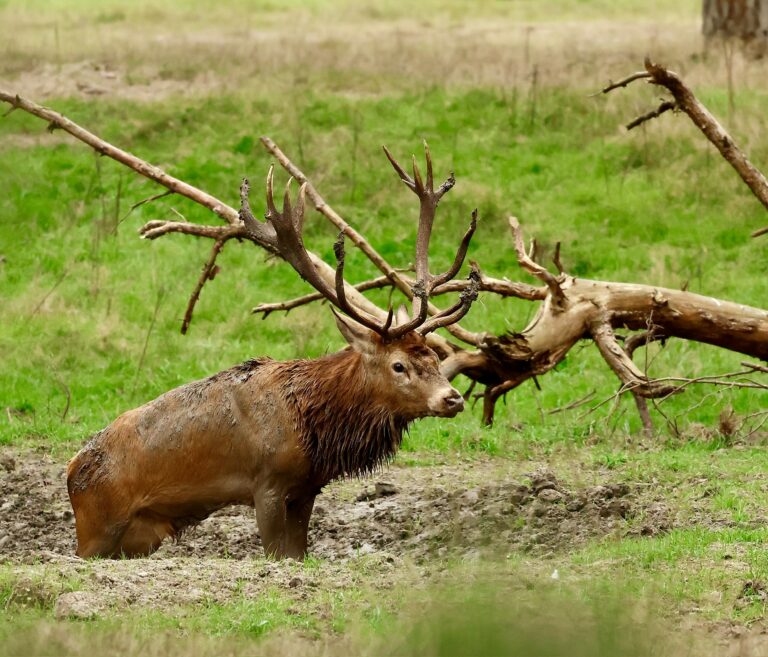
The red deer rut
From mid-September to early October the red deer roars: a deep, far-carrying bellow by which you hear them before you see them, especially at dusk and at night. It is the loudest natural sound in the Netherlands and the only one that gets people with no other interest in nature out of bed. Where to stand and how to go about it without driving the animals off is in the article on seeing red deer during the rut. For the fallow deer the same thing only starts a few weeks later, in October.
The migration gets going
September is the great passage month for songbirds: masses pass over at night, and by day you see the groups dropping in on woodland edges and in scrub. Exactly what comes over, when, and where best to stand is in bird migration in September. At the end of the month the starling murmurations begin too: from late September starlings turn above their roosts, for an average of twenty-six minutes, usually above reed.
The first acorns fall
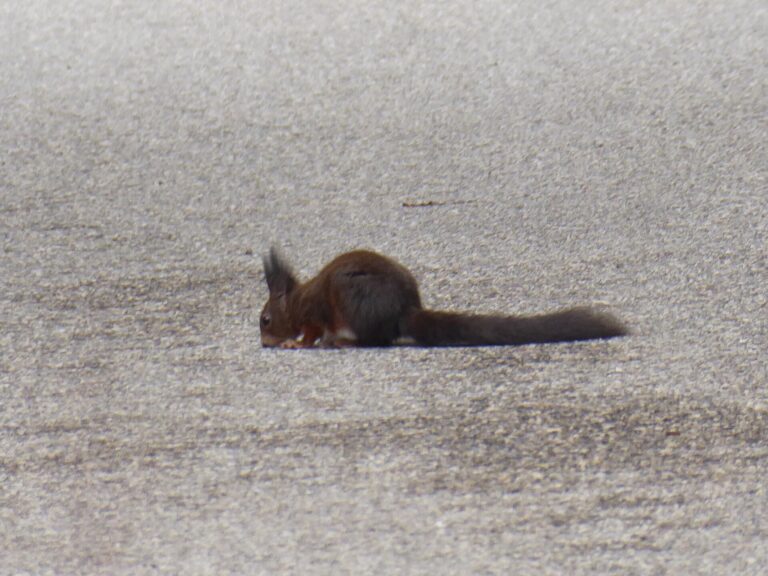
What comes out of the trees in September determines the rest of the year. The Eurasian Jay starts collecting in this very month — according to Vogelbescherming some five thousand acorns per bird per autumn — and the red squirrel is at its most active from September to November. How that works through into the mice and the owls of the following year is in the article on the mast year. After a warm summer the ground under the oaks can already be strewn by mid-September.
The owls start again
Just when most people think the owl season is over, it begins. The calling activity of owls is, according to eighteen years of daily observations in Limosa, highest from September to January and lowest from May to July. A windless September evening in old deciduous woodland is therefore the start of the best Tawny Owl season of the year.
And summer runs out
The Great Green Bush-cricket rattles on into October, the Scarlet Dragonfly and the Banded Demoiselle are flying their last weeks, and the viviparous lizard still lies out in sunny places until September. It is the last month in which you can have summer and autumn on the same day.
Where to go
For the rut, the Veluwe: Veluwezoom, De Hoge Veluwe or Planken Wambuis. Note: Kroondomein Het Loo closes on 15 September through 25 December. For migration, the coast and the ice-pushed ridges; for starling murmurations, the reed marsh of Weerribben-Wieden or the Oostvaardersplassen.
Practicalities
During the rut one rule counts above all others: keep to the paths and keep your distance. Roaring stags are unpredictable and a disturbed rutting ground stays disturbed for weeks. Beyond that it is getting noticeably darker earlier, ticks are active through October, and the evenings are turning cool enough to bring a coat. See responsible wildlife watching.
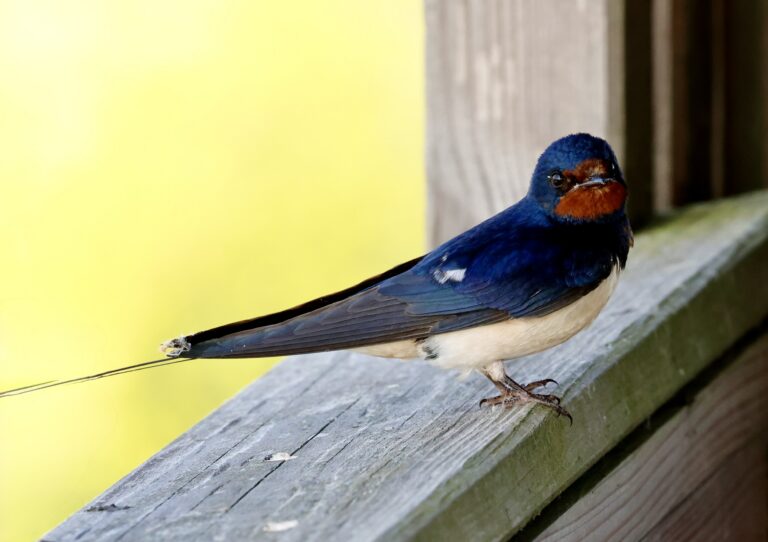 Easy
Barn Swallow
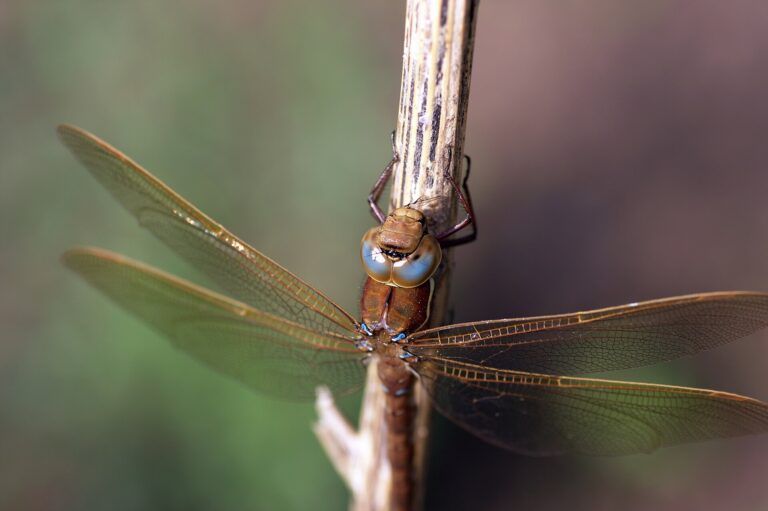 Easy
Brown Hawker
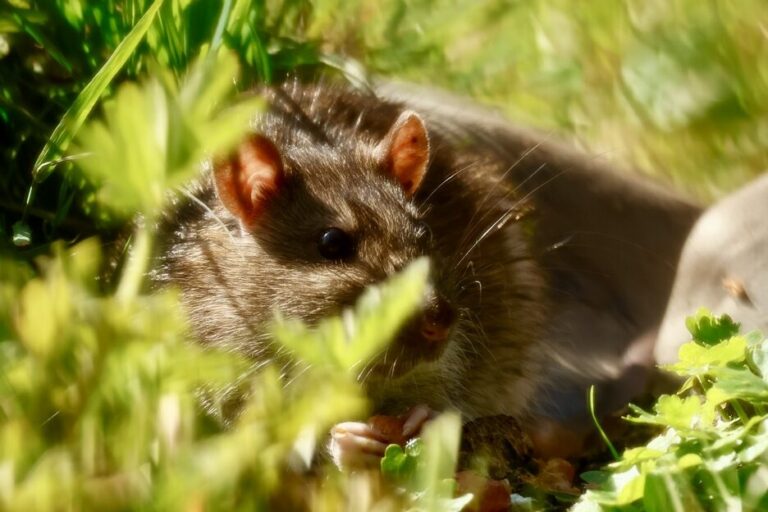 Easy
Brown rat
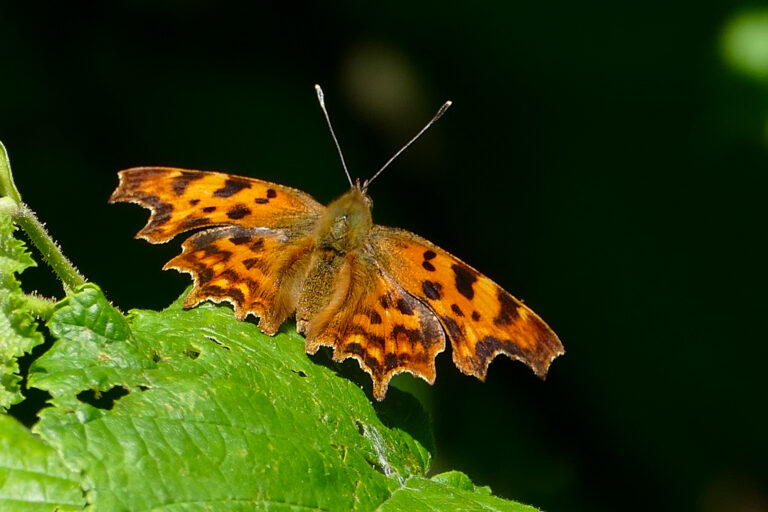 Easy
Comma
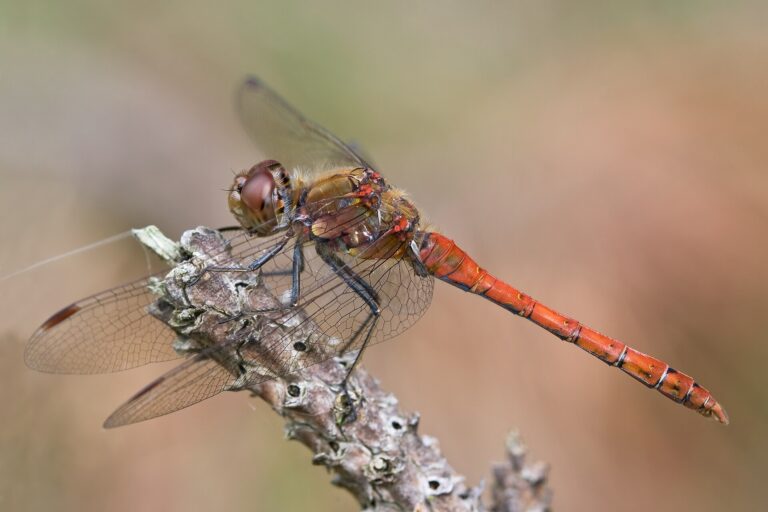 Easy
Common Darter
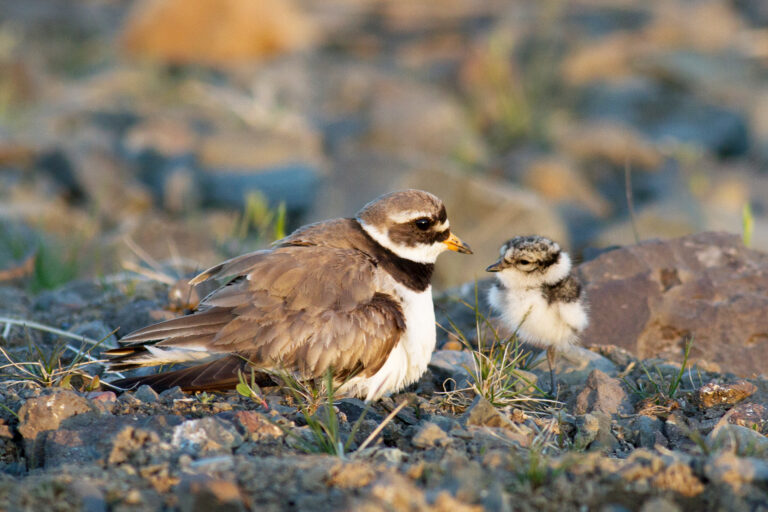 Easy
Common Ringed Plover
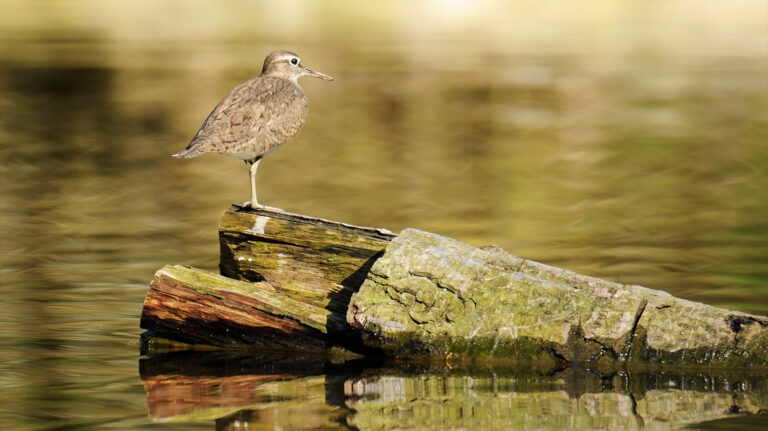 Easy
Common Sandpiper
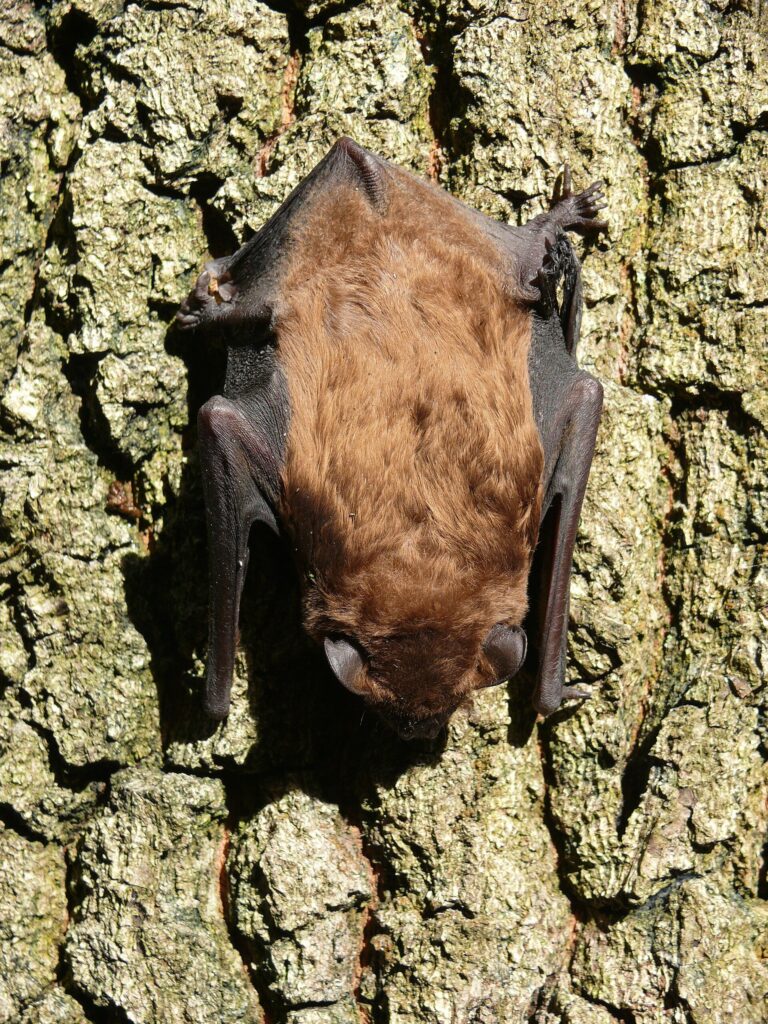 Easy
Common noctule
 Easy
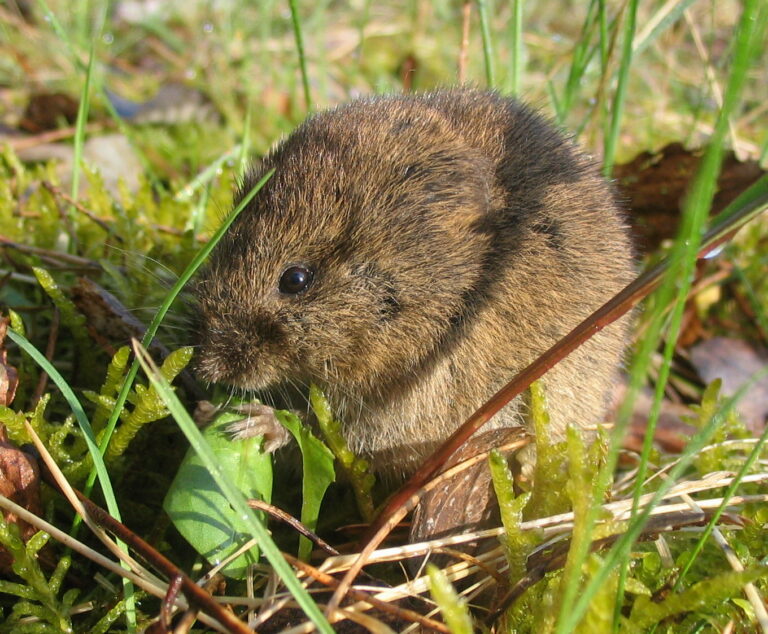
Common vole
 Easy
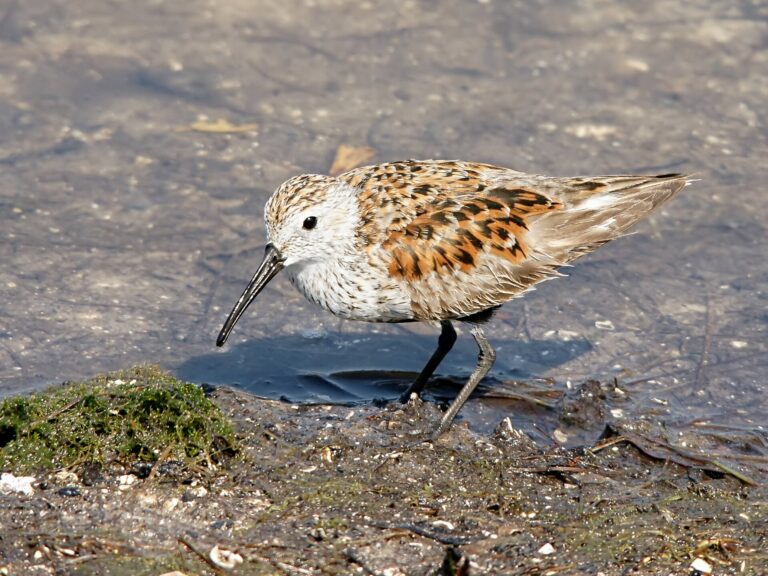
Dunlin
 Easy
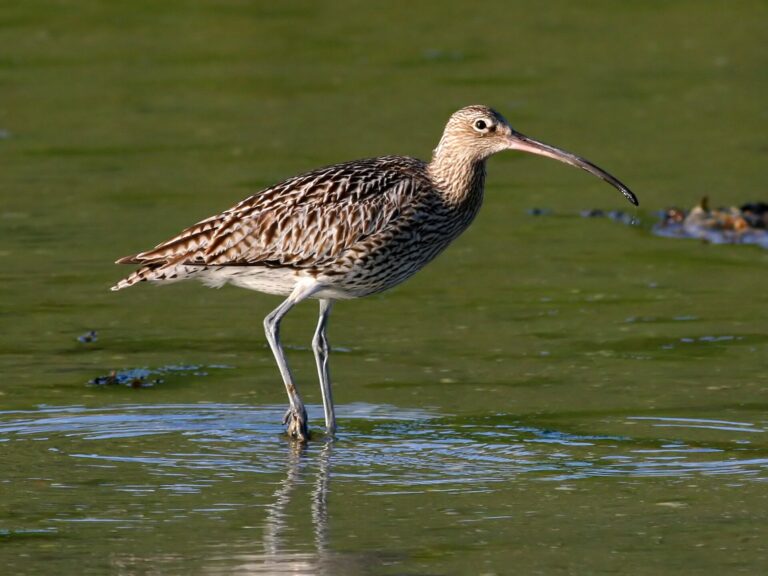
Eurasian Curlew
 Easy
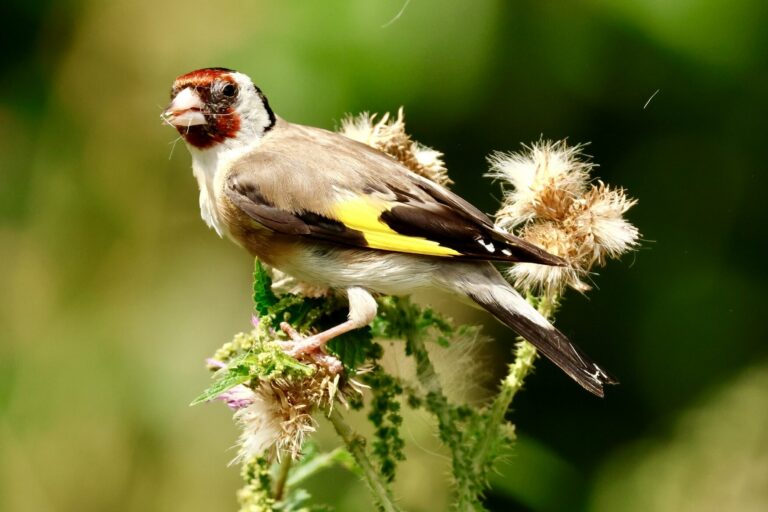
European Goldfinch
 Easy
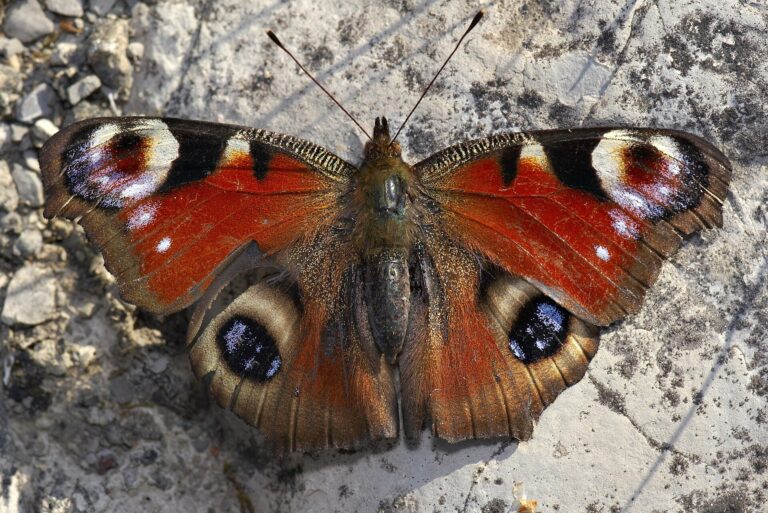
European Peacock
 Easy
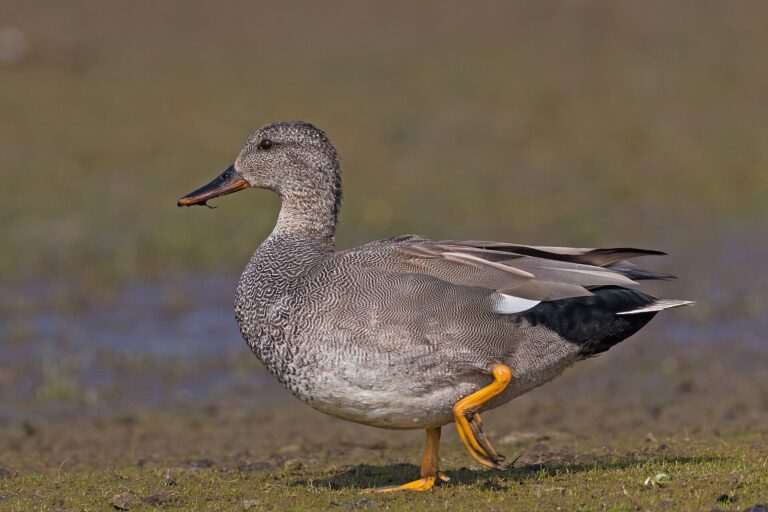
Gadwall
 Easy
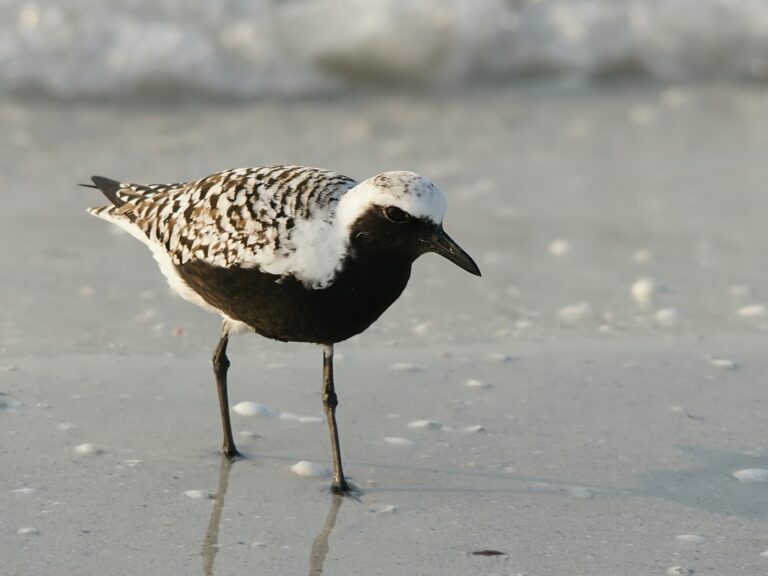
Grey Plover
 Easy
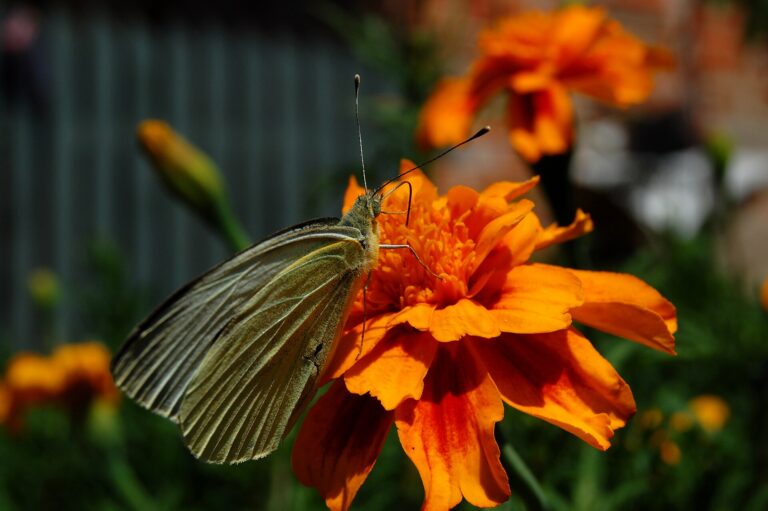
Large White
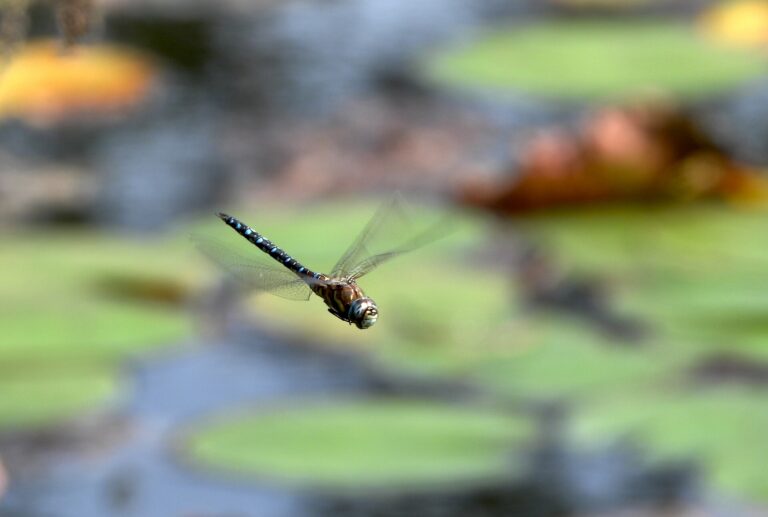 Easy
Migrant Hawker
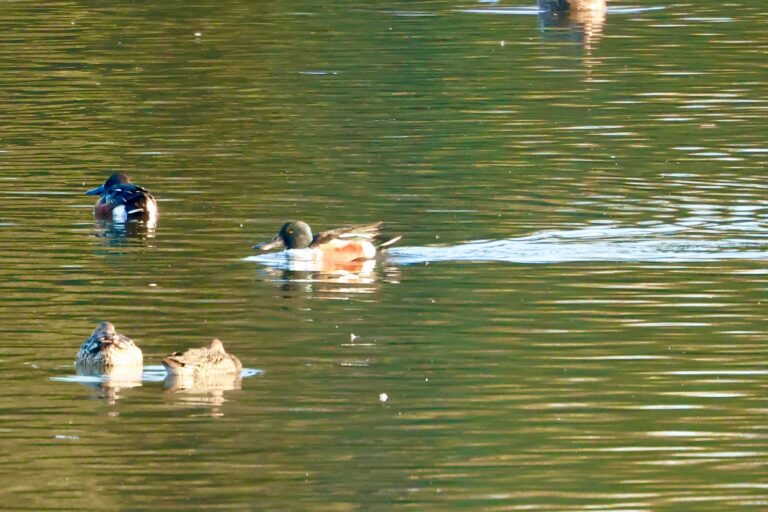 Easy
Northern Shoveler
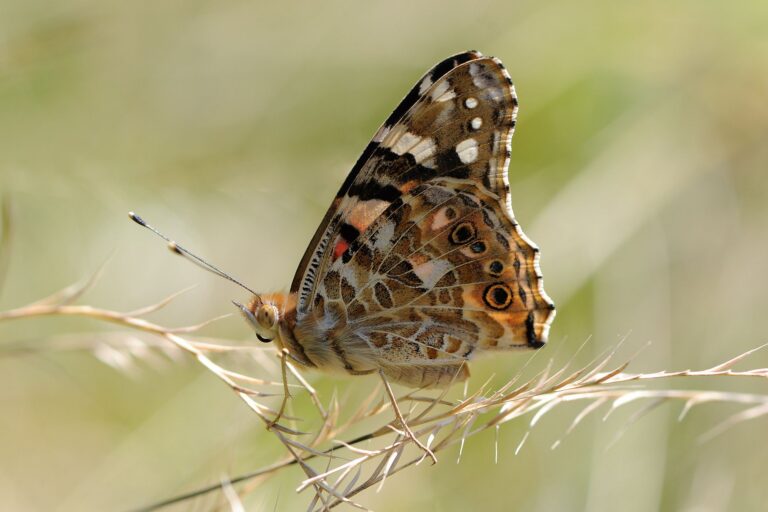 Easy
Painted Lady
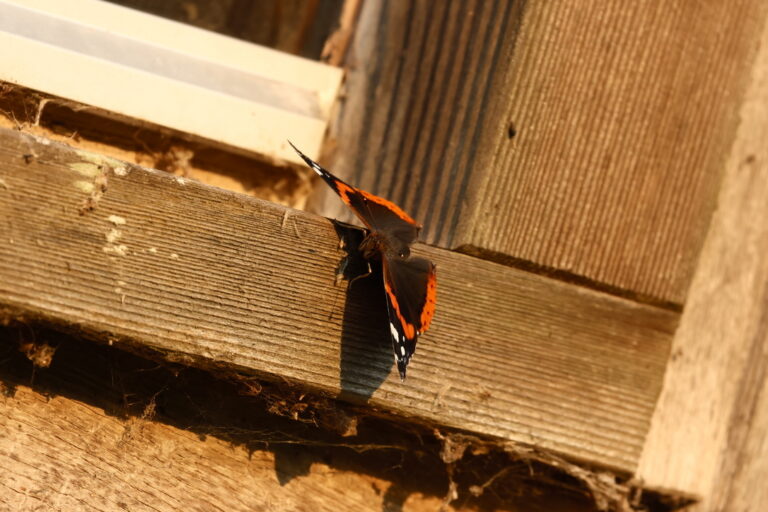 Easy
Red Admiral
 Easy
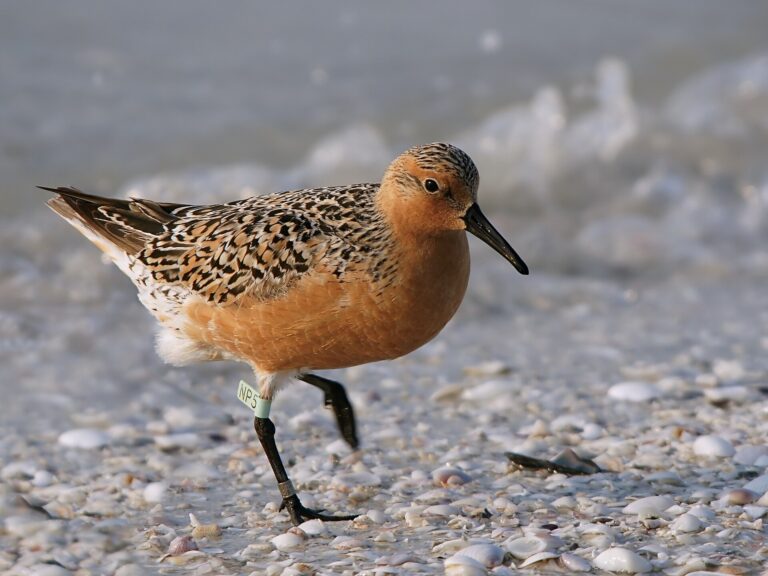
Red Knot
 Easy
Red deer
 Easy
Red squirrel
 Easy
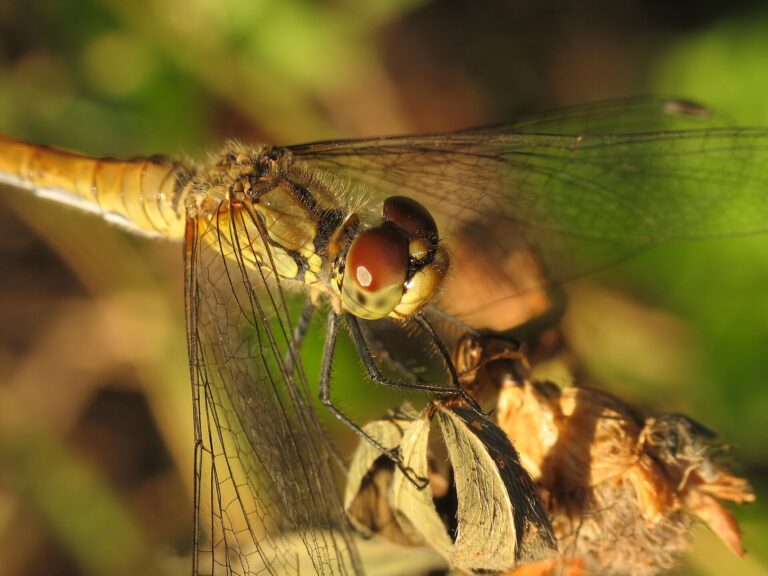
Ruddy Darter
 Easy
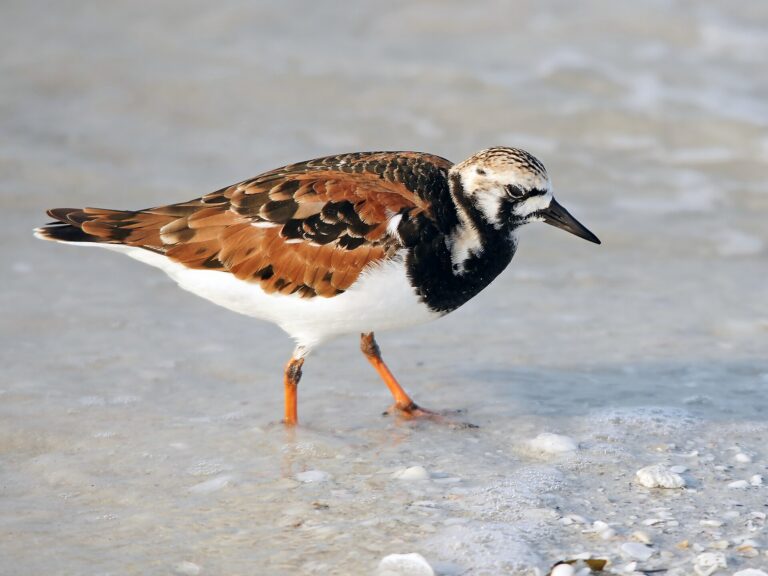
Ruddy Turnstone
 Easy
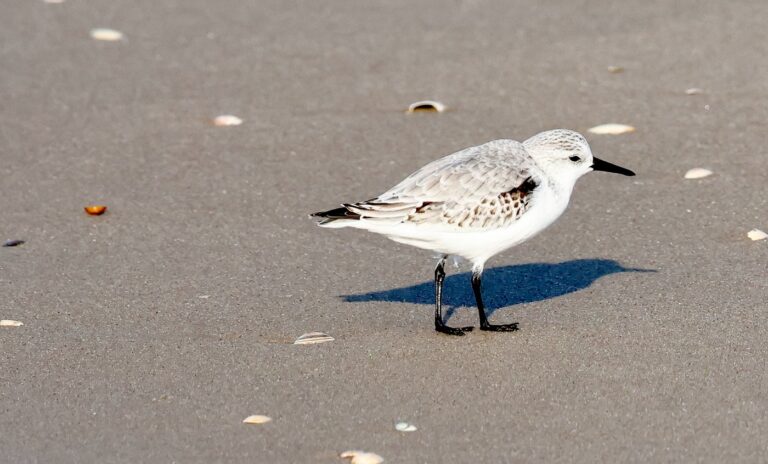
Sanderling
 Easy
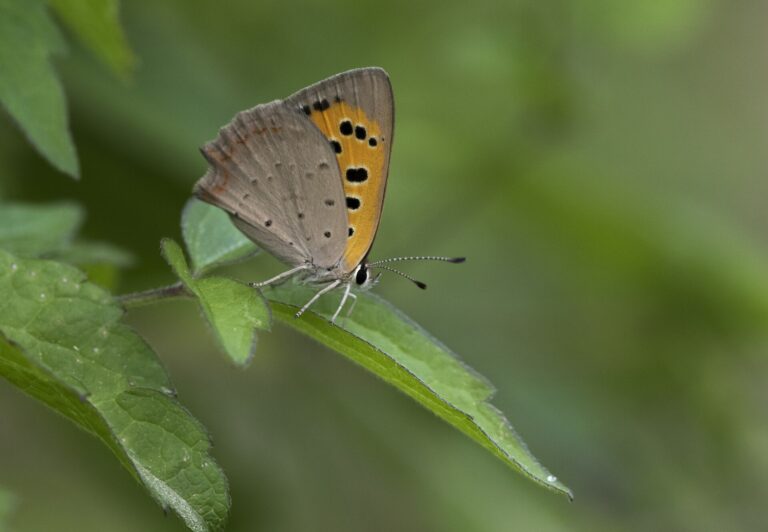
Small Copper
 Easy
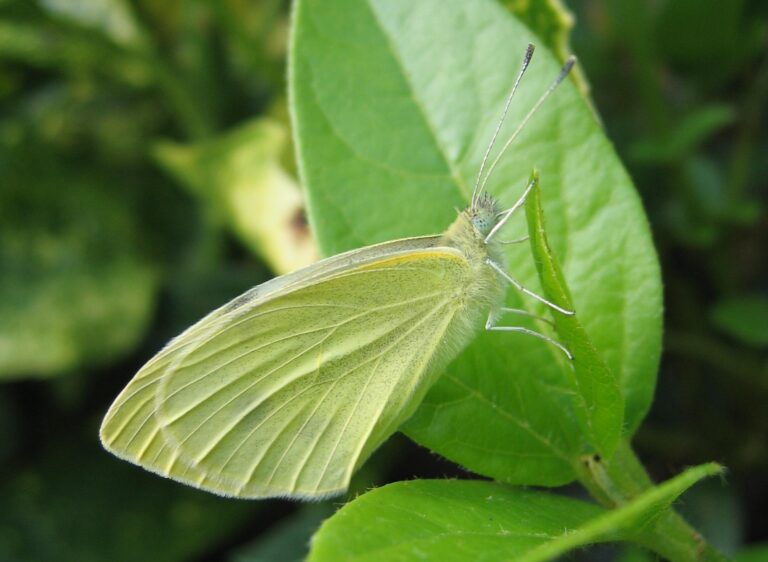
Small White
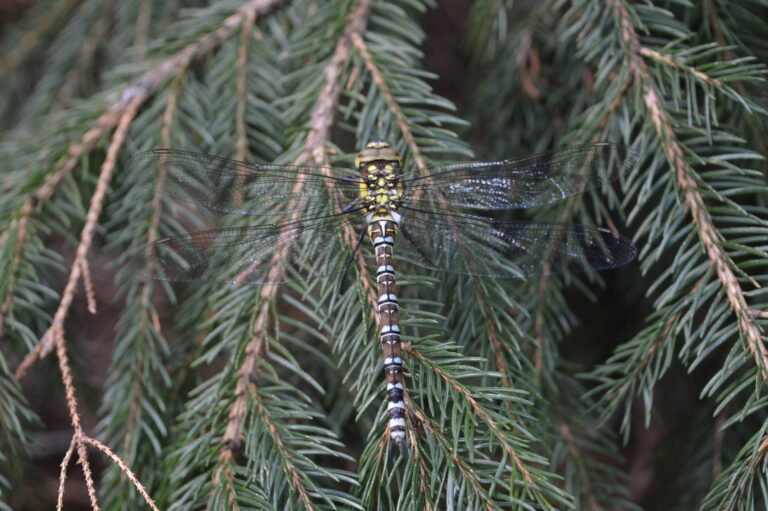 Easy
Southern Hawker
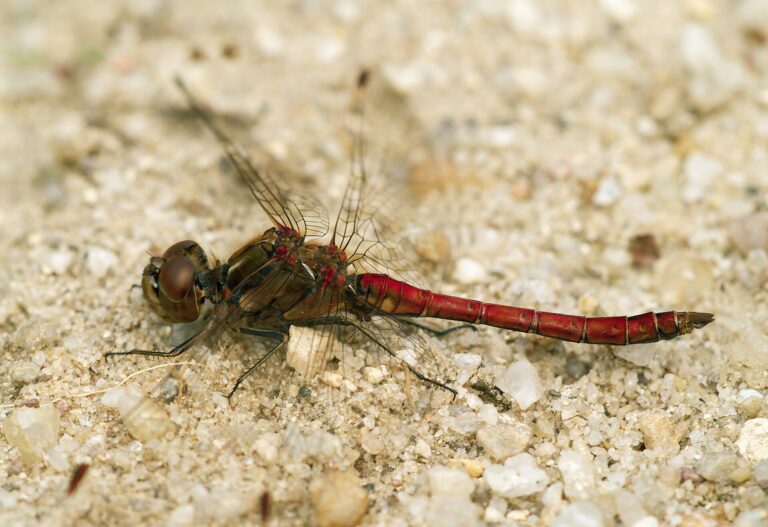 Easy
Vagrant Darter
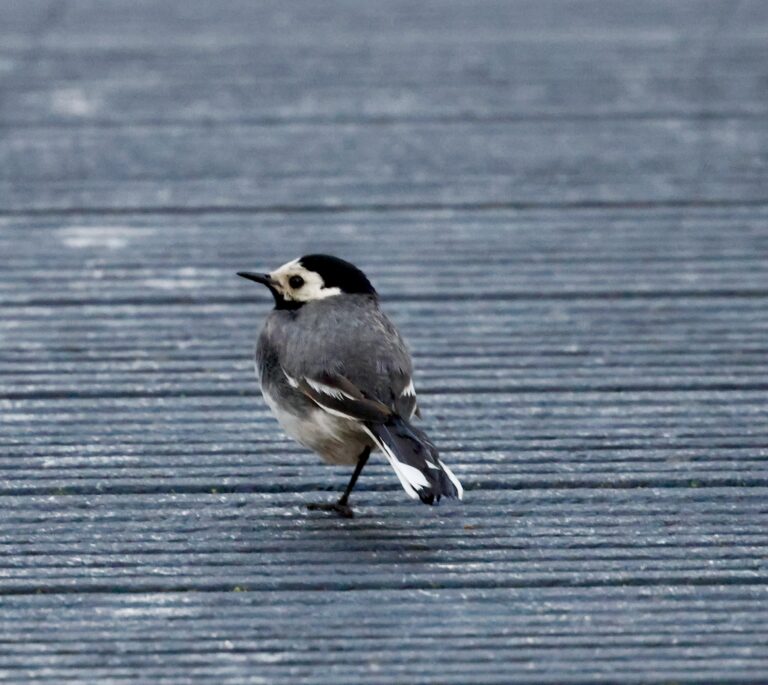 Easy
White Wagtail
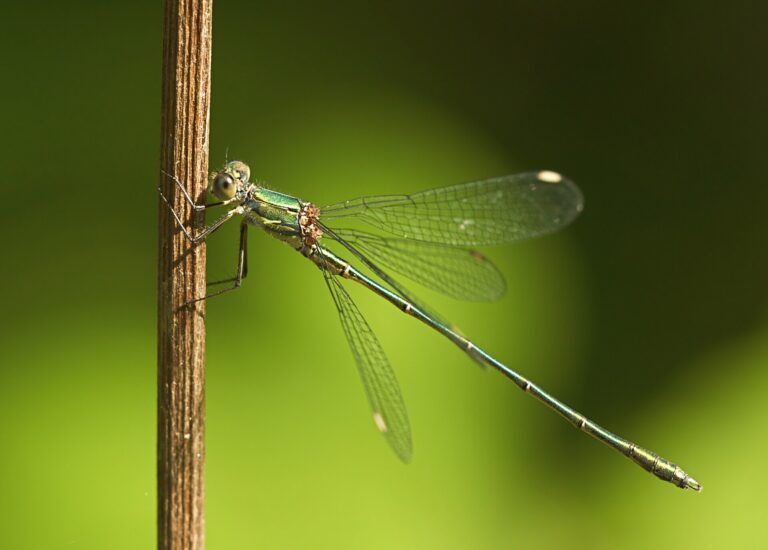 Easy
Willow Emerald Damselfly
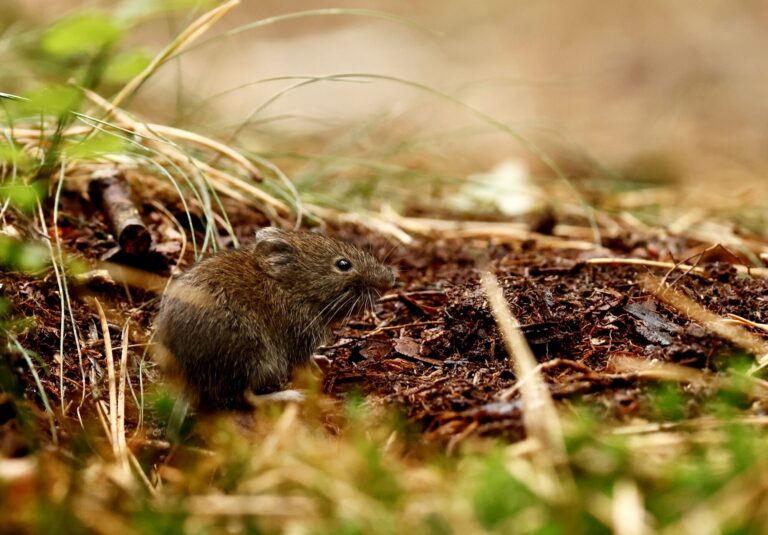 With luck
Bank vole
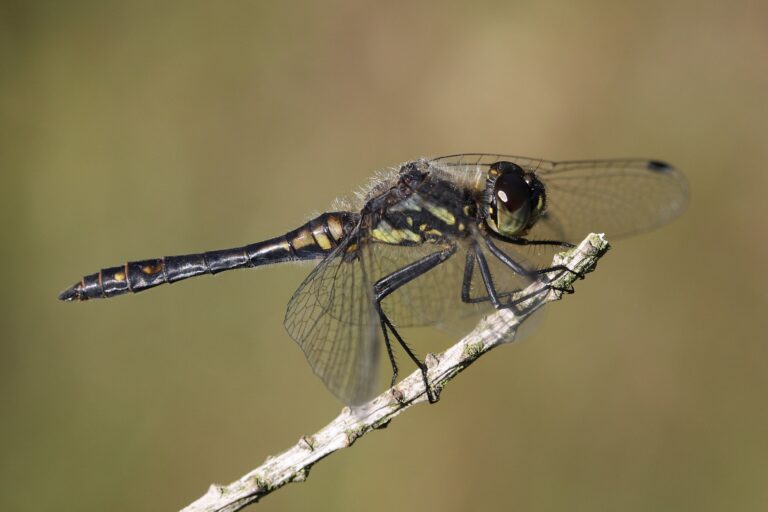 With luck
Black Darter
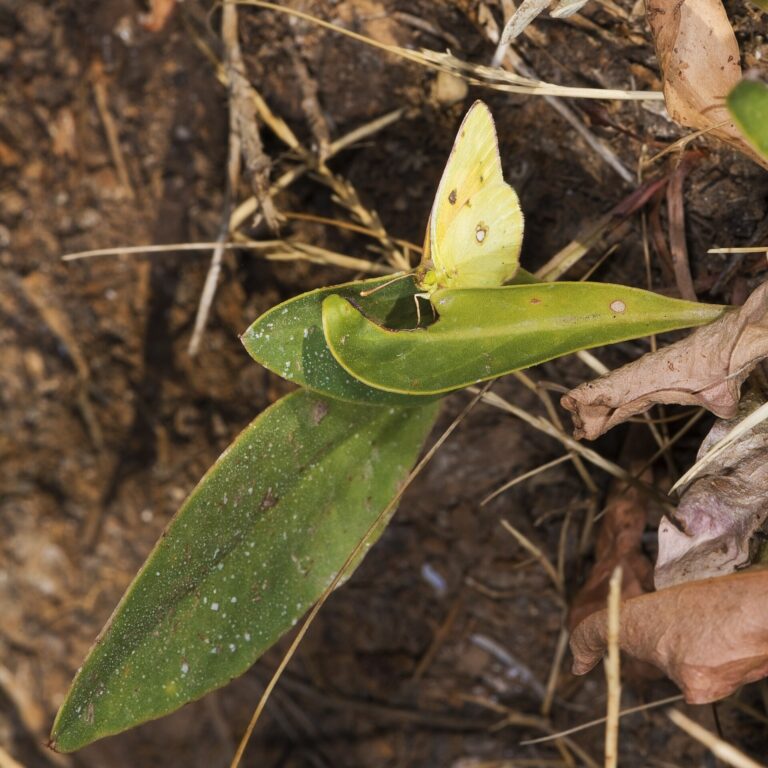 With luck
Clouded Yellow
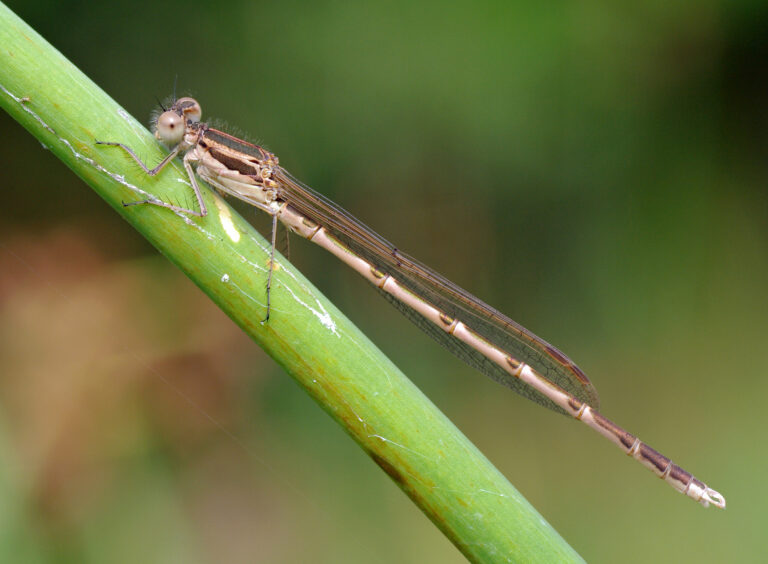 With luck
Common Winter Damselfly
 With luck
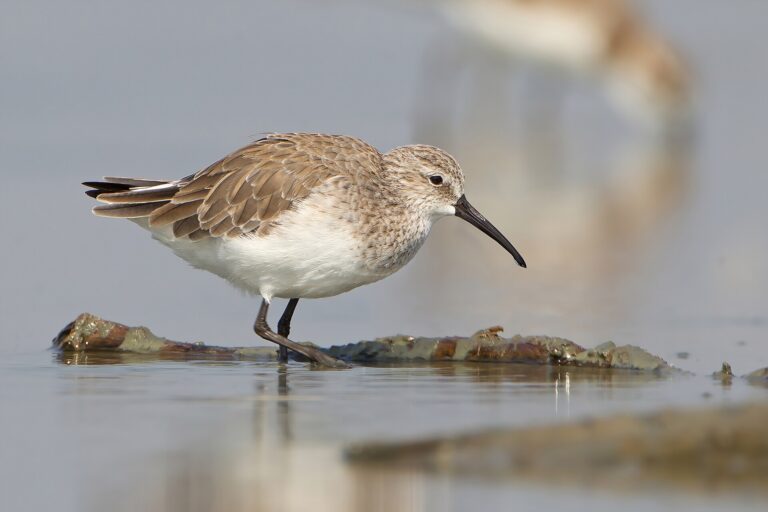
Curlew Sandpiper
 With luck
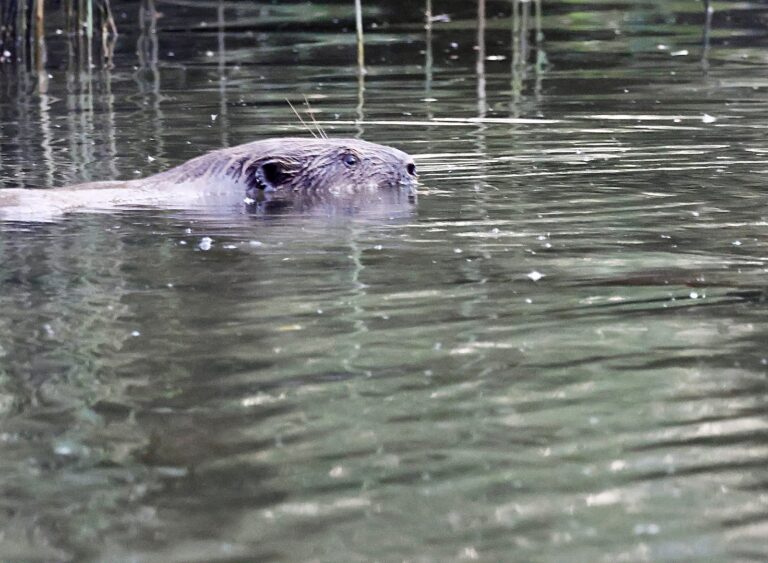
Eurasian beaver
 With luck
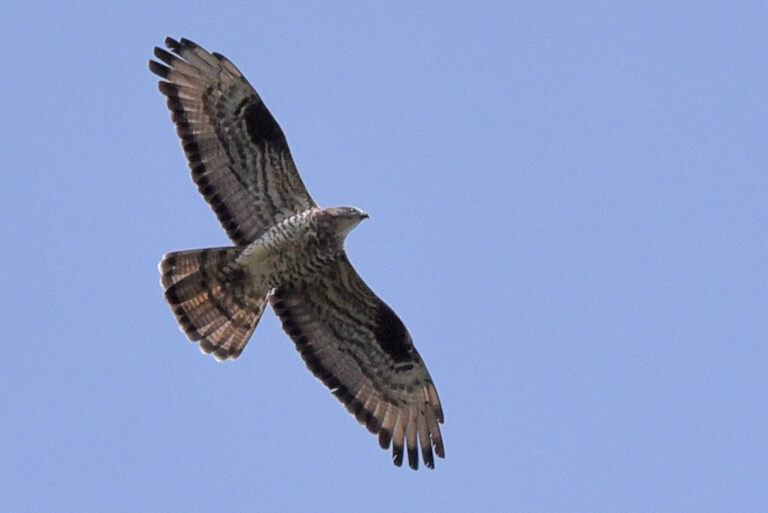
European Honey Buzzard
 With luck
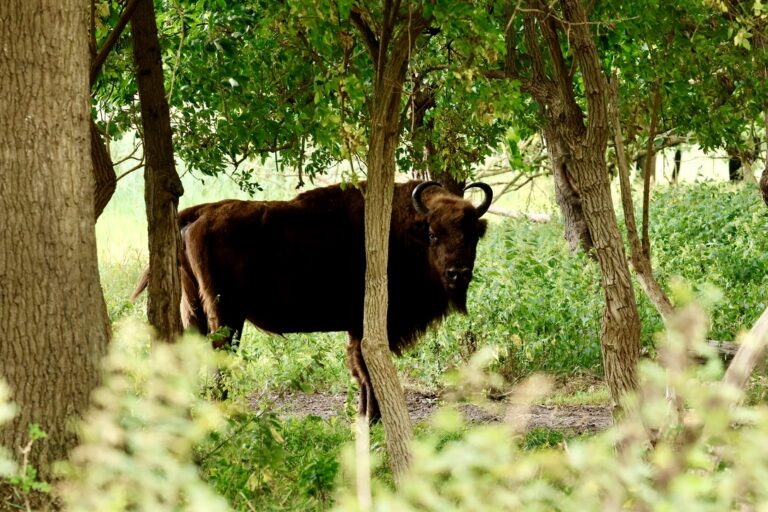
European bison
 With luck
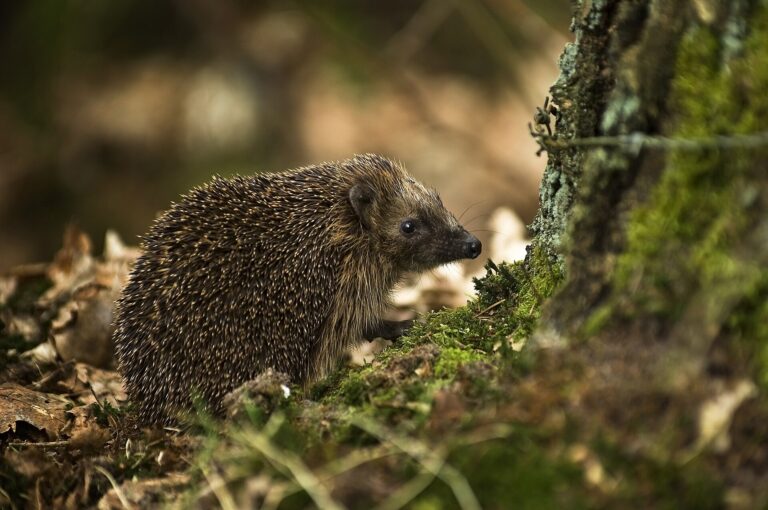
European hedgehog
 With luck
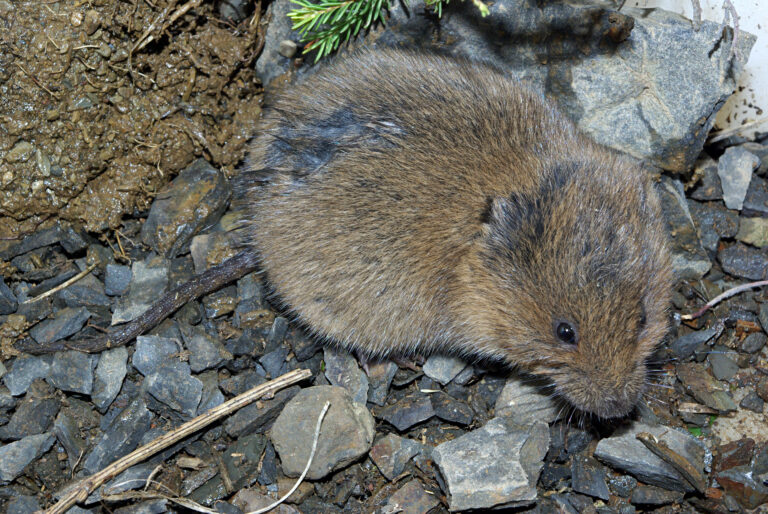
Field vole
 With luck
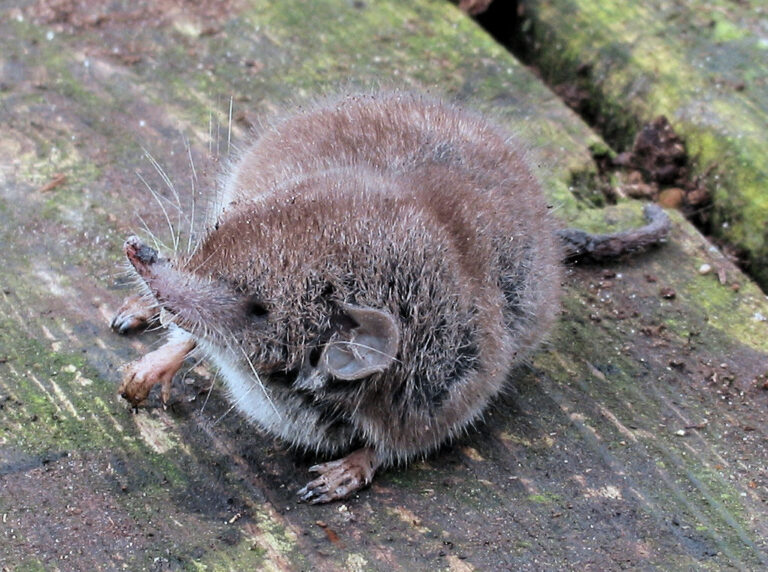
Greater white-toothed shrew
 With luck
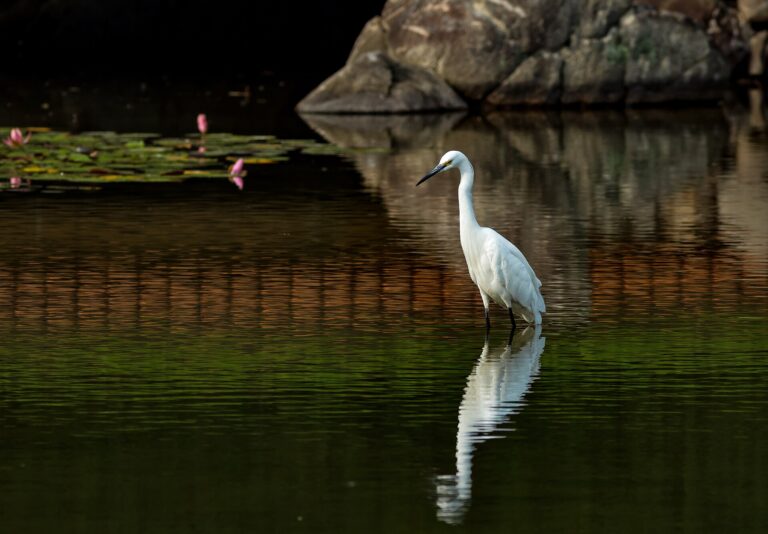
Little Egret
 With luck
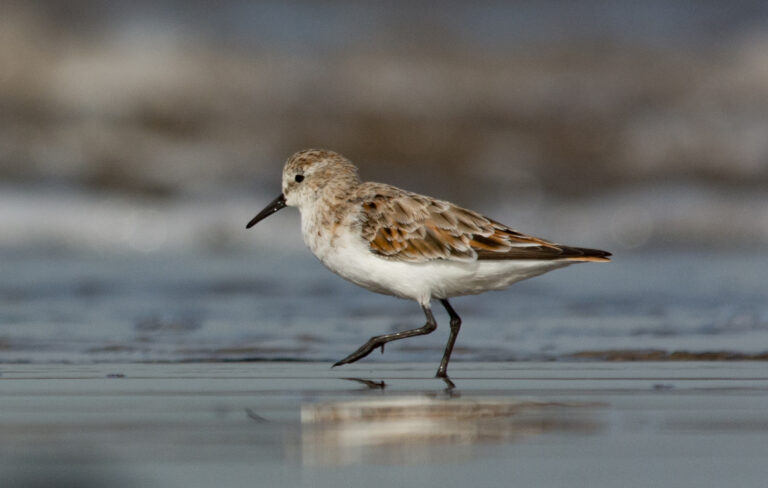
Little Stint
 With luck
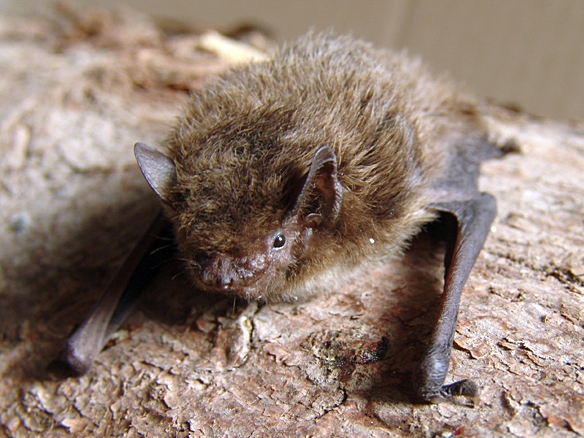
Nathusius' pipistrelle
 With luck
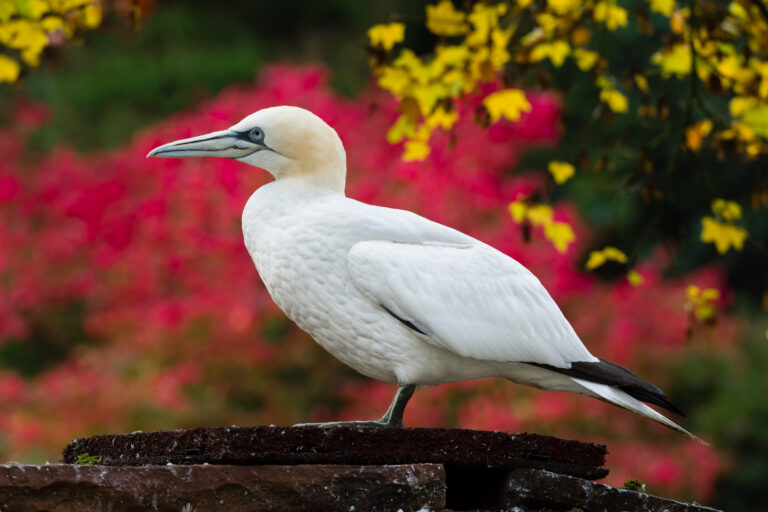
Northern Gannet
 With luck
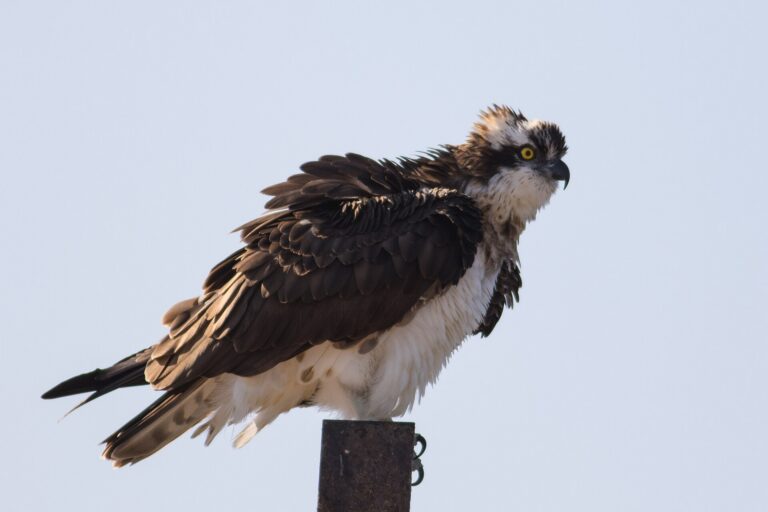
Osprey
 With luck
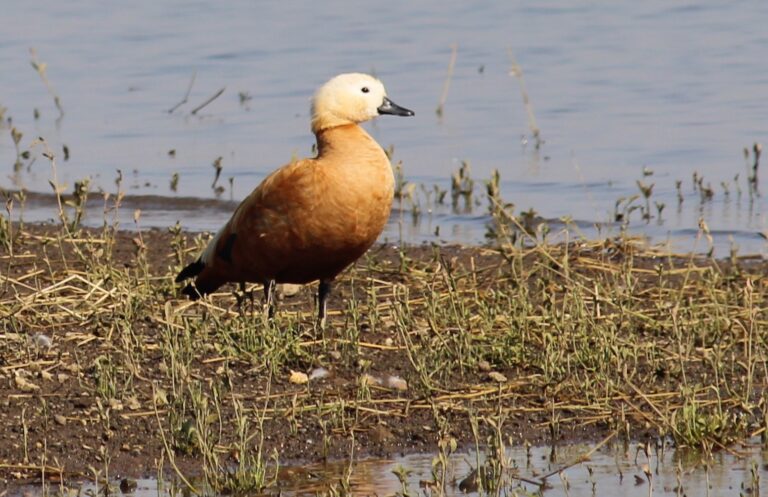
Ruddy Shelduck
 With luck
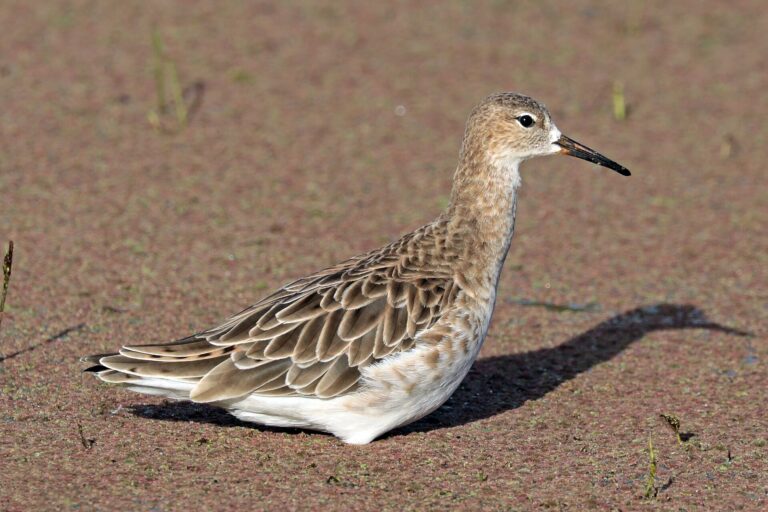
Ruff
 With luck
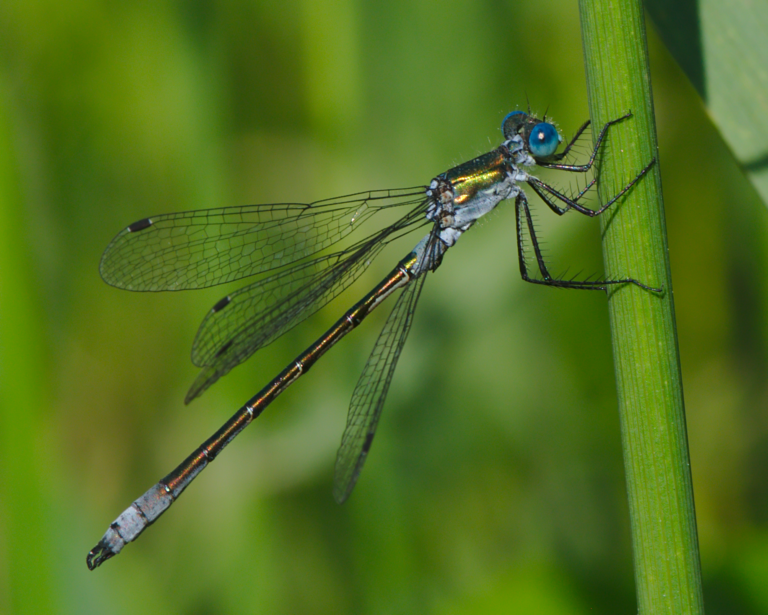
Small Emerald Damselfly
 With luck
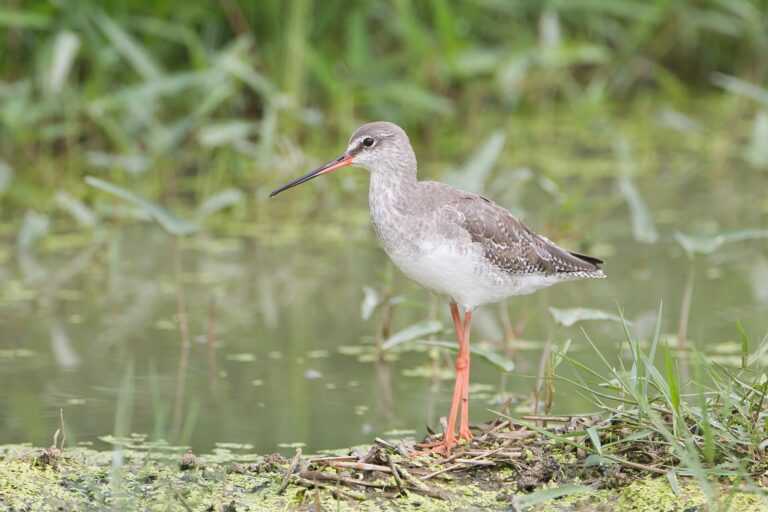
Spotted Redshank
 With luck
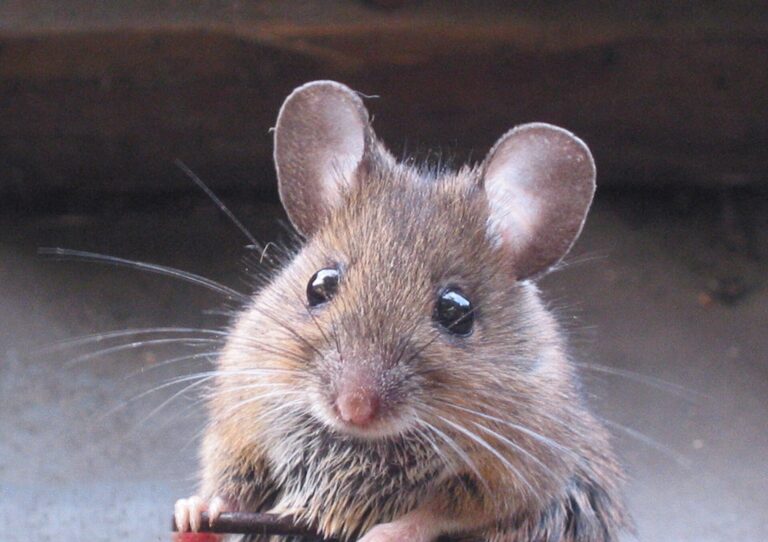
Wood mouse
 Rare
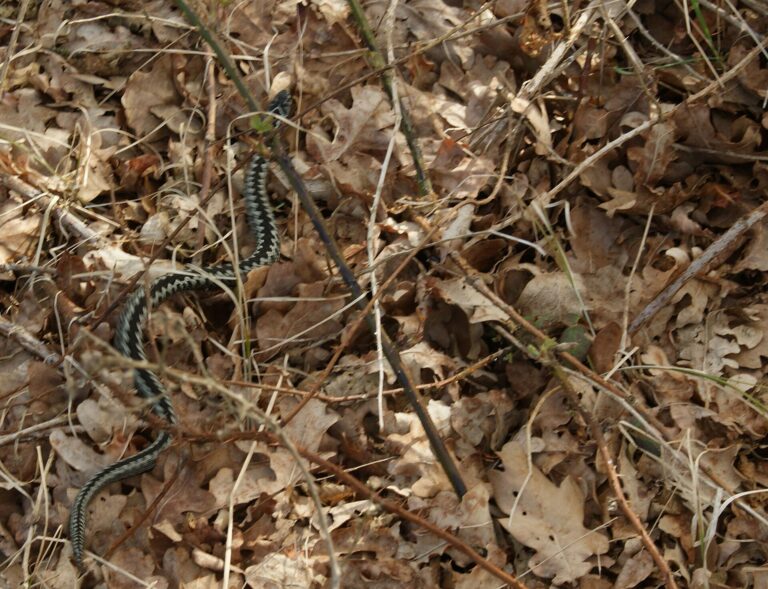
Adder / European viper
 Rare
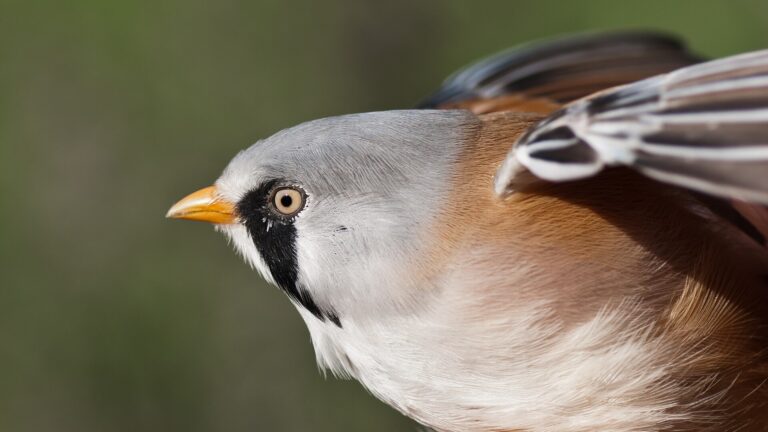
Bearded Reedling
 Rare
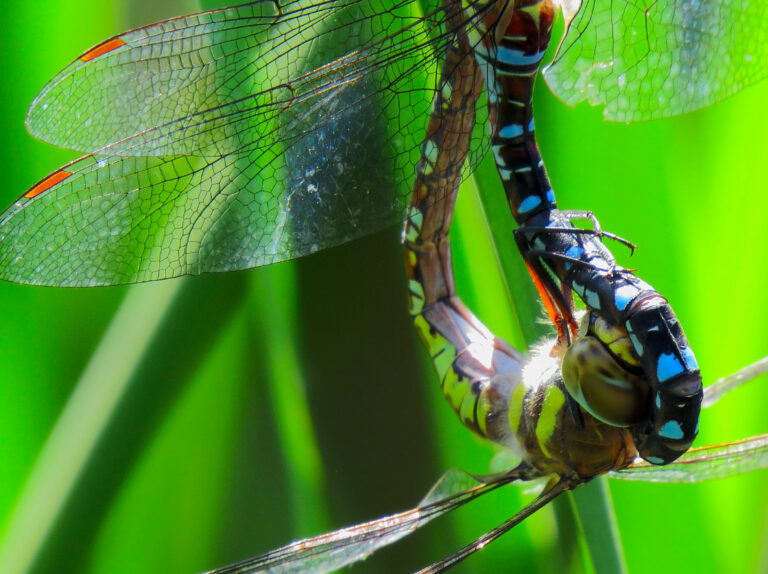
Common Hawker
 Rare
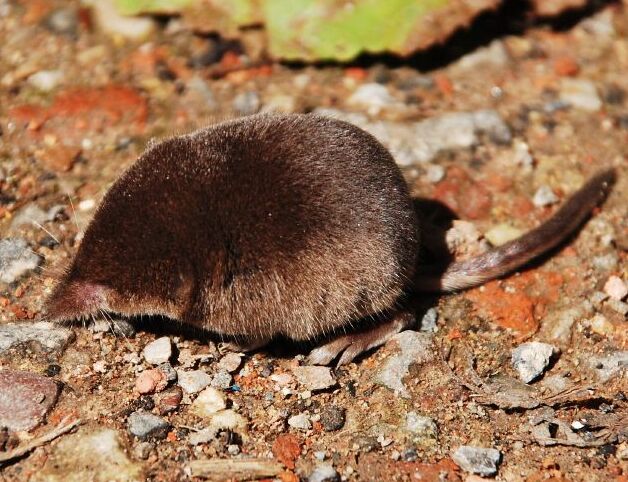
Eurasian pygmy shrew
 Rare
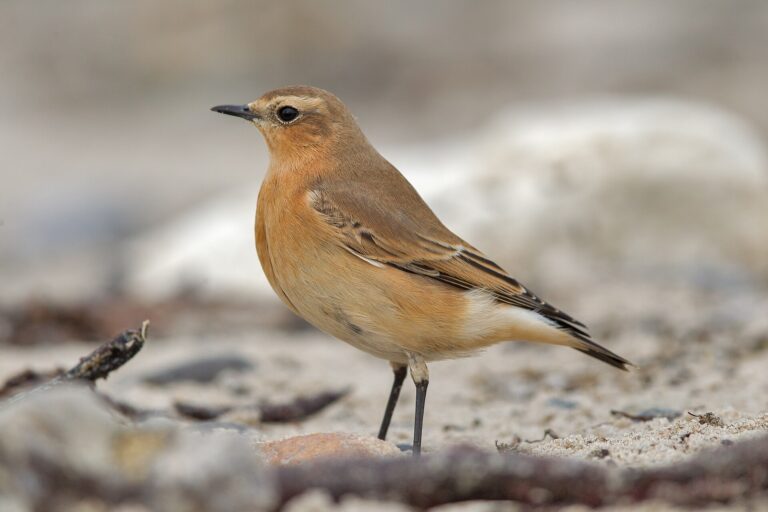
Northern Wheatear
 Rare
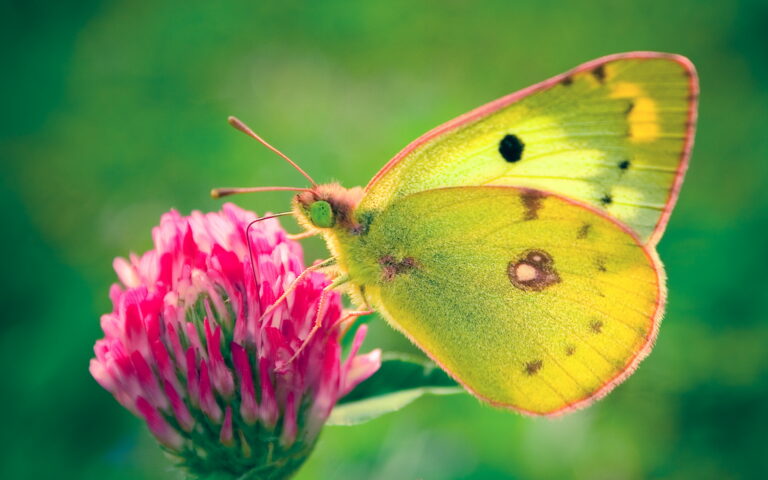
Pale Clouded Yellow
 Rare
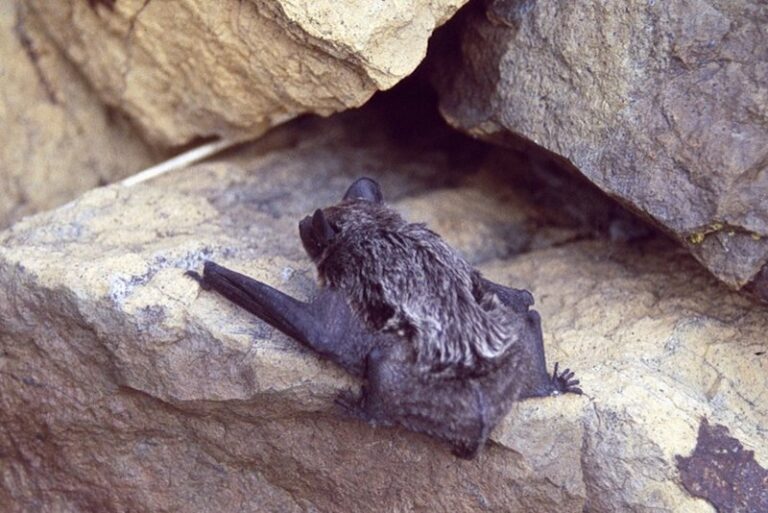
Parti-coloured bat
 Rare
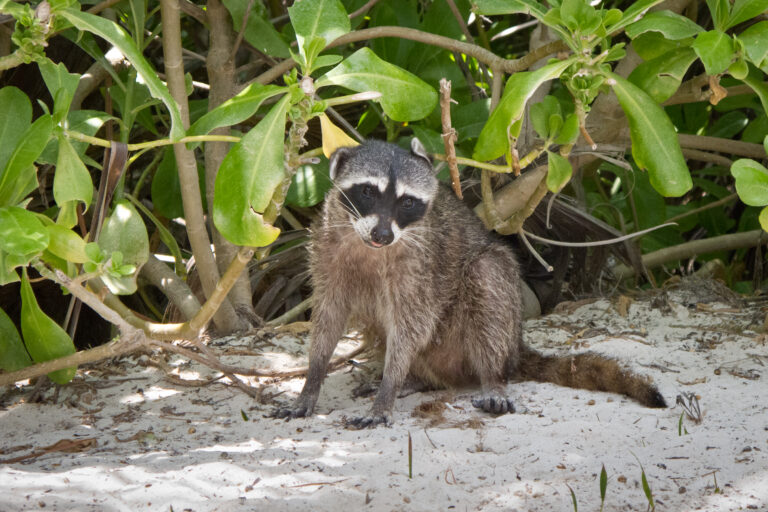
Raccoon
 Rare
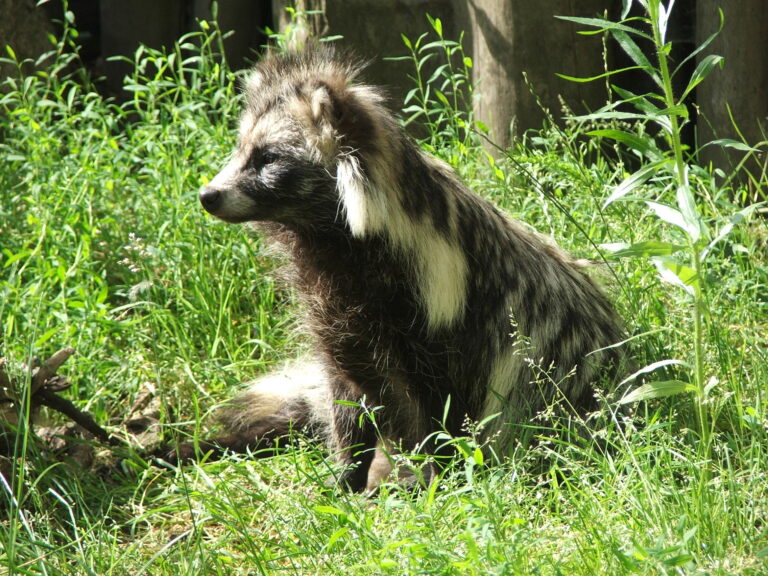
Raccoon dog
 Rare
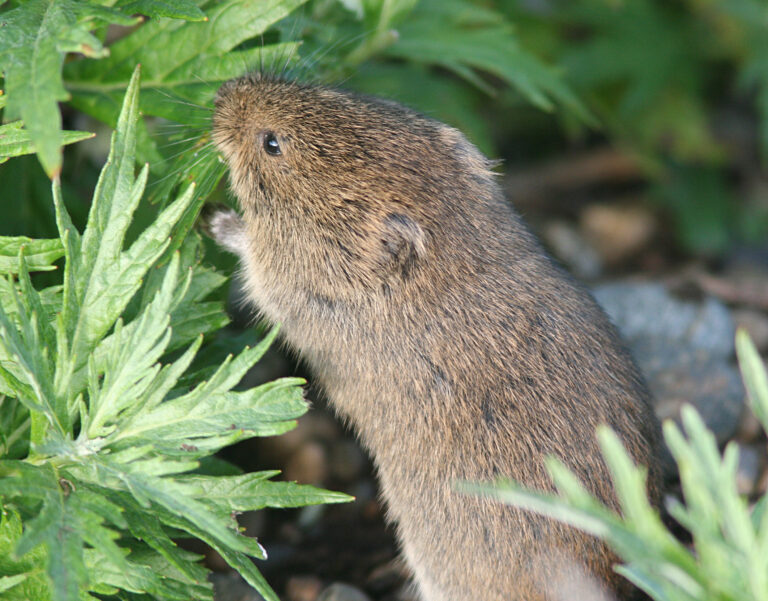
Root vole
 Rare
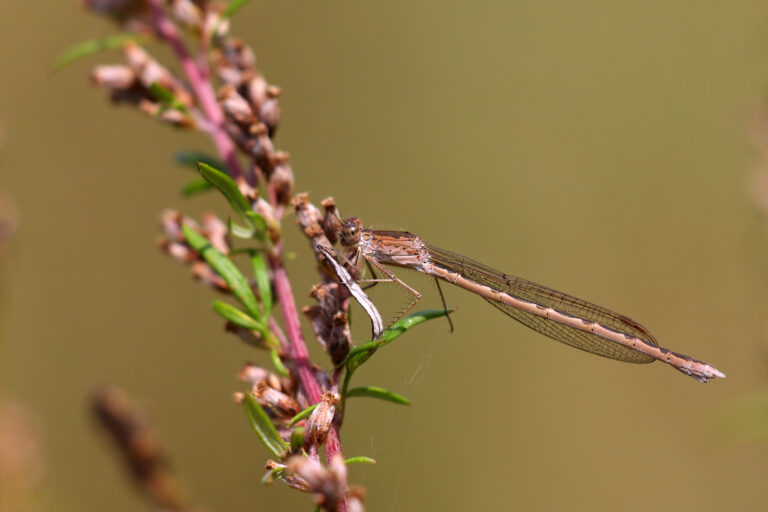
Siberian Winter Damsel
 Rare
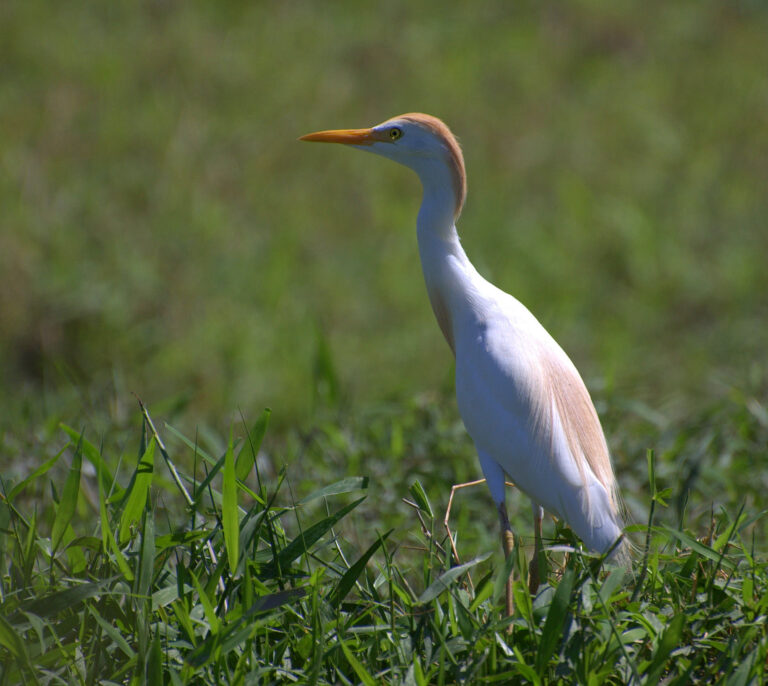
Western Cattle Egret
 Rare
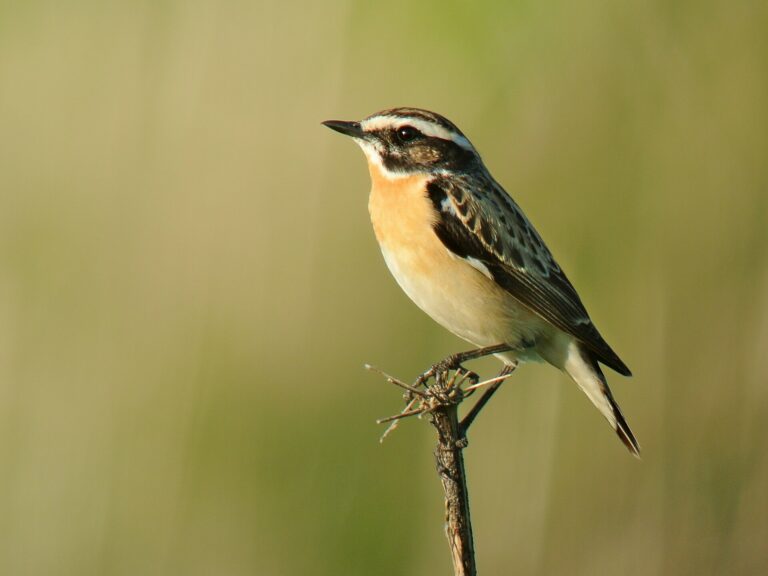
Whinchat
 Rare
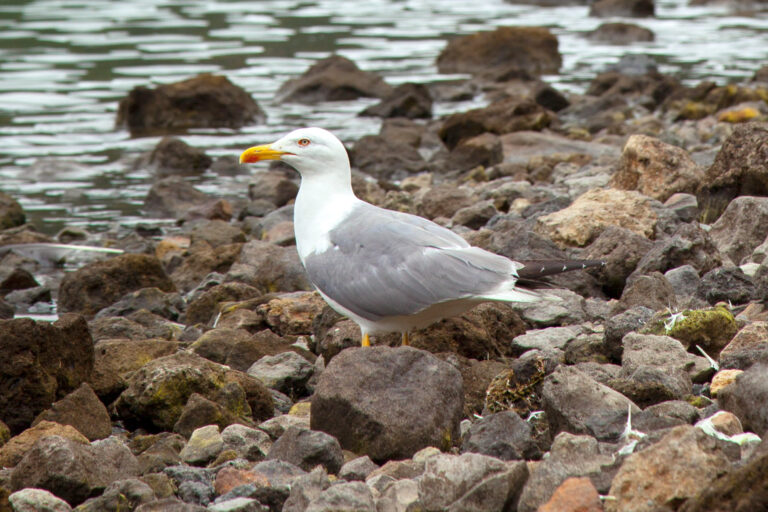
Yellow-legged Gull
 Rare
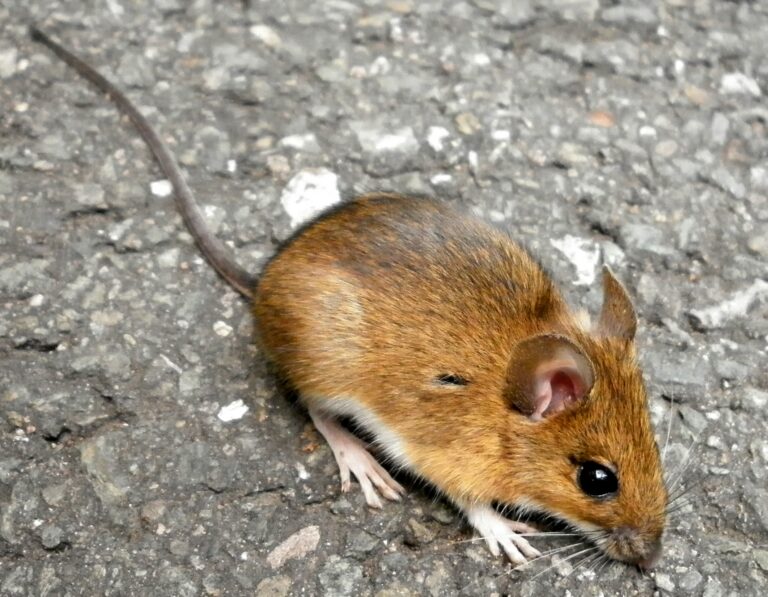
Yellow-necked mouse
 Very rare
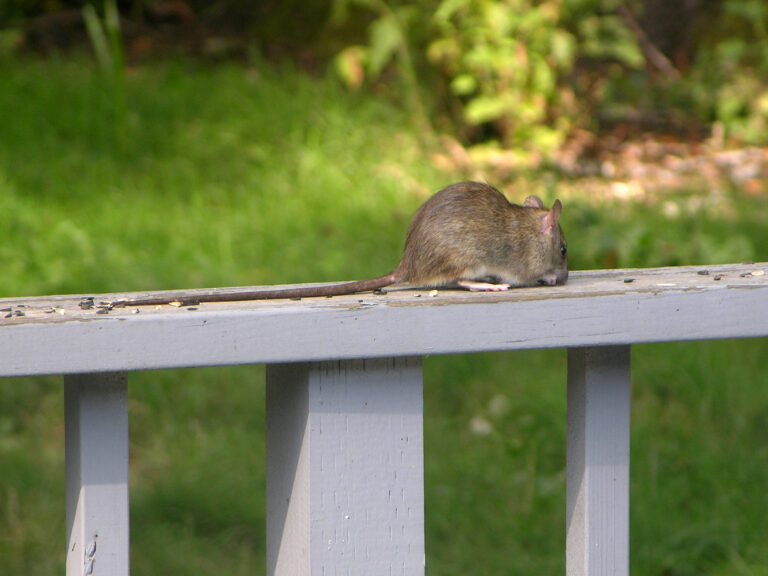
Black rat
 Very rare
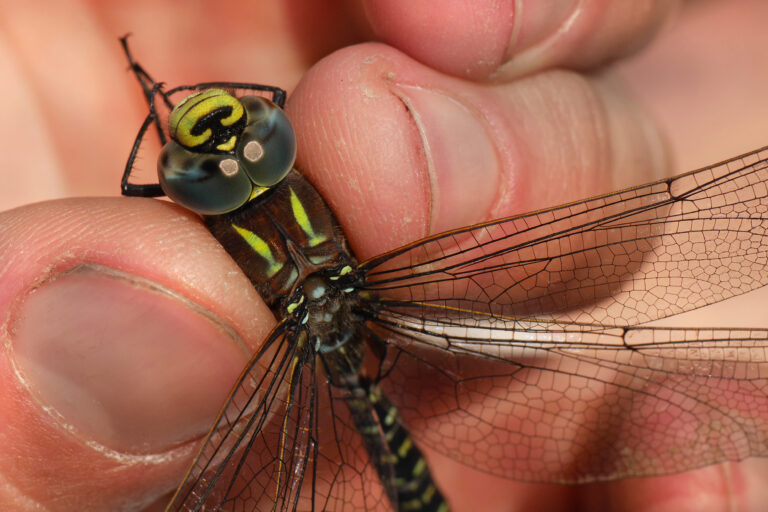
Bog Hawker
 Very rare
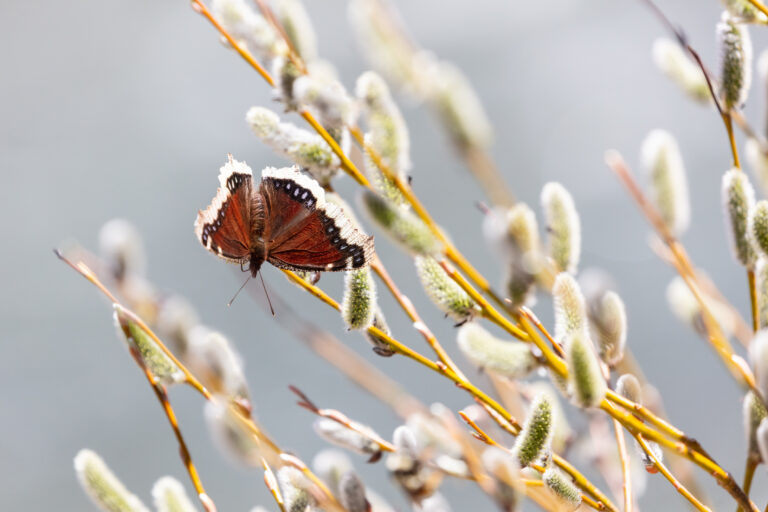
Camberwell Beauty
 Very rare
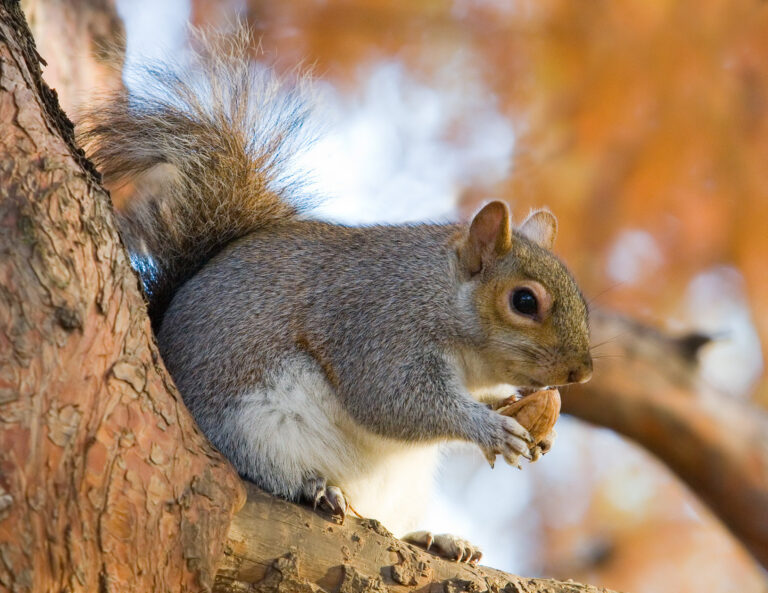
Eastern grey squirrel
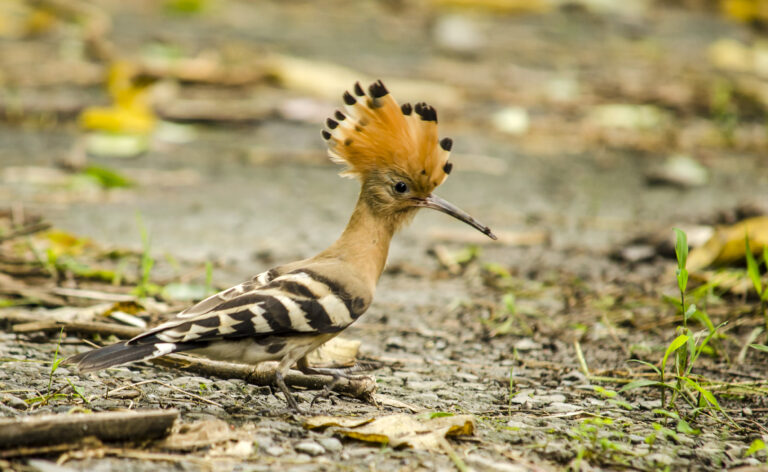 Very rare
Eurasian Hoopoe
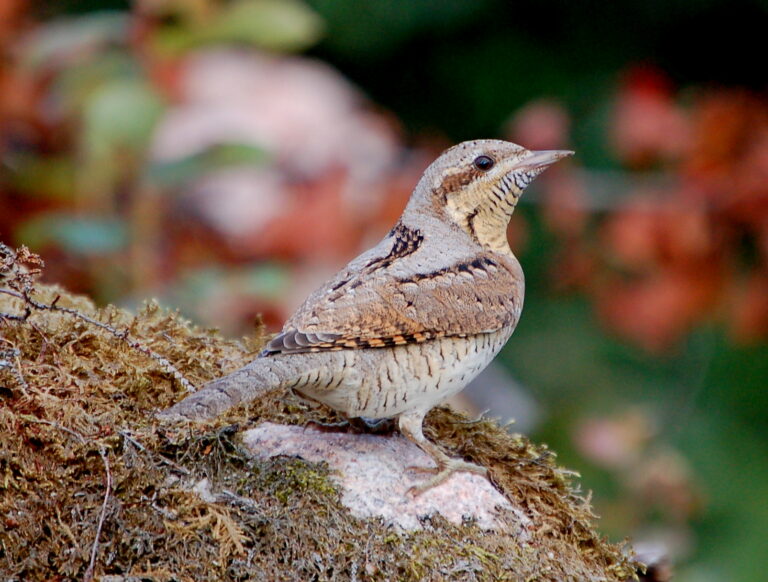 Very rare
Eurasian Wryneck
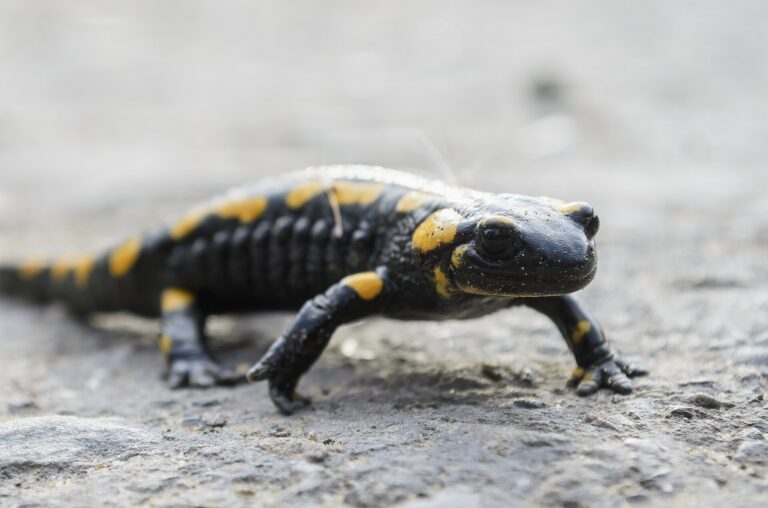 Very rare
Fire salamander
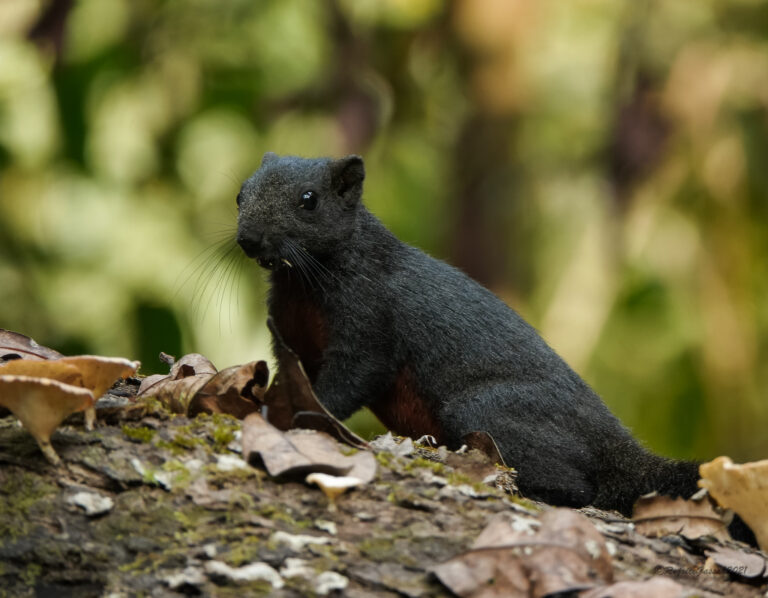 Very rare
Pallas's squirrel
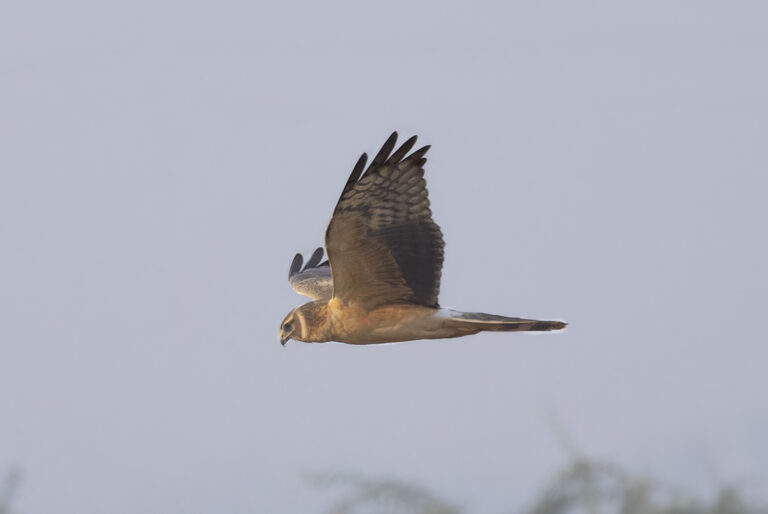 Very rare
Pallid Harrier
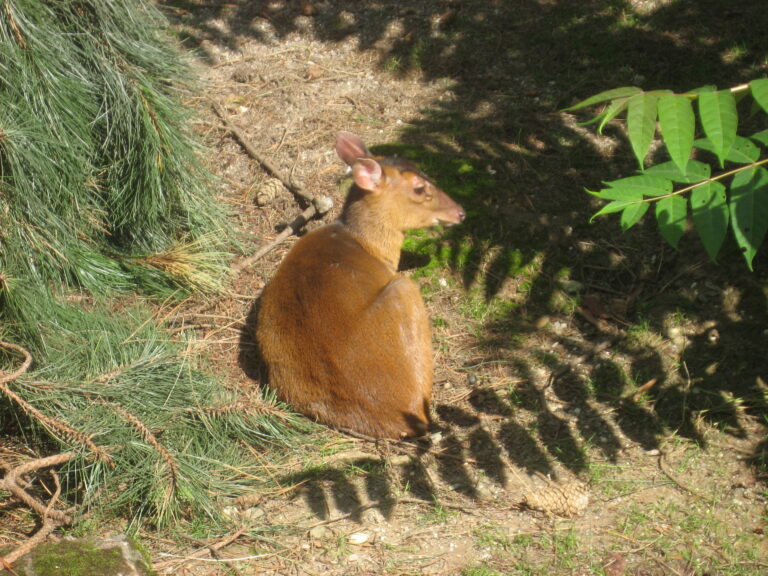 Very rare
Reeves's muntjac
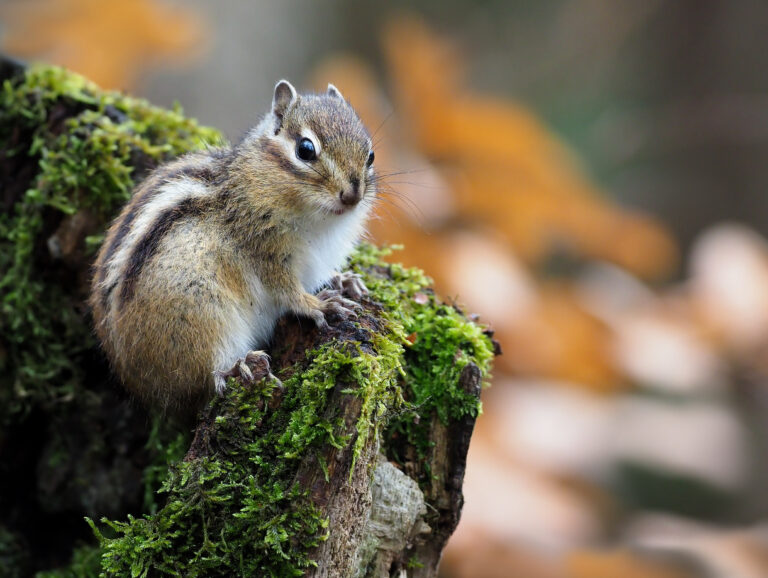 Very rare
Siberian chipmunk
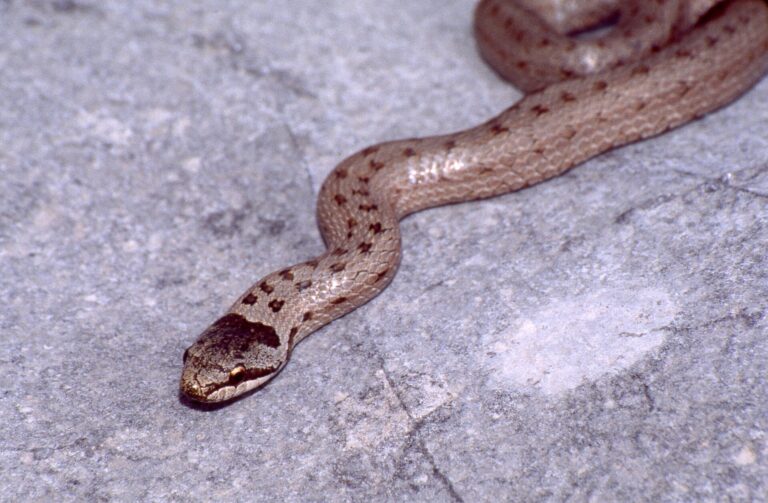 Very rare
Smooth snake
 Very rare
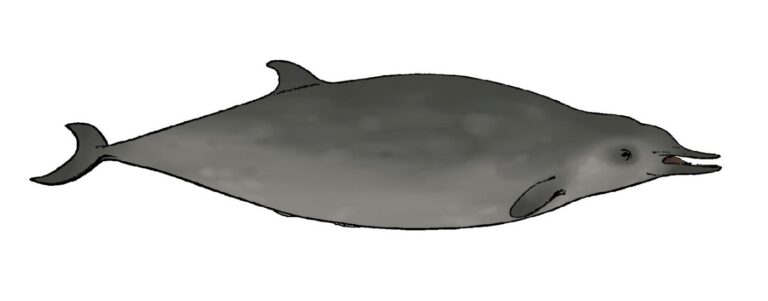
Sowerby’s beaked whale
 Very rare
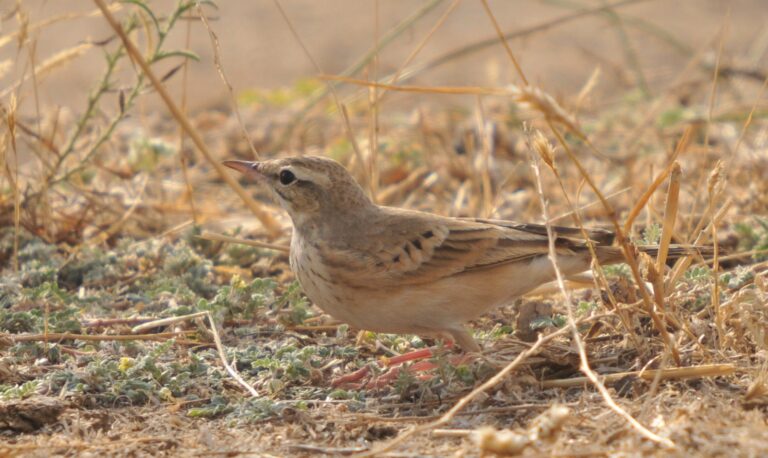
Tawny Pipit
 Very rare
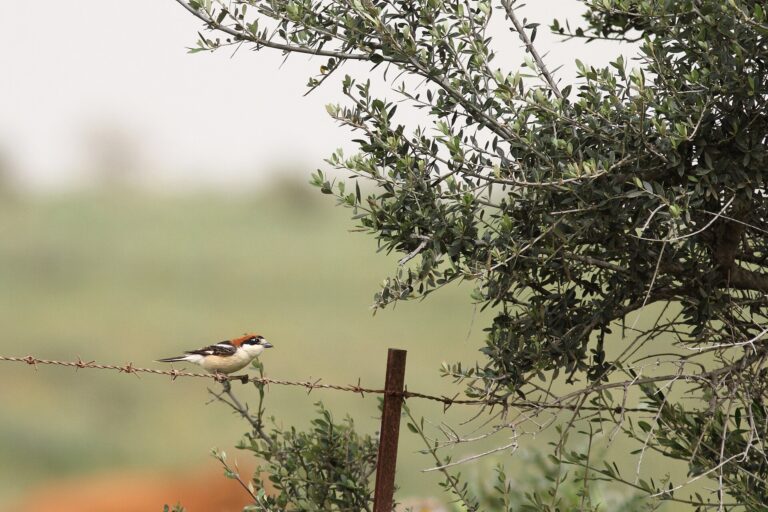
Woodchat Shrike
- All species in English
- Areas in English
- Wildlife in the Netherlands, the English starting point.