
Wild animals are not equally visible all year. This calendar shows, month by month, which species are worth going out for in the Netherlands, in order of how good your chances are.
Wildlife calendar
What can you see in November?
Wild animals are not equally visible all year. This calendar shows, month by month, which species are actually worth going out for.
November
77 species · this monthIn order of how good your chances are.
November has a bad name and doesn't deserve it. It is the month of big numbers: what trickled in during October now stands there in its thousands. The leaves are off, so you can see straight through the wood, and the dark comes so early that you can still fit in an evening outing after work. If there is one month in which you see something spectacular with little effort, it is this one.
The crane peak
If you had to pick one week a year, it is the last of October or the first of November. Common Cranes cross the Netherlands from mid-October into December, with the peak exactly in these weeks. Whether they come over our country depends on the weather: on a north-easterly wind, night frost and clear weather the migration route shifts westwards. Keep an eye on the wind and get outside when it turns that way — two days later it can be over.
Starling murmurations above the reed
From late September starlings turn above their roosts, and in November the numbers are high. It pays to know exactly what you are doing: count back from sunset, because a flock lasts an average of twenty-six minutes and then drops in one go. Look in reed — seventy per cent of the large roosts are there. Everything about it is in the article on the starling murmuration.
The winter visitors arrive
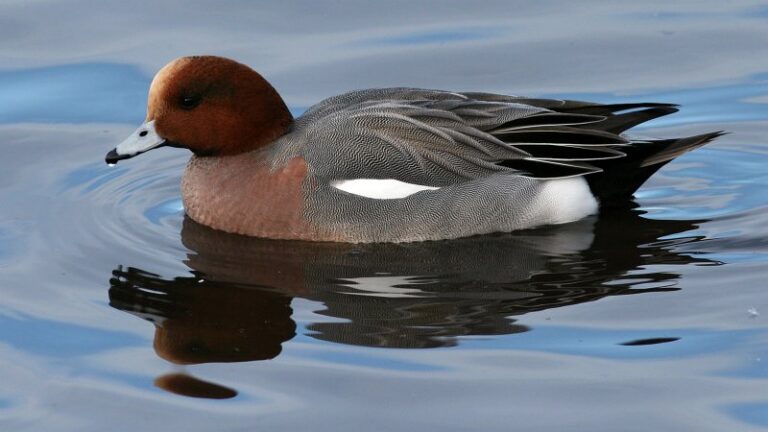
November is the month the waterfowl arrive. Greater White-fronted Geese and Barnacle Geese fill the polders, and on the open water the first Eurasian Wigeon, Common Goldeneyes and Goosanders appear. In the berry bushes sit Fieldfares and Redwings from Scandinavia. Under the beeches groups of Bramblings scratch about: according to Vogelbescherming they pass through in large groups precisely in October and November, and have the beech as their favourite. And in the garden the bird table comes into its own again: which food is and isn't suitable, and why the net has to come off a fat ball, is in feeding garden birds.
The wood is bare, and that helps
Without leaves you see what is hidden the rest of the year: nests, cavities, and the animals themselves. It is also the best listening moment of the year. The calling activity of owls is, according to eighteen years of daily observations in Limosa, highest from September to January, and a windless November evening in old deciduous woodland carries sound over hundreds of metres. By day, screeching jays give away where a Tawny Owl is sleeping.
And what about the mammals?
The rut is over: red deer and fallow deer are calm again and spend their days eating. That actually makes them easier to see in November than in the rutting months, because they stay longer in one place and startle less readily. Where that is easiest in an open landscape is in Red deer in the Oostvaardersplassen. In the wood it is also the season when signs become readable again: wet ground holds prints, and under a regular owl roost lie pellets. A red fox crossing a field at dusk is almost routine in November.
Where to go
For geese and cranes, head north: Lauwersmeer, Fochteloërveen and De Onlanden. For starling murmurations, head for reed marsh: Weerribben-Wieden or the Oostvaardersplassen. For Tawny Owls and Bramblings you stay on the Veluwe, at the Leuvenumse Bossen or Veluwezoom.
Practicalities
The light is short but soft, and the golden hour falls at a civilised time. The biggest pitfall is cold: in November you stand still far longer than in October, and getting cold costs you the sighting. Take more clothing than you think you need, and a thermos flask. How we handle distance and disturbance is on responsible wildlife watching.
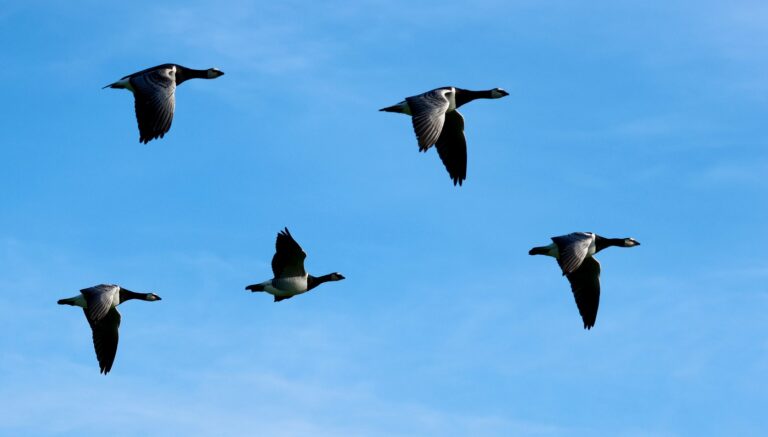 Easy
Barnacle Goose
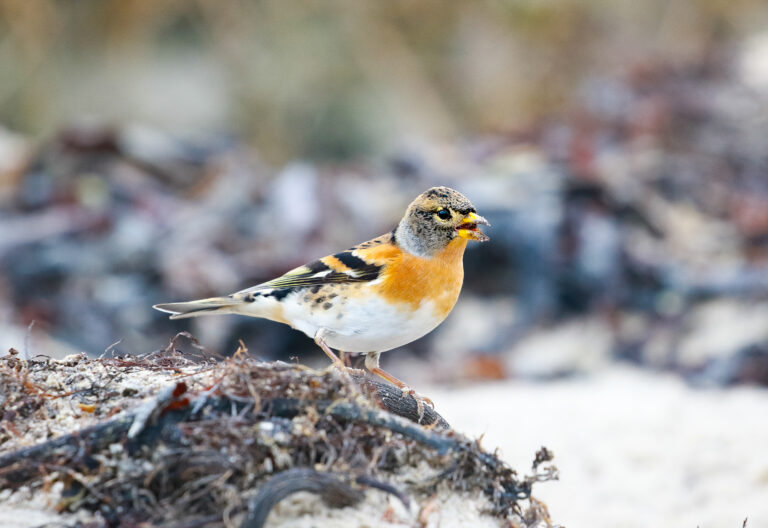 Easy
Brambling
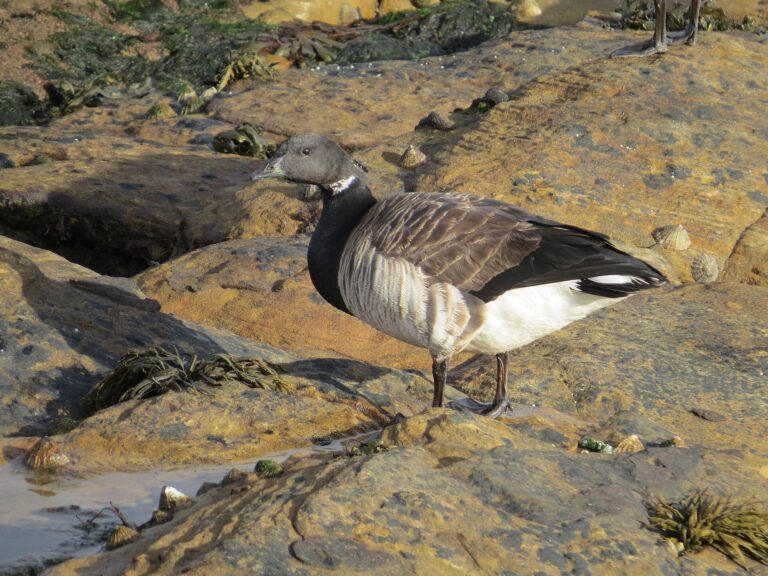 Easy
Brant
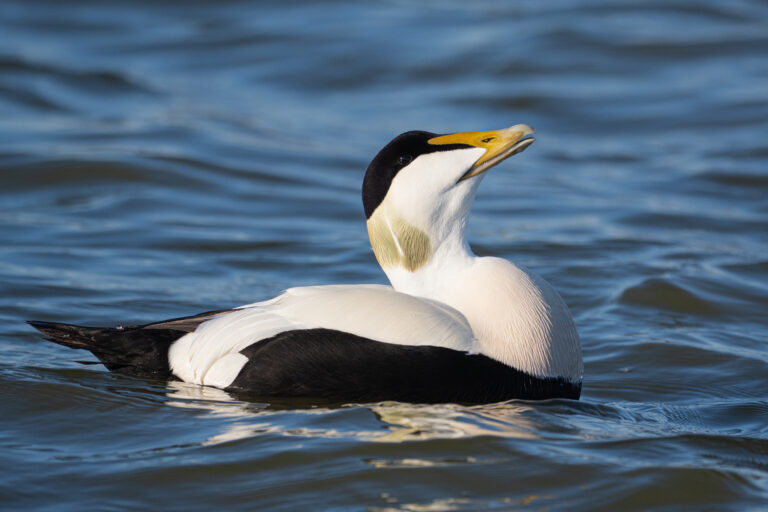 Easy
Common Eider
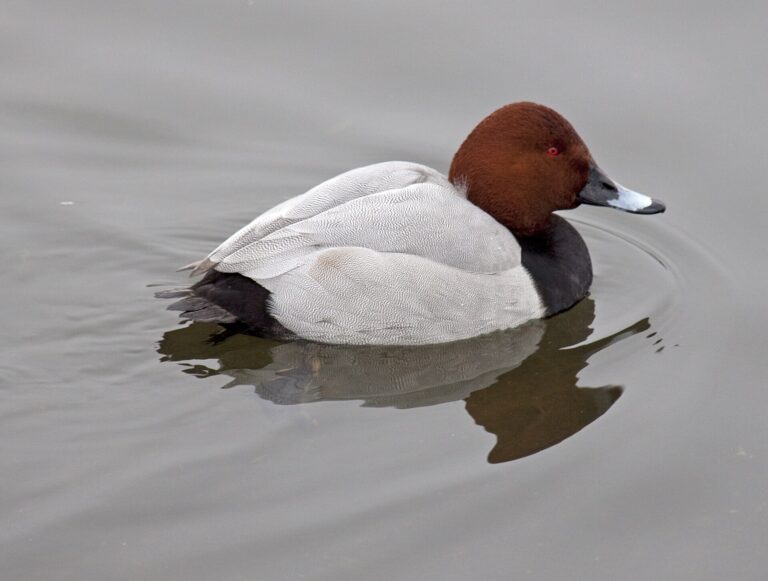 Easy
Common Pochard
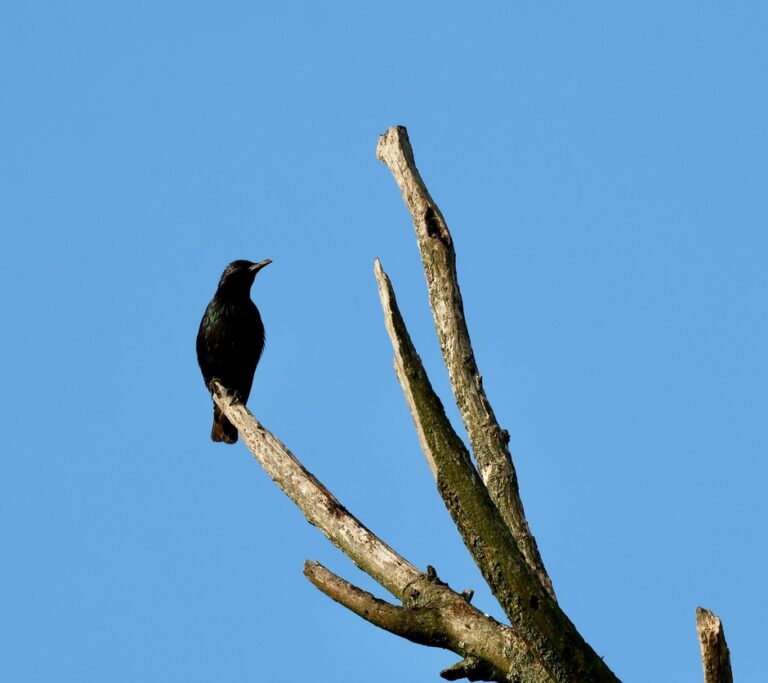 Easy
Common Starling
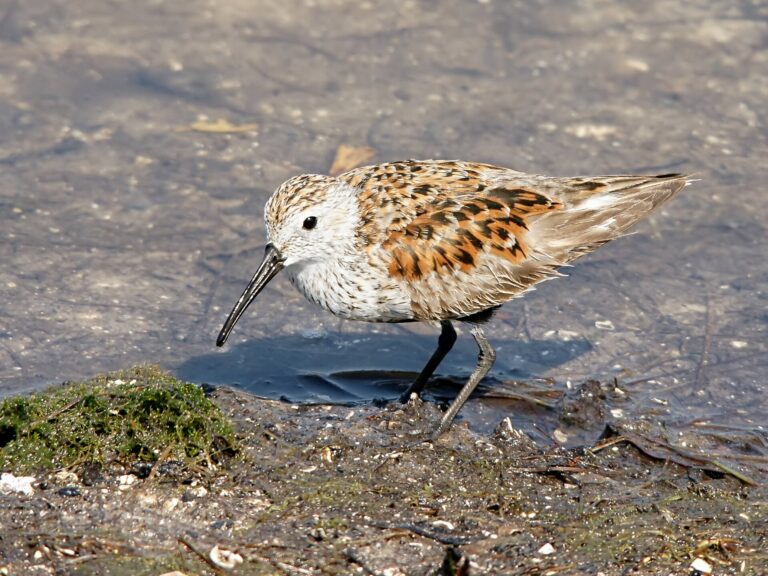 Easy
Dunlin
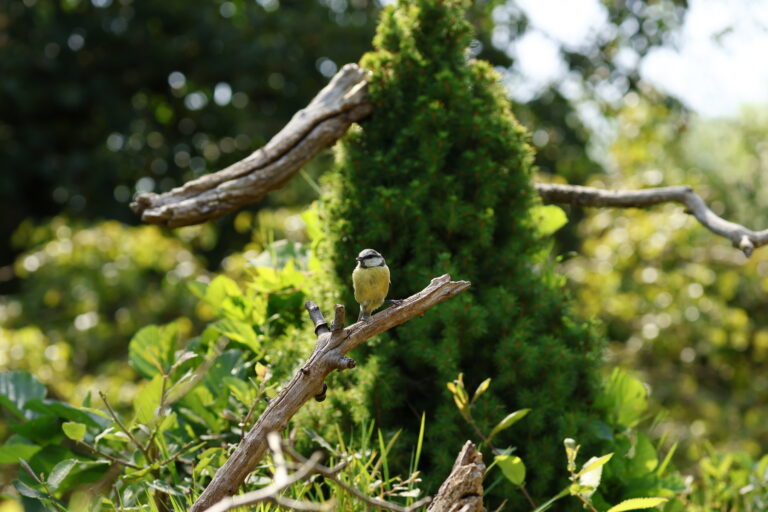 Easy
Eurasian Blue Tit
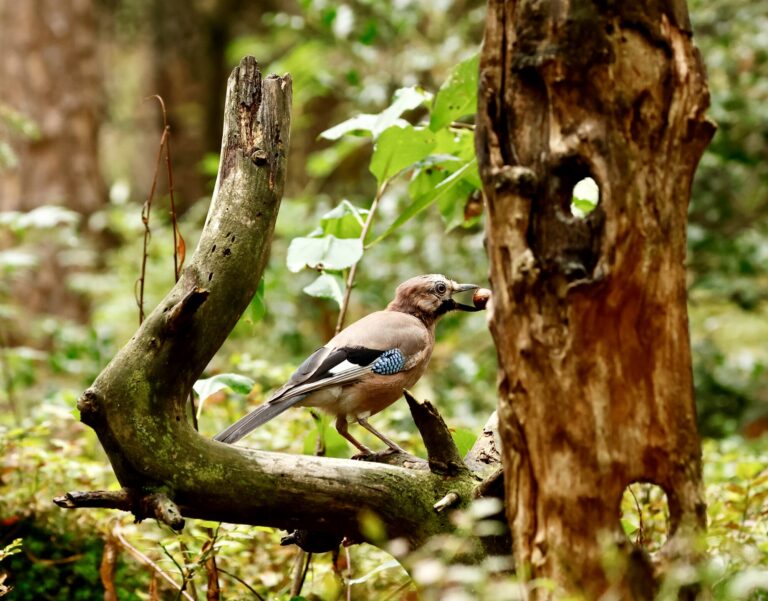 Easy
Eurasian Jay
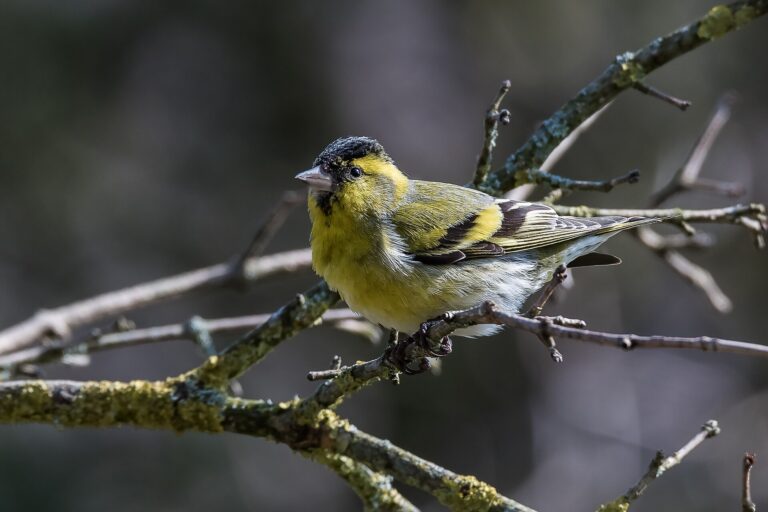 Easy
Eurasian Siskin
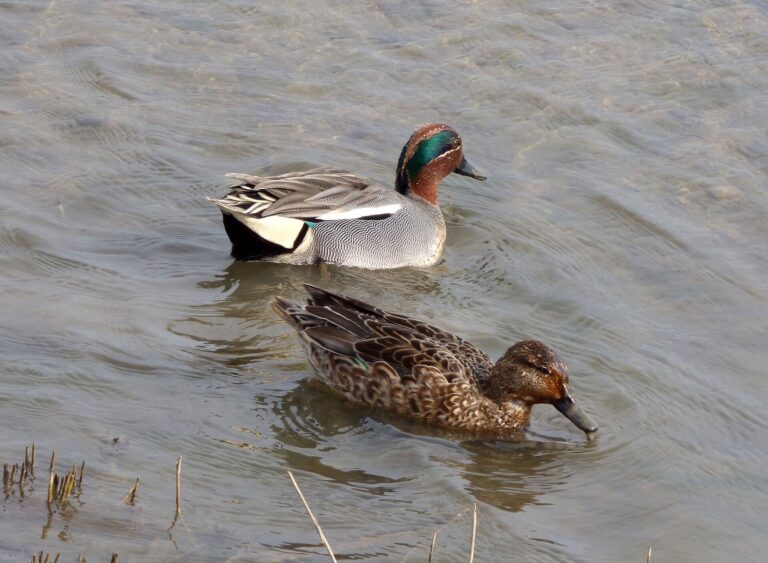 Easy
Eurasian Teal
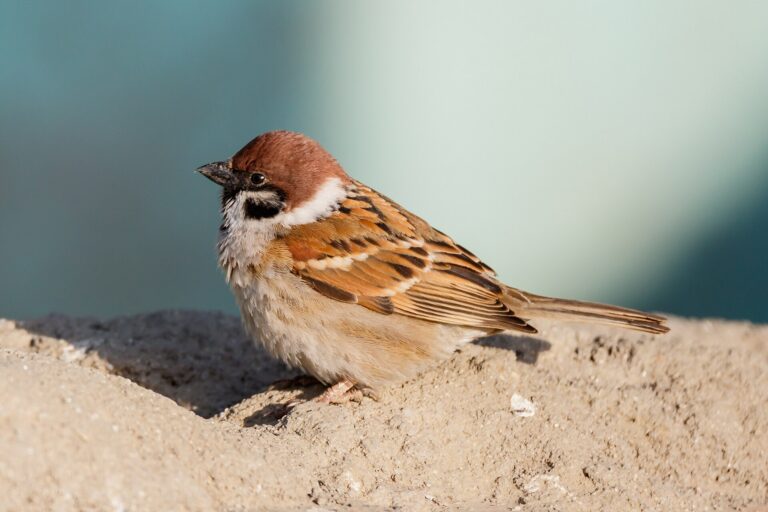 Easy
Eurasian Tree Sparrow
 Easy
Eurasian Wigeon
 Easy
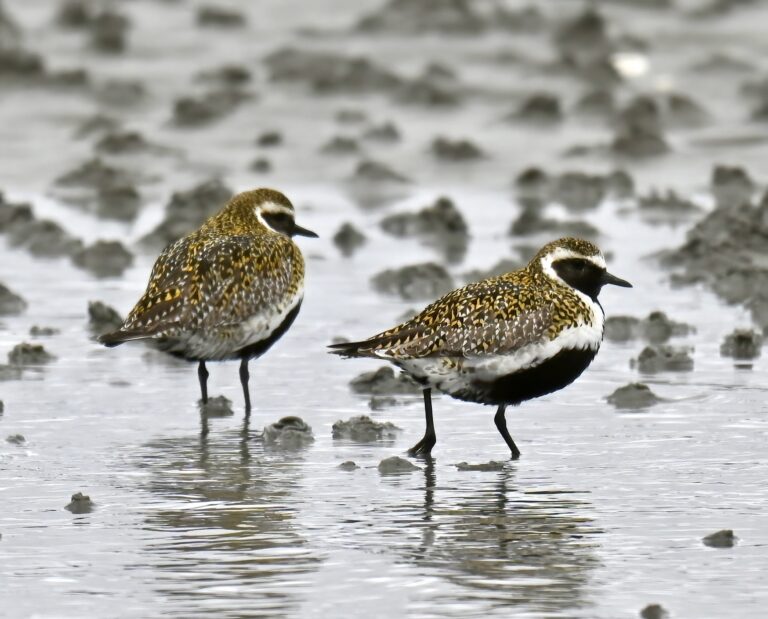
European Golden Plover
 Easy
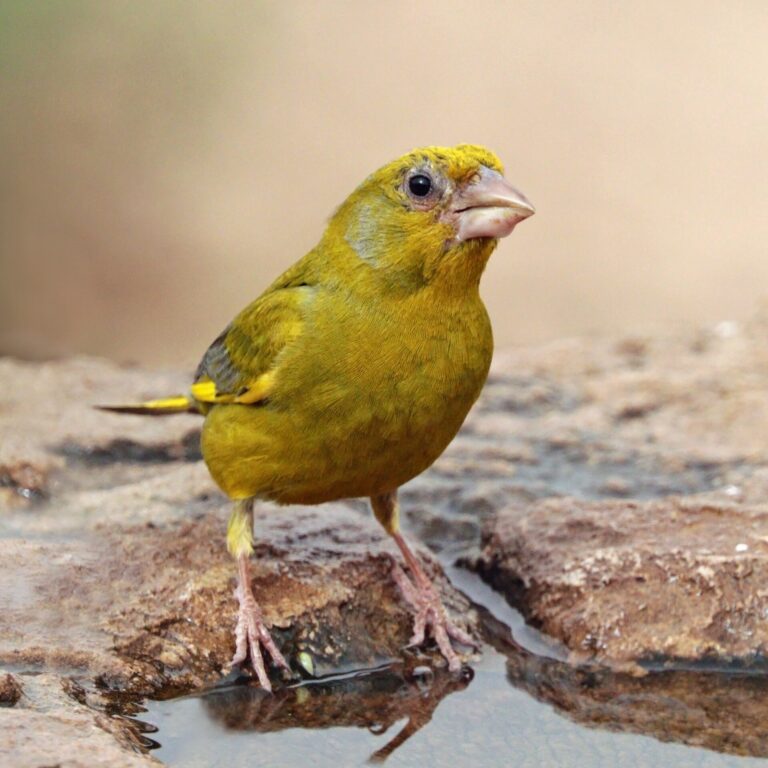
European Greenfinch
 Easy
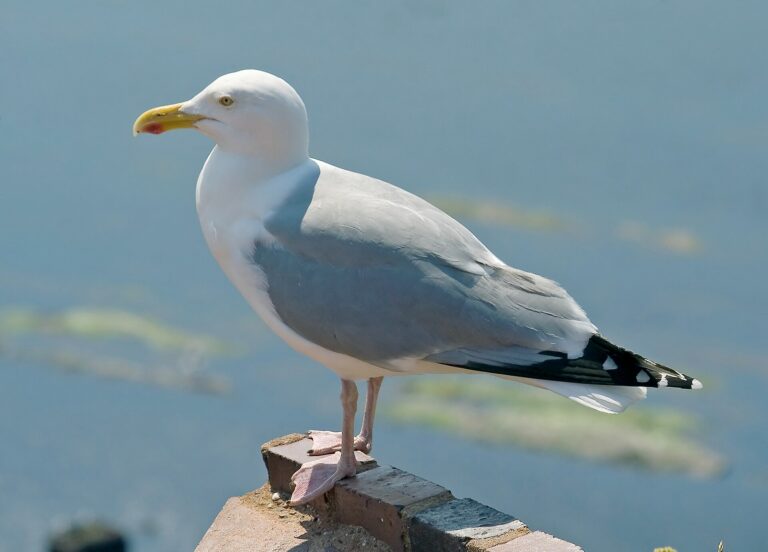
European Herring Gull
- All species in English
- Areas in English
- Wildlife in the Netherlands, the English starting point.