
Wild animals are not equally visible all year. This calendar shows, month by month, which species are worth going out for in the Netherlands, in order of how good your chances are.
Wildlife calendar
What can you see in January?
Wild animals are not equally visible all year. This calendar shows, month by month, which species are actually worth going out for.
January
69 speciesIn order of how good your chances are.
January is the month with the biggest numbers and the smallest effort. You don't have to go far, you don't have to get up early, and you don't have to walk long: most of it is simply standing in the open field, and it is there in numbers that occur at no other time of year. What you do need is patience and warm clothes, because it is all about standing still.
The Netherlands is a goose country
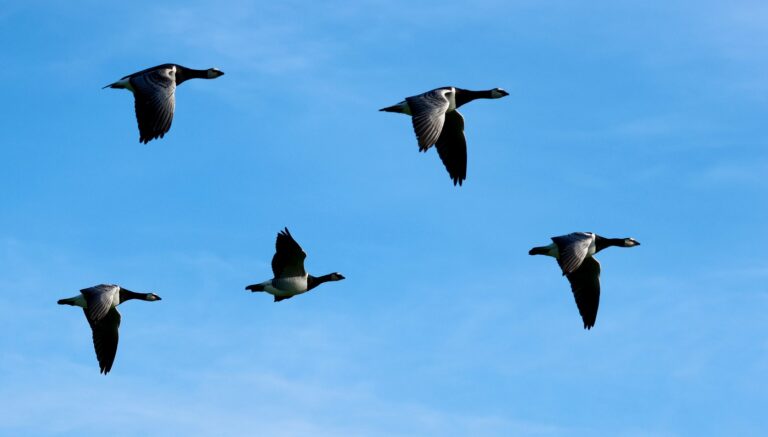
For the Greater White-fronted Goose, the Netherlands is according to its species page one of the most important wintering areas in the world, and January is the heart of that season. In the polders they stand in their thousands, together with Barnacle Geese, and on the water sit Eurasian Wigeon, Smew, Goosanders and Common Goldeneyes. Among the swans, with a bit of luck, is a Whooper Swan, which is here from mid-October to mid-April. If it freezes for a few days, the open water disappears and everything concentrates on the last ice-free patches — that is the moment to go.
Above the open land
Where so many birds are gathered, birds of prey hunt. The White-tailed Eagle is at its most visible in January, and above heath and salt marsh hang Hen Harriers, Rough-legged Buzzards and the Short-eared Owl, which in winter is visible. On open terrain the Great Grey Shrike sits unfailingly on the highest point available: a lone bush, a post, a wire.
The fox makes itself heard
January falls in the middle of the mating season of the red fox, which runs from December to February. In those weeks foxes are more active by day than usual, and at night you hear the hoarse barking that people consistently take for something else. First light offers better chances than the evening.
And the owls are still calling
The calling activity of owls runs, according to eighteen years of daily observations in Limosa, from September into January, and Sovon had good reason to headline that for Tawny Owls the new year started long ago. A clear, windless January evening in old deciduous woodland is still one of the best moments of the year.
Reading tracks and signs
This is the month for tracks. Wet ground, frost and sometimes snow hold prints, and without leaves you see where animals really walk. Under a regular owl roost lie pellets full of mouse bones — note what you find and don't go and stand under it again. Feeding signs are easy to read now too: pine cones gnawed by the red squirrel, stripped branches, and the rooting patches of wild boar.
Count for half an hour
On the last weekend of January, Vogelbescherming Nederland holds the National Garden Bird Count: you watch your garden or balcony once for half an hour and report what you see. It costs nothing, it produces real data, and it is the easiest way to test your own identification. Anyone already feeding in the weeks beforehand also counts more species: what does and doesn't belong on the bird table is in feeding garden birds.
Where to go, and what to watch out for
For geese, White-tailed Eagle and winter ducks: the Oostvaardersplassen, Lauwersmeer, De Onlanden and the Biesbosch. For Short-eared Owl and Great Grey Shrike head for open heath or dune: Dwingelderveld or Zuid-Kennemerland. Or the Veluwezoom, where on the same heaths you stand a chance of the shrike and, in January, of the largest red deer herds. One thing to take seriously: winter costs animals energy they cannot spare. A group of geese that takes off because of you burns reserves for nothing. Keep your distance and keep to the paths — see responsible wildlife watching.
 Easy
Barnacle Goose
 Easy
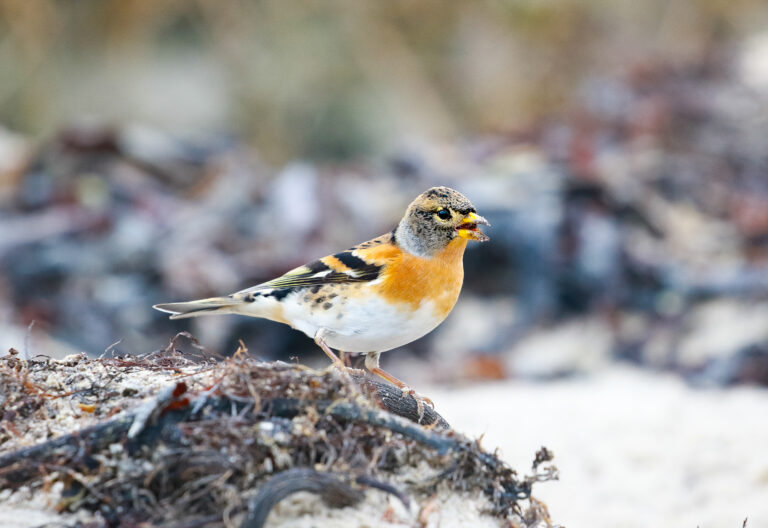
Brambling
 Easy
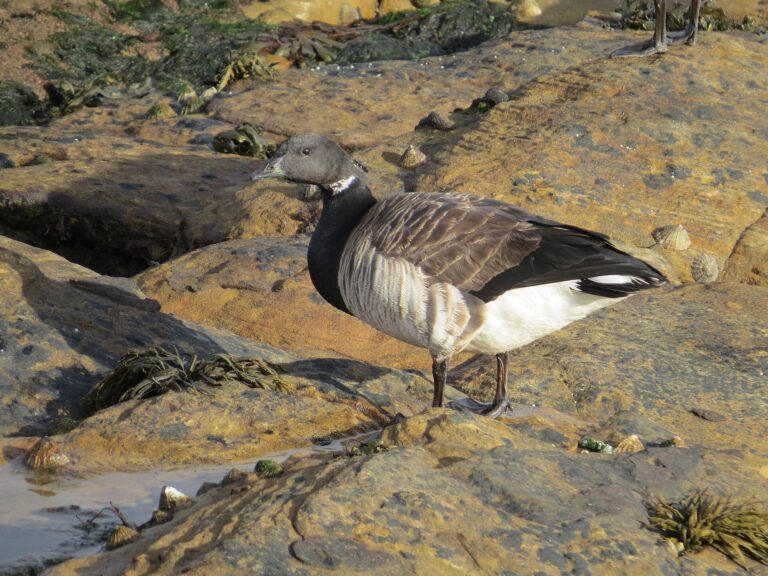
Brant
 Easy
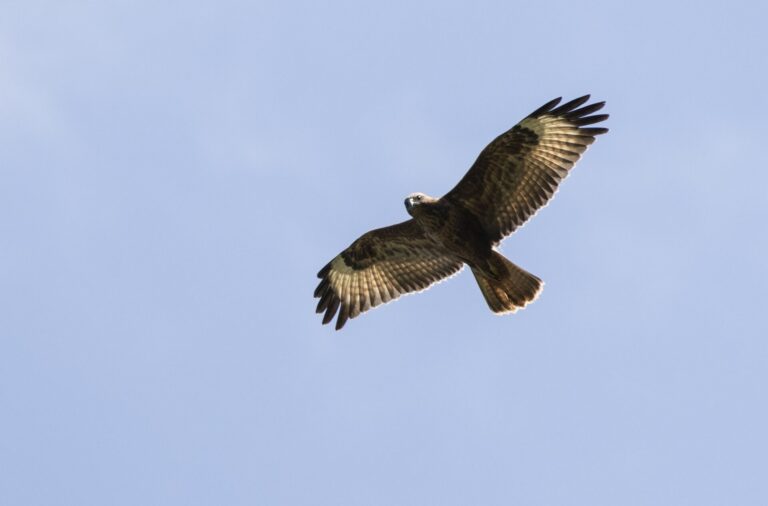
Common Buzzard
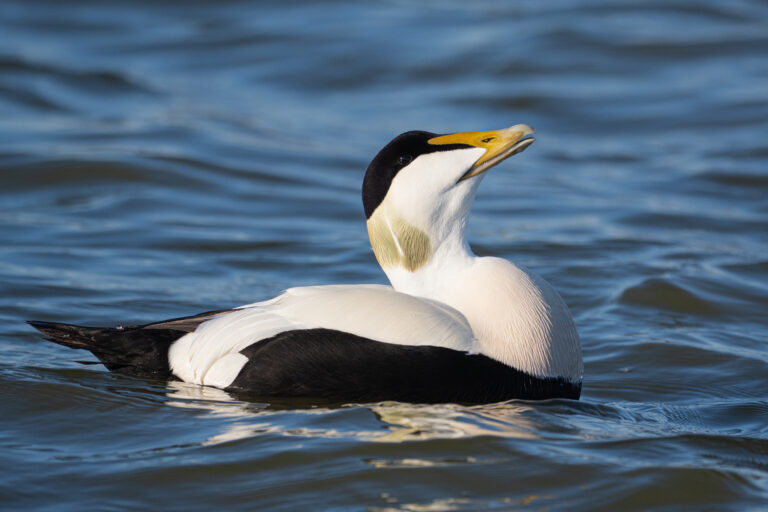 Easy
Common Eider
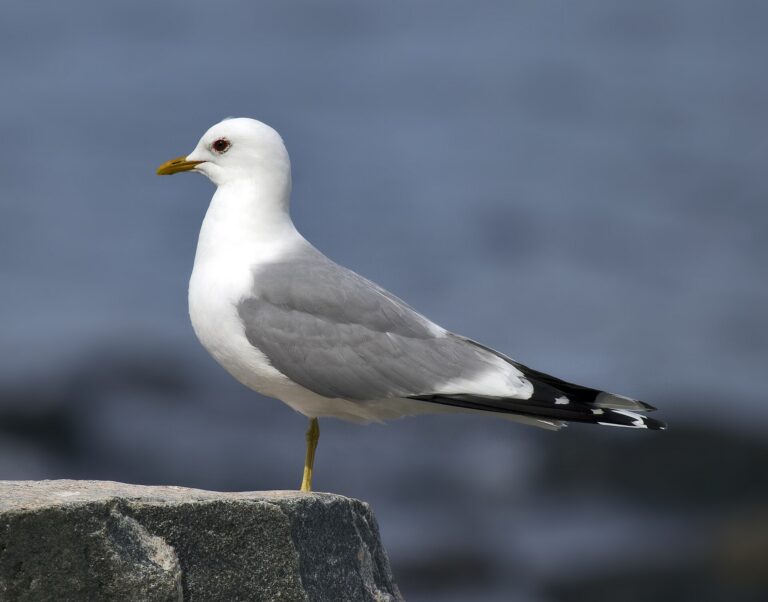 Easy
Common Gull
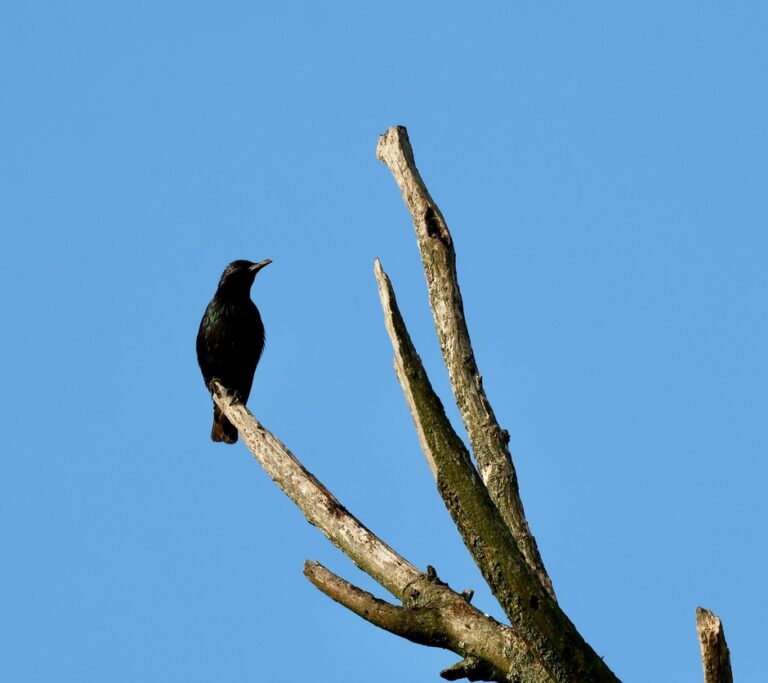 Easy
Common Starling
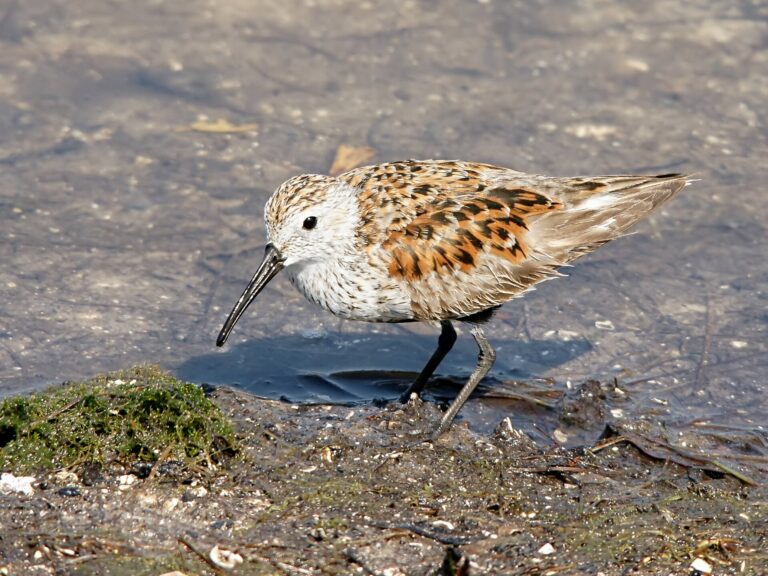 Easy
Dunlin
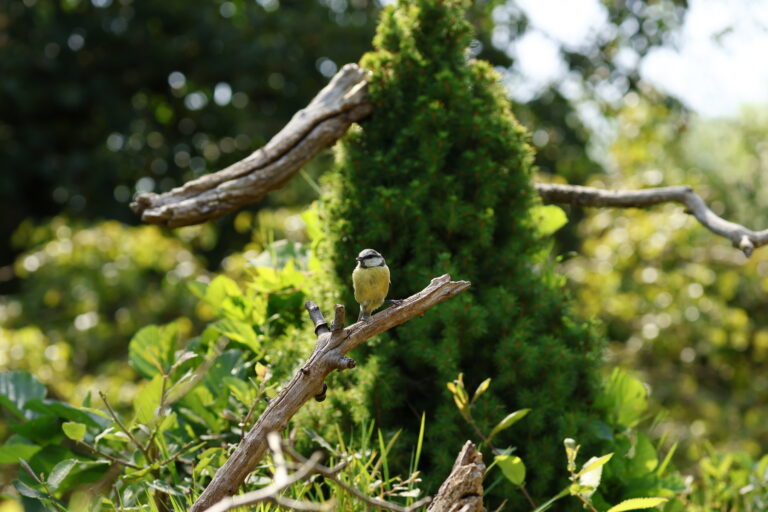 Easy
Eurasian Blue Tit
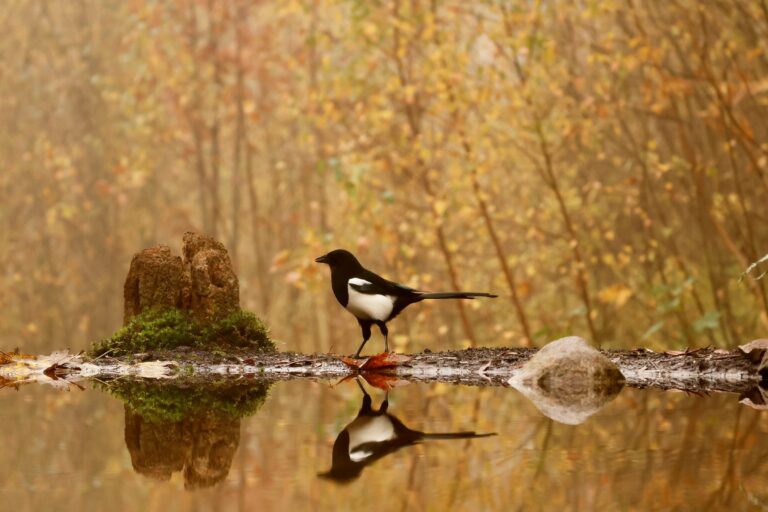 Easy
Eurasian Magpie
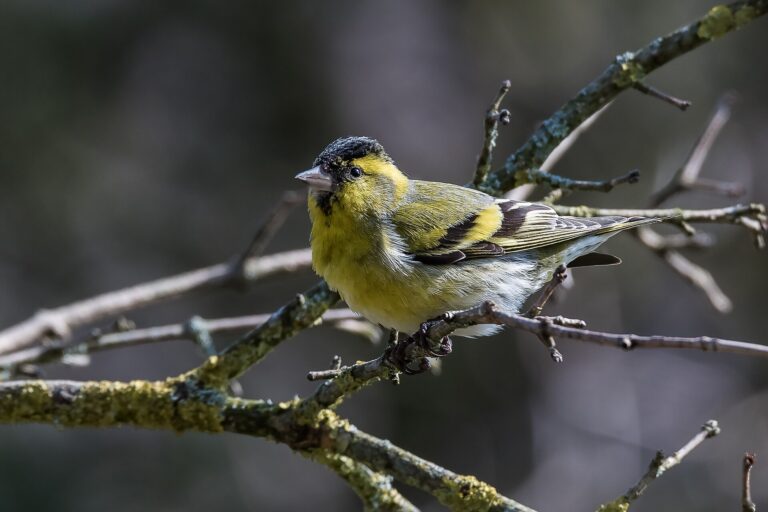 Easy
Eurasian Siskin
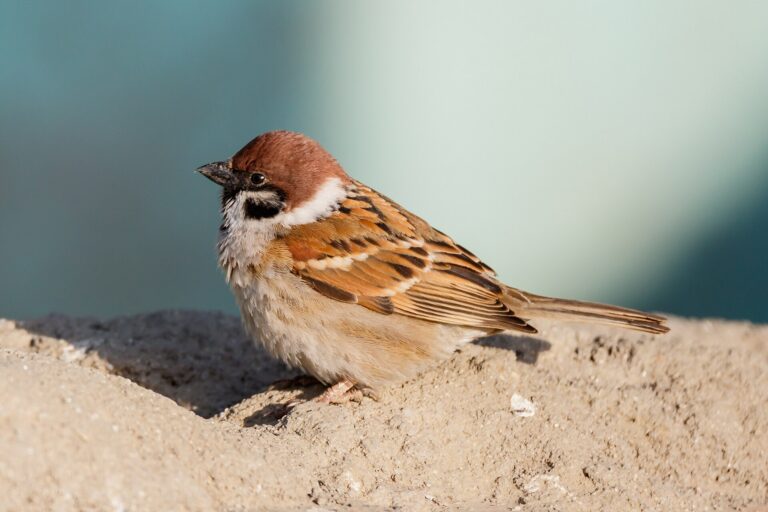 Easy
Eurasian Tree Sparrow
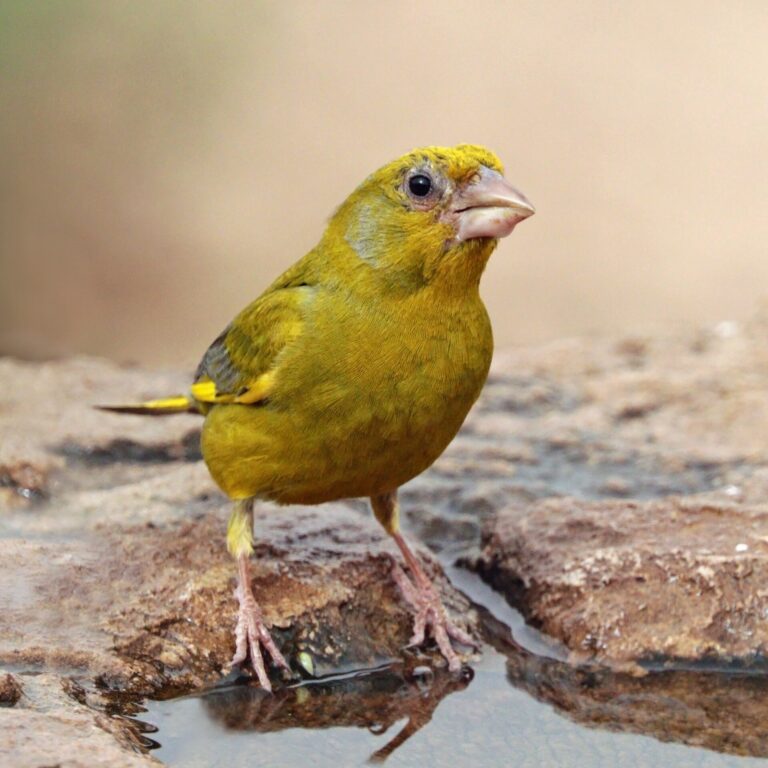 Easy
European Greenfinch
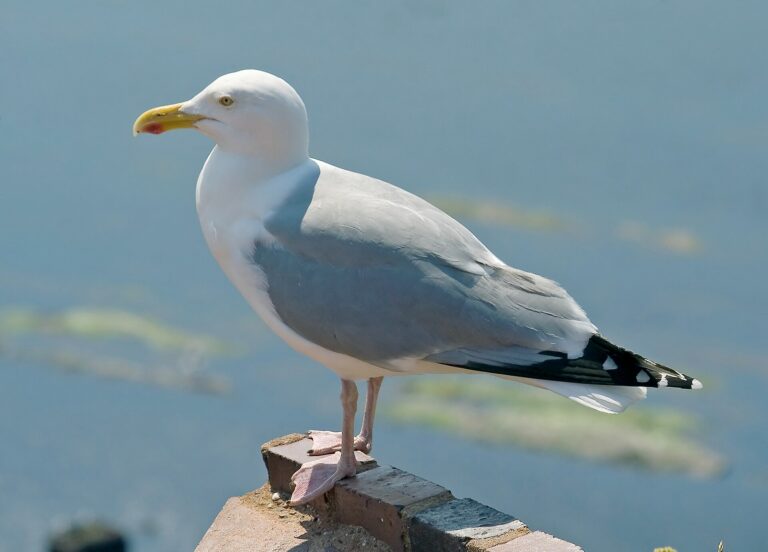 Easy
European Herring Gull
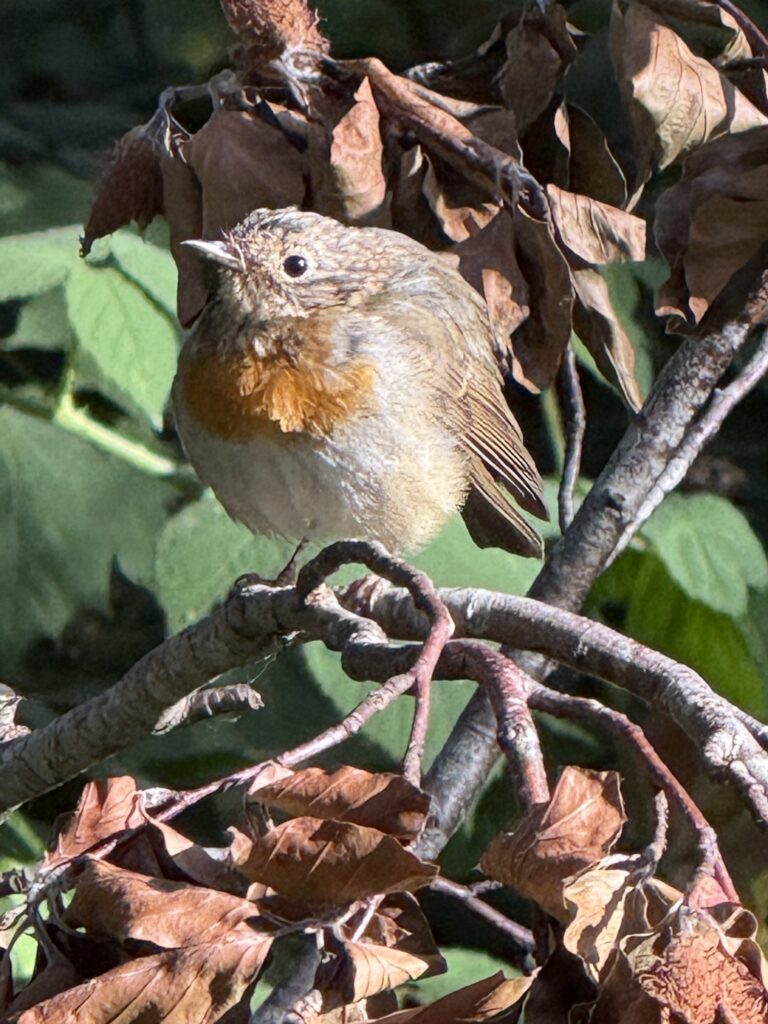 Easy
European Robin
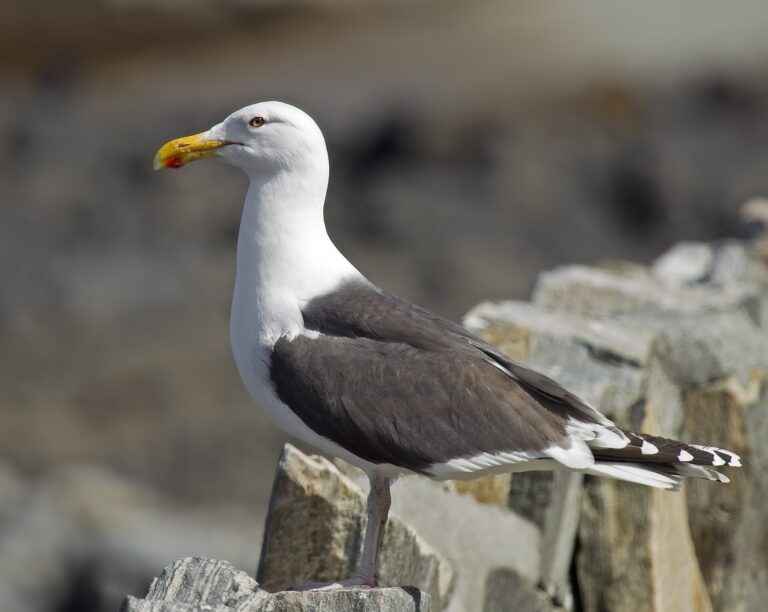 Easy
Great Black-backed Gull
- All species in English
- Areas in English
- Wildlife in the Netherlands, the English starting point.