
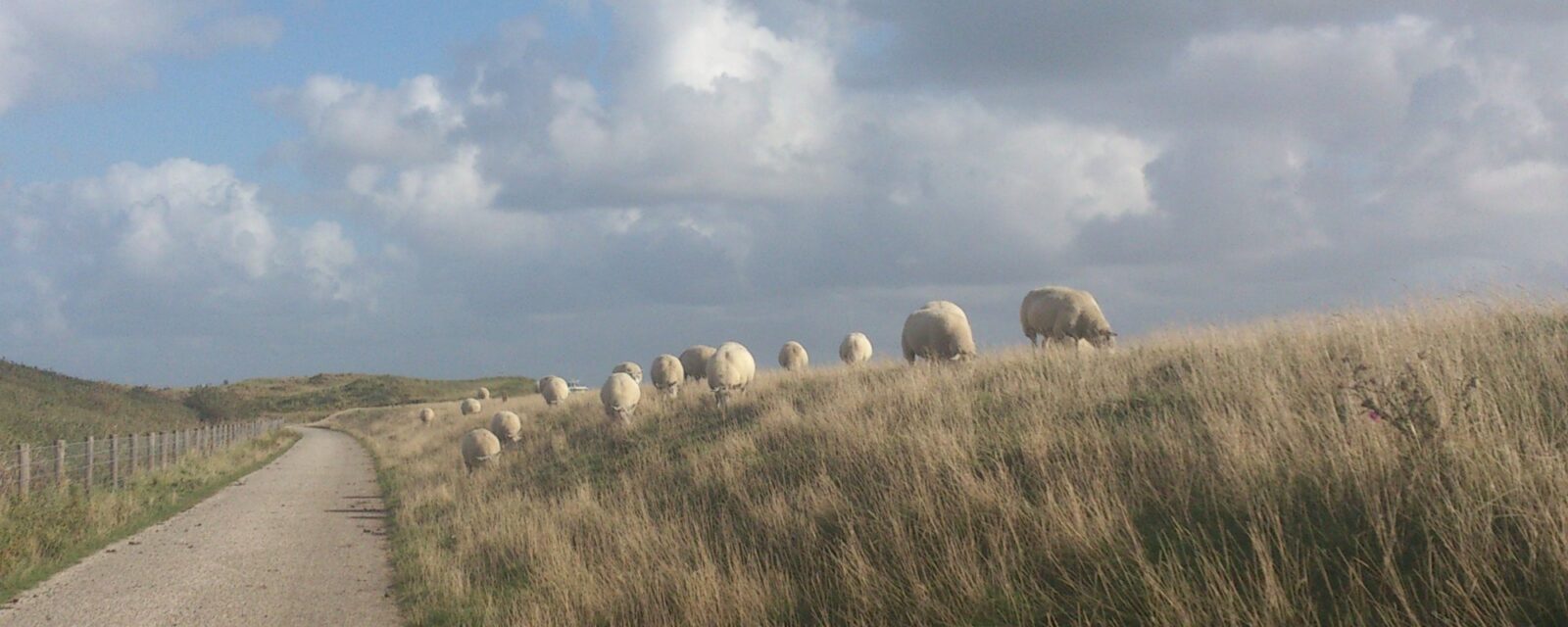
 📷 Minthe (Wikimedia Commons), CC BY-SA 3.0 nl
Nationaal Park Duinen van Texel: where to see wildlife
Spring and autumn are the best seasons, because Texel lies on the migration route then and the salt marshes and pools fill up with waders and ducks. Spoonbills are here from March into September. Seals can be seen all year, best around low tide; in August the largest numbers lie on the sandbanks. In the breeding season parts of the area are closed. Dunes, salt marsh & woodland
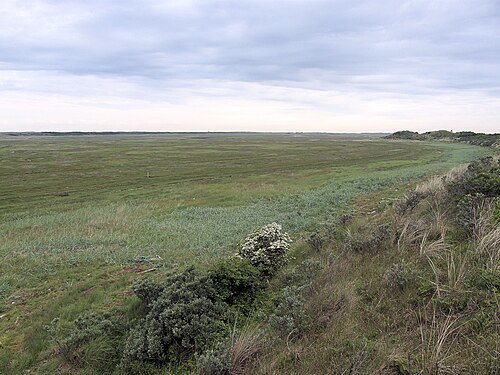
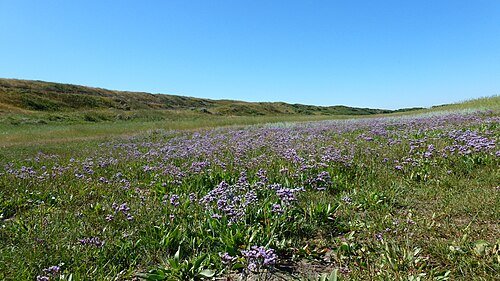
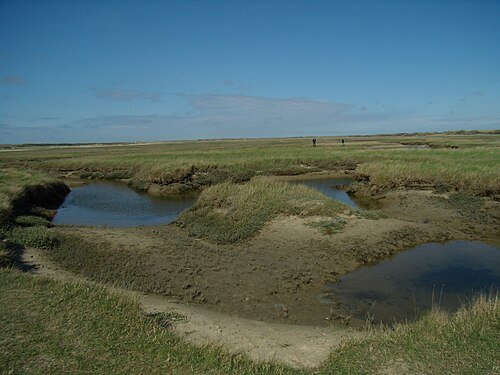
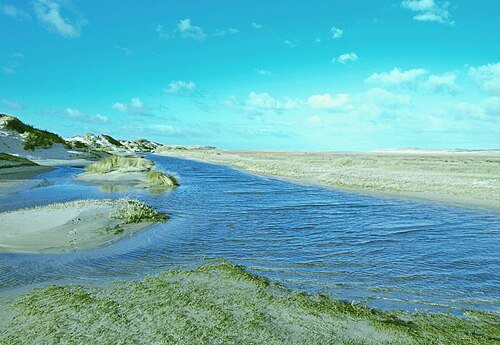
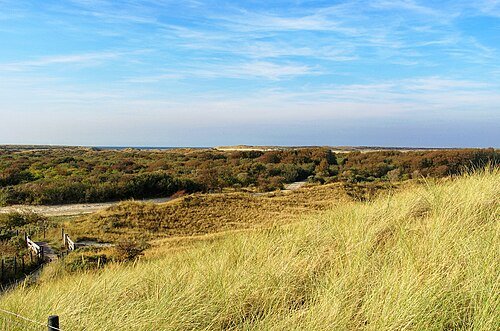
Nationaal Park Duinen van Texel — A Wadden island with one of the richest bird areas in north-west Europe inside the borders of a single national park: from the salty Slufter to the sand plain of De Hors, and everything in between within cycling distance. Mainly here: Eurasian Spoonbill, seal, Hen Harrier, fallow deer. Best period: Spring and autumn are the best seasons, because Texel lies on the migration route then and the salt marshes and pools fill up with waders and ducks. Spoonbills are here from March into September. Seals can be seen all year, best around low tide; in August the largest numbers lie on the sandbanks. In the breeding season parts of the area are closed.
Which animals will you see here?
The species at the top are the ones with a peak month in November.
🦭 Harbour porpoise
With luckverified🦅 Hen Harrier
Good chance in seasonchance per source🦭 Harbour seal
Good chanceverified🦭 Grey seal
With luckverified🦅 Black-tailed Godwit
Good chance in seasonverified🦅 Pied Avocet
Good chance in seasonverified🦅 Eurasian Bittern
Very rareverified🦅 Eurasian Spoonbill
Good chance in seasonchance per source🦅 Northern Wheatear
With luckchance per sourceThese species have an assessed chance with a source behind it. The list comes from the same database as the species pages.
Also reported present in this area (138 species) presence reported
These species are known to occur here (NDFF), but nothing has been recorded yet about your chance of seeing them.
Amphibian (2)
Dragonfly (13)
Grasshopper (4)
Butterfly (25)
Bird (78)
Mammal (land) (11)
Mammal (land/water) (2)
Mammal (bat) (3)
Walking routes
Muy- en Slufterbollen
Westerduinroute
📍 Start point on the map 🧭 Directions to the start (Google Maps)
Familiepad Slufter
📍 Start point on the map 🧭 Directions to the start (Google Maps)
Bleekersvallei
📍 Start point on the map 🧭 Directions to the start (Google Maps)
Bollekamer
📍 Start point on the map 🧭 Directions to the start (Google Maps)
Hides and viewpoints
🔭 Viewpoint De Slufter (Sluftertrap)
🔭 Viewpoint Kampeersnol
🔭 Viewpoint Prins Hendrikzanddijk
🔭 Bird hide Natuurboerderij Plassendaal
Practical information
- Access: Accessible all year from sunrise to sunset, on roads and paths; from 1 March to 1 September the off-path routes and parts of the Slufter and the Bollekamer, among others, are fenced off for breeding birds. With sub-areas such as De Slufter, De Muy and De Hors; De Slufter and De Hors may be walked freely. There are wheelchair-accessible paths. In spring and summer breeding-bird closures apply.
- Parking: Parking is available at Ecomare (Ruijslaan 92, De Koog) and at the access points to De Slufter and De Hors, among other places.
- Dogs: Allowed on a lead; mind the closed breeding areas in season.
- Facilities: Ecomare (De Koog) as the visitor centre, with a seal rescue centre, food and drink and guided trips; a viewing tower, walking routes and bird watchpoints.
🌿 Rules in this area
Staatsbosbeheer sets its own rules here. Stay on the paths, respect refuges and closures, keep dogs on a lead where that applies, and do not fly a drone — they are banned in almost every Dutch nature reserve.
Status: Verified · Last checked: 2026-07-31
Photo: Minthe (Wikimedia Commons), CC BY-SA 3.0 nl