
Wild animals are not equally visible all year. This calendar shows, month by month, which species are worth going out for in the Netherlands, in order of how good your chances are.
Wildlife calendar
What can you see in February?
Wild animals are not equally visible all year. This calendar shows, month by month, which species are actually worth going out for.
February
70 of 84 speciesIn order of how good your chances are.
February is the month things tip over. The winter visitors are still here, the first spring animals are already on the move, and on one mild, wet evening you can meet both seasons at once. It is also the month in which you run the greatest risk of disturbing something without noticing, because the breeding season starts earlier than most people think.
The first toad migration
February and March are the months of the toad migration. On mild, rainy evenings common toads move en masse to their breeding water, often straight across roads. The common frog is earlier still: it sometimes becomes active as early as late January. On an evening like that, don't drive down a narrow polder road when it has just started to rain — and if you have a torch with you, keep it low.
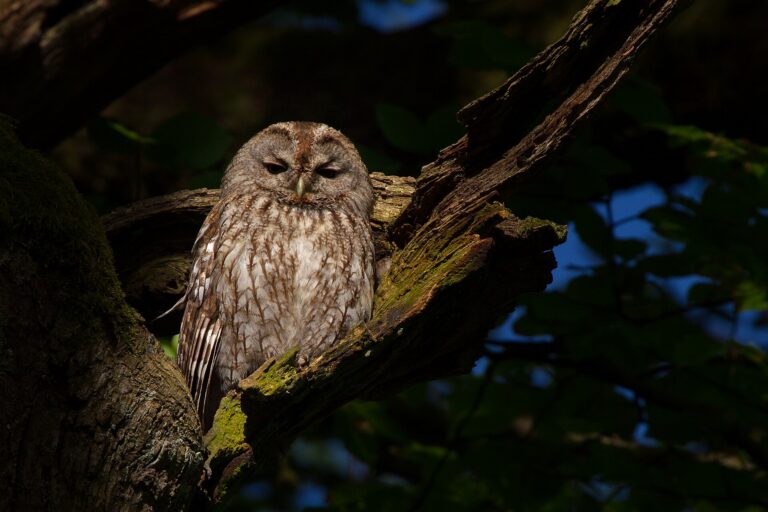
The Tawny Owl starts breeding
Where the Tawny Owl calls in autumn to mark its boundary, it lays its eggs, according to Vogelbescherming, from February or March. That changes the rules: a calling owl in October is a bird marking out its territory, a pair in February may already be working on a nest. Keep to the path, don't walk towards the sound, and certainly don't play recordings. The background is in the article on hearing owls in autumn.
Drumming, tumbling and barking
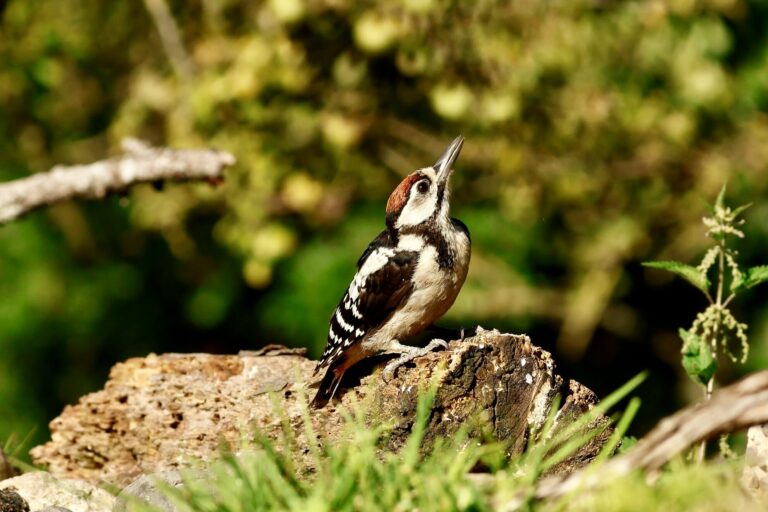
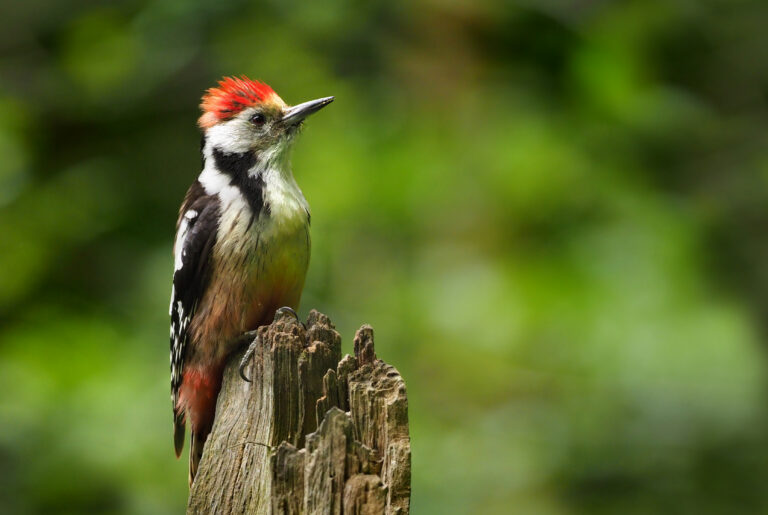
February to April is the drumming period of the Great Spotted Woodpecker: short, rapid bursts on a dead branch, which carry surprisingly far and with which it does the same thing a songbird does with its song. In the same weeks the rookeries become active again, and in the polder the Northern Lapwings begin their tumbling display flights. The mating season of the red fox continues until the end of the month.
The first returns
At the end of February the migration turns around. Common Cranes pass over the Netherlands again from late February to late March, now the other way, and the first Black-tailed Godwits arrive from Africa and southern Europe. Those are the two moments when you notice winter is over before you can see it in the weather.
But winter is still here too
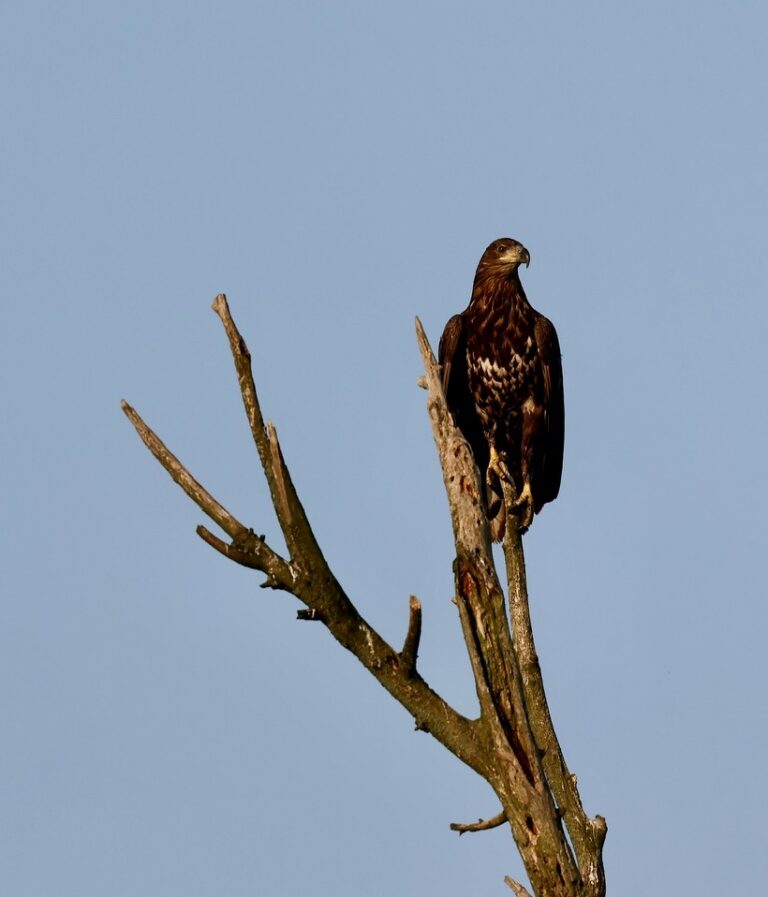
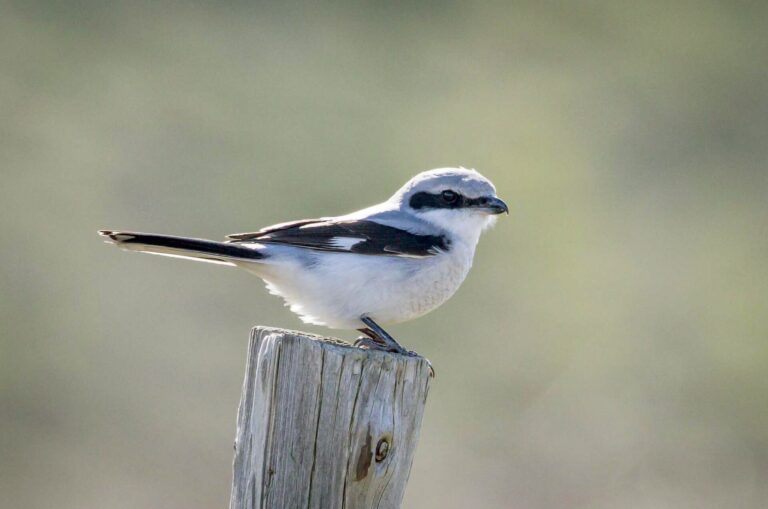
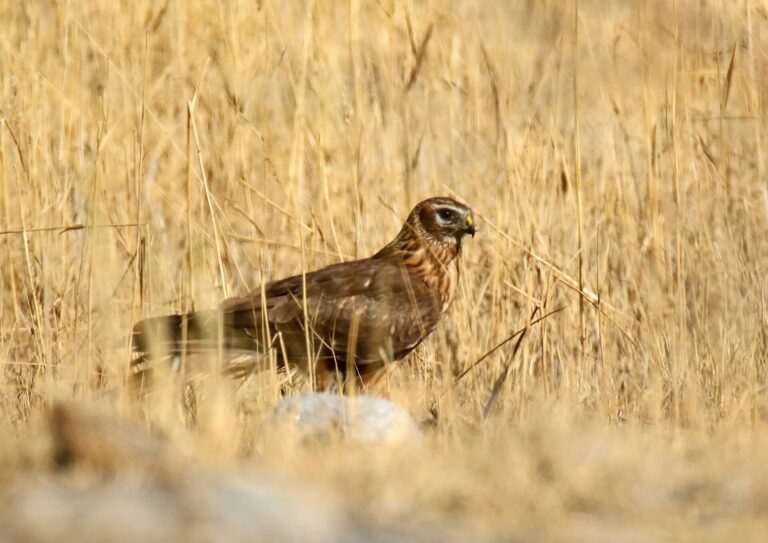
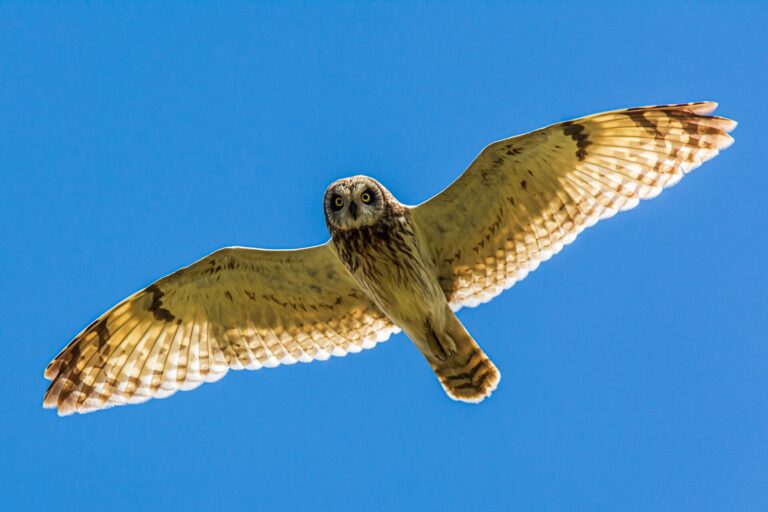
At the same time everything from December and January is still present: Greater White-fronted Geese and Barnacle Geese into March, the Short-eared Owl as a winter visitor through February, the Hen Harrier and the Great Grey Shrike into March, and the White-tailed Eagle at the large waterbird concentrations. February is therefore the only month in which you can see a wintering Short-eared Owl and a returning godwit on the same day.
Where to go
For toads: a narrow road alongside woodland or a pool near you works better than any nature reserve — check whether there is a toad-crossing scheme running in your municipality. For geese and birds of prey, Lauwersmeer, De Onlanden and the Oostvaardersplassen remain the best choice. For woodpeckers and owls, the old deciduous woodland of the Leuvenumse Bossen or Veluwezoom.
Practicalities
The light turns noticeably: at the end of February it is dark an hour later than at the beginning of January. That means an evening outing is genuinely an evening again. Beyond that, from this month on one thing applies with extra force: dogs on the lead and keep to the paths, because the breeding season has begun. See responsible wildlife watching.
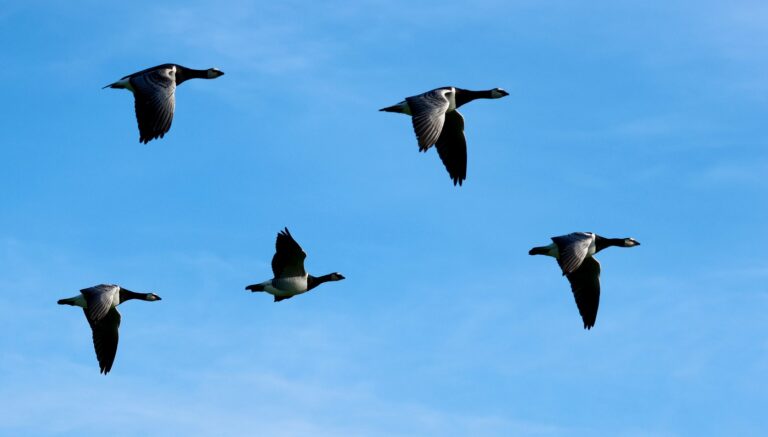 Easy
Barnacle Goose
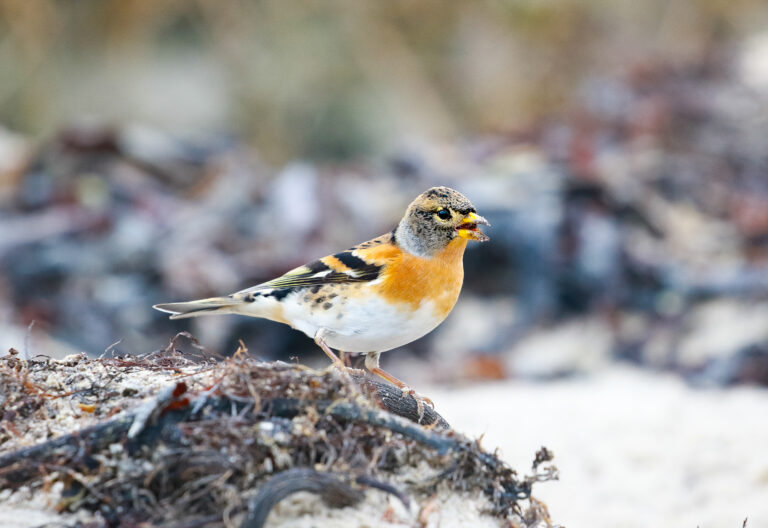 Easy
Brambling
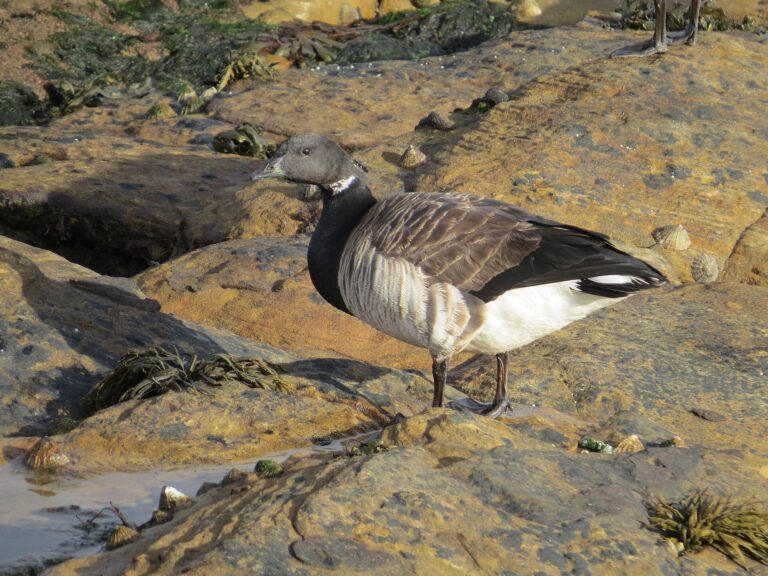 Easy
Brant
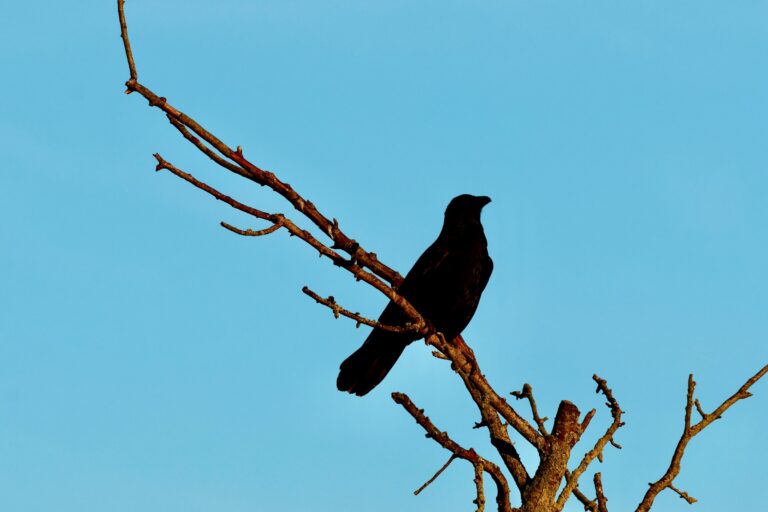 Easy
Carrion Crow
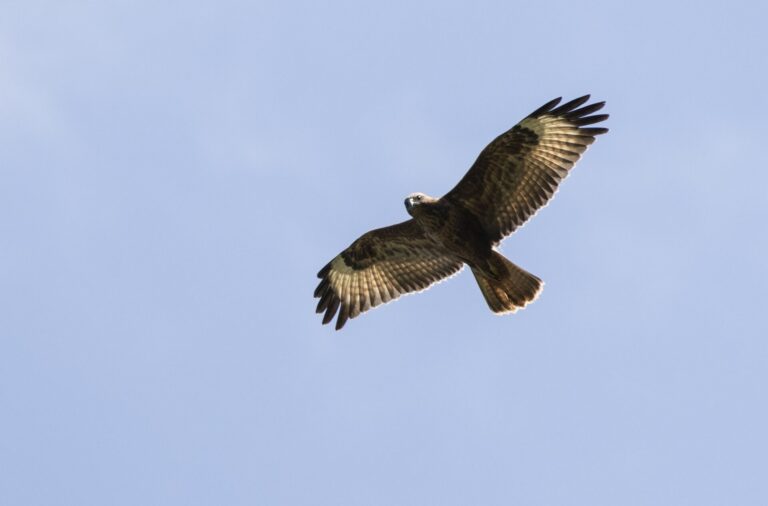 Easy
Common Buzzard
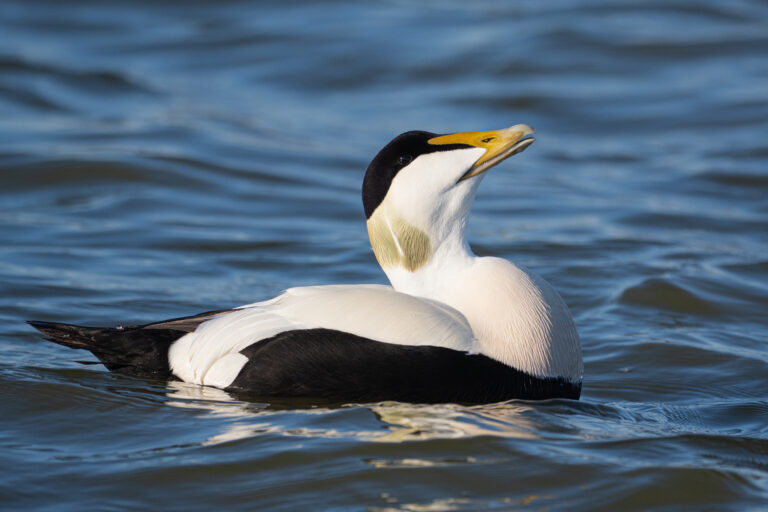 Easy
Common Eider
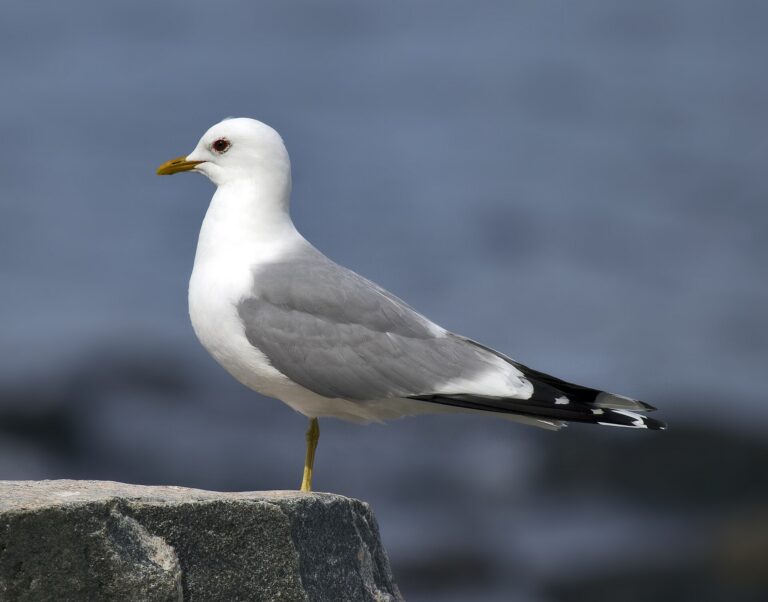 Easy
Common Gull
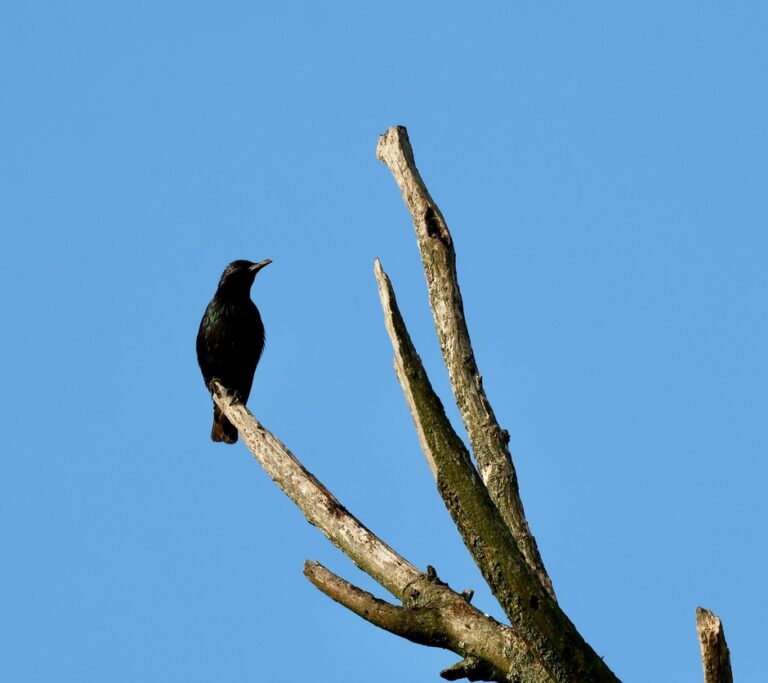 Easy
Common Starling
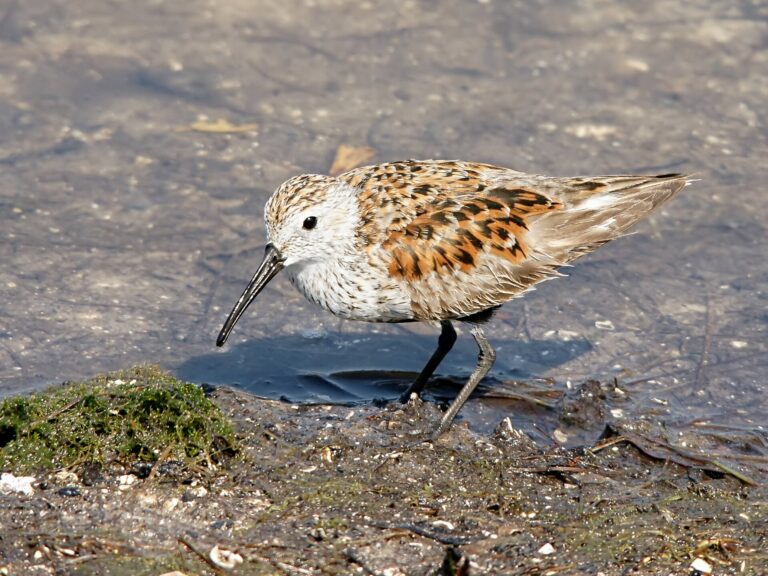 Easy
Dunlin
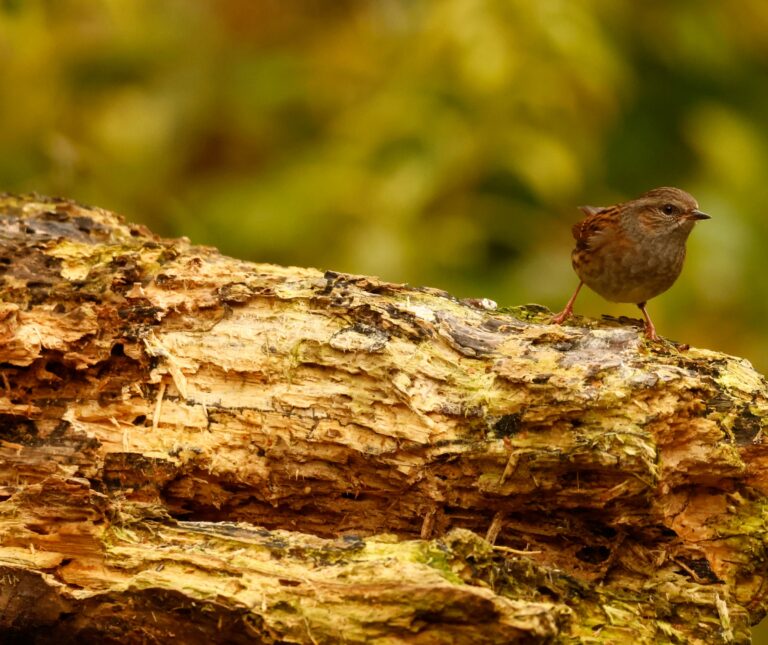 Easy
Dunnock
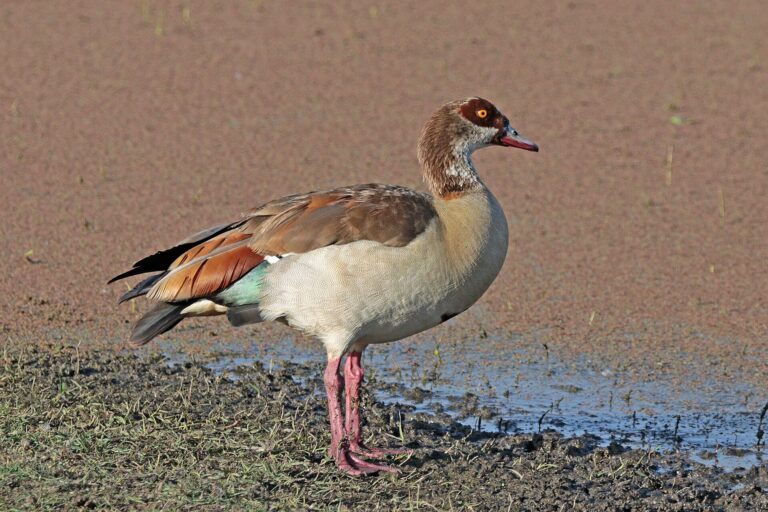 Easy
Egyptian Goose
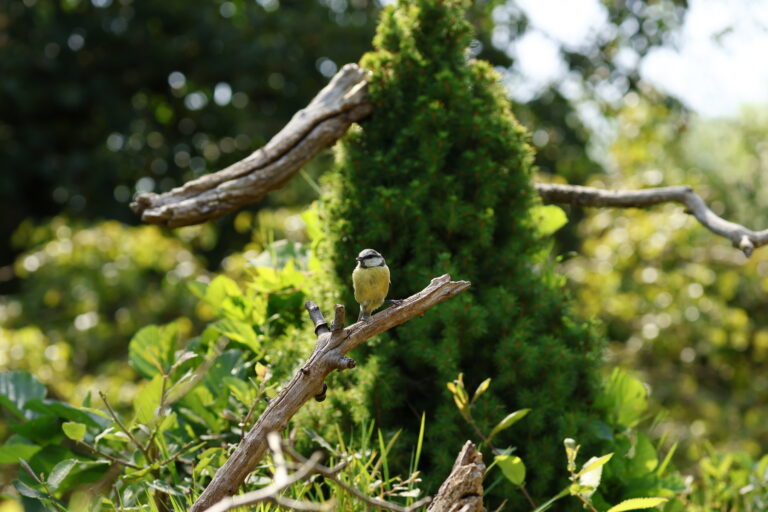 Easy
Eurasian Blue Tit
 Easy
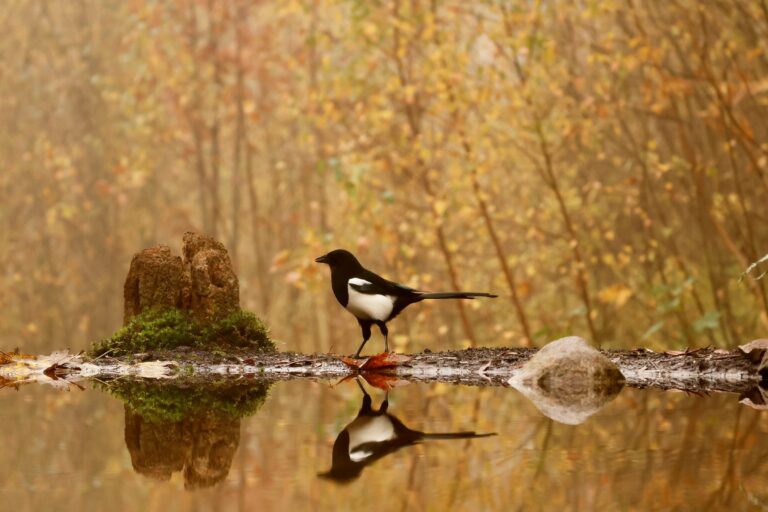
Eurasian Magpie
 Easy
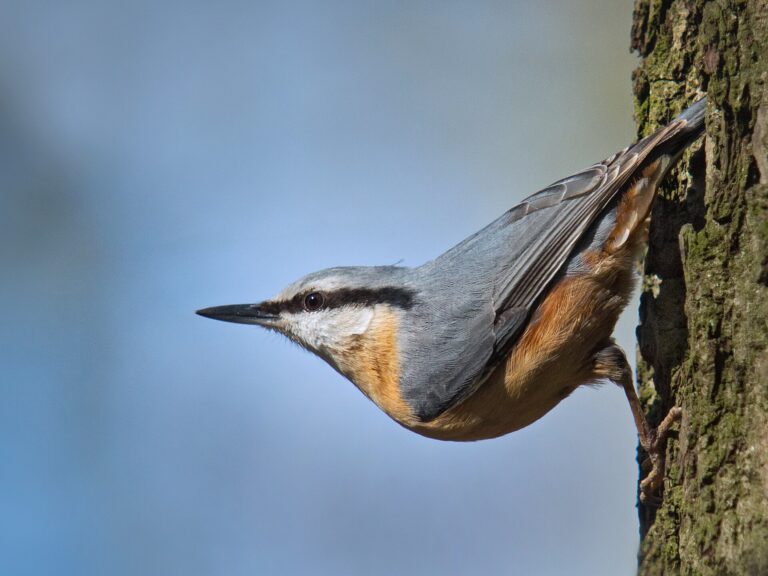
Eurasian Nuthatch
 Easy
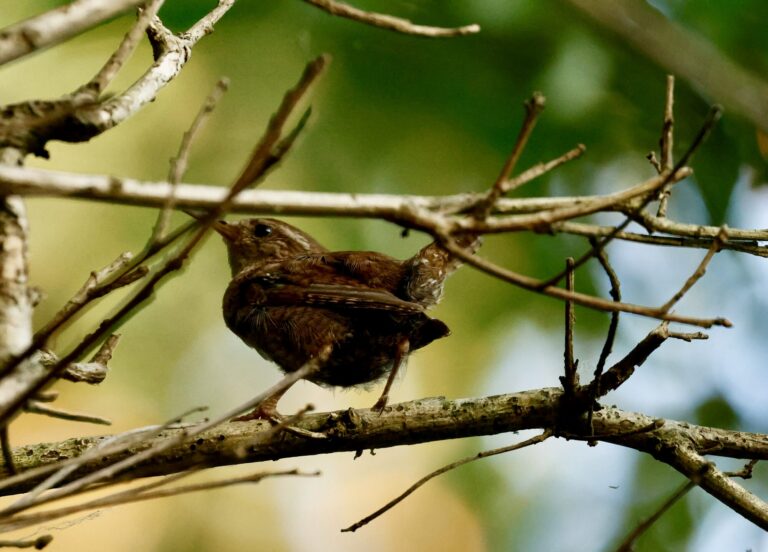
Eurasian Wren
 Easy
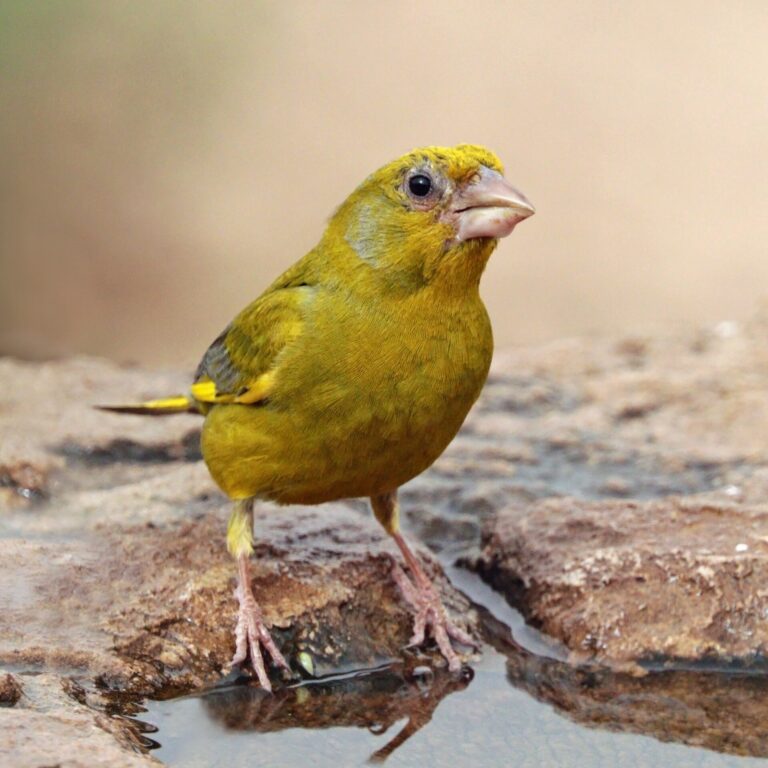
European Greenfinch
 Easy
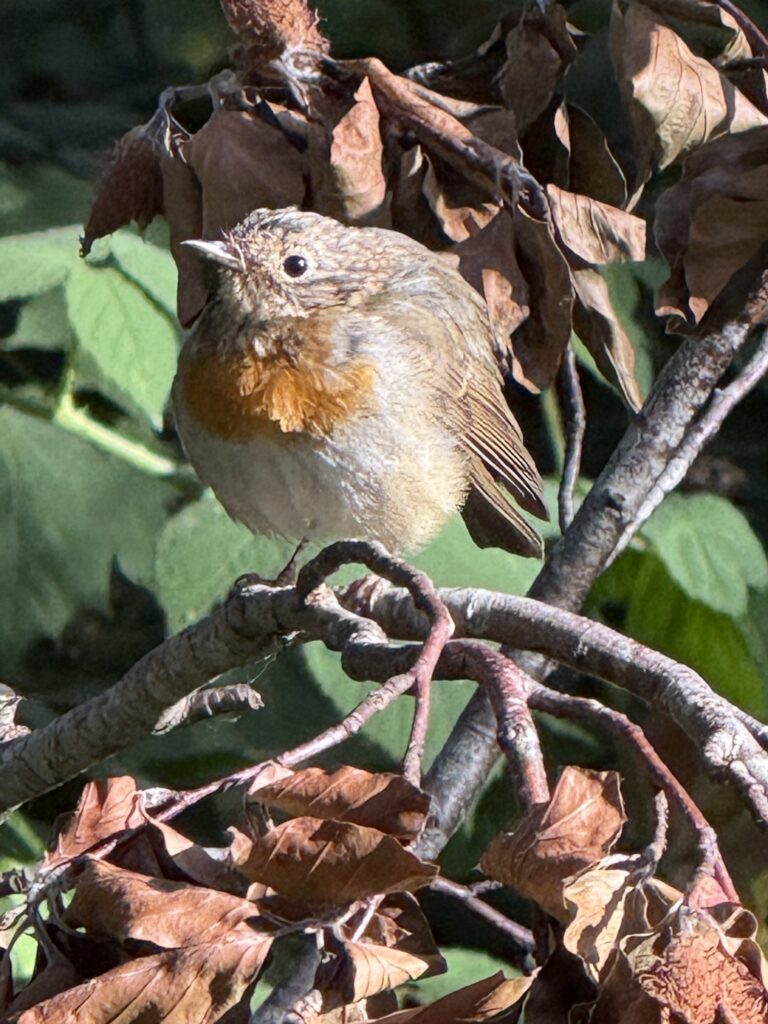
European Robin
 Easy
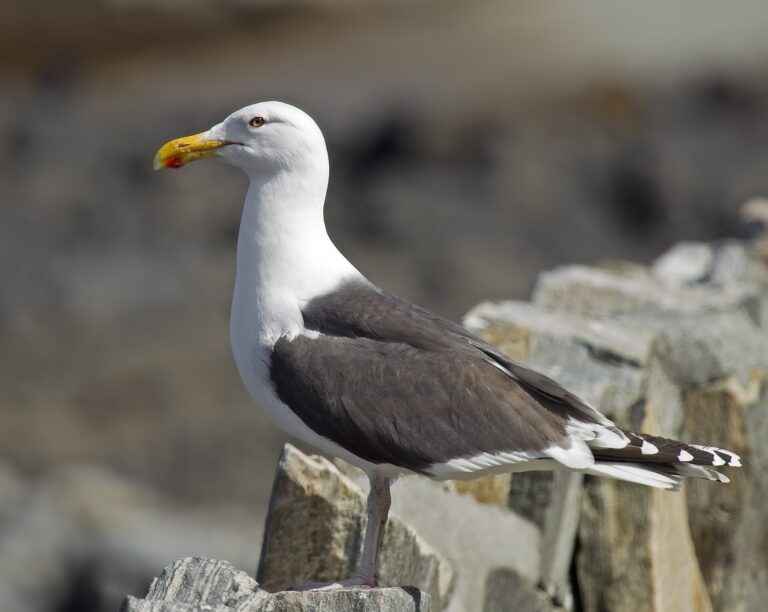
Great Black-backed Gull
 Easy
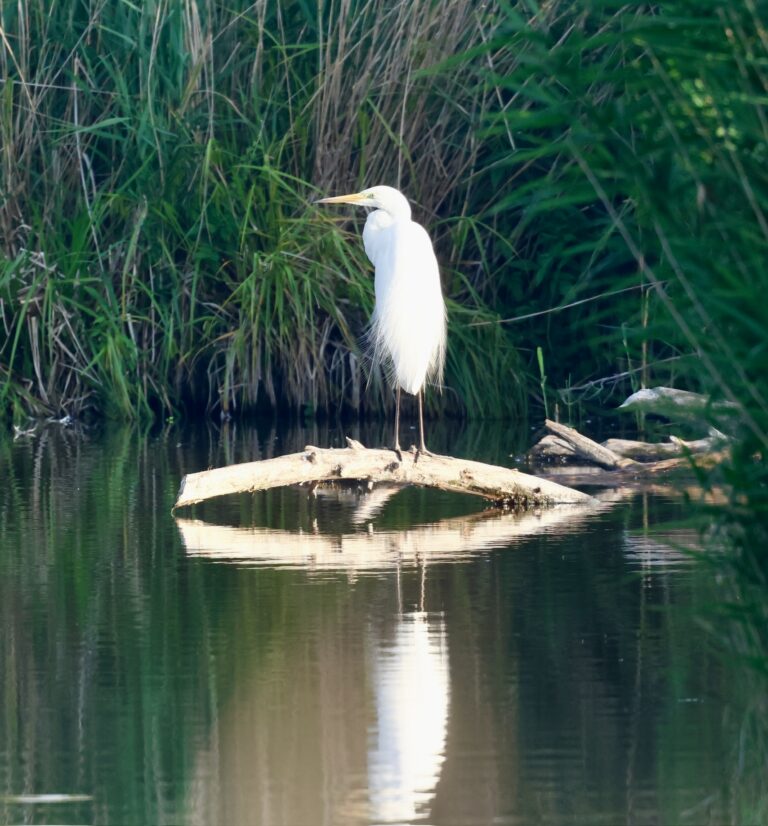
Great Egret
 Easy
Great Spotted Woodpecker
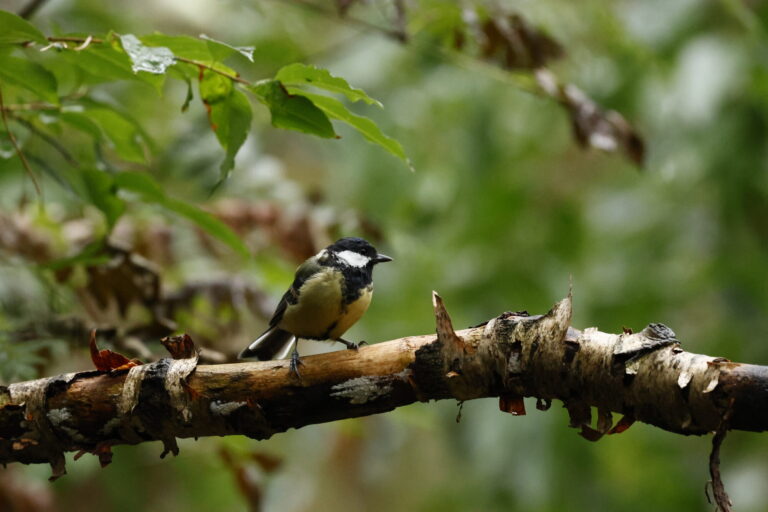 Easy
Great Tit
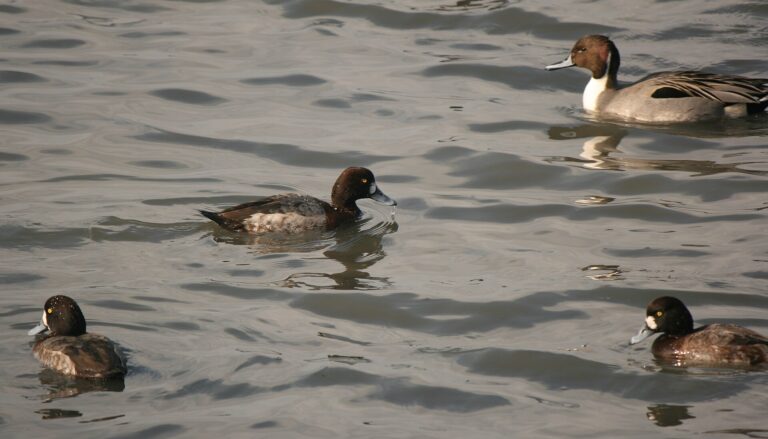 Easy
Greater Scaup
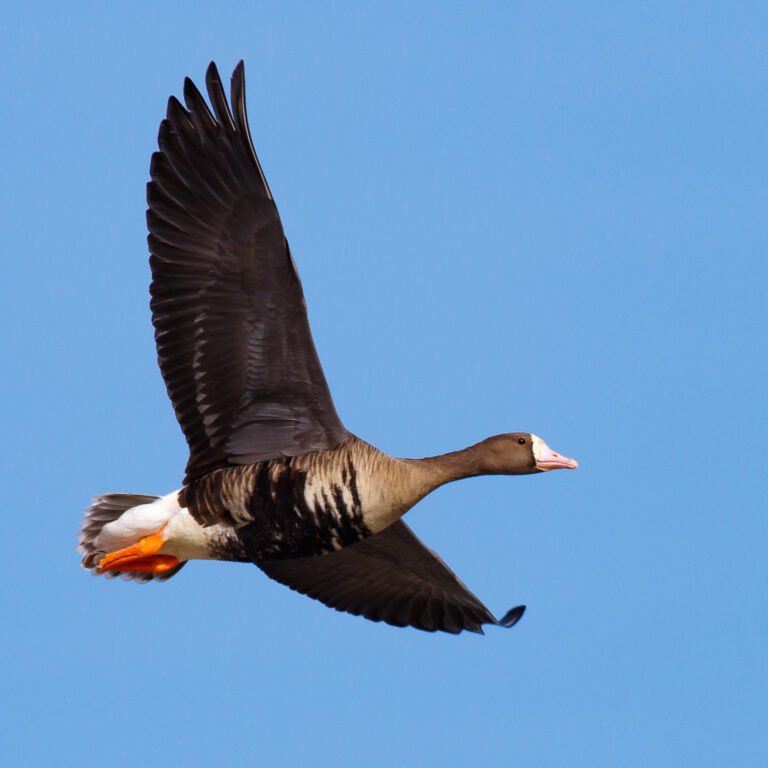 Easy
Greater White-fronted Goose
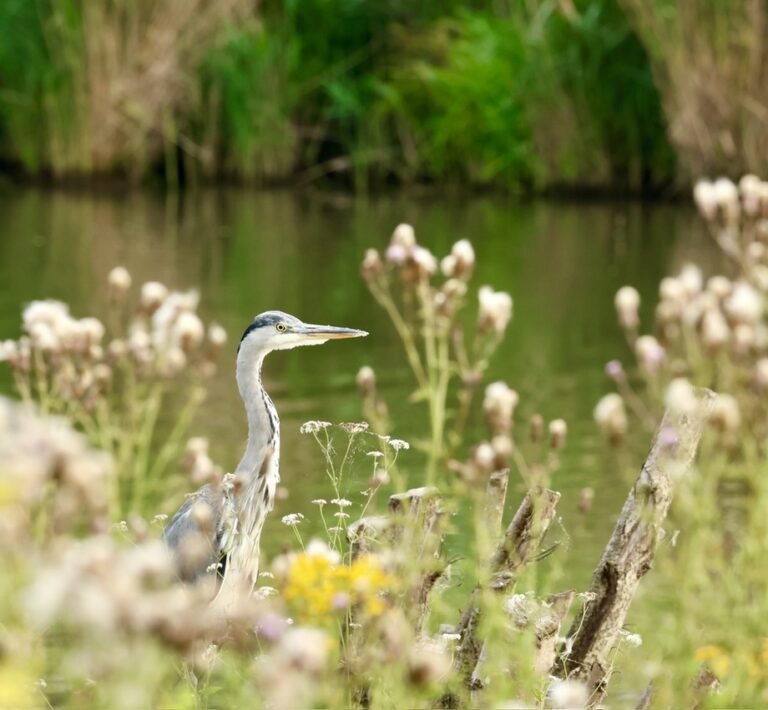 Easy
Grey Heron
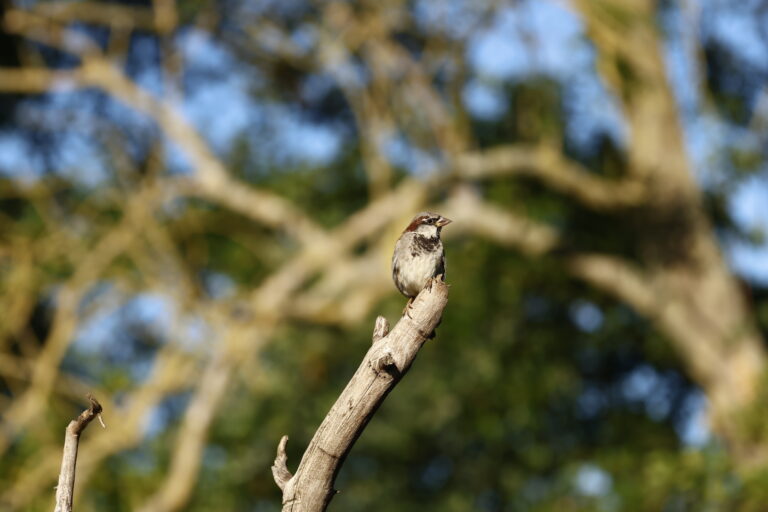 Easy
House Sparrow
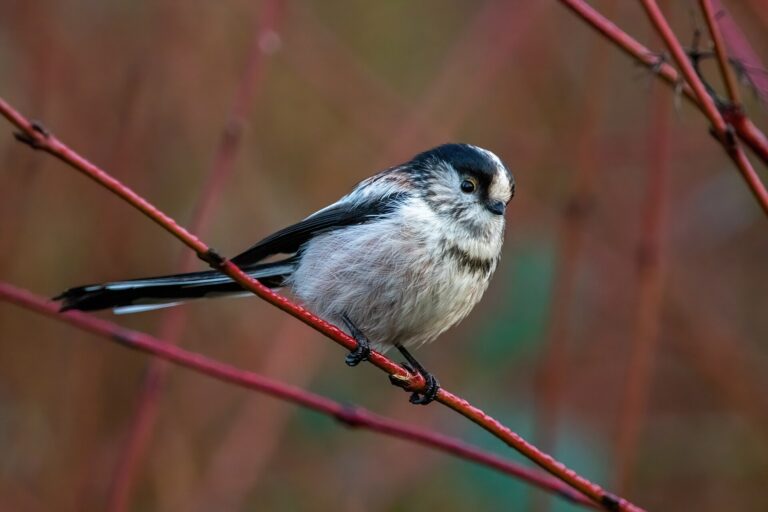 Easy
Long-tailed Tit
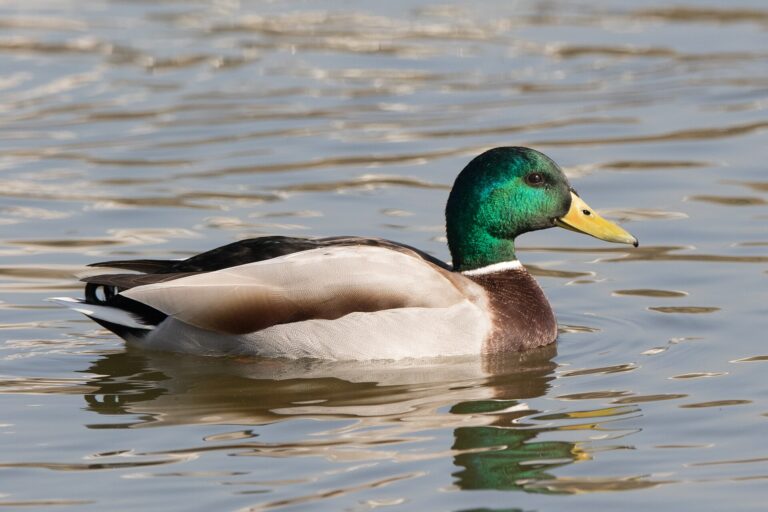 Easy
Mallard
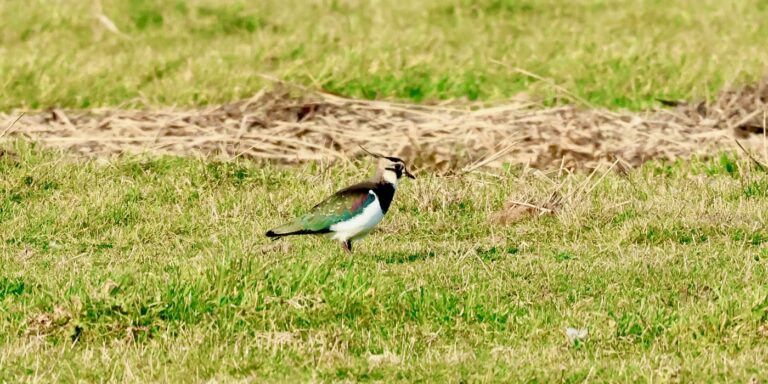 Easy
Northern Lapwing
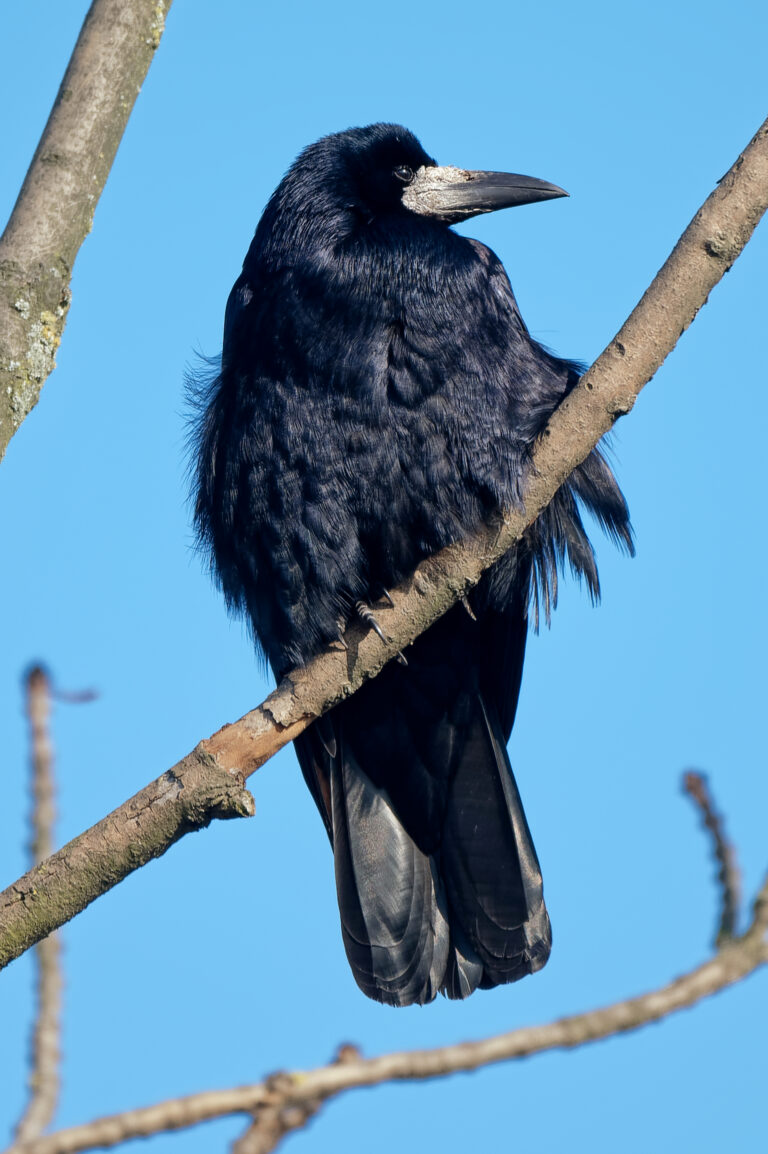 Easy
Rook
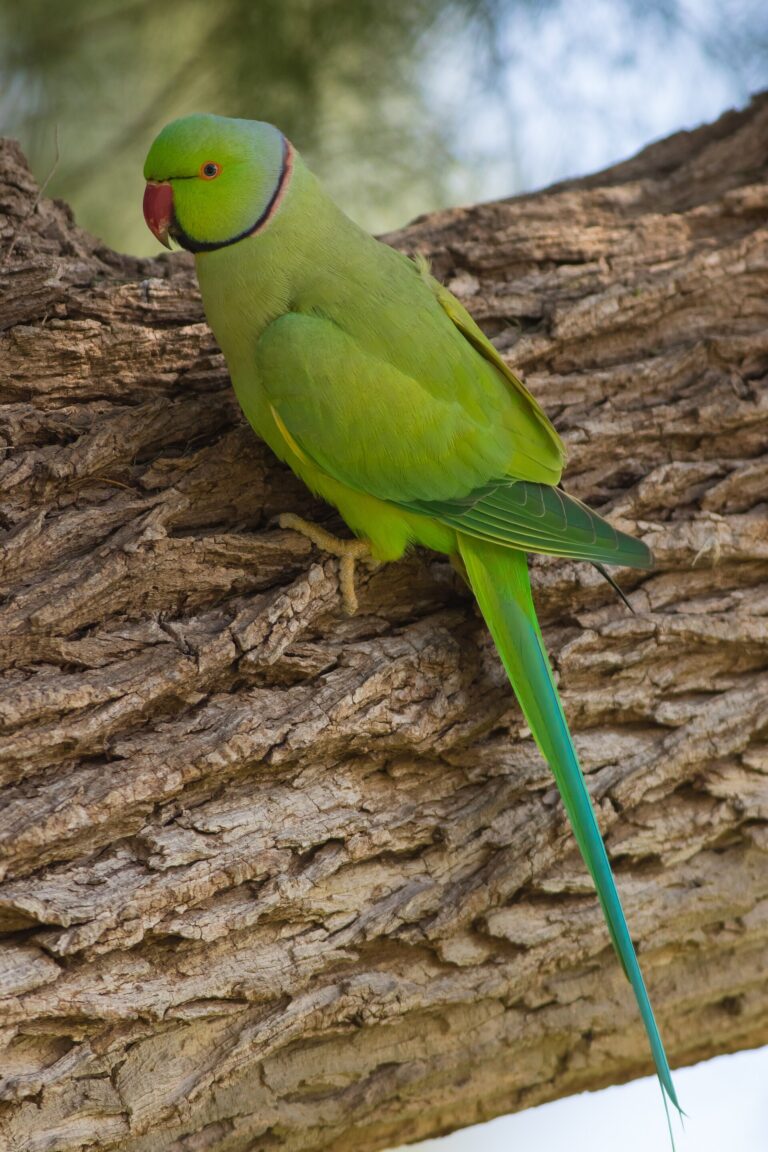 Easy
Rose-ringed Parakeet
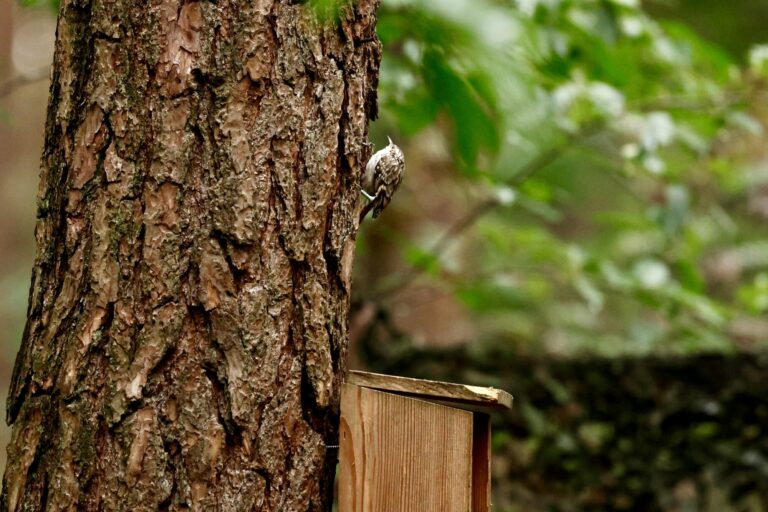 Easy
Short-toed Treecreeper
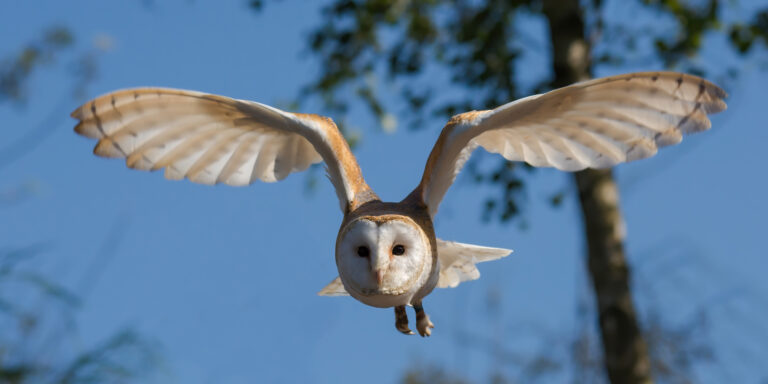 With luck
Barn Owl
 With luck
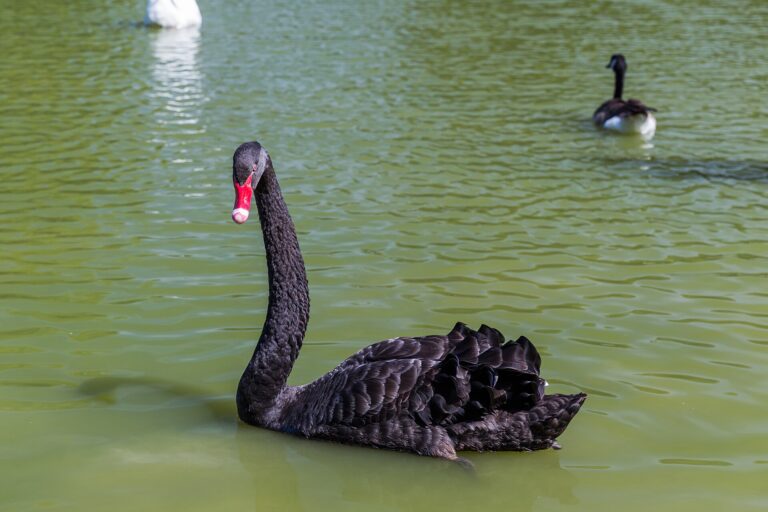
Black Swan
 With luck
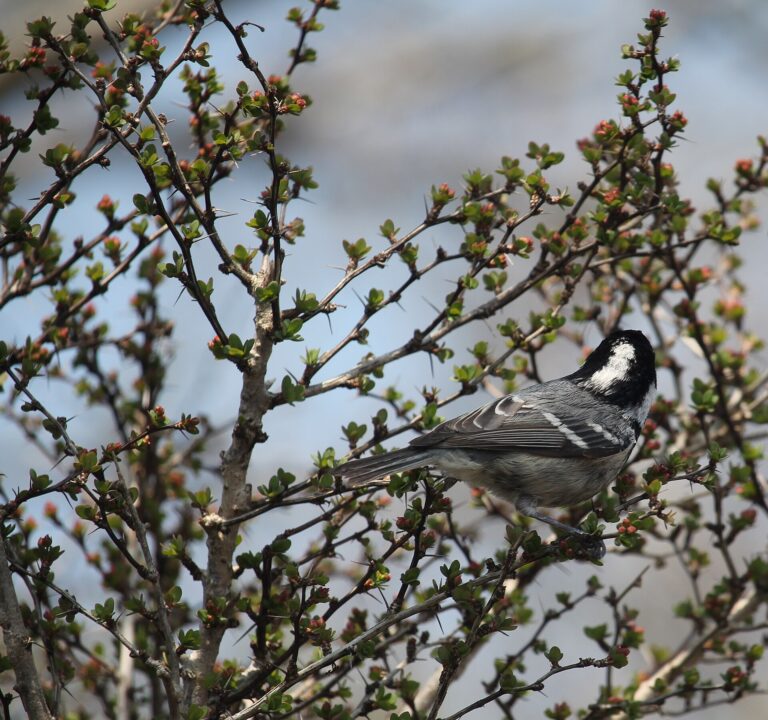
Coal Tit
 With luck
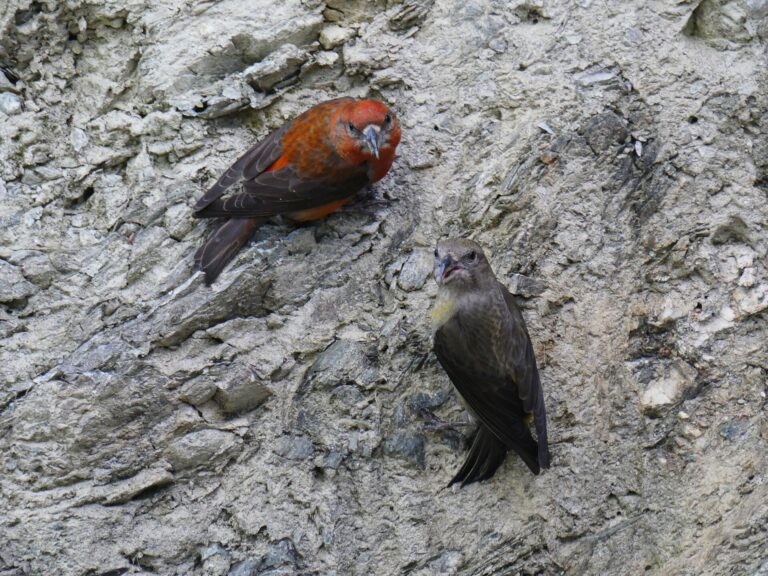
Common Crossbill
 With luck
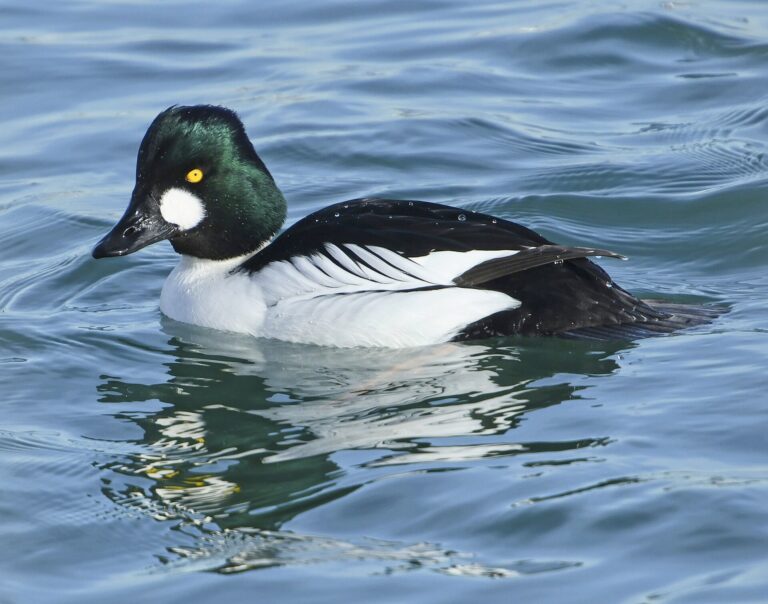
Common Goldeneye
 With luck
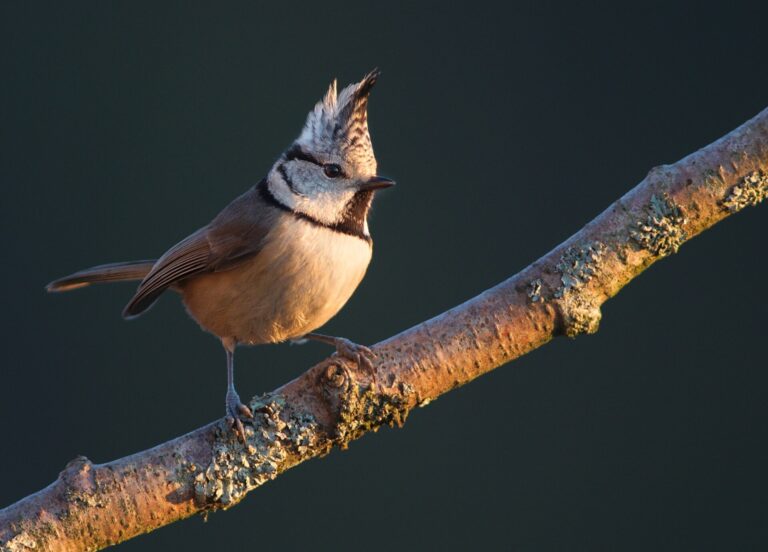
Crested Tit
 With luck
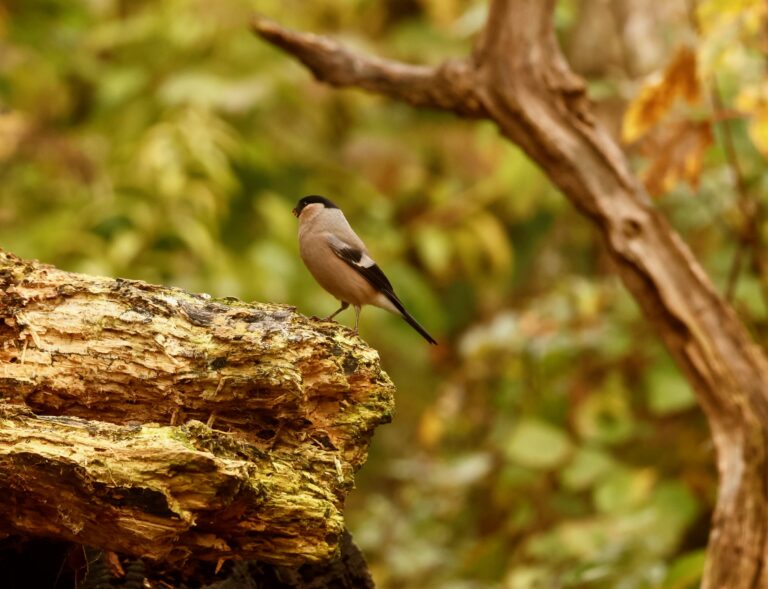
Eurasian Bullfinch
 With luck
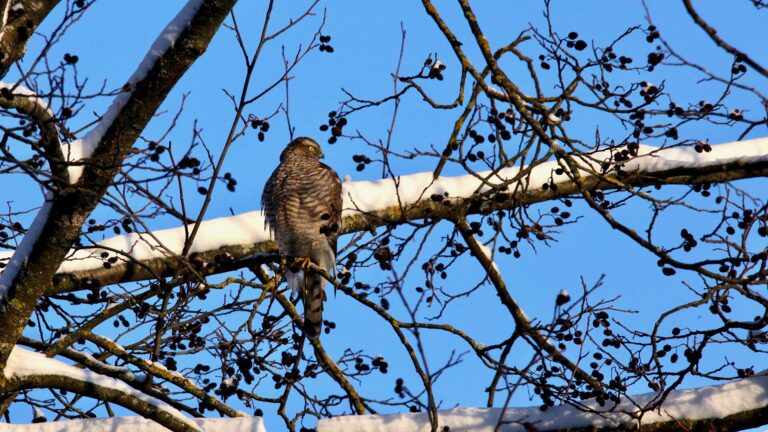
Eurasian Sparrowhawk
 With luck
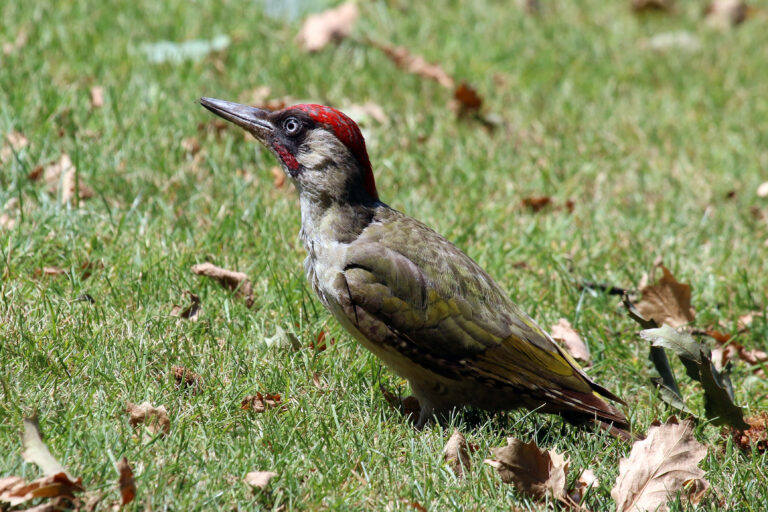
European Green Woodpecker
 With luck
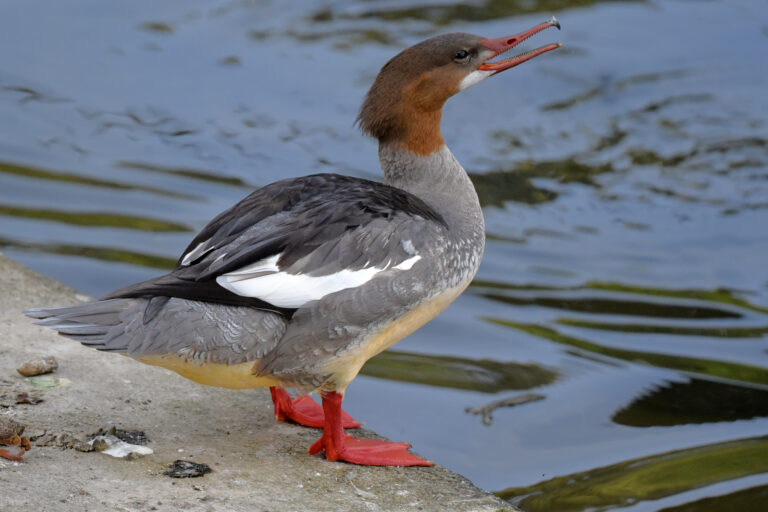
Goosander
 With luck
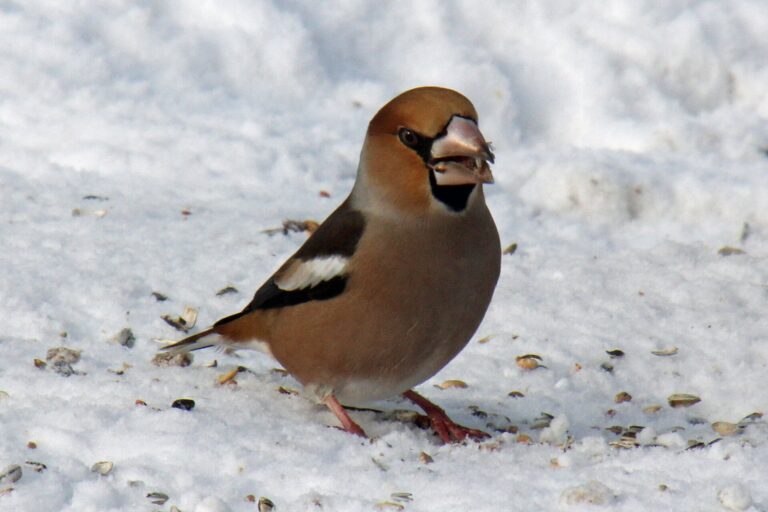
Hawfinch
 With luck
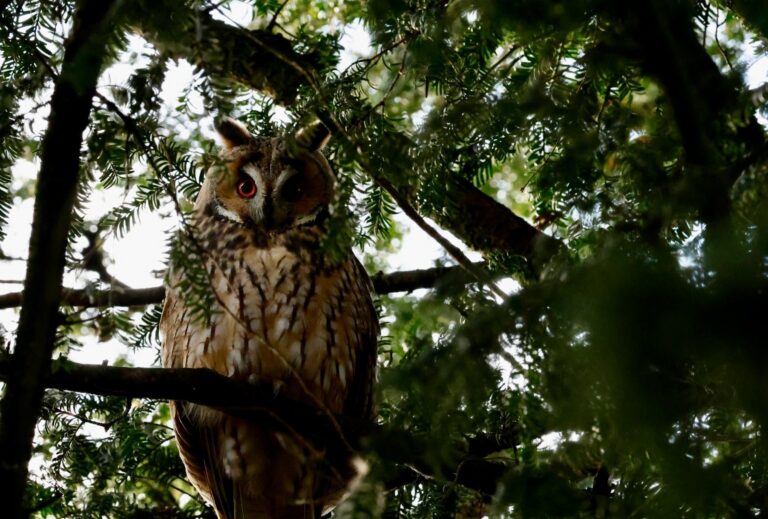
Long-eared Owl
 With luck
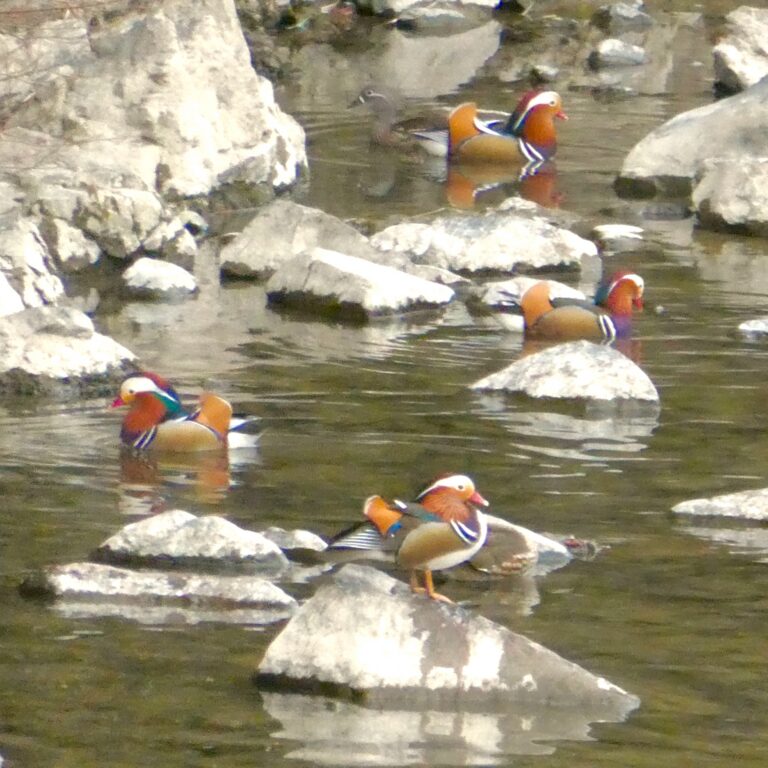
Mandarin Duck
 With luck
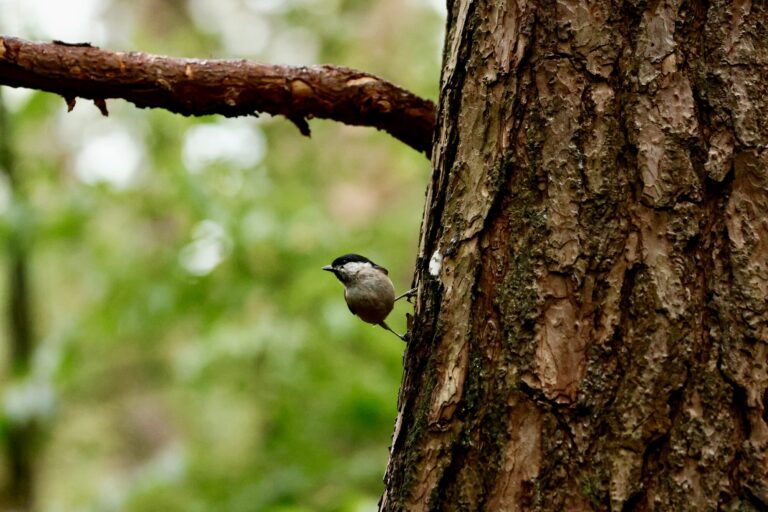
Marsh Tit
 With luck
Middle Spotted Woodpecker
 With luck
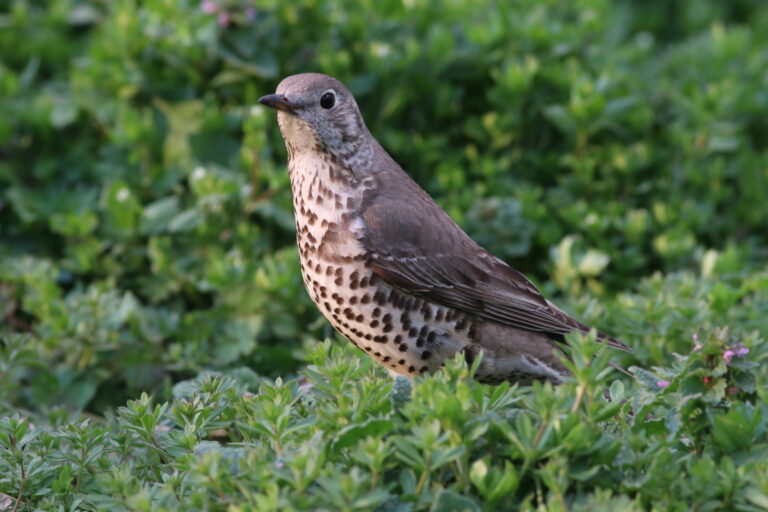
Mistle Thrush
 With luck
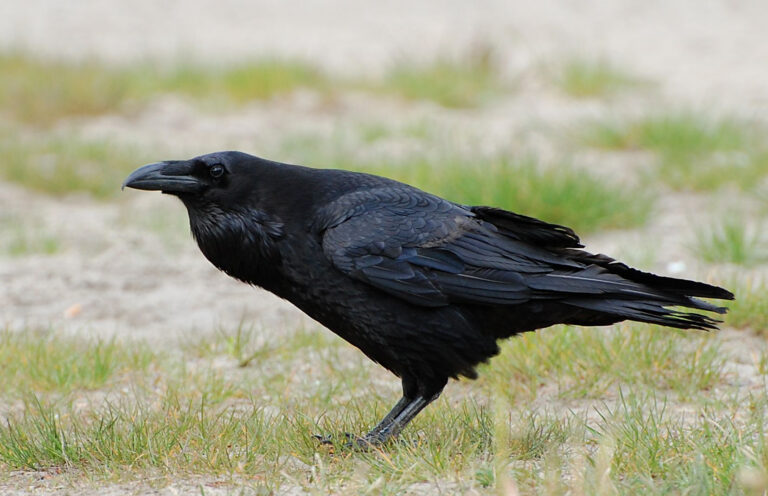
Northern Raven
 With luck
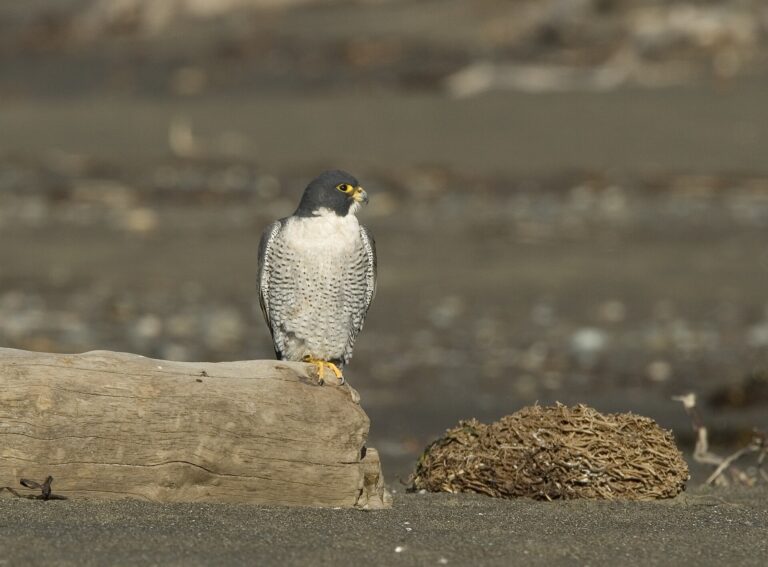
Peregrine Falcon
 With luck
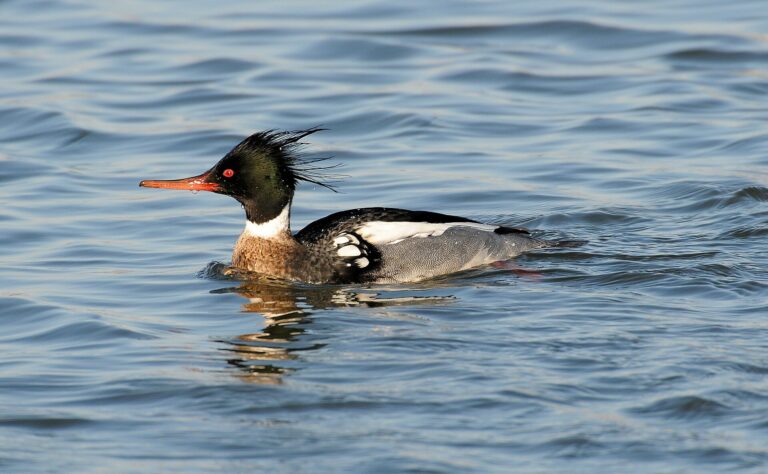
Red-breasted Merganser
 With luck
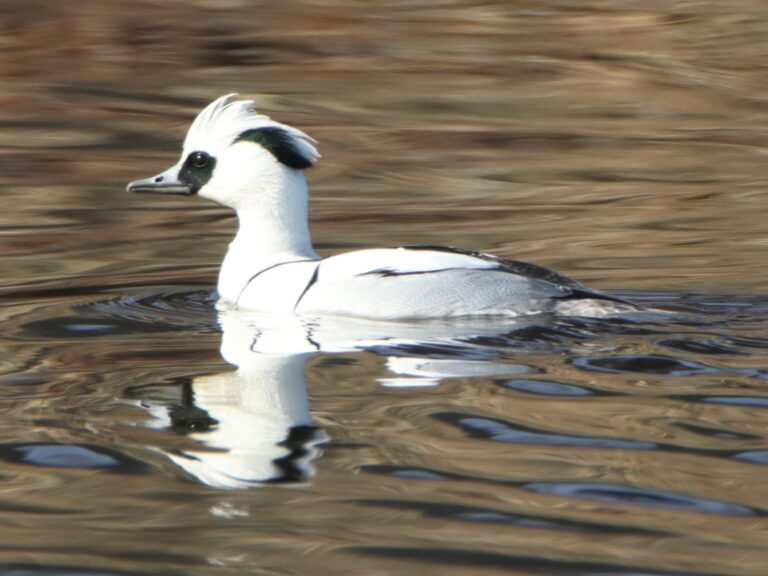
Smew
 With luck
Tawny Owl
 With luck
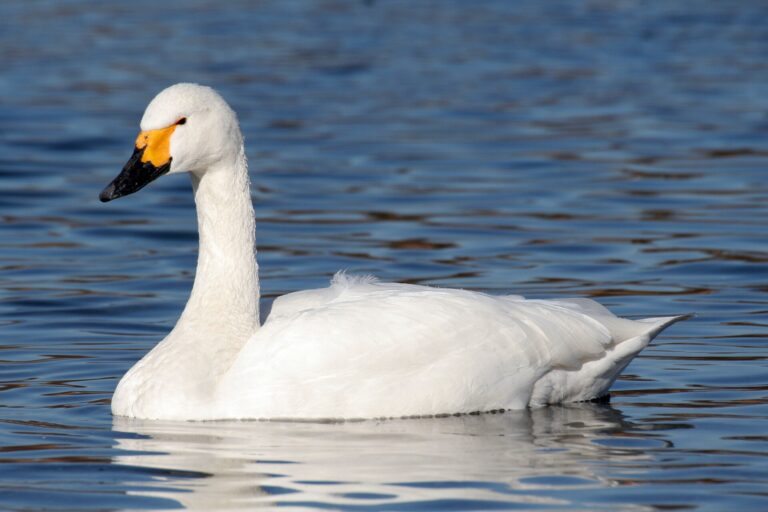
Tundra Swan
 With luck
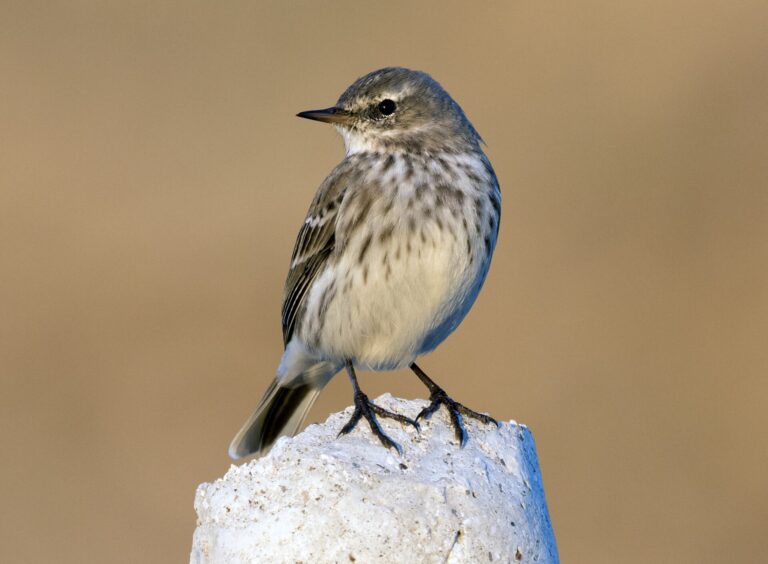
Water Pipit
 With luck
White-tailed Eagle
 With luck
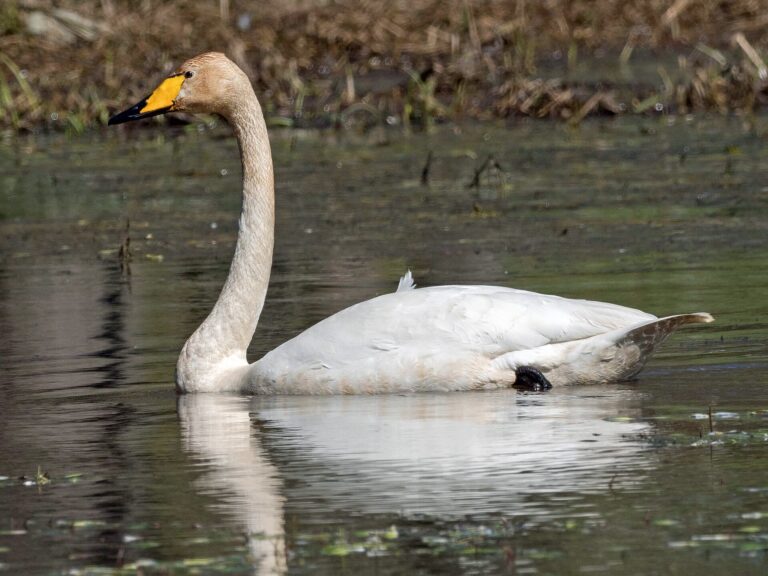
Whooper Swan
 With luck
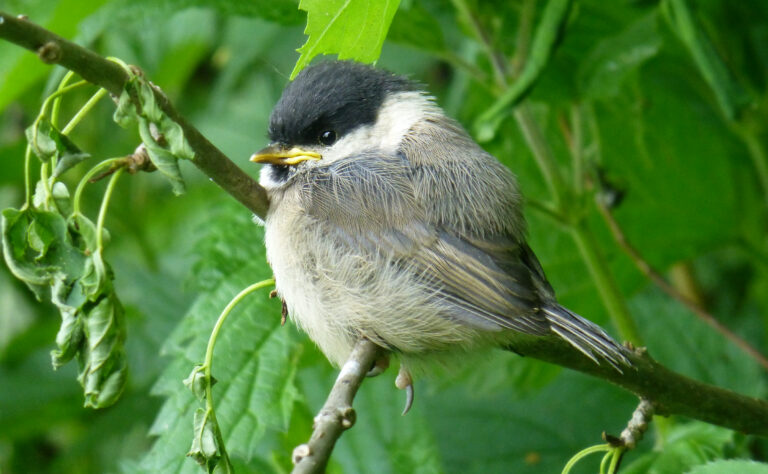
Willow Tit
 With luck
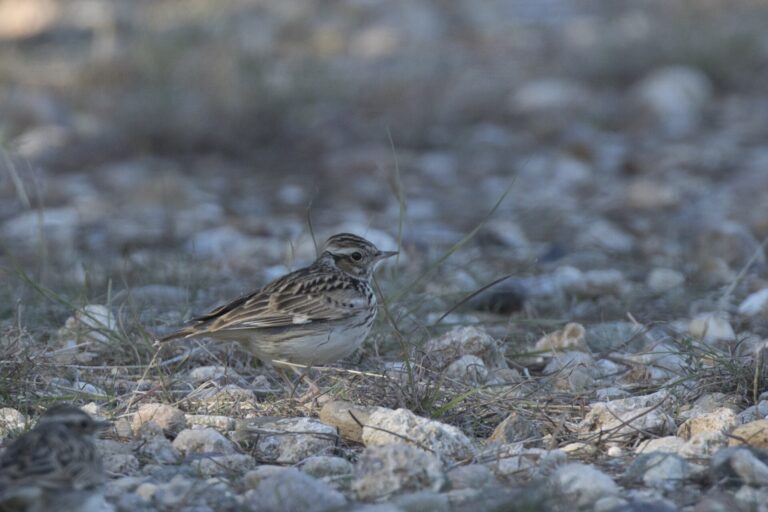
Woodlark
 Rare
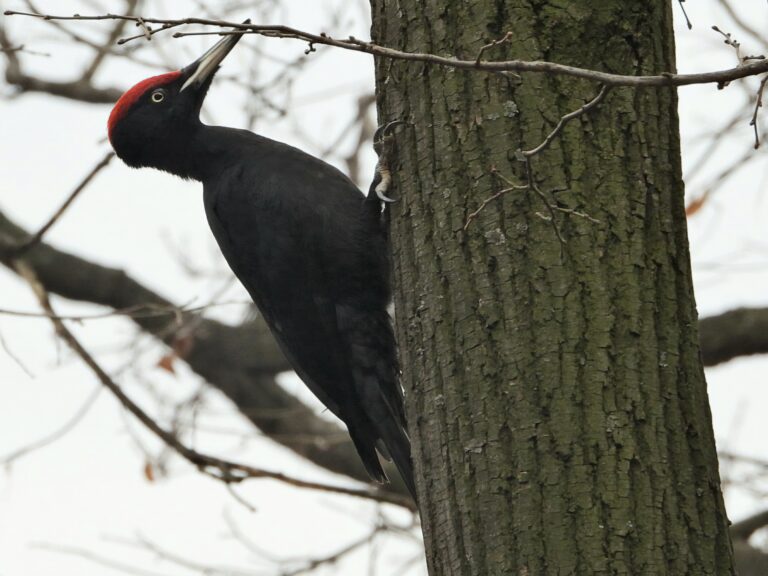
Black Woodpecker
 Rare
Great Grey Shrike
 Rare
Hen Harrier
 Rare
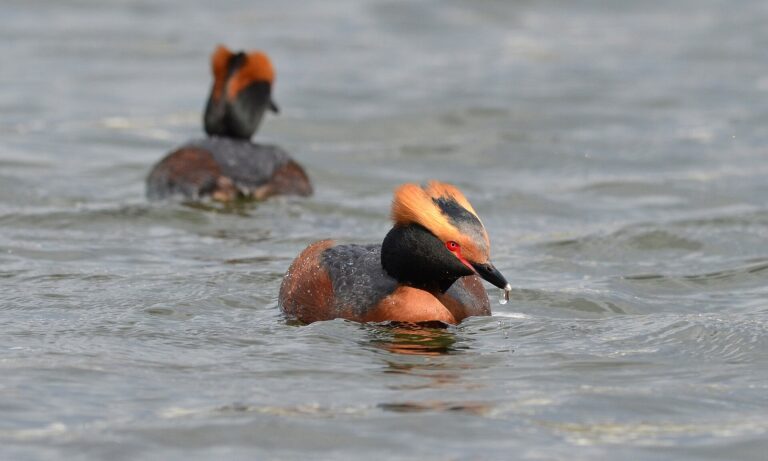
Horned Grebe
 Rare
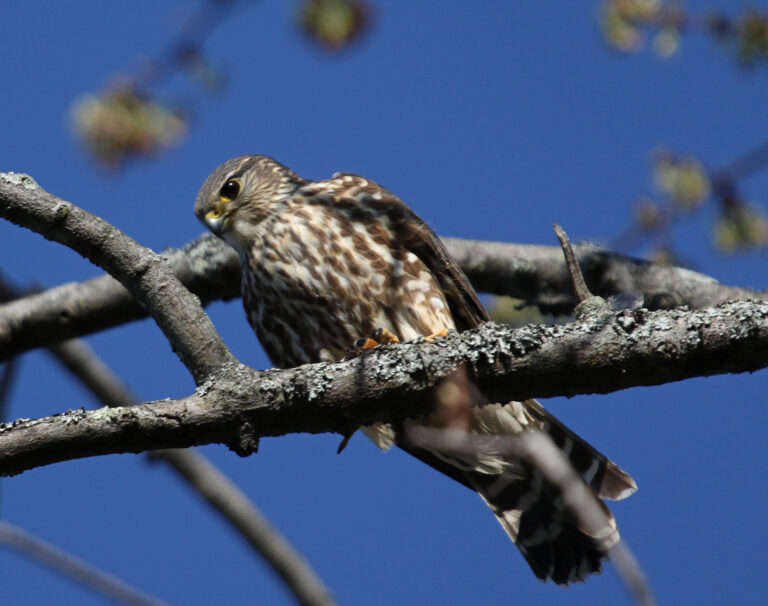
Merlin
 Rare
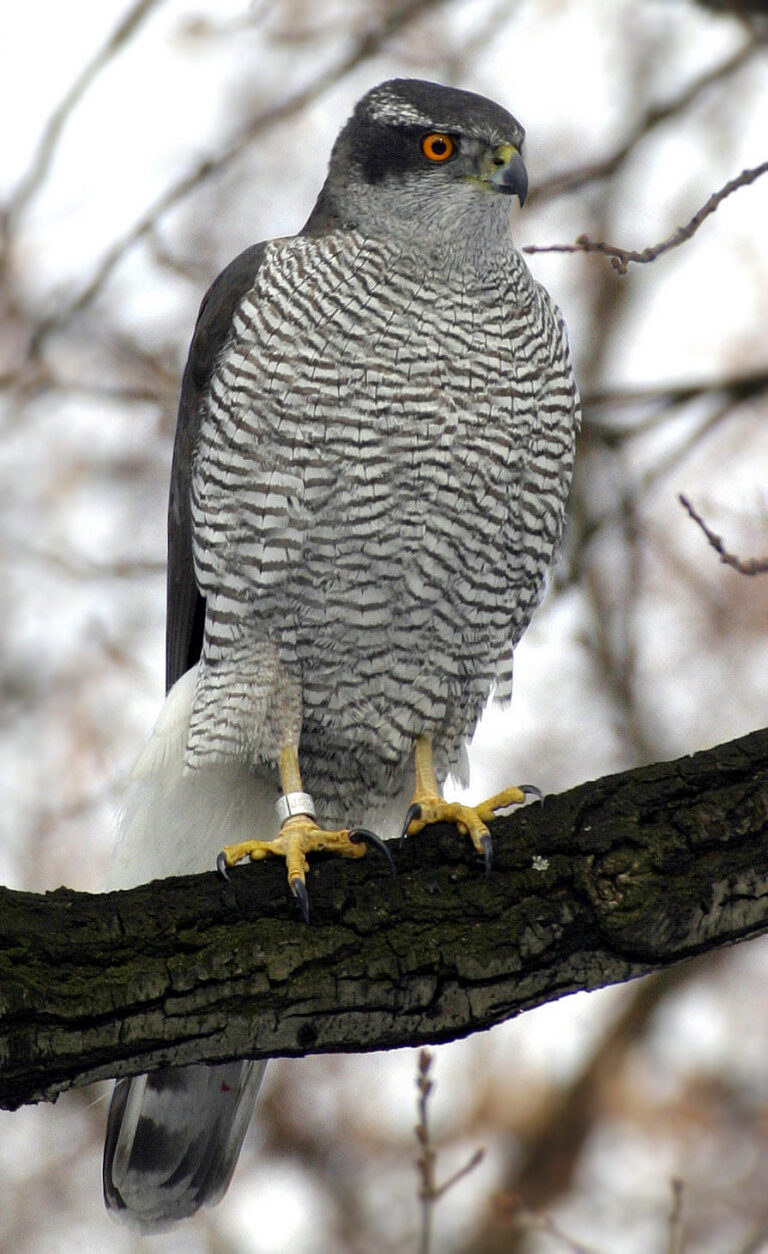
Northern Goshawk
 Rare
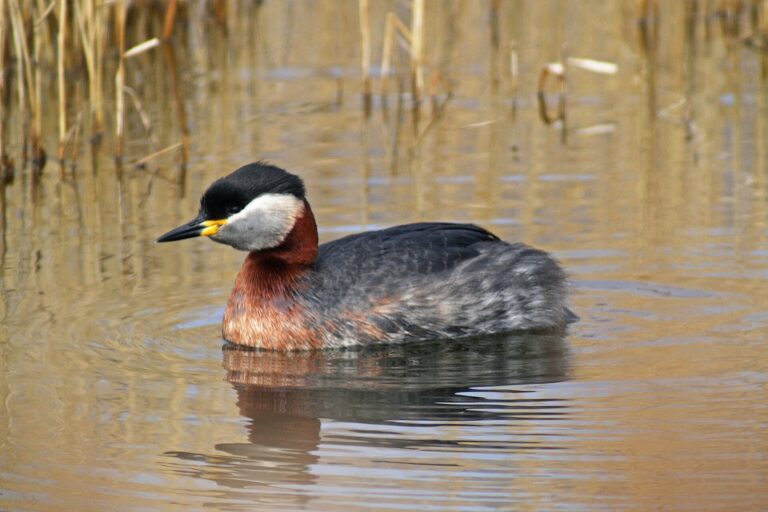
Red-necked Grebe
 Rare
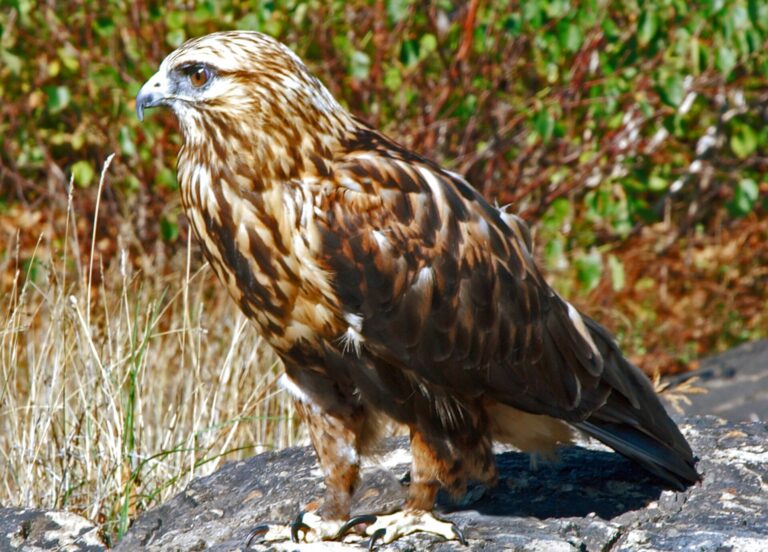
Rough-legged Buzzard
 Rare
Short-eared Owl
 Very rare
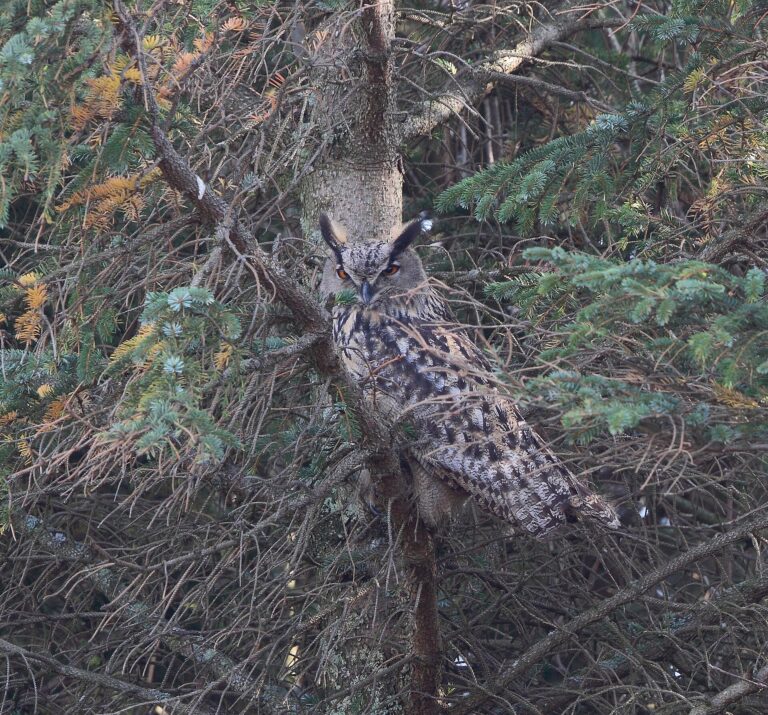
Eurasian Eagle-owl
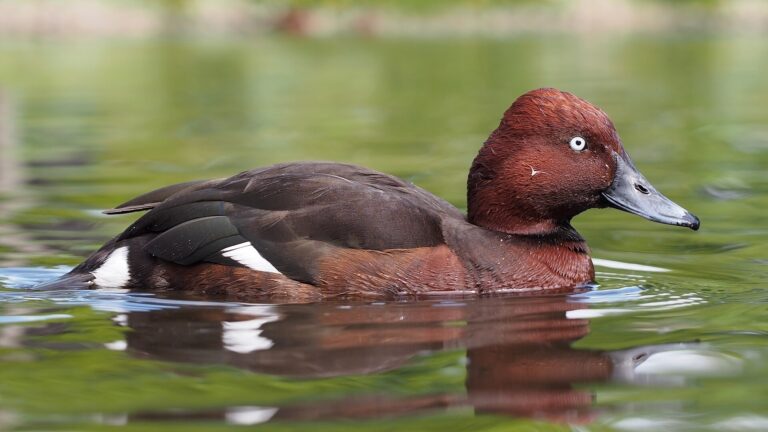 Very rare
Ferruginous Duck
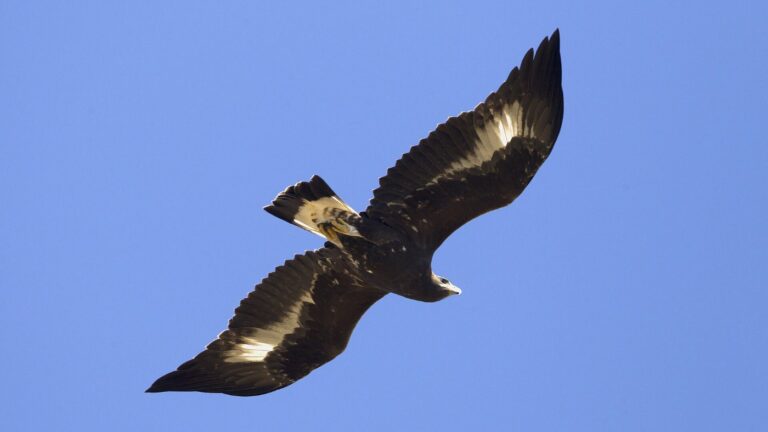 Very rare
Golden Eagle
- All species in English
- Areas in English
- Wildlife in the Netherlands, the English starting point.