
Wild animals are not equally visible all year. This calendar shows, month by month, which species are worth going out for in the Netherlands, in order of how good your chances are.
Wildlife calendar
What can you see in June?
Wild animals are not equally visible all year. This calendar shows, month by month, which species are actually worth going out for.
June
69 of 203 speciesIn order of how good your chances are.
June has the longest days and the shortest nights of the year, and that changes everything about what you do. It is the month of young animals, of the insects reaching their peak, and of evenings that only get properly dark after ten. What it is no longer: the month of song. That falls away sharply over the course of June.
The chorus falls silent
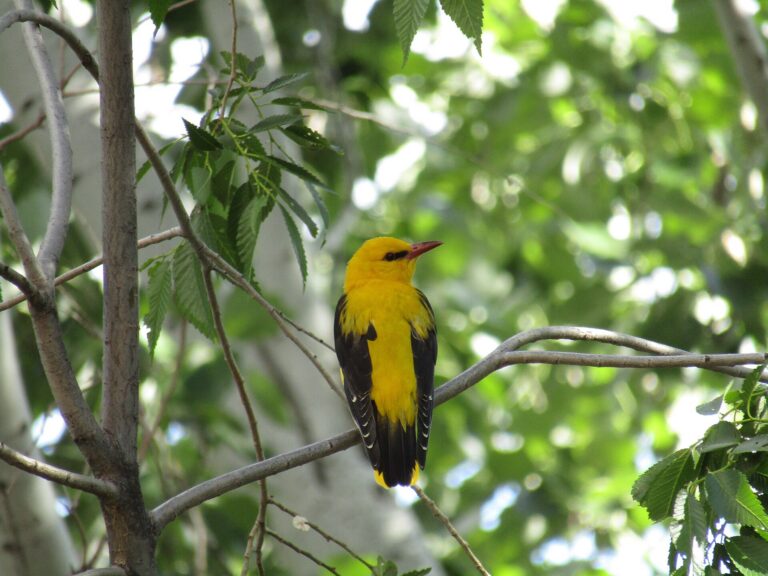
As soon as there are eggs, it stops. The Common Cuckoo can be heard from April to June and falls almost silent as soon as the eggs are laid; the Common Nightingale sings until June, and mainly in the first weeks after arrival. The Eurasian Golden Oriole keeps going through June. So go in the first half of the month if you want to hear song — by late June the wood is noticeably quieter than in early May, while there are no fewer birds in it.
Young animals everywhere
Fledged young birds are everywhere in June, and they look helpless without being so. A young blackbird or owl on the ground is almost never abandoned: the parents are nearby and simply carry on feeding it. Picking it up is virtually always the wrong response. The same goes for a roe deer fawn in the grass — the fawns of the roe deer are born in May and in June often still lie waiting alone. In the harbour seal the birth period runs from May to July.
Dragonflies at their best
June is the best dragonfly month of the year. The Banded Demoiselle peaks from mid-June to late July along streams, the Scarlet Dragonfly from mid-June to early August, and the Broad-bodied Chaser is at its height in the first half of the month. The Hairy Dragonfly flies on until late July. Look for them in the middle of the day in sun and little wind: this is the one animal group for which you specifically don't have to get up early.
Dusk lasts longest
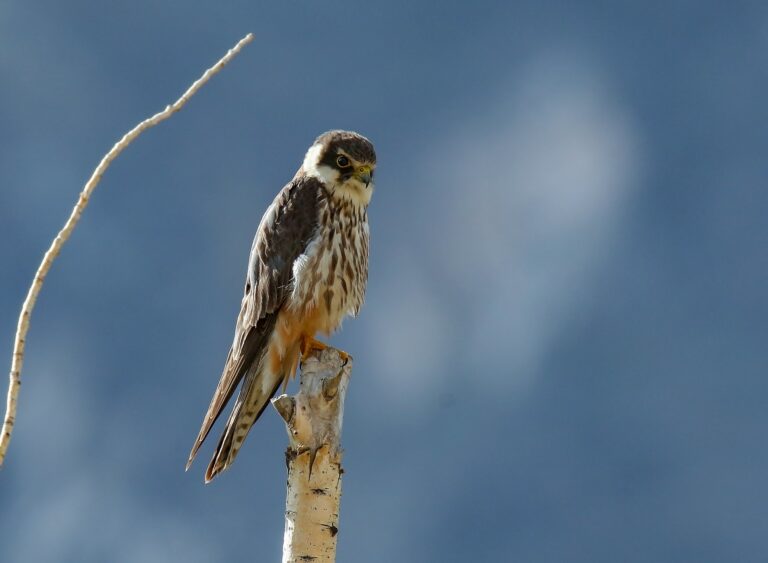
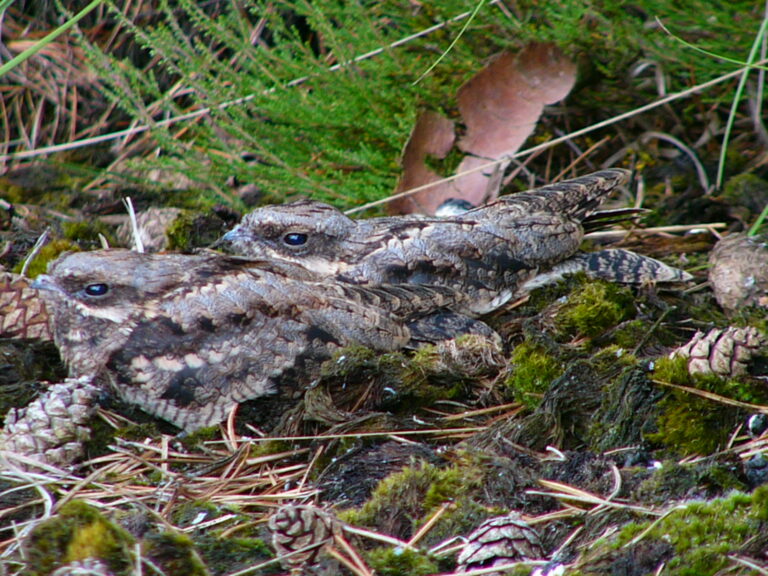
Around the longest day it is not really dark until close to eleven, and that makes the crepuscular animals easy to follow. The European Nightjar churrs from mid-May to July above open heath, and the common noctule is often in the air before sunset — high, fast and easily taken for a swift. The Eurasian Hobby has its best period from June to August and hunts dragonflies and swallows in precisely those hours.
Where to go
For dragonflies, head for streams and moorland pools: the Leuvenumse Bossen, Dwingelderveld or De Meinweg. For nightjar and dusk, open heath with scattered trees, and be there before sunset because after that they close: Planken Wambuis or the Sallandse Heuvelrug. For marsh birds and young seals, respectively the Naardermeer and the Wadden Sea.
Practicalities
June is the month to skip the middle of the day and take the edges: early morning for birds, late evening for crepuscular animals, and the middle of the day only for dragonflies and butterflies. Ticks are at their most active, so check after every walk. And it is still the breeding season: on the paths, dogs on the lead, and don't touch young animals. See responsible wildlife watching.
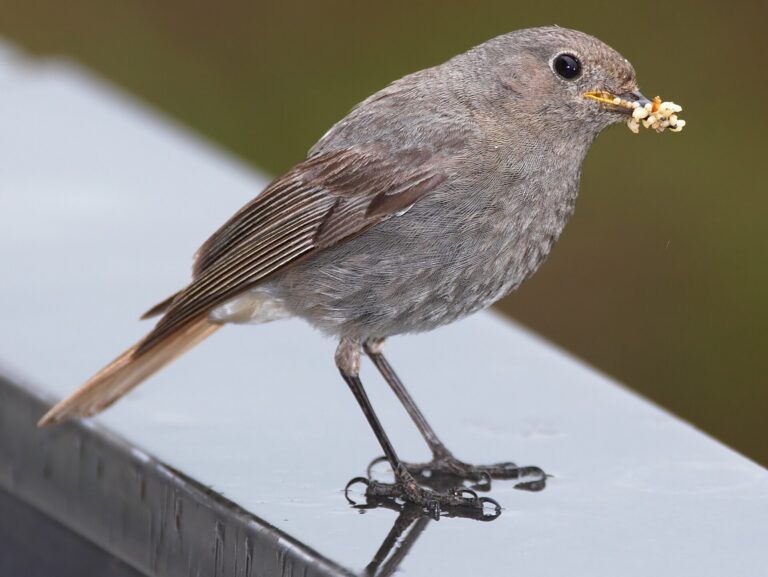 Easy
Black Redstart
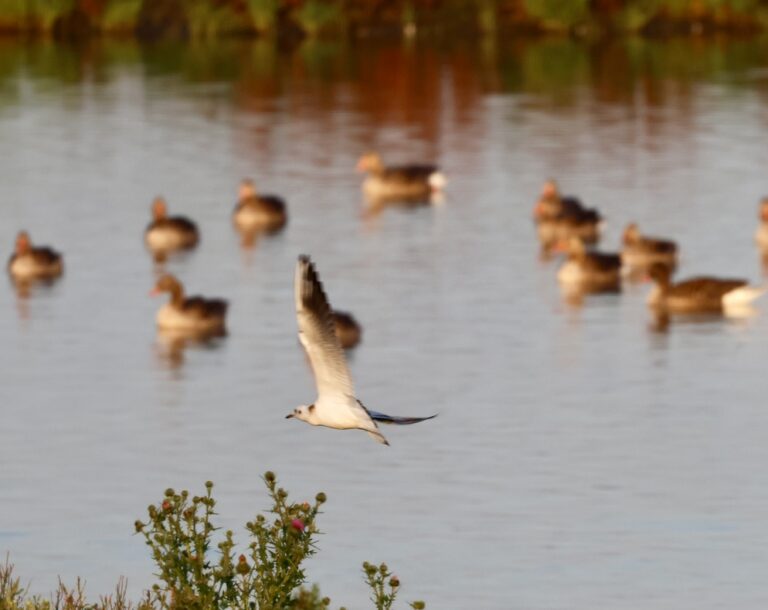 Easy
Black-headed Gull
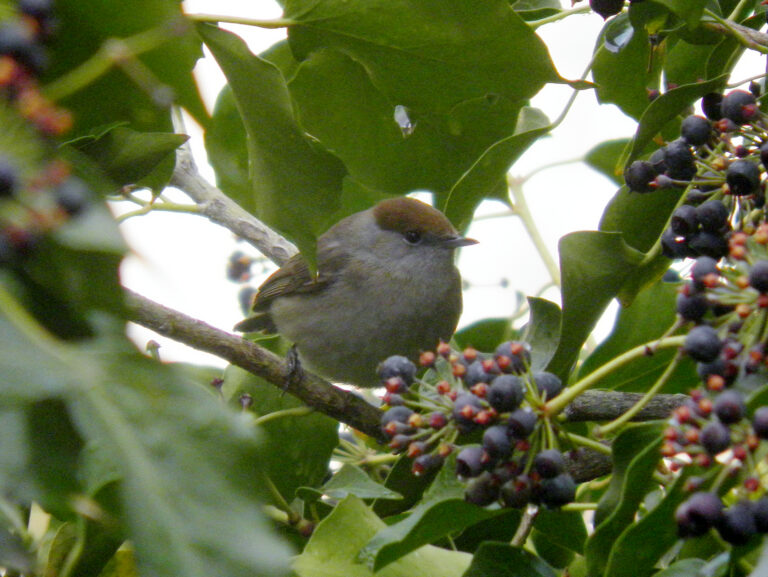 Easy
Blackcap
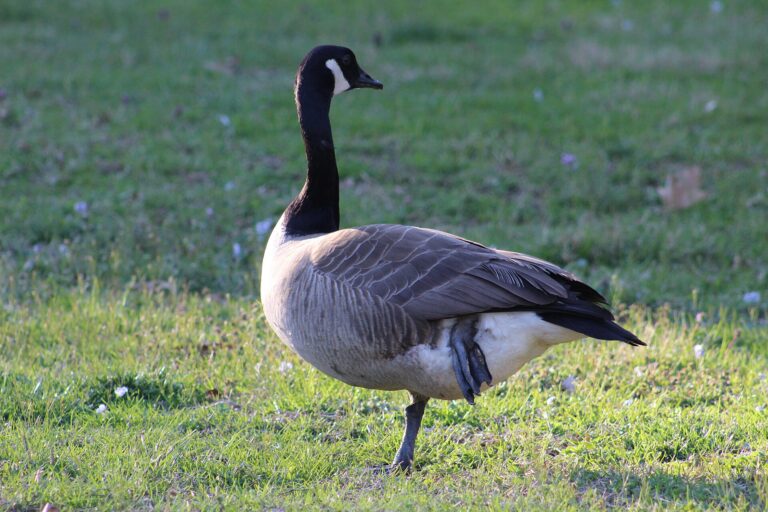 Easy
Canada Goose
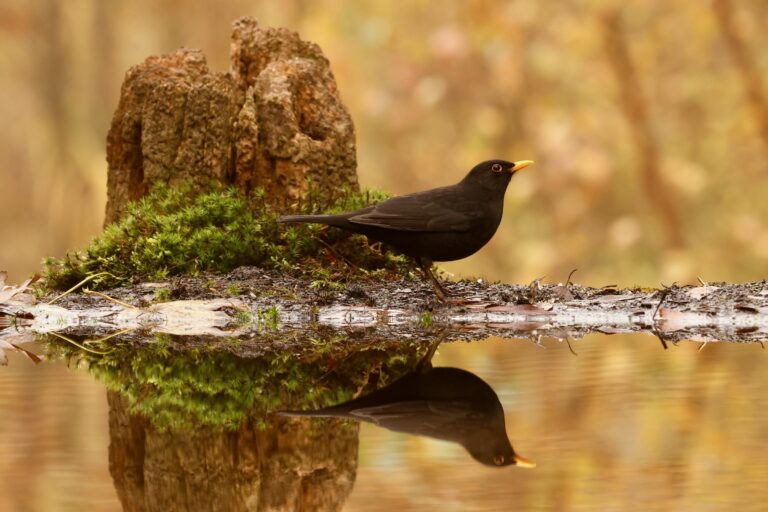 Easy
Common Blackbird
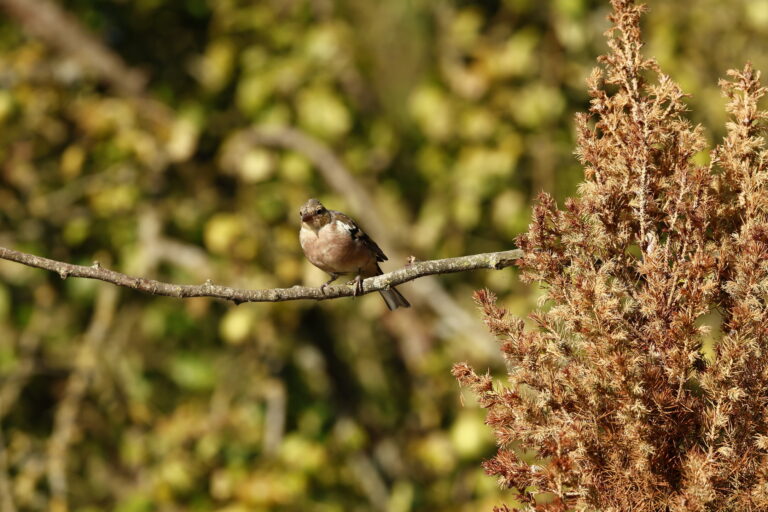 Easy
Common Chaffinch
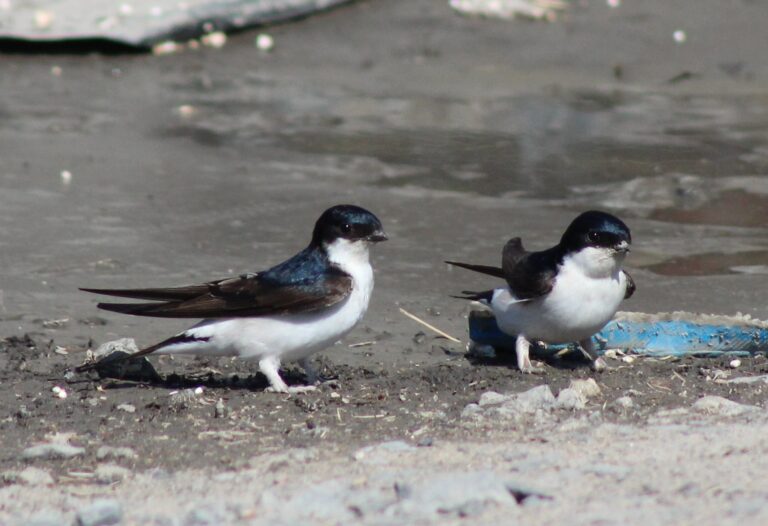 Easy
Common House Martin
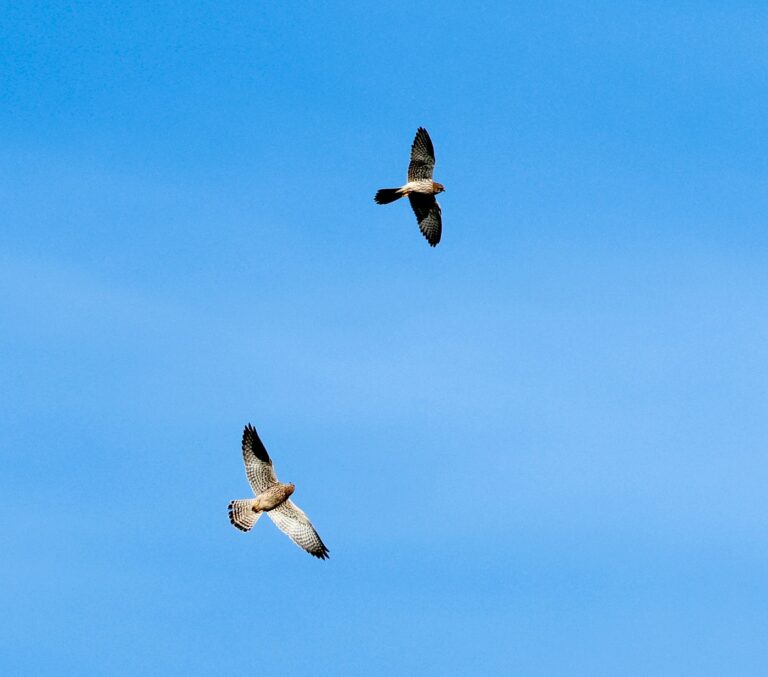 Easy
Common Kestrel
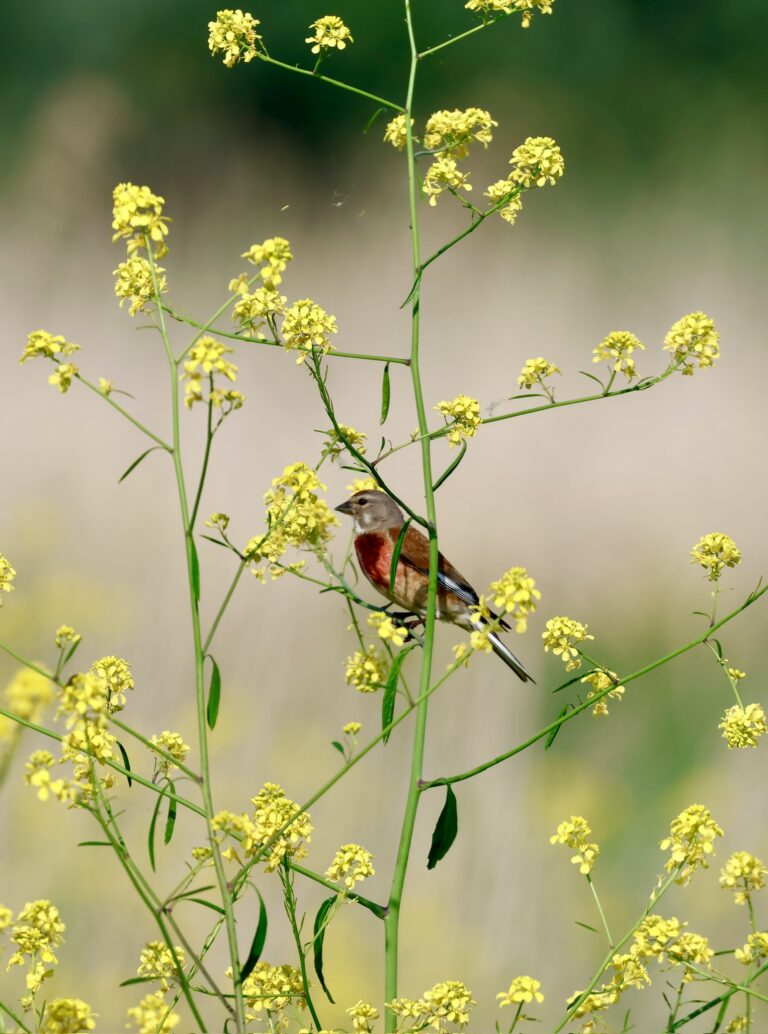 Easy
Common Linnet
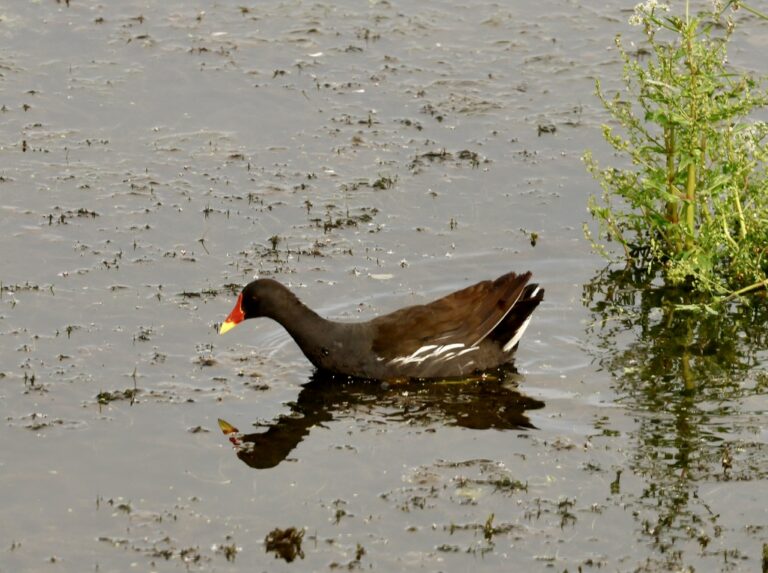 Easy
Common Moorhen
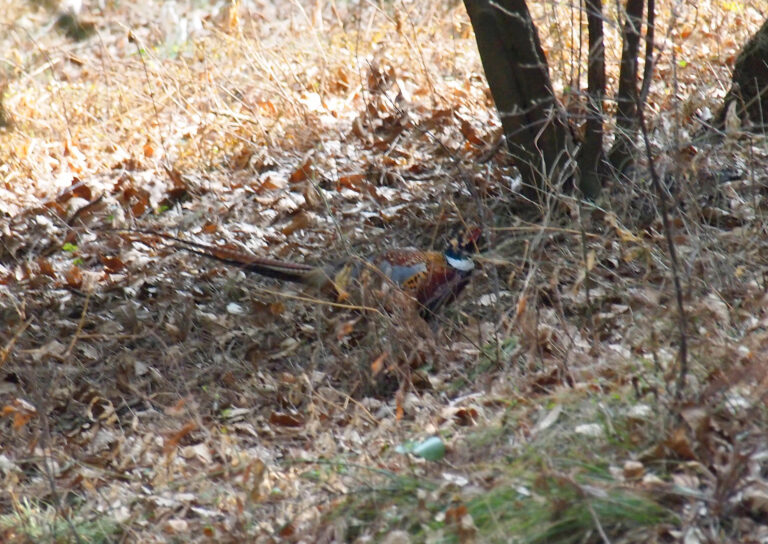 Easy
Common Pheasant
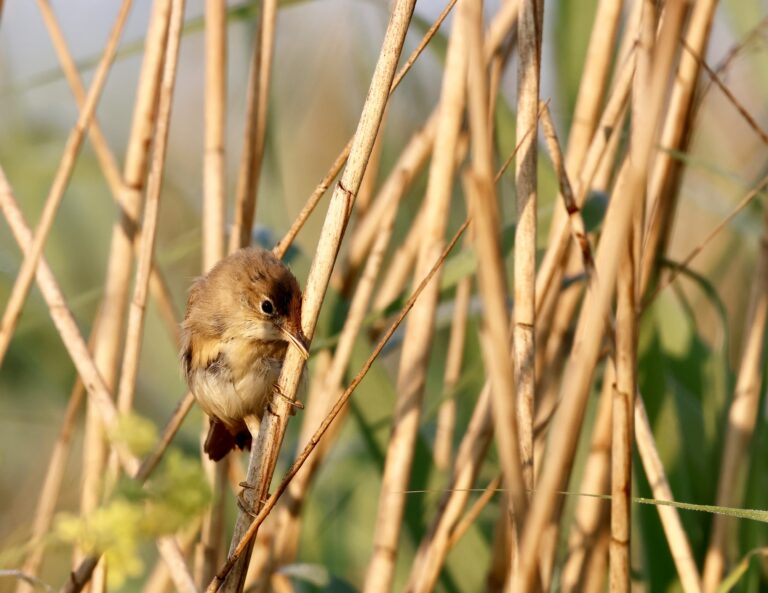 Easy
Common Reed Warbler
 Easy
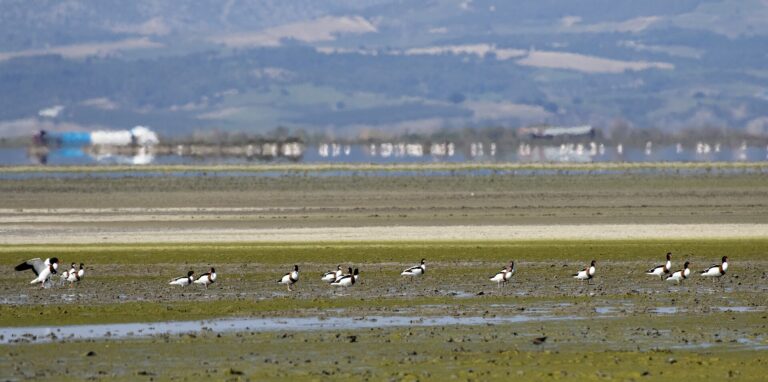
Common Shelduck
 Easy
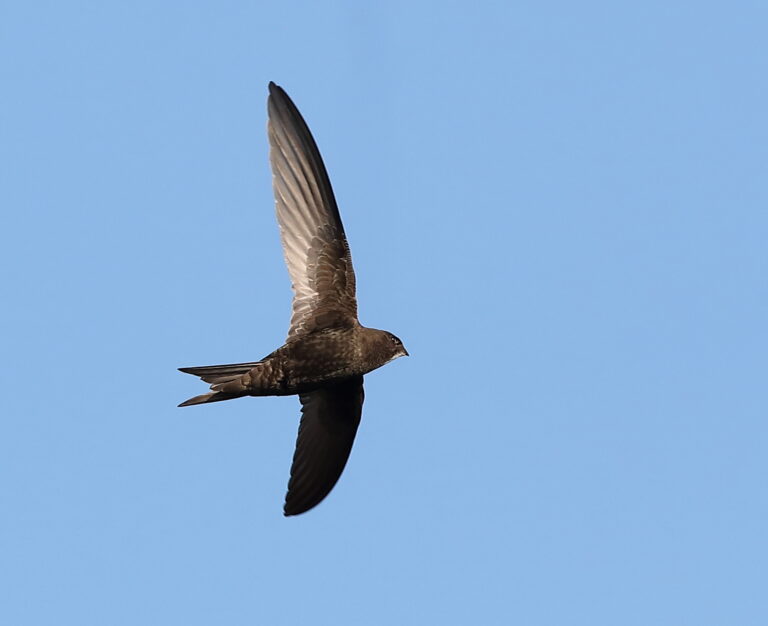
Common Swift
 Easy
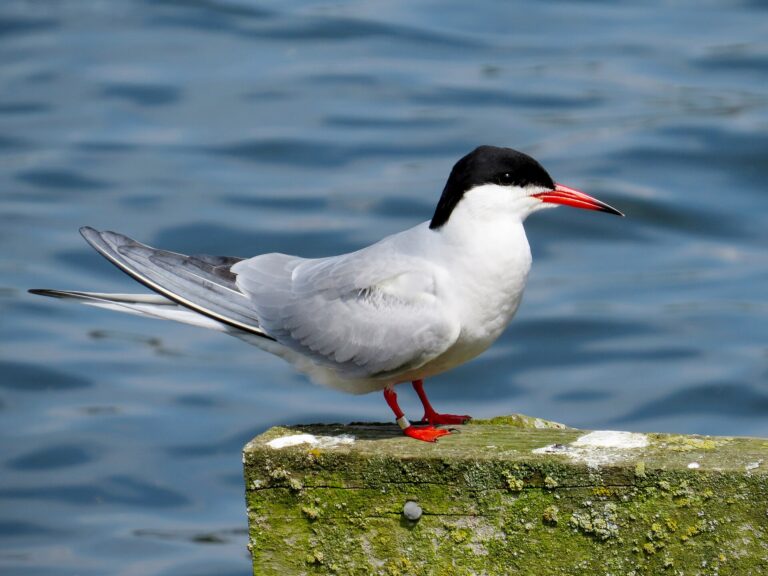
Common Tern
 Easy
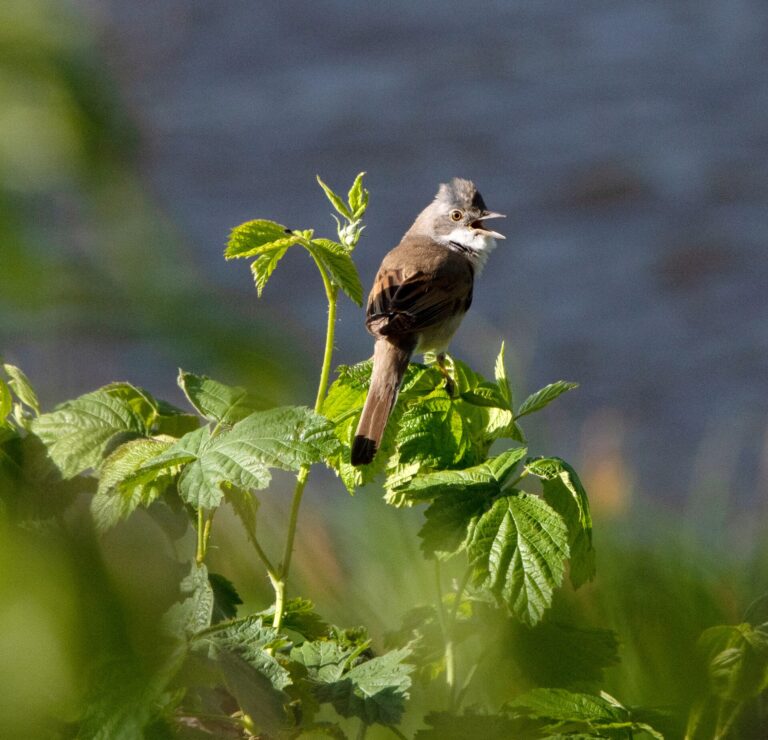
Common Whitethroat
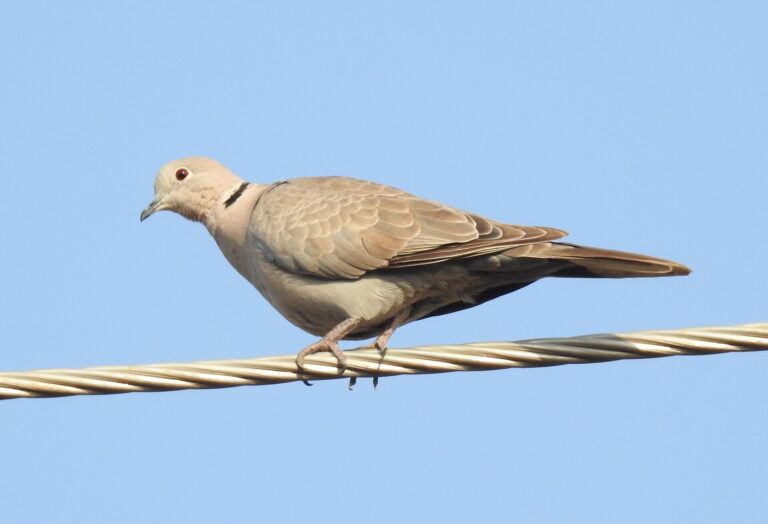 Easy
Eurasian Collared Dove
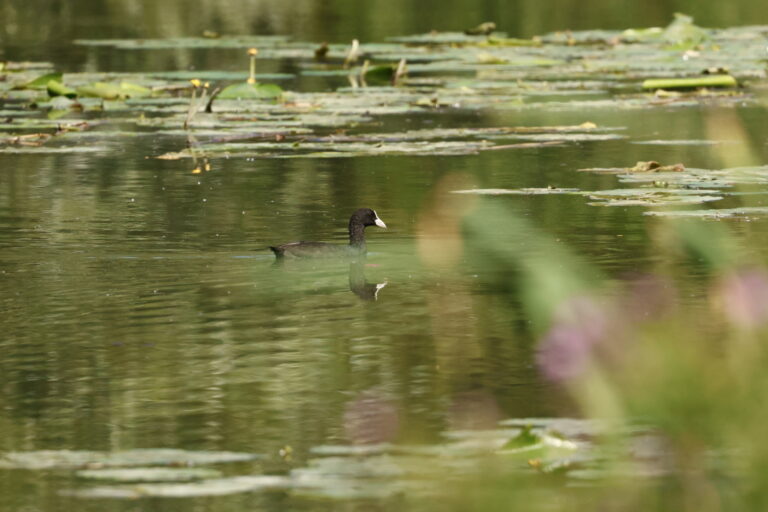 Easy
Eurasian Coot
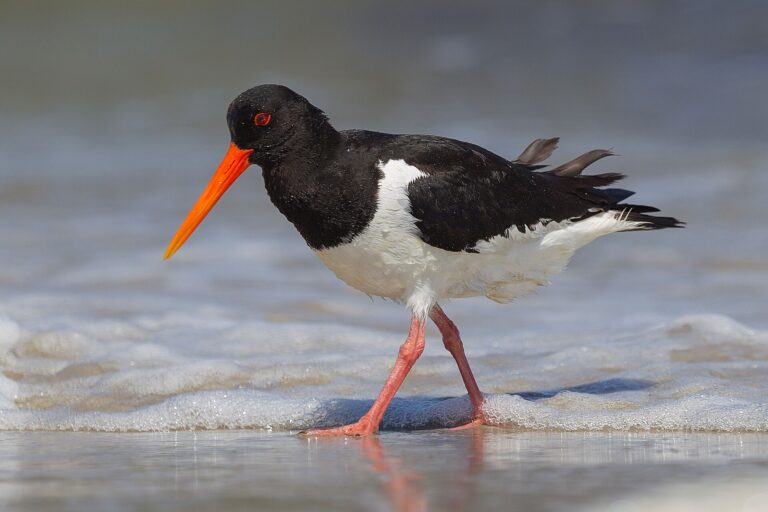 Easy
Eurasian Oystercatcher
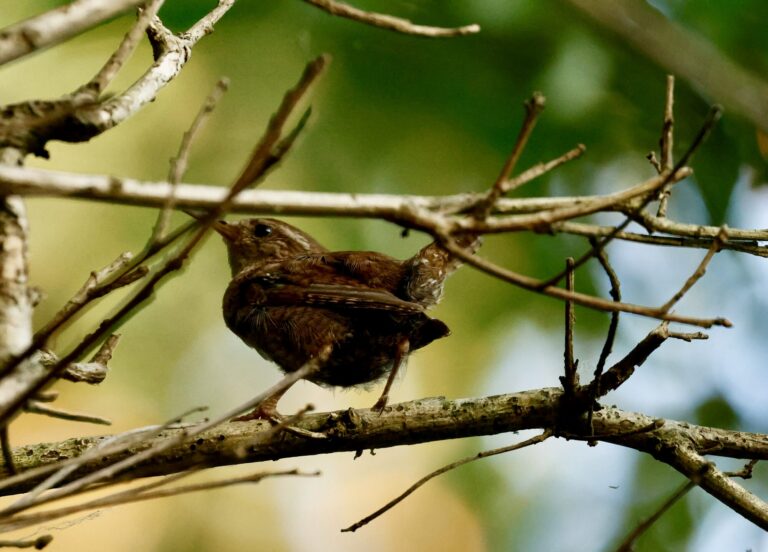 Easy
Eurasian Wren
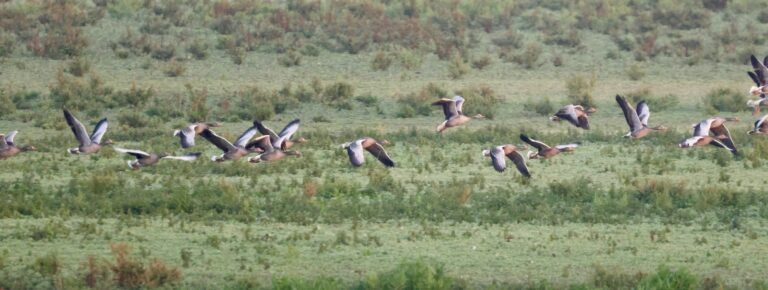 Easy
Greylag Goose
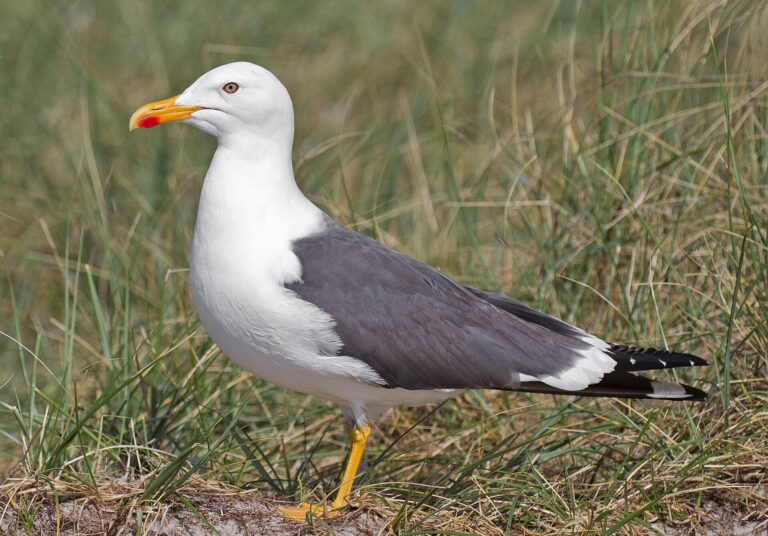 Easy
Lesser Black-backed Gull
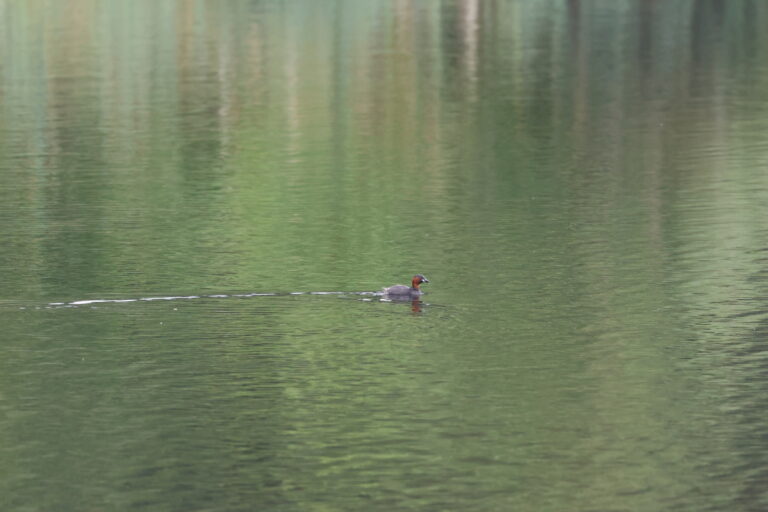 Easy
Little Grebe
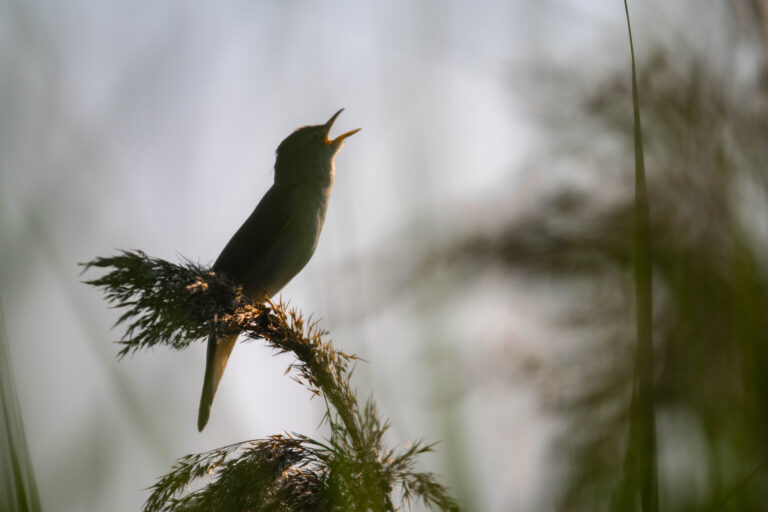 Easy
Marsh Warbler
 Easy
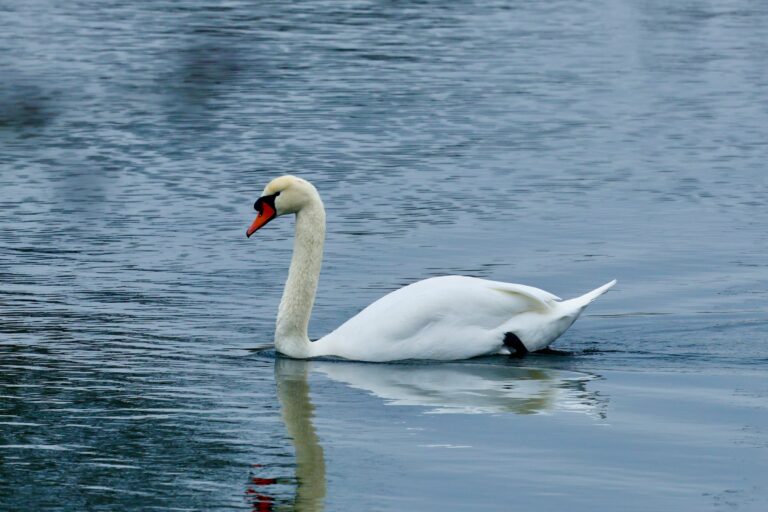
Mute Swan
 Easy
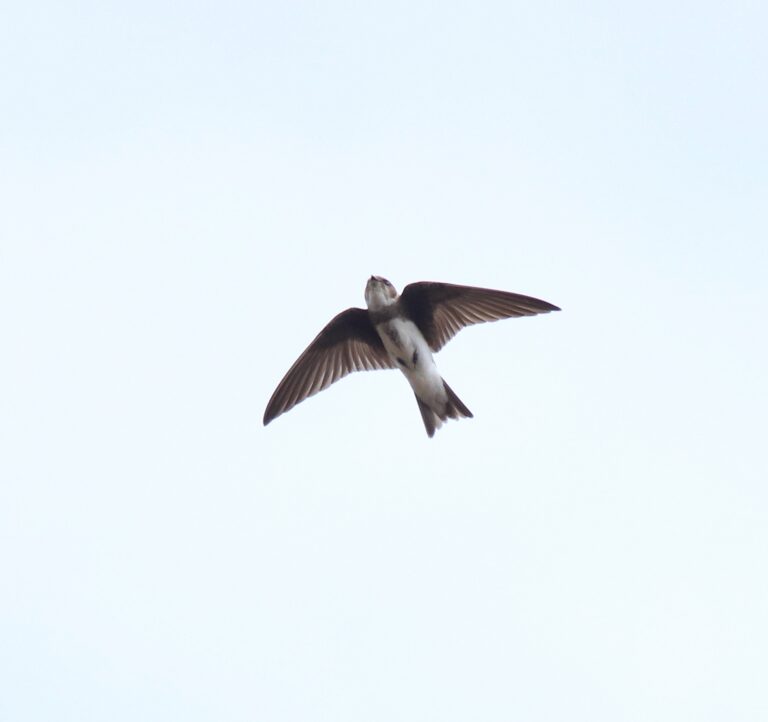
Sand Martin
 Easy
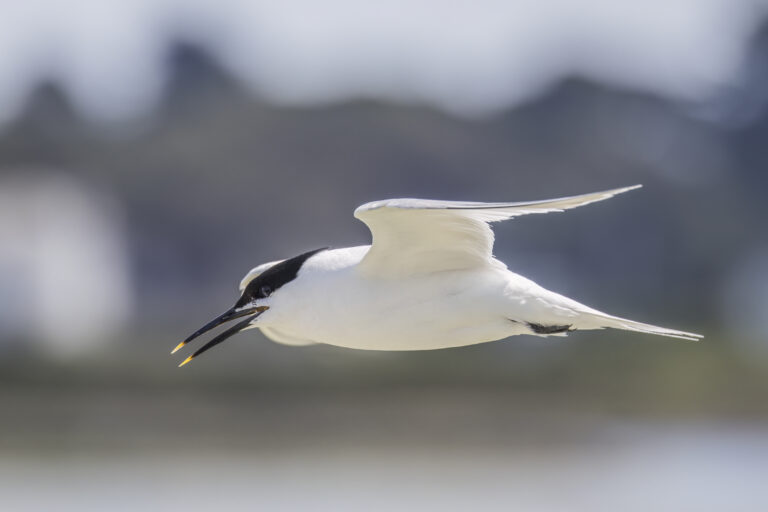
Sandwich Tern
 Easy
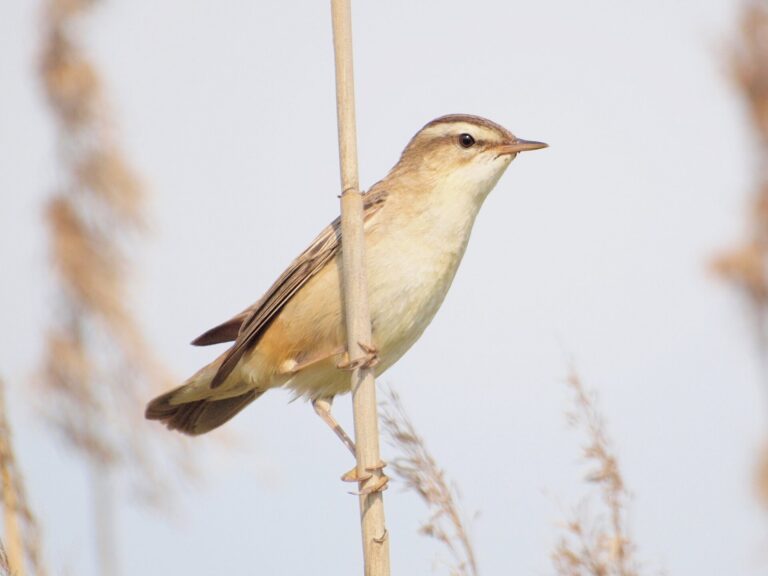
Sedge Warbler
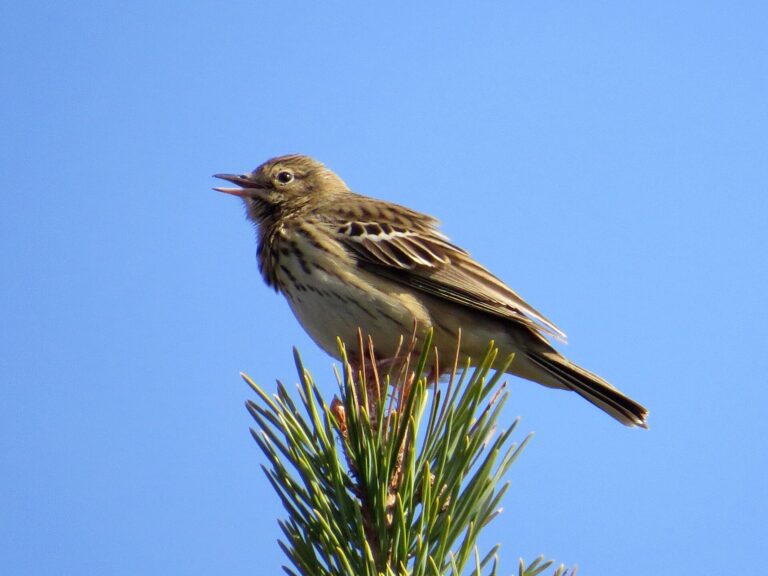 Easy
Tree Pipit
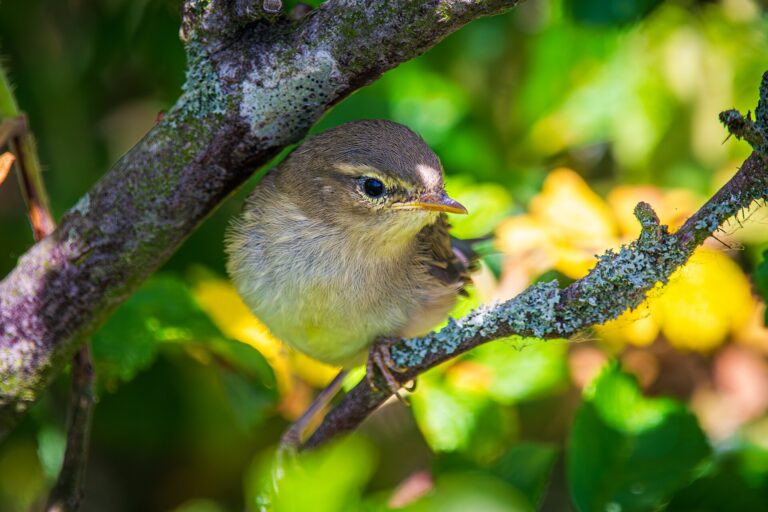 Easy
Willow Warbler
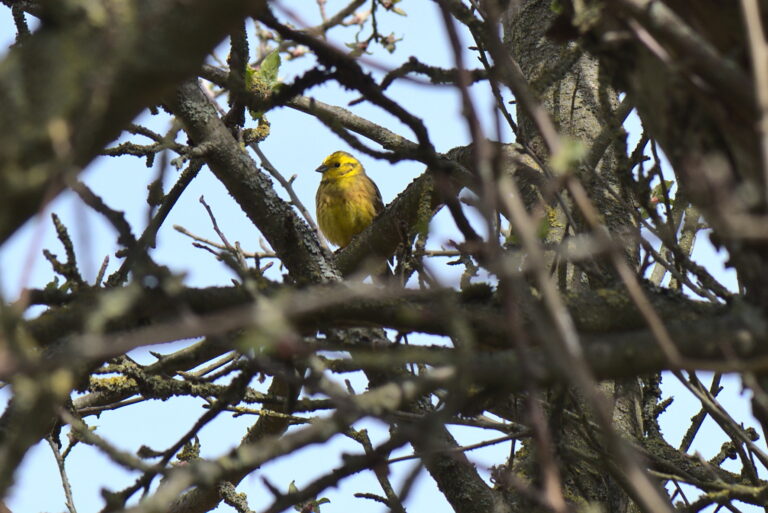 Easy
Yellowhammer
 With luck
Bar-headed Goose
 With luck
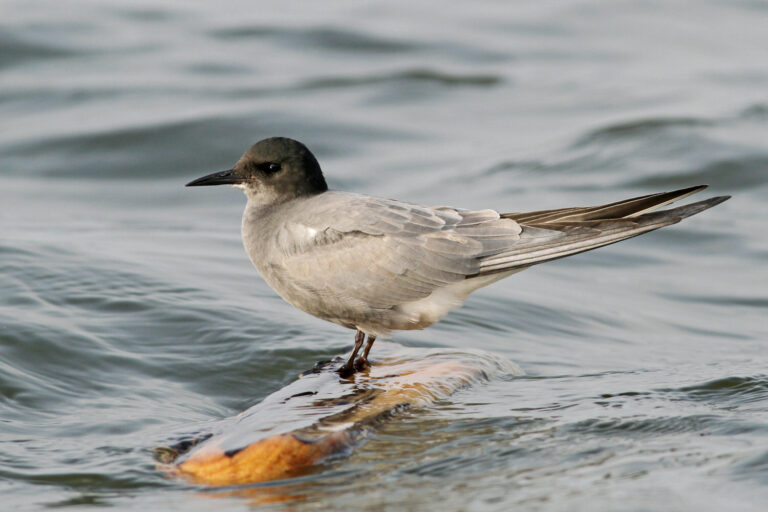
Black Tern
 With luck
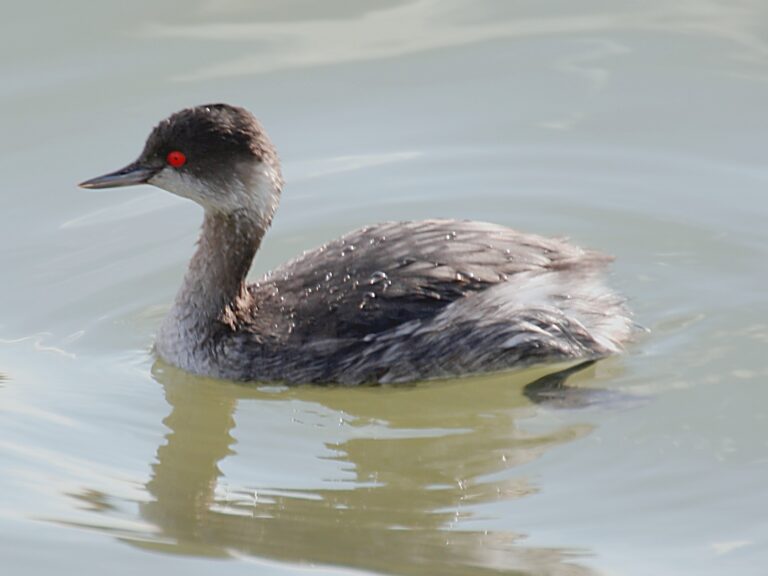
Black-necked Grebe
 With luck
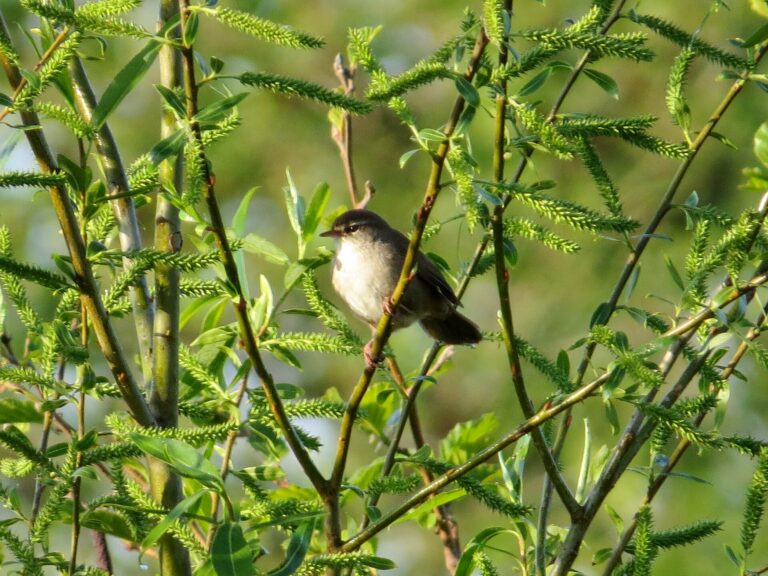
Cetti's Warbler
 With luck
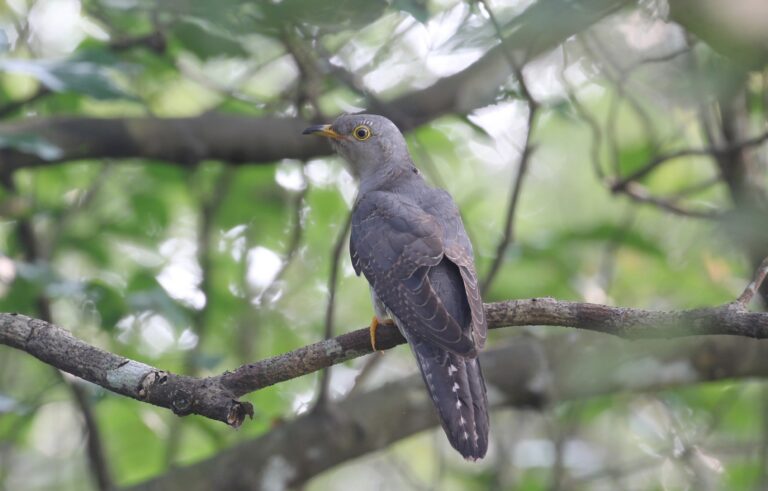
Common Cuckoo
 With luck
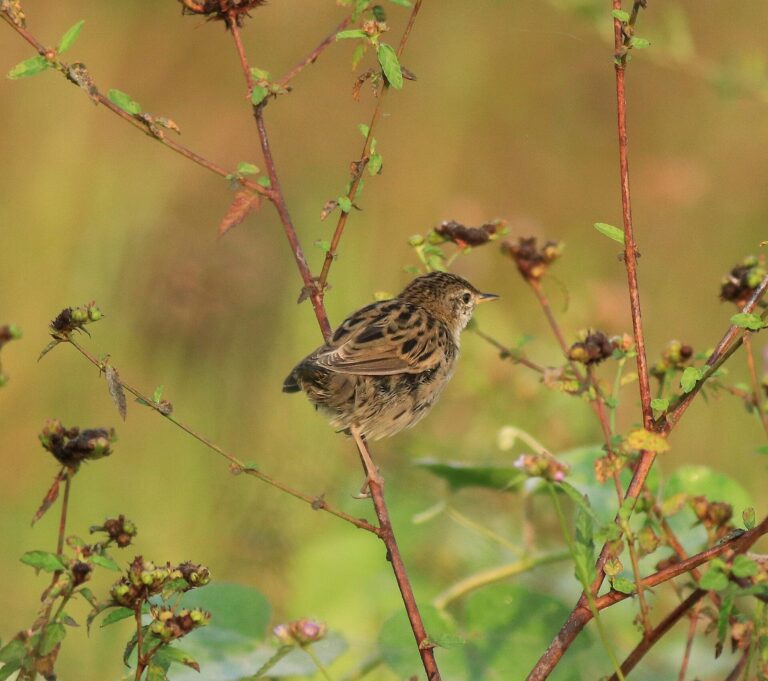
Common Grasshopper Warbler
 With luck
Eurasian Hobby
 With luck
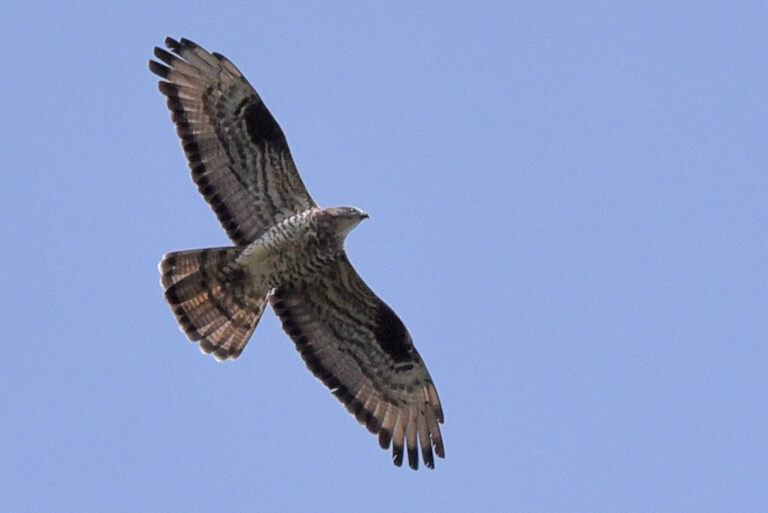
European Honey Buzzard
 With luck
European Nightjar
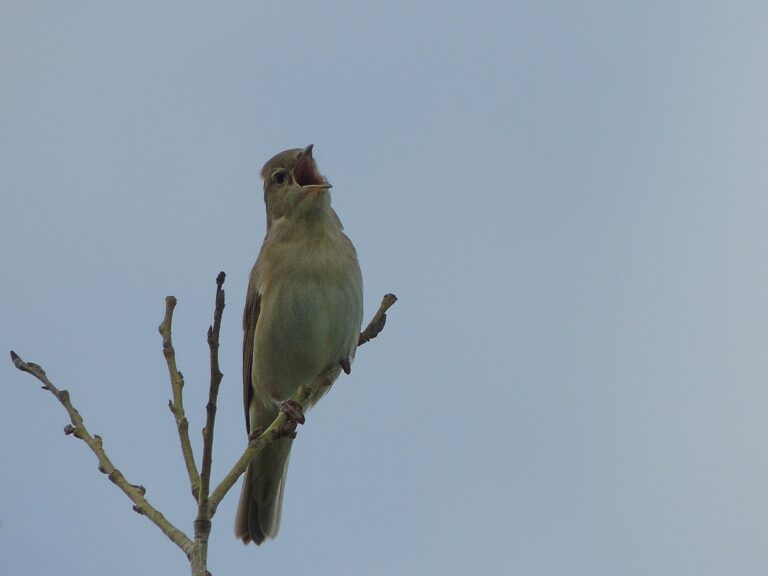 With luck
Garden Warbler
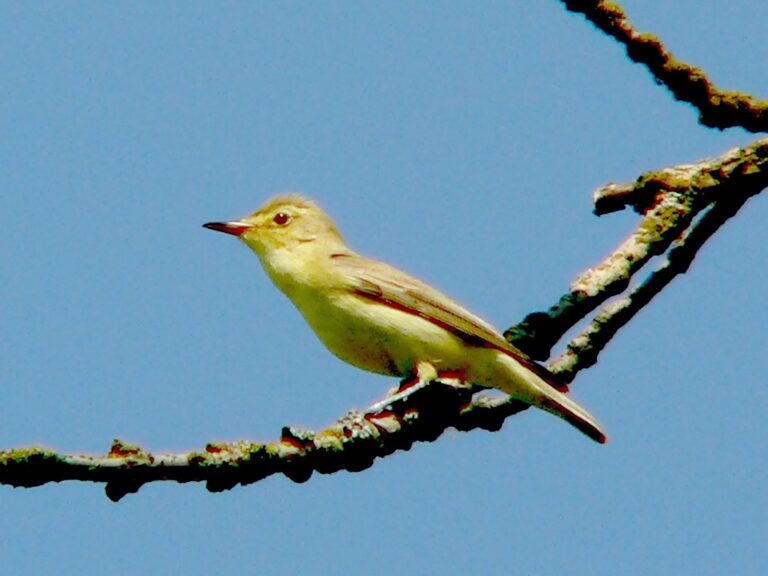 With luck
Icterine Warbler
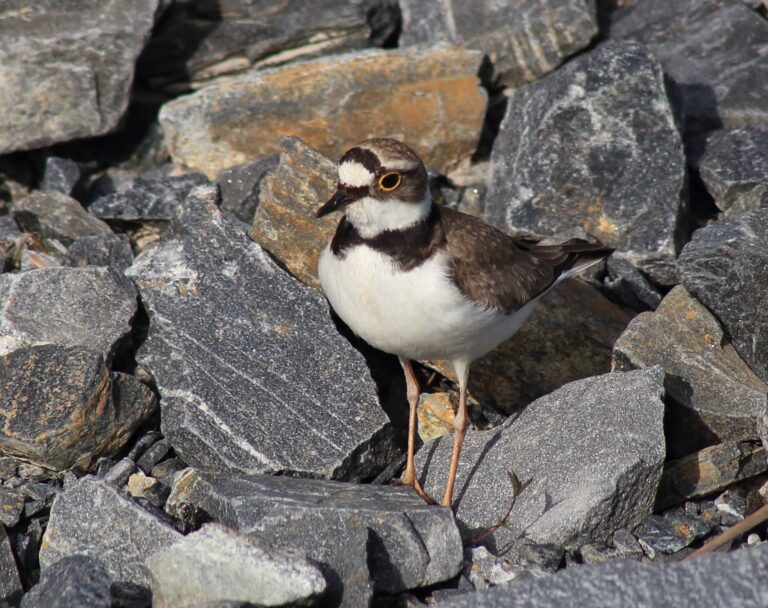 With luck
Little Ringed Plover
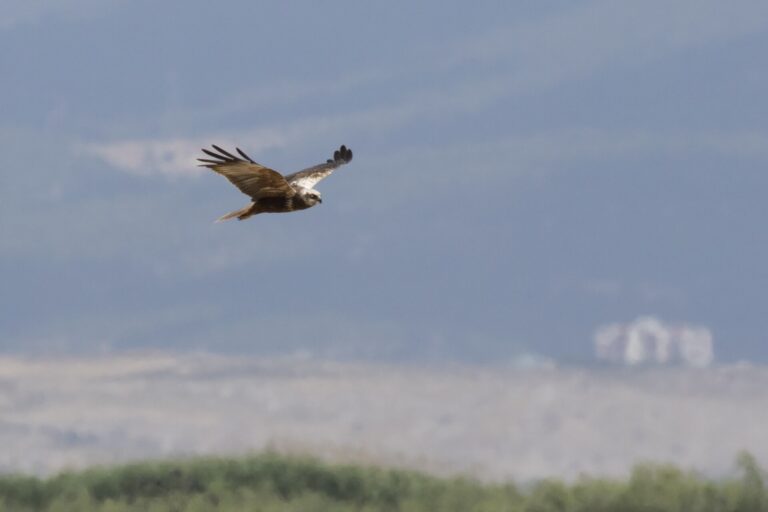 With luck
Marsh Harrier
 With luck
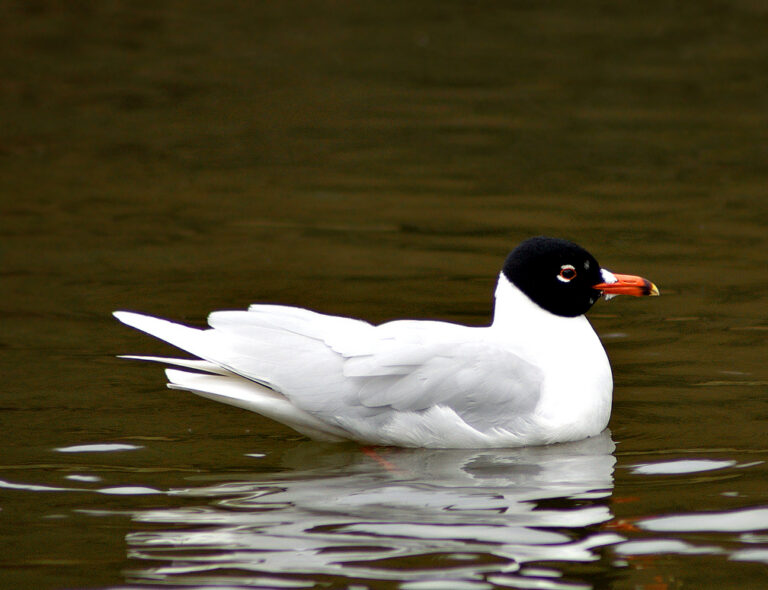
Mediterranean Gull
 With luck
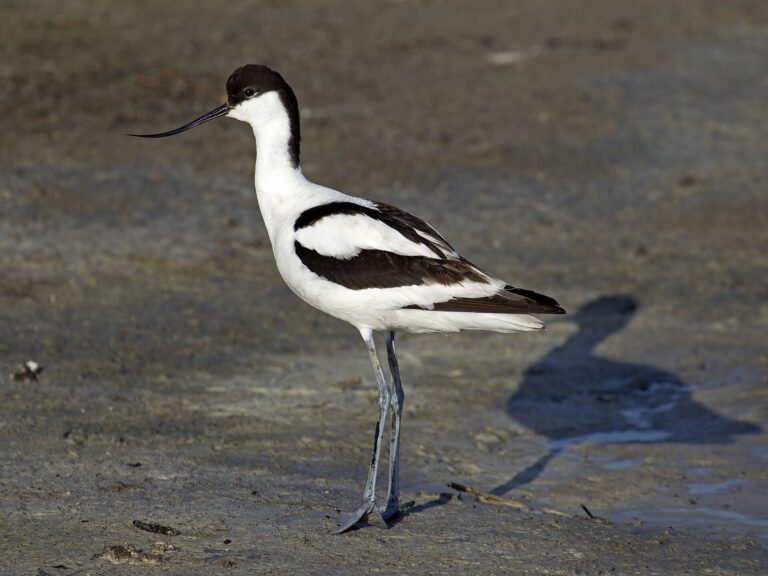
Pied Avocet
 With luck
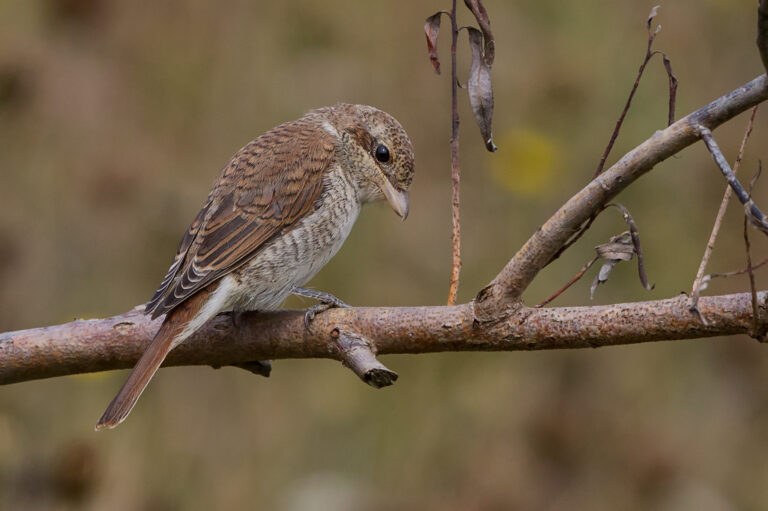
Red-backed Shrike
 With luck
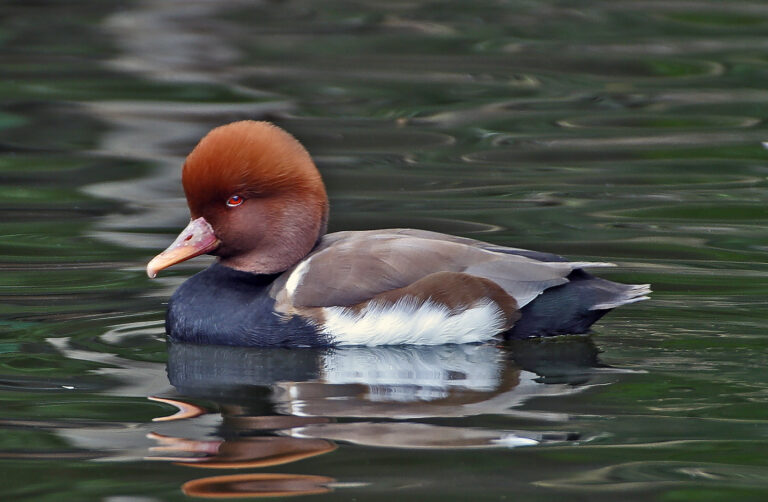
Red-crested Pochard
 With luck
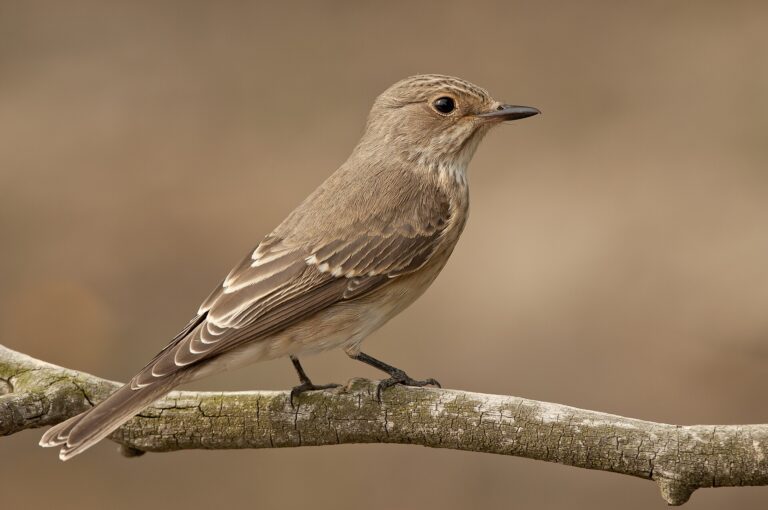
Spotted Flycatcher
 With luck
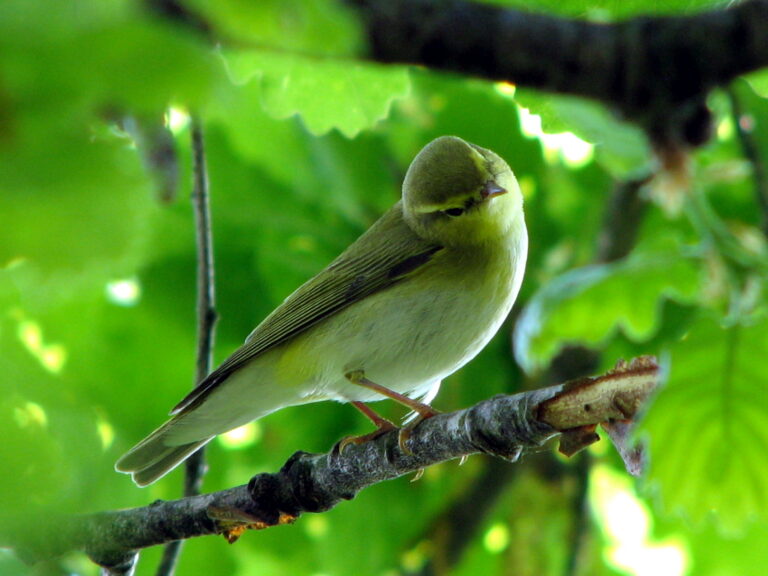
Wood Warbler
 Rare
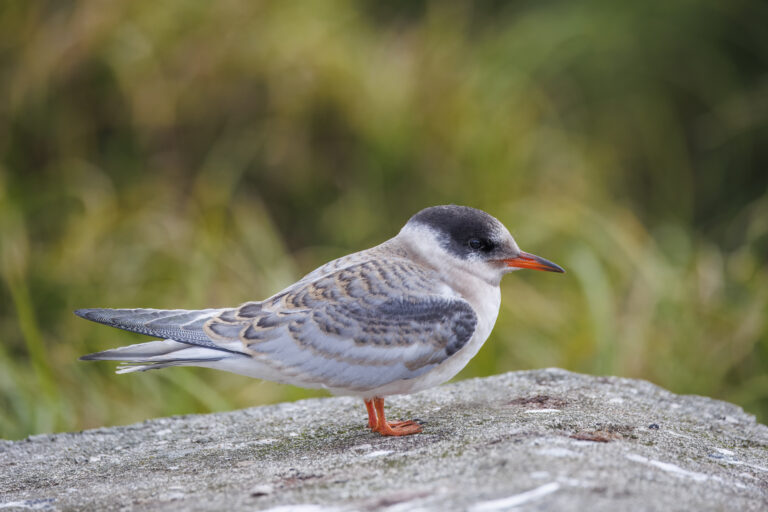
Arctic Tern
 Rare
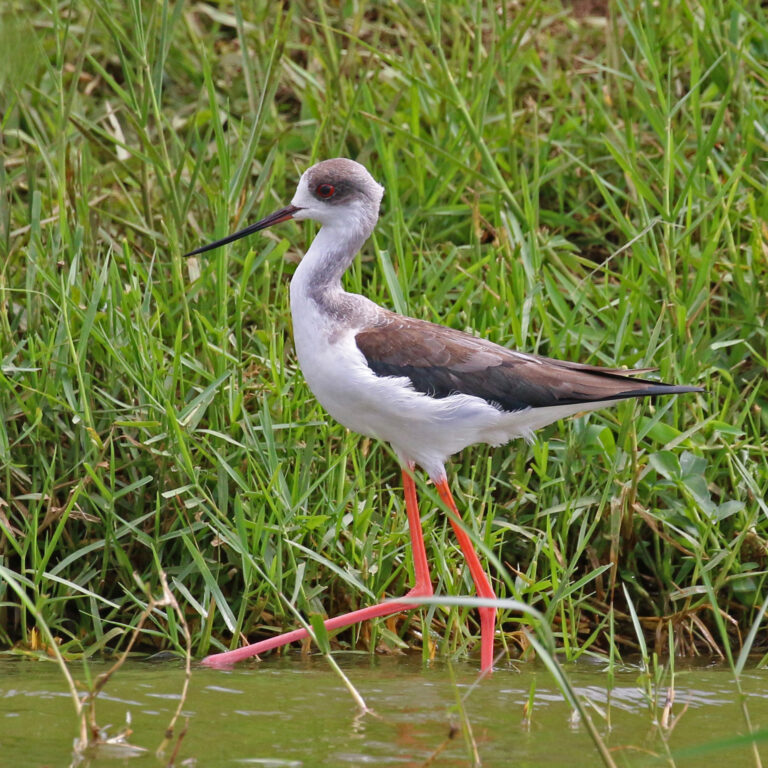
Black-winged Stilt
 Rare
Eurasian Golden Oriole
 Rare
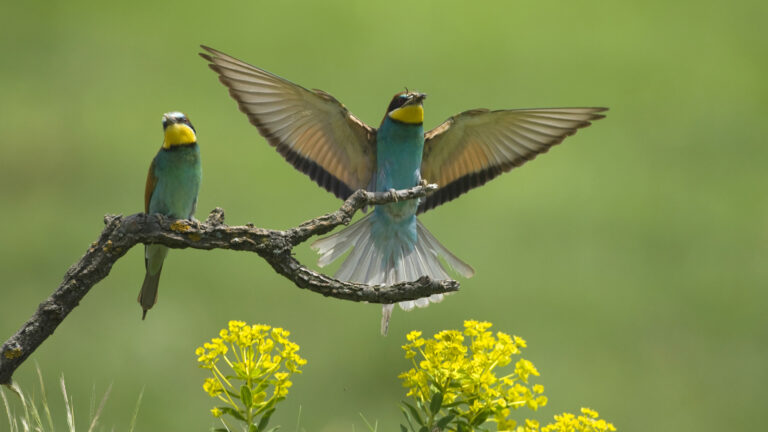
European Bee-eater
 Rare
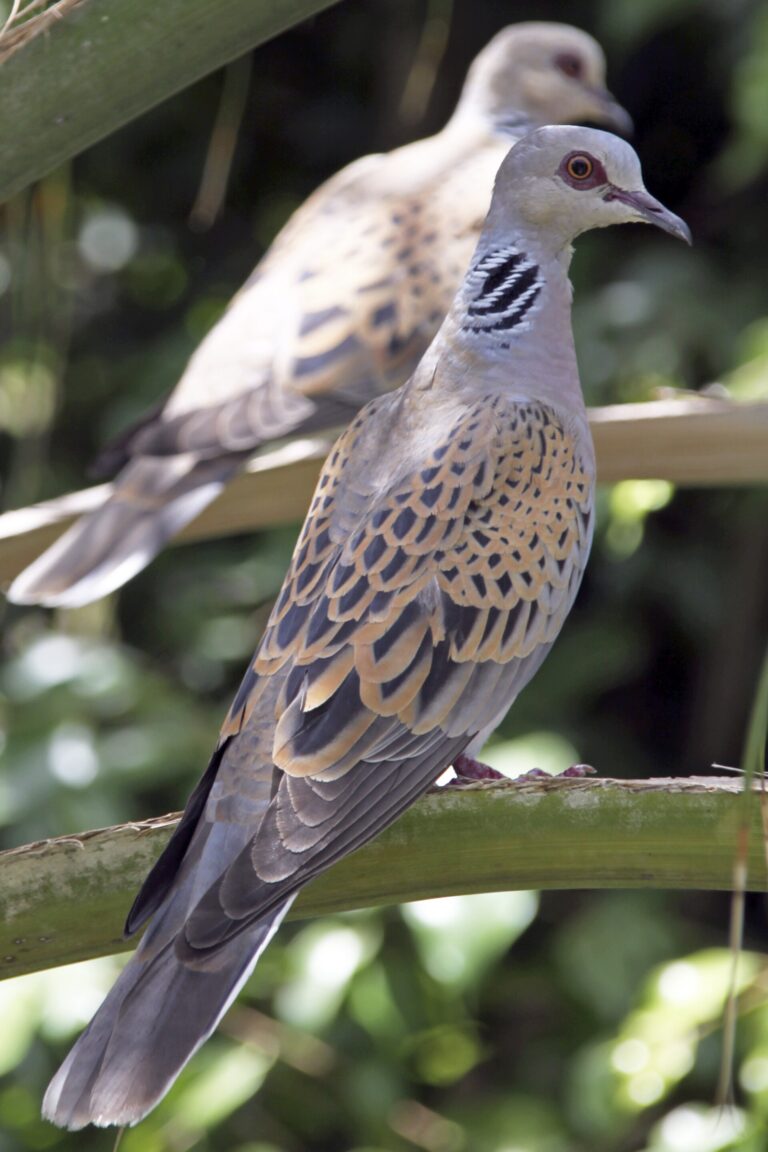
European Turtle Dove
 Rare
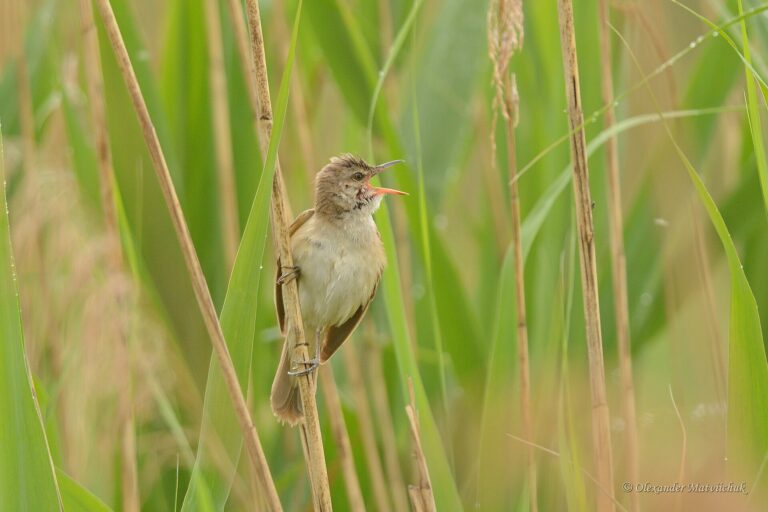
Great Reed Warbler
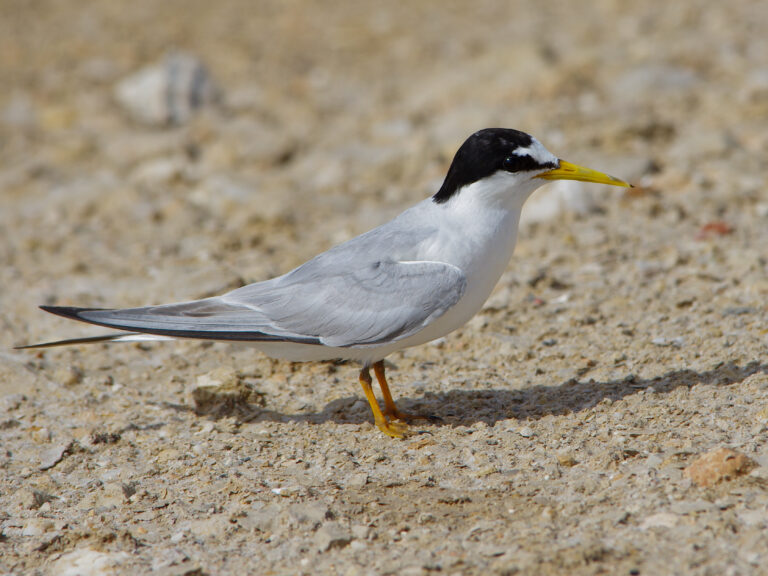 Rare
Little Tern
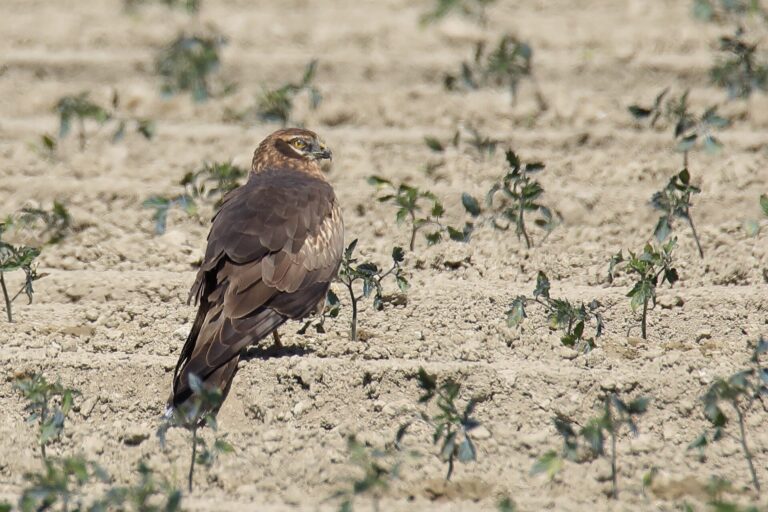 Rare
Montagu's Harrier
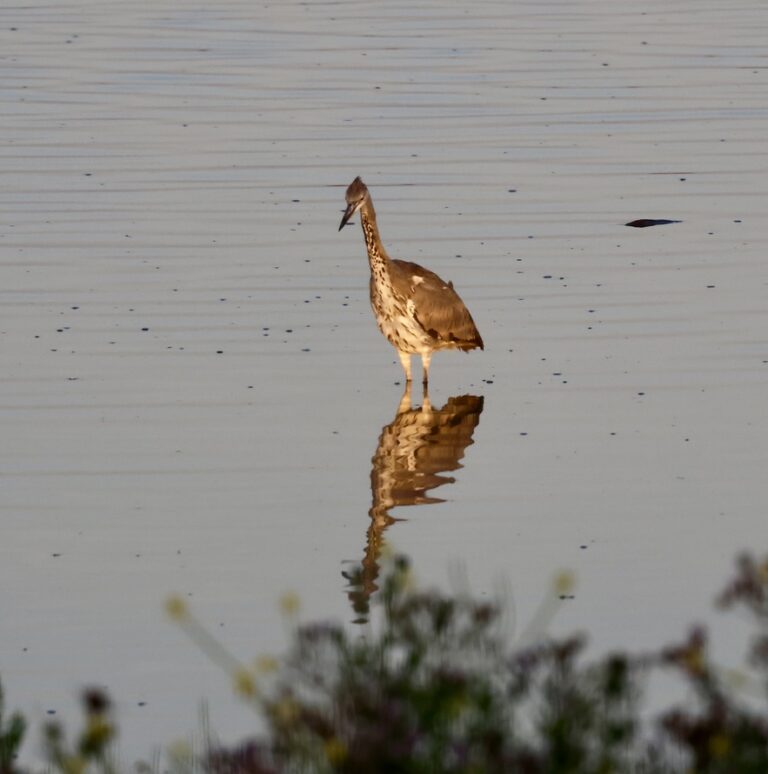 Rare
Purple Heron
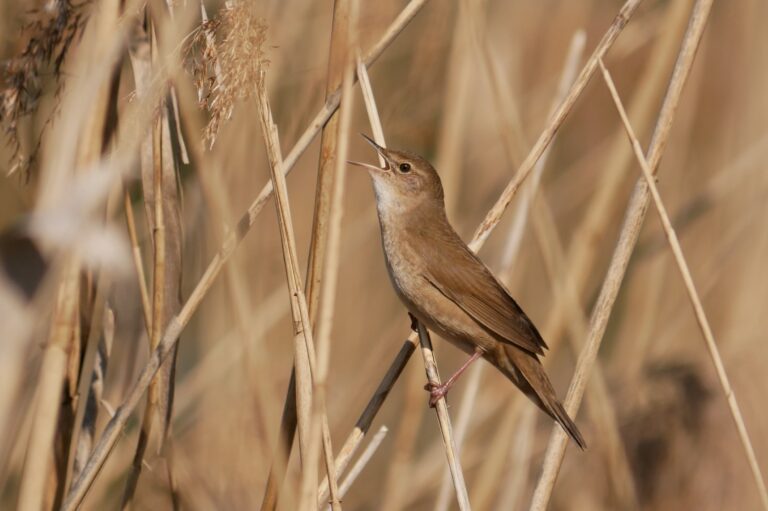 Rare
Savi's Warbler
 Rare
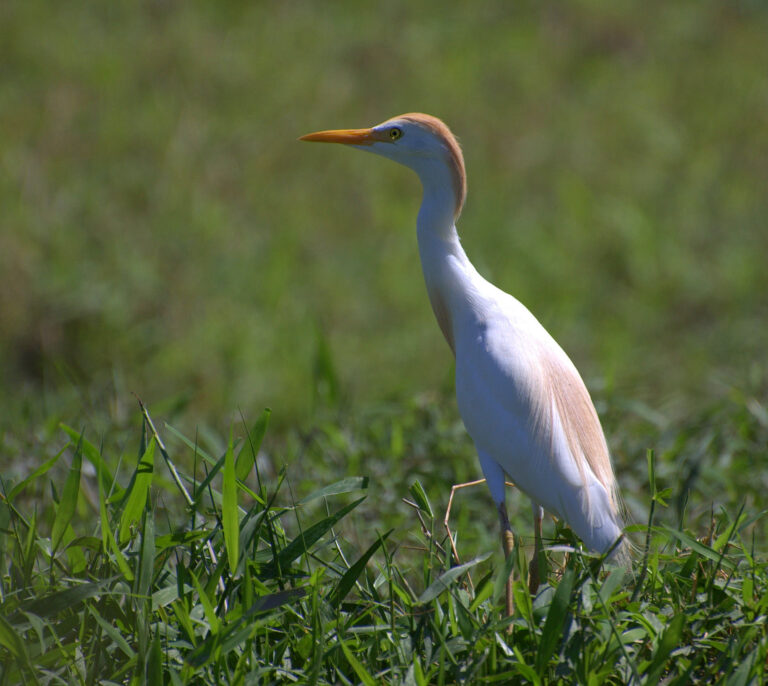
Western Cattle Egret
 Rare
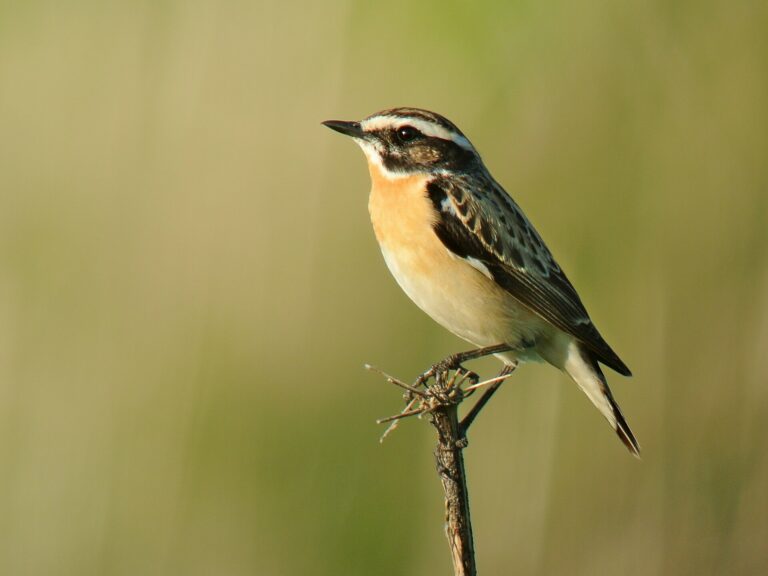
Whinchat
 Rare
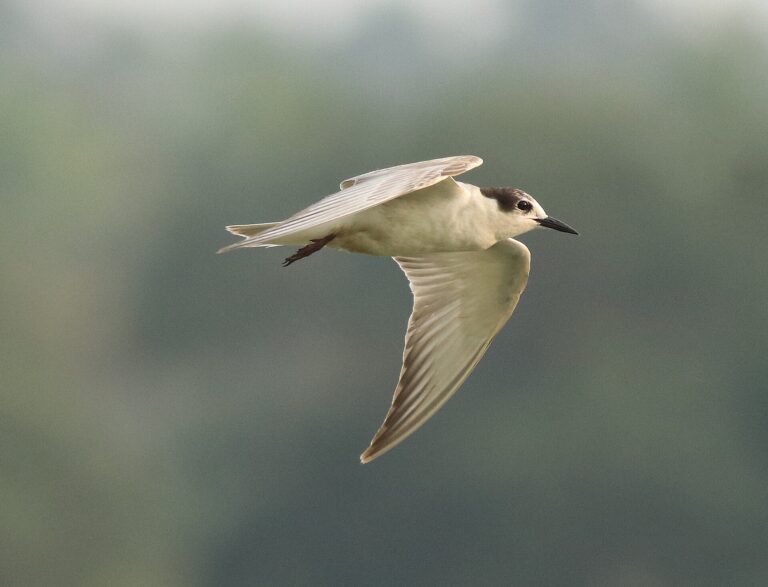
Whiskered Tern
 Very rare
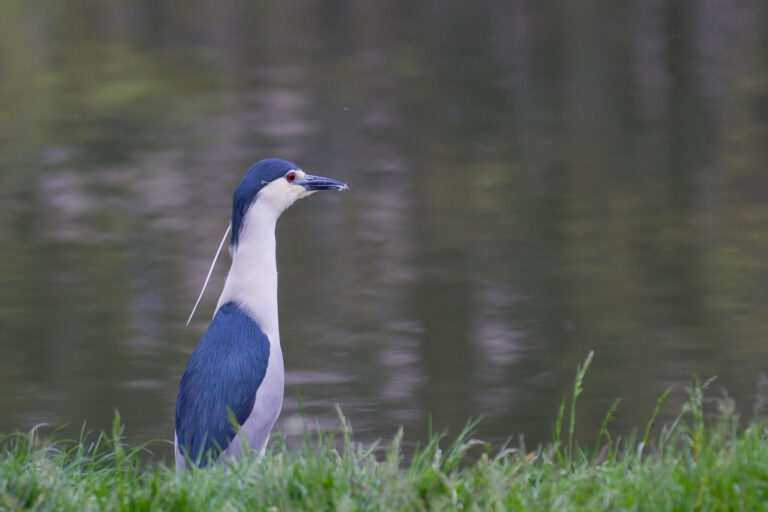
Black-crowned Night Heron
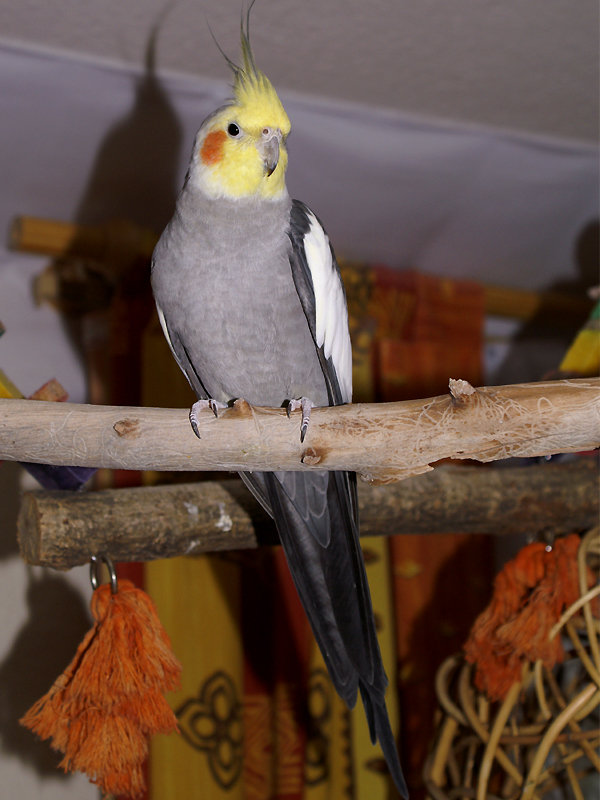 Very rare
Cockatiel
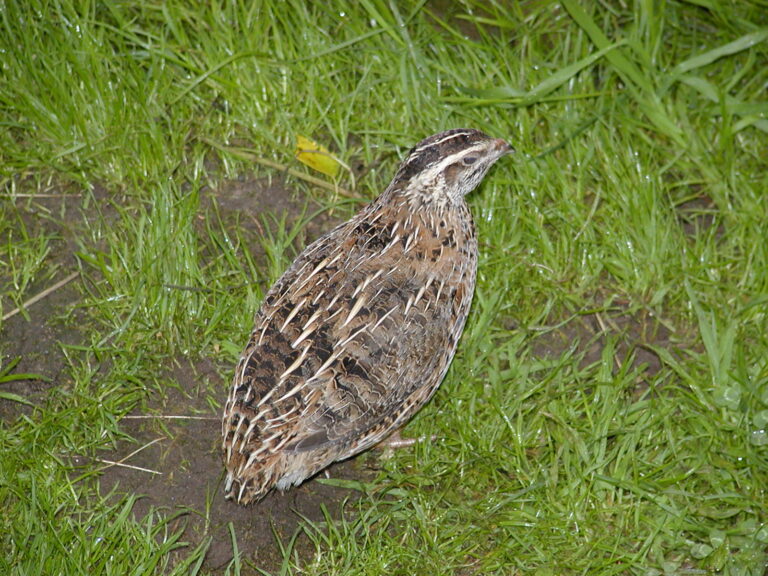 Very rare
Common Quail
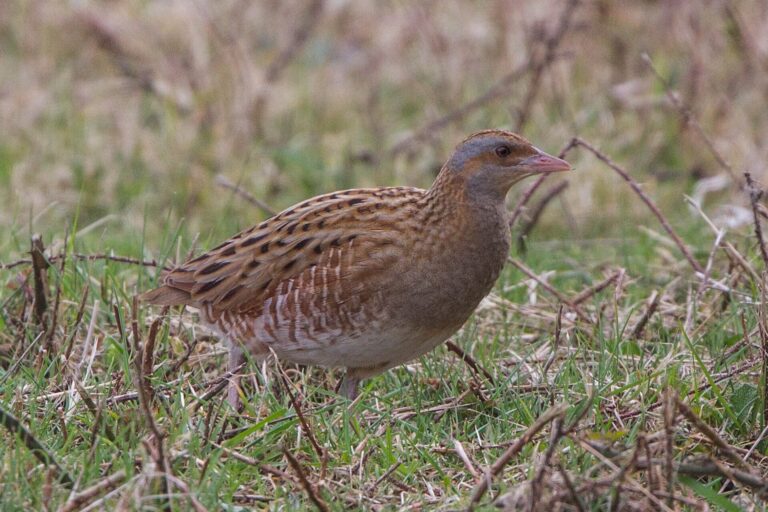 Very rare
Corn Crake
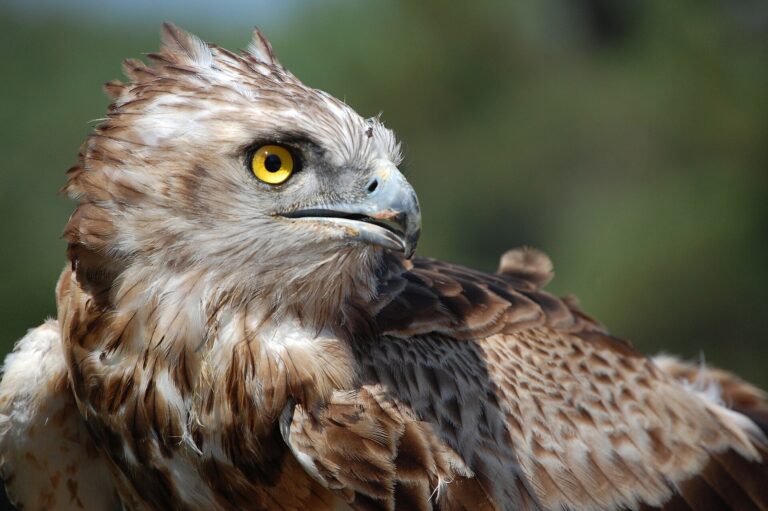 Very rare
Short-toed Snake Eagle
 Very rare
Spotted Crake
- All species in English
- Areas in English
- Wildlife in the Netherlands, the English starting point.