
 📷 ChristiaanPR (Wikimedia Commons), CC BY-SA 4.0
Marker Wadden: where to see wildlife
Late March to early November, because that is when the ferry runs. May and June are best for breeding terns, plovers and colony birds; July and August for Sand Martins and the large flocks of Black Tern; September and October for waders on passage and thrushes from Scandinavia. Winter is spectacular, with Common Goldeneye, mergansers, Snow Bunting, Lapland Bunting and Shore Lark, but then there is no ferry service and you depend on your own boat. Always check the timetable first: in practice it decides your whole programme. New island archipelago
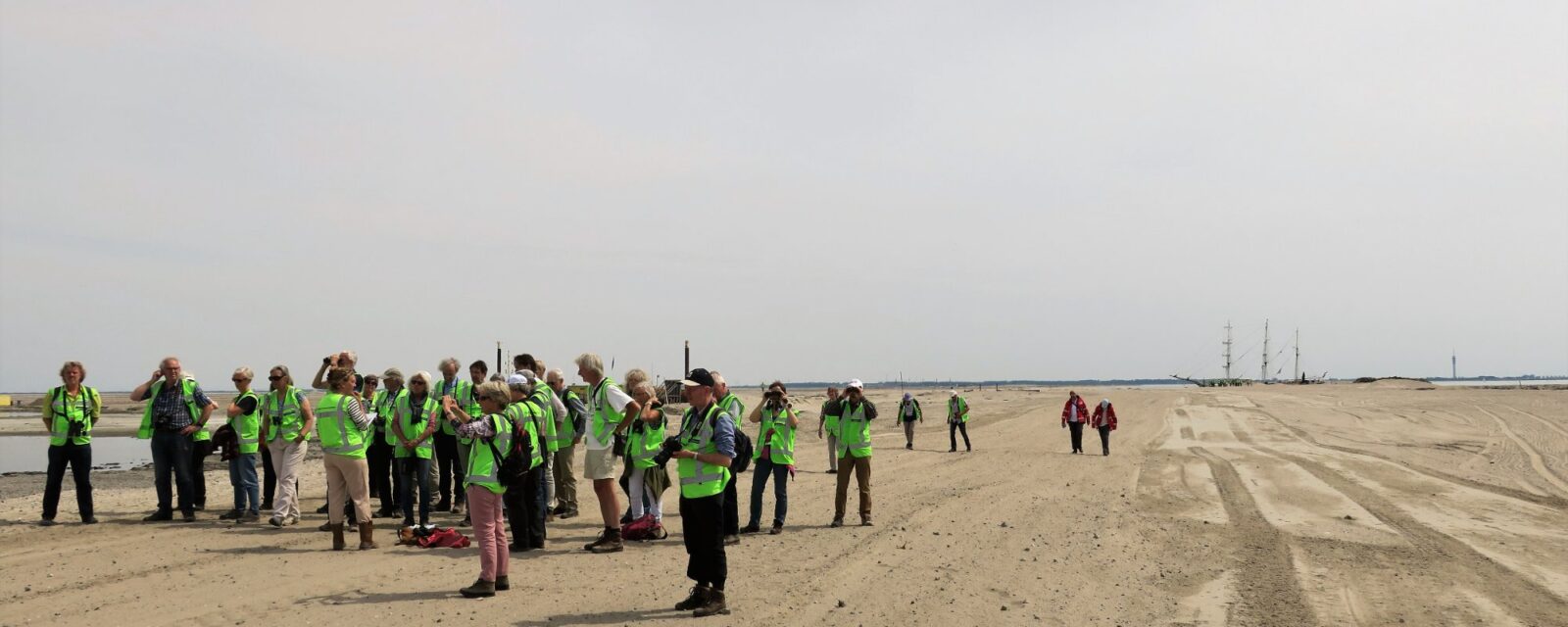
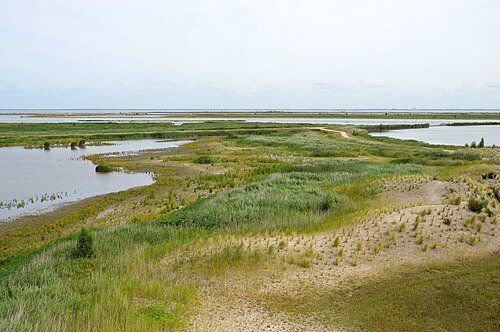
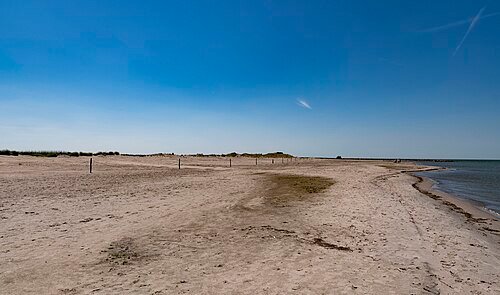
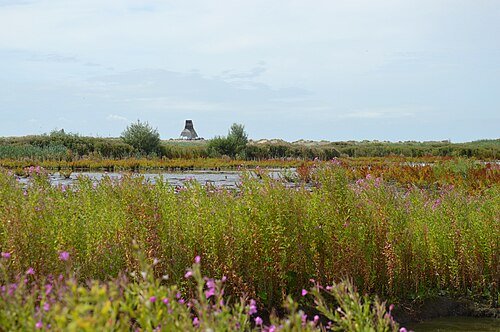
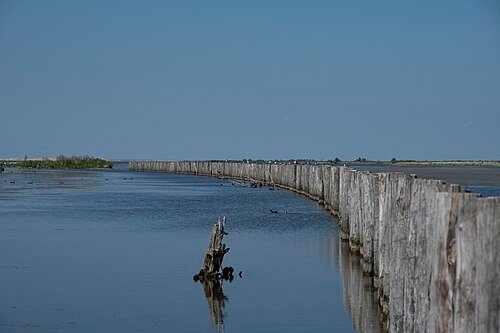
Marker Wadden — A completely new nature island of 1,300 hectares, built from 2016 onwards with sand, clay and silt from the Markermeer itself — building with silt was a world first. Nowhere else in the Netherlands can you see so clearly how fast bare ground turns into a bird area: more than two hundred bird species have been recorded by now, and in the first years eight per cent of all Dutch avocets bred here. Mainly here: Common Tern, Pied Avocet, Eurasian Spoonbill, Little Ringed Plover, Bearded Reedling, Black Tern. Best period: Late March to early November, because that is when the ferry runs. May and June are best for breeding terns, plovers and colony birds; July and August for Sand Martins and the large flocks of Black Tern; September and October for waders on passage and thrushes from Scandinavia. Winter is spectacular, with Common Goldeneye, mergansers, Snow Bunting, Lapland Bunting and Shore Lark, but then there is no ferry service and you depend on your own boat. Always check the timetable first: in practice it decides your whole programme.
Which animals will you see here?
The species at the top are the ones with a peak month in November.
🦅 Bearded Reedling
Good chance in seasonchance per source🦅 Dunlin
Good chance in seasonchance per source🦅 Barnacle Goose
Good chance in seasonchance per source🦅 Common Goldeneye
Good chance in seasonchance per source🦅 Redwing
Good chance in seasonchance per source🦅 Fieldfare
Good chance in seasonchance per source🦅 Red-breasted Merganser
With luckchance per source🦅 Snow Bunting
With luckchance per source🦅 Great Cormorant
Good chancechance per source🦅 Greylag Goose
Good chancechance per source🦅 Peregrine Falcon
With luckchance per source🦅 Tufted Duck
Good chancechance per sourceAn assessed chance for 18 more species
🦅 Eurasian Oystercatcher
Good chancechance per source🦅 Bluethroat
Good chance in seasonchance per source🦅 Goosander
Good chance in seasonchance per source🦅 Common Reed Warbler
Good chance in seasonchance per source🦅 Pied Avocet
Good chance in seasonchance per source🦅 Black-headed Gull
Good chance in seasonchance per source🦅 Eurasian Spoonbill
Good chance in seasonchance per source🦅 Sand Martin
Good chance in seasonchance per source🦅 Sedge Warbler
Good chance in seasonchance per source🦅 Common Tern
Good chance in seasonchance per source🦅 Song Thrush
Good chance in seasonchance per source🦅 Black Tern
Good chance in seasonchance per source🦅 Lapland Bunting
With luckchance per source🦅 Little Ringed Plover
With luckchance per source🦅 Red-crested Pochard
With luckchance per source🦅 Smew
With luckchance per source🦅 Eurasian Bittern
With luckchance per source🦅 Shore Lark
With luckchance per sourceThese species have an assessed chance with a source behind it. The list comes from the same database as the species pages.
Also reported present in this area (23 species) presence reported
These species are known to occur here (NDFF), but nothing has been recorded yet about your chance of seeing them.
Spider (1)
Fish (4)
Butterfly (9)
Bird (6)
Mammal (land) (1)
Mammal (bat) (2)
Walking routes
Vogelvluchtroute
📍 Start point on the map 🧭 Directions to the start (Google Maps)
Vlinderroute
📍 Start point on the map 🧭 Directions to the start (Google Maps)
Kustroute
📍 Start point on the map 🧭 Directions to the start (Google Maps)
Hides and viewpoints
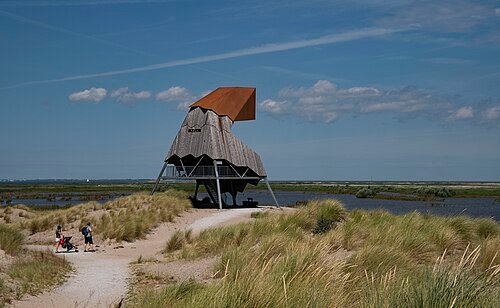
🔭 Viewing tower De Steltloper
🔭 Bird hide Duikeend
🔭 Bird hide Lepelaar
🔭 Bird screen Aalscholver
🔭 Bird screen Visdief
Practical information
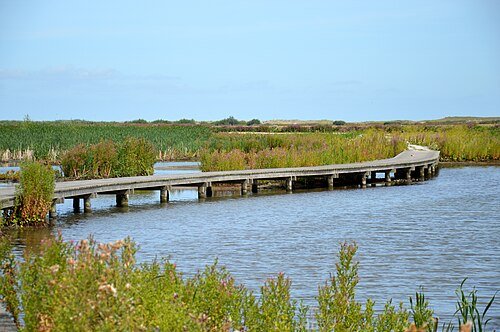
- Access: You may not enter the area between sunset and sunrise, and you can only get there by the ferry from Lelystad or by your own boat; walking is allowed on paths and on the beach. By ferry from the Bataviahaven in Lelystad (De Aanloop 4, 8242 NM), about three quarters of an hour, from late March to early November. Your own boat is possible too; report to the harbour master. By public transport: bus stop Bataviahaven, line 3. On the island there are two marked routes: the Kustroute of 7.2 kilometres and the Vogelvluchtroute of 3.4 kilometres. The latter is wheelchair-accessible with a companion, and bird screen Visdief is fully so. Walking is allowed only on roads, paths and the beach; cycling is not allowed.
- Parking: Park at the Bataviahaven in Lelystad, where the ferry leaves: the VOC garage, P6 or the Bataviastad car park. By bus, line 3, stop Bataviahaven.
- Dogs: Dogs are allowed on a lead around the harbour basin only and not onto the rest of the island. The ground-nesting birds here have no experience of predators on land, and a loose dog can cost a whole colony in a short time. Drones are forbidden across the whole island.
- Facilities: Two bird hides (Duikeend and Lepelaar), two bird screens (Aalscholver and Visdief, the latter wheelchair-accessible) and the viewing tower De Steltloper. By the harbour the Eilandpaviljoen with coffee, tea, an exhibition and a shop; alongside it, self-sufficient island cabins running on solar power.
🌿 Rules in this area
Natuurmonumenten sets its own rules here. Stay on the paths, respect refuges and closures, keep dogs on a lead where that applies, and do not fly a drone — they are banned in almost every Dutch nature reserve.
Status: Verified · Last checked: 2026-07-31
Photo: ChristiaanPR (Wikimedia Commons), CC BY-SA 4.0