
Wild animals are not equally visible all year. This calendar shows, month by month, which species are worth going out for in the Netherlands, in order of how good your chances are.
Wildlife calendar
What can you see in August?
Wild animals are not equally visible all year. This calendar shows, month by month, which species are actually worth going out for.
August
40 of 155 speciesIn order of how good your chances are.
August is a hinge month that passes itself off as high summer. The holidays are running, the sun is high, and meanwhile the autumn migration has already begun and the seals are hauled out on the sandbanks in the largest numbers of the year. Anyone who goes out in August and knows what to watch for sees the season literally tip over.
The month of the seals
In August harbour seals moult and most of the population is hauled out on the sandbanks: the month with the most animals visible at once. They are then less inclined to take to the water, which means a boat trip or a viewing point from the dyke is almost guaranteed to produce something in these weeks — and at the same time that disturbance counts for extra, because a moulting seal driven into the water loses heat it needs.
The roe deer rut continues
The rut of the roe deer runs until mid-August. In the first half of the month you still see bucks chasing does across open fields, by day, in full view. After that it quickly quietens down and roe deer disappear back into their normal pattern of dusk and cover.
Crickets take over the sound
The Great Green Bush-cricket is adult from July through October, and August is its loudest month. On a warm evening in rough ground or scrub it is the dominant sound, and it is big enough to track down with a torch. Butterflies are at their height too: the European Peacock flies from July to September, the Common Blue in its later generations, and the Old World Swallowtail until mid-September.
The migration has really begun
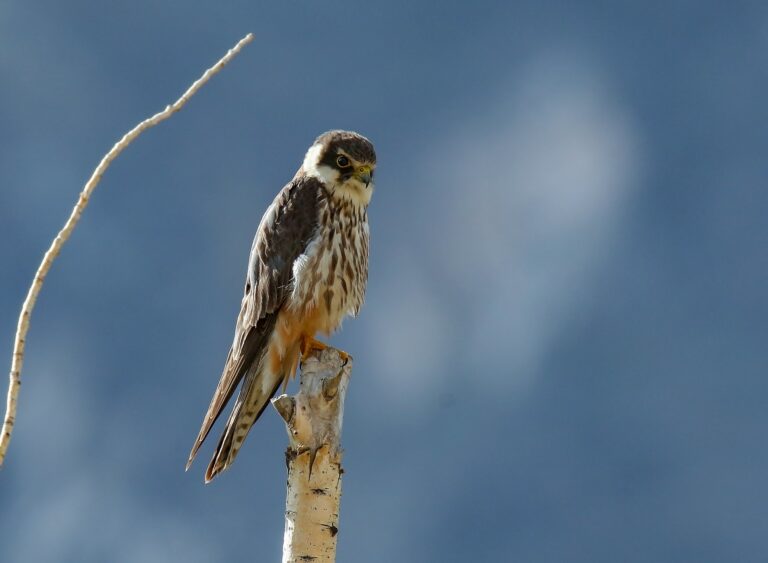
The Common Swift is already gone by early August. Along the coast waders are moving south, often still in summer plumage, and over the interior the Eurasian Hobby is at its best into August. At the end of the month the first songbirds start passing over at night — the beginning of what only really breaks loose in September, as described in the article on bird migration in September.
Young martens on the move
With the beech marten you notice most in summer and early autumn, because the young become independent then and start roaming. That applies to more species: August is the month in which inexperienced young animals make mistakes, and become visible precisely because of it. A mustelid crossing a road by day is almost always a young animal.
Where to go
For seals, the Wadden Sea, Texel or the Oosterschelde. For waders on migration, the same areas, but then on the incoming tide. For butterflies and crickets, chalk grassland and dune: the Sint-Pietersberg, Zuid-Kennemerland or De Maasduinen. For roe deer, simply open arable land near you.
Practicalities
It is still warm, but the light is getting noticeably shorter: by the end of August it is dark before nine. So the golden hours fall at a workable time again. For the tidal flats one rule applies: look at the tide first and only then at the clock, because a viewing point at low water produces nothing but distant dots. See responsible wildlife watching.
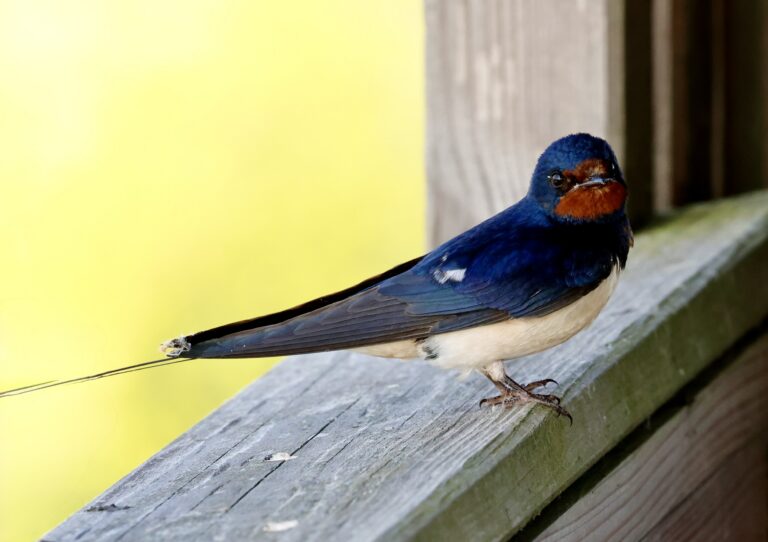 Easy
Barn Swallow
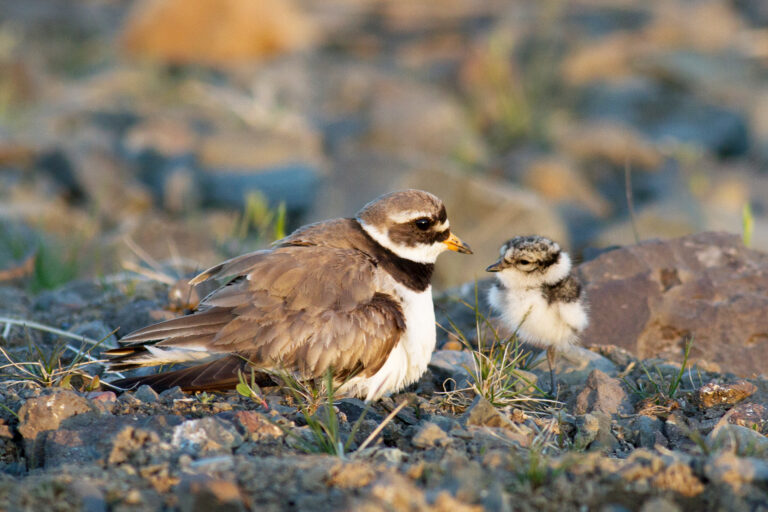 Easy
Common Ringed Plover
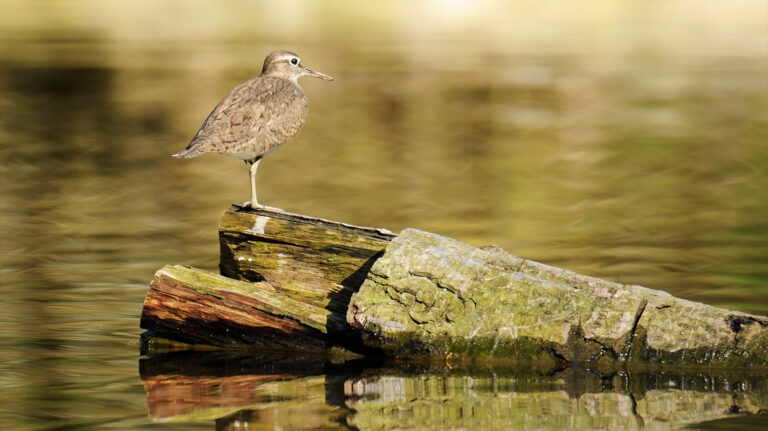 Easy
Common Sandpiper
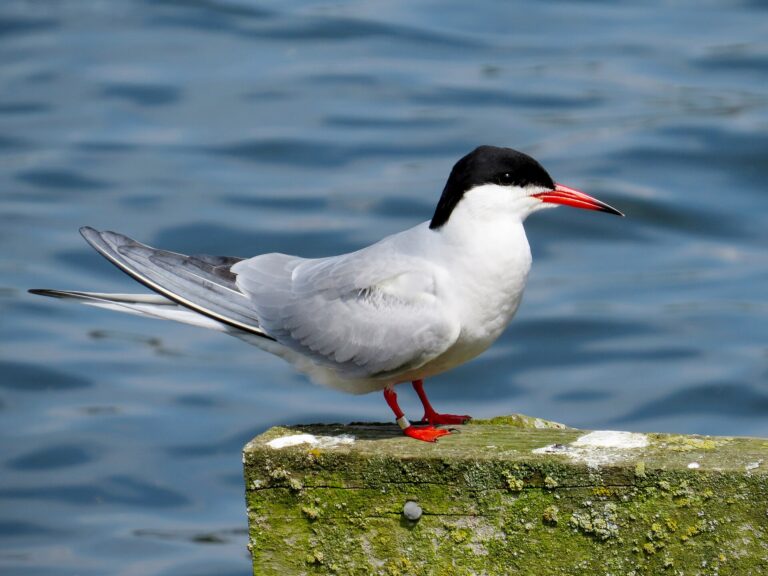 Easy
Common Tern
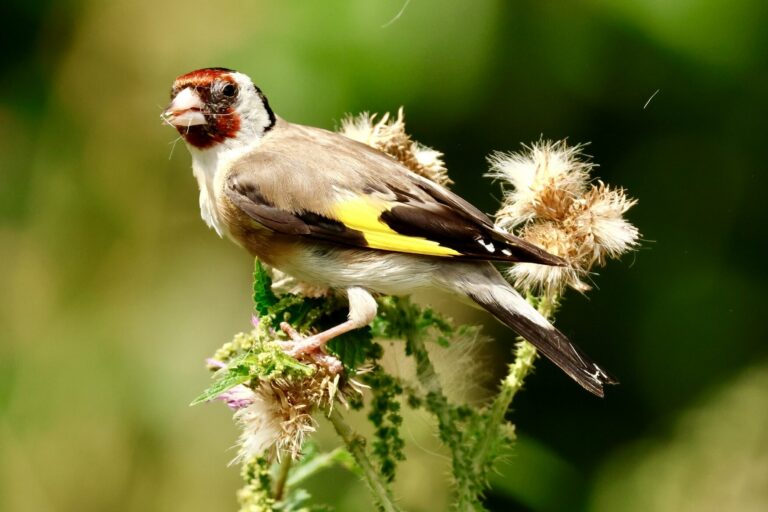 Easy
European Goldfinch
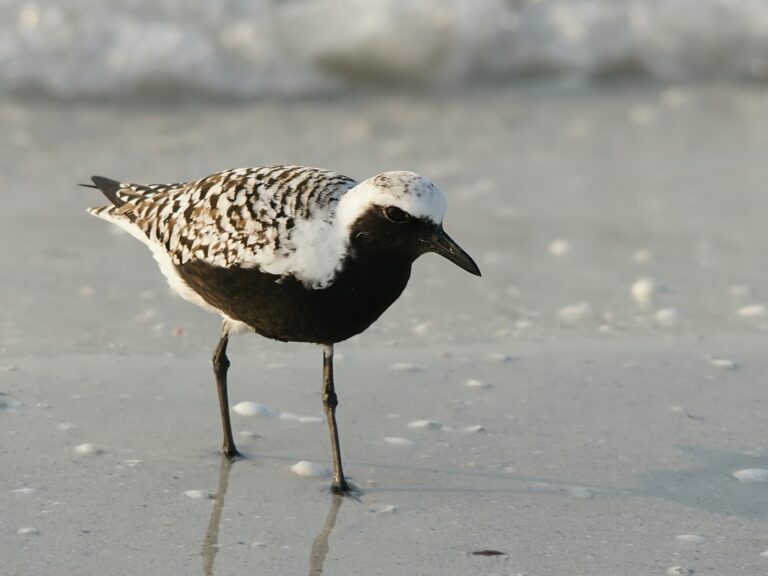 Easy
Grey Plover
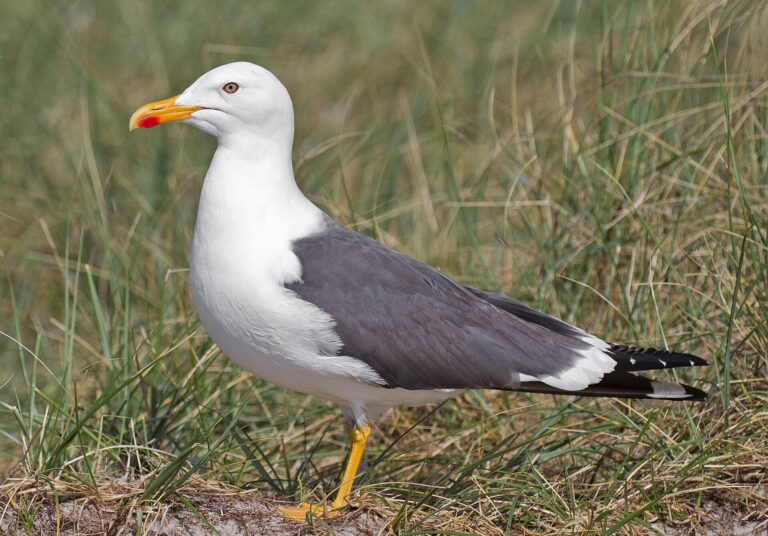 Easy
Lesser Black-backed Gull
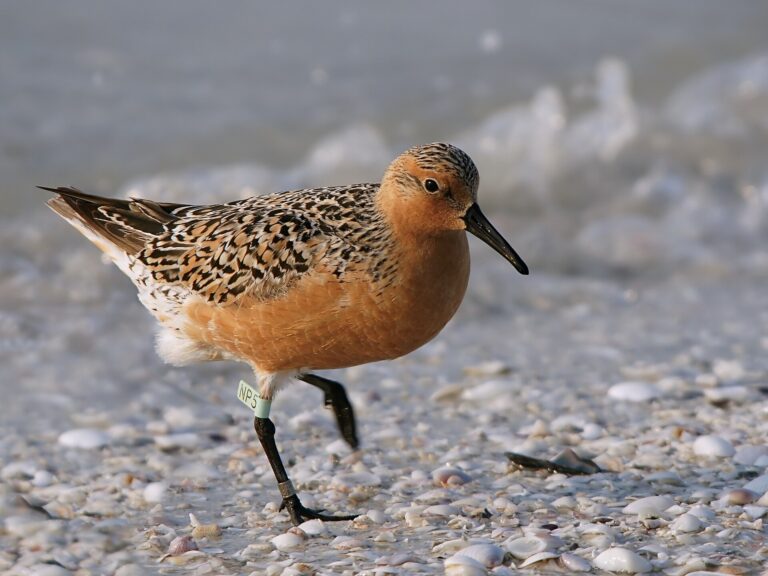 Easy
Red Knot
 Easy
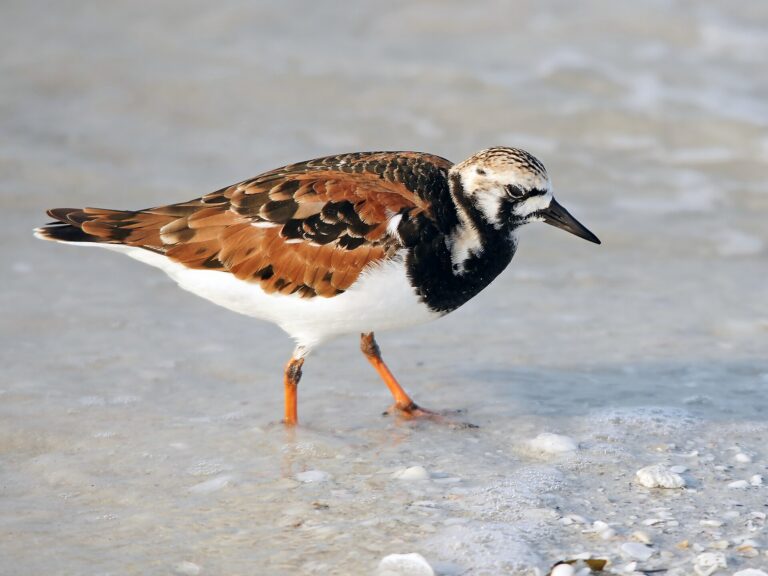
Ruddy Turnstone
 Easy
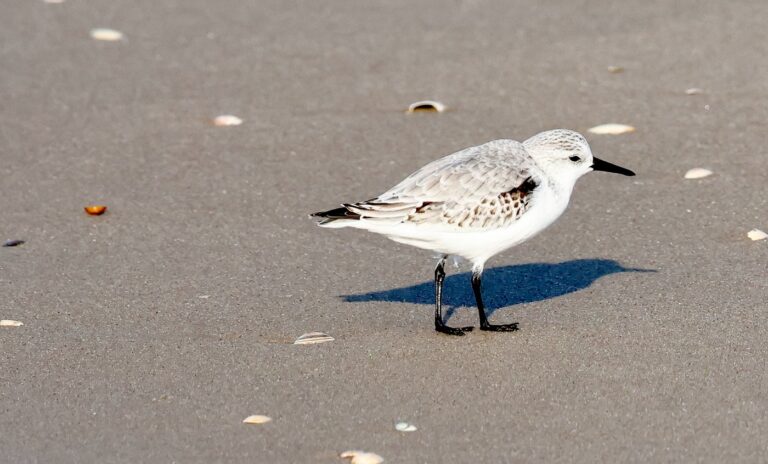
Sanderling
 Easy
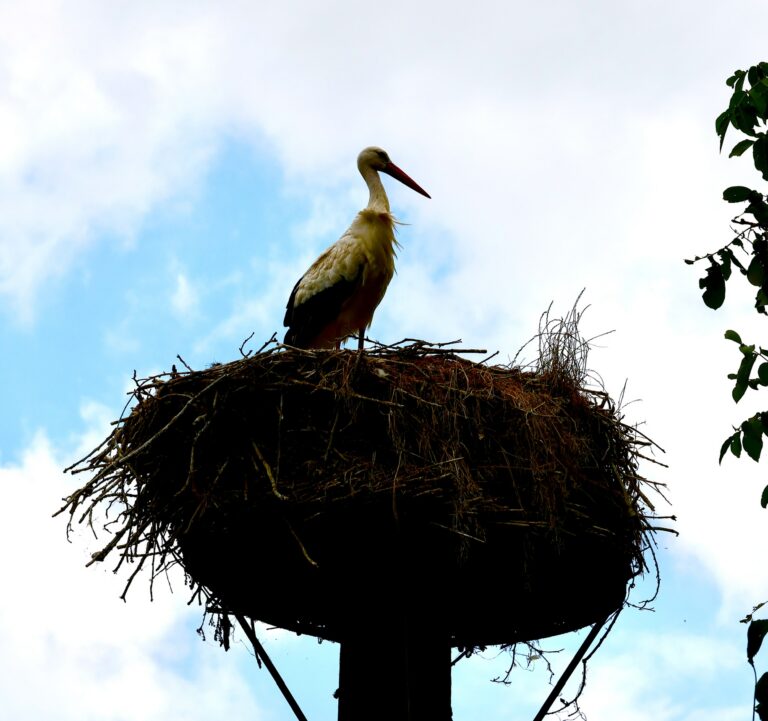
White Stork
 With luck
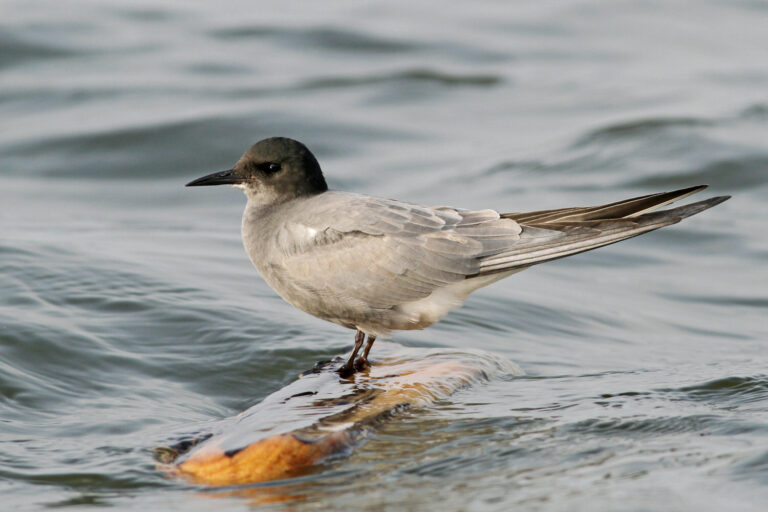
Black Tern
 With luck
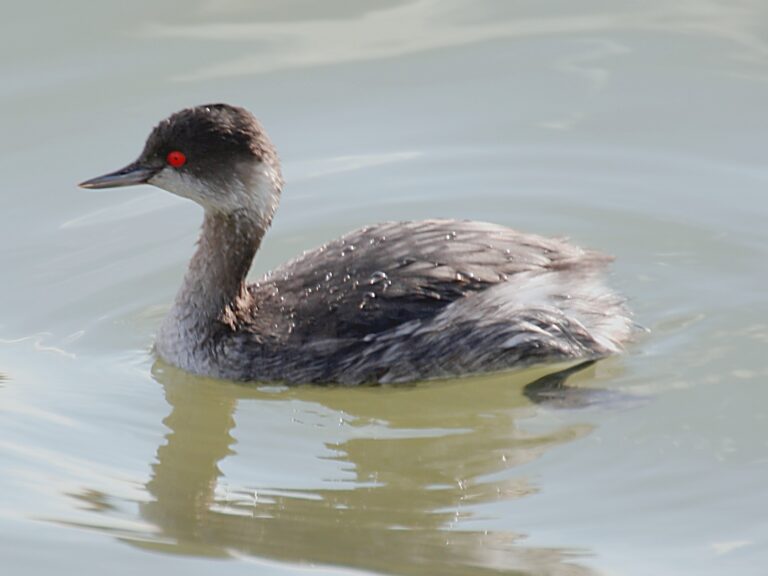
Black-necked Grebe
 With luck
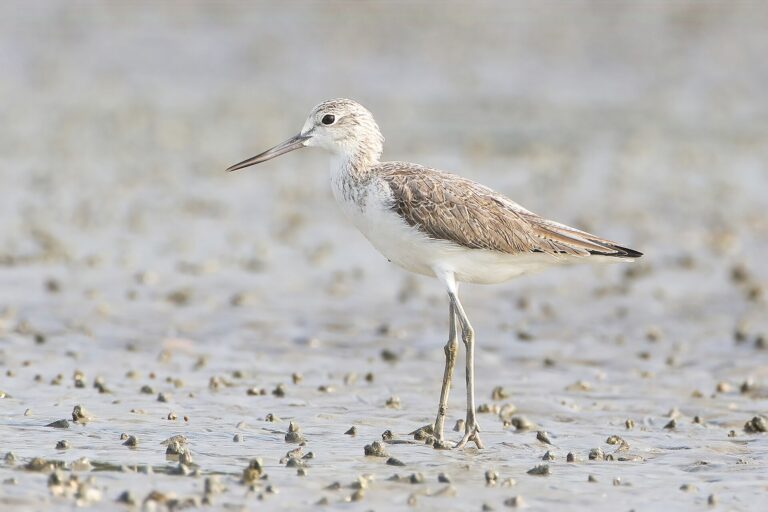
Common Greenshank
 With luck
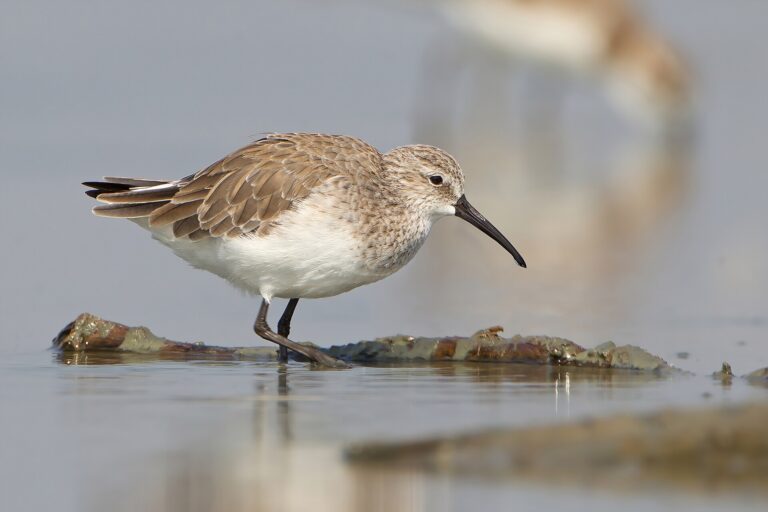
Curlew Sandpiper
 With luck
Eurasian Hobby
 With luck
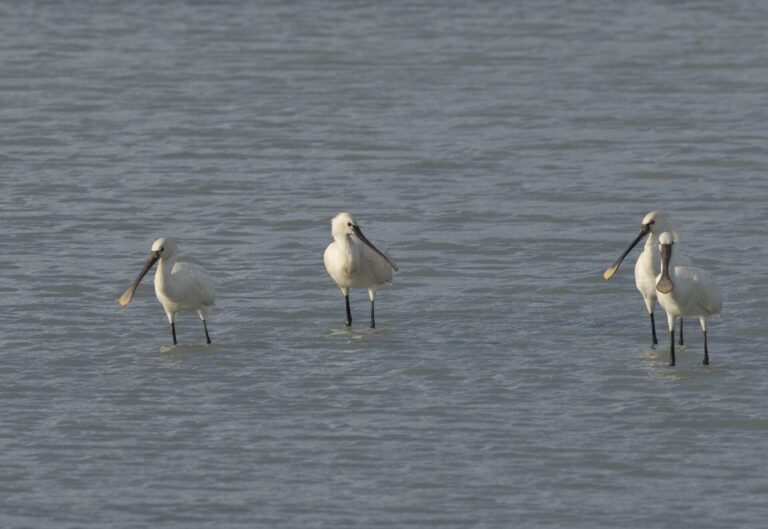
Eurasian Spoonbill
 With luck
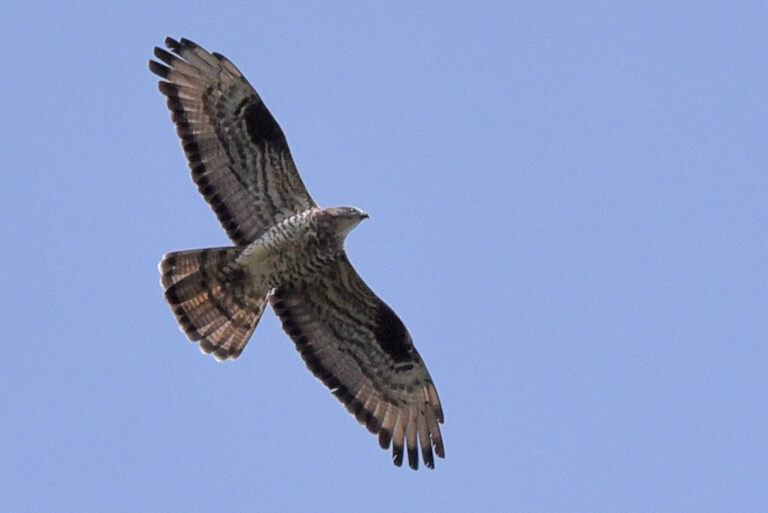
European Honey Buzzard
 With luck
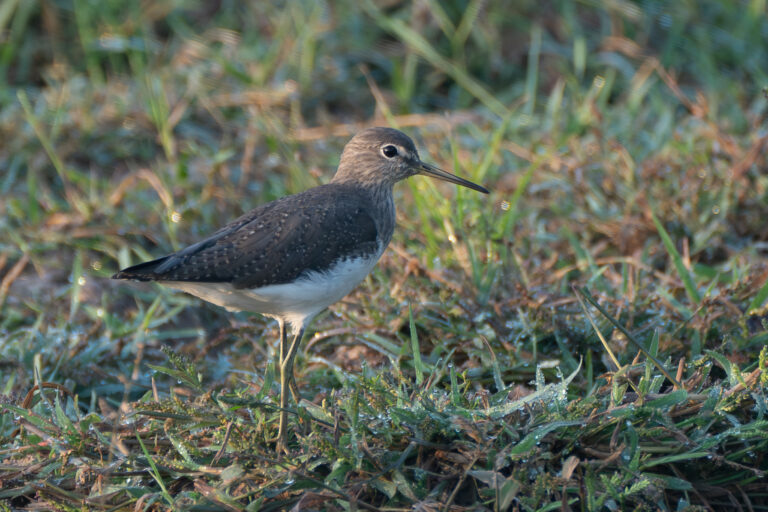
Green Sandpiper
 With luck
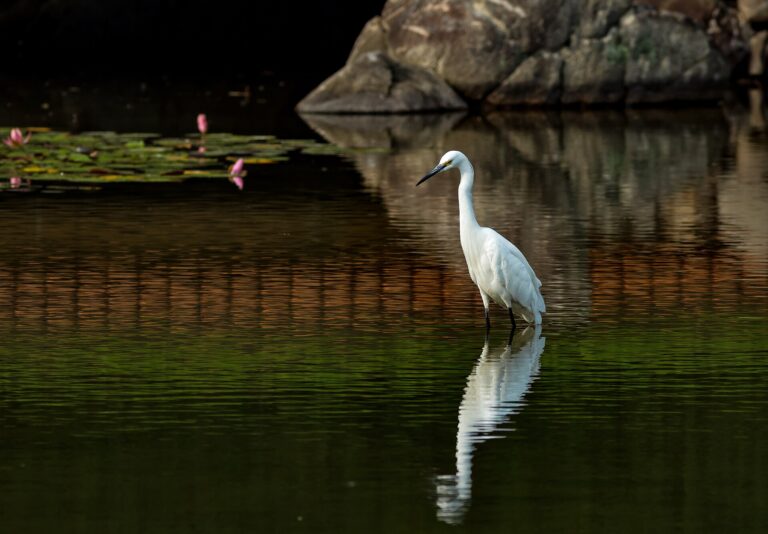
Little Egret
 With luck
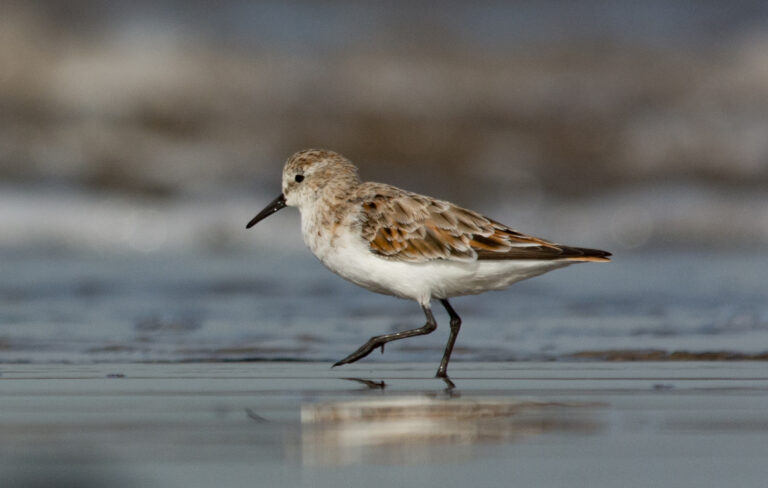
Little Stint
 With luck
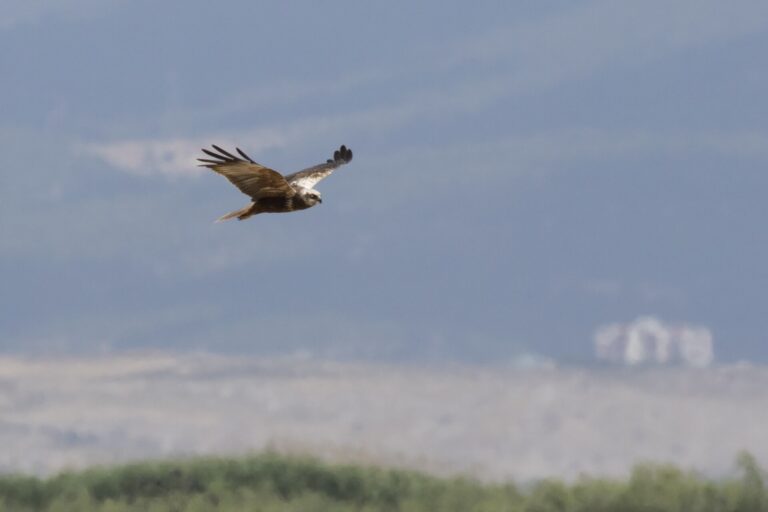
Marsh Harrier
 With luck
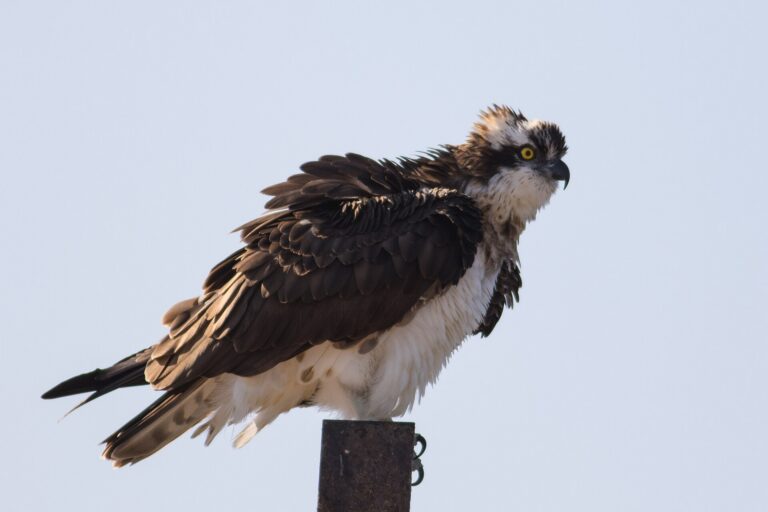
Osprey
 With luck
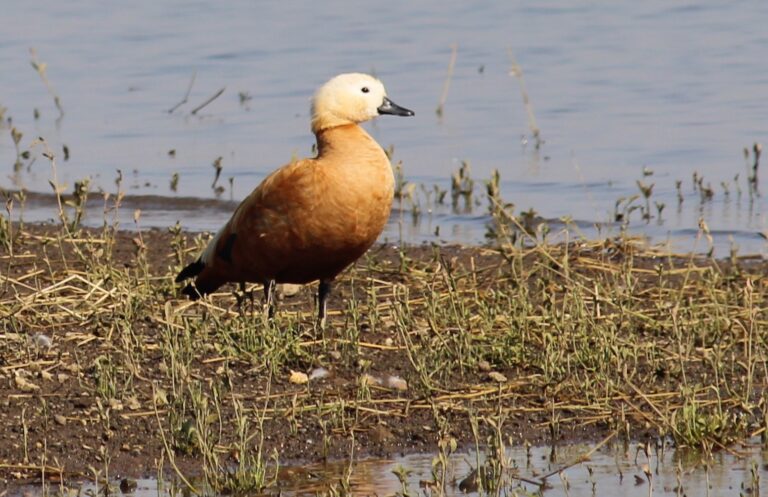
Ruddy Shelduck
 With luck
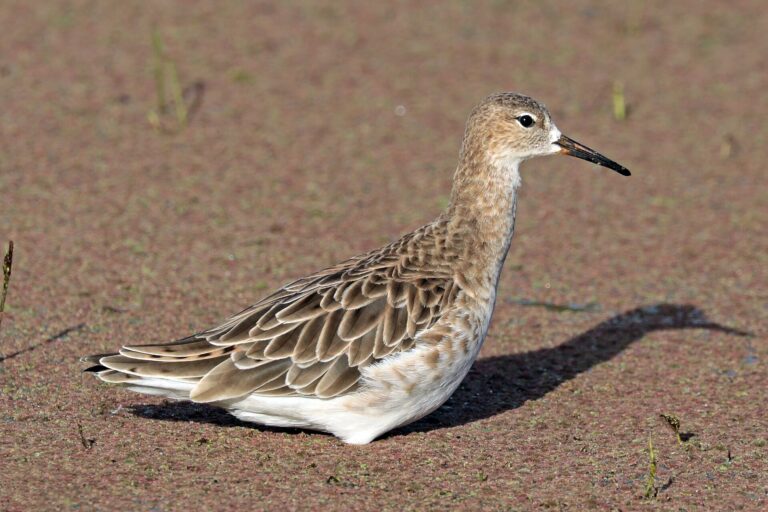
Ruff
 With luck
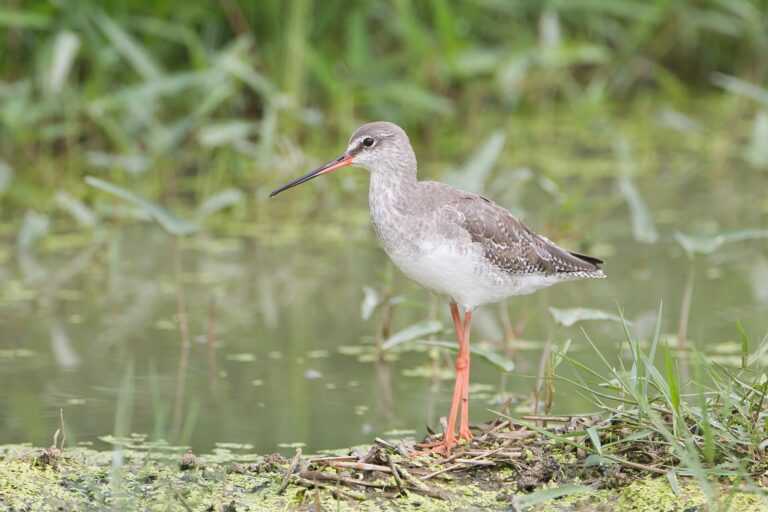
Spotted Redshank
 With luck
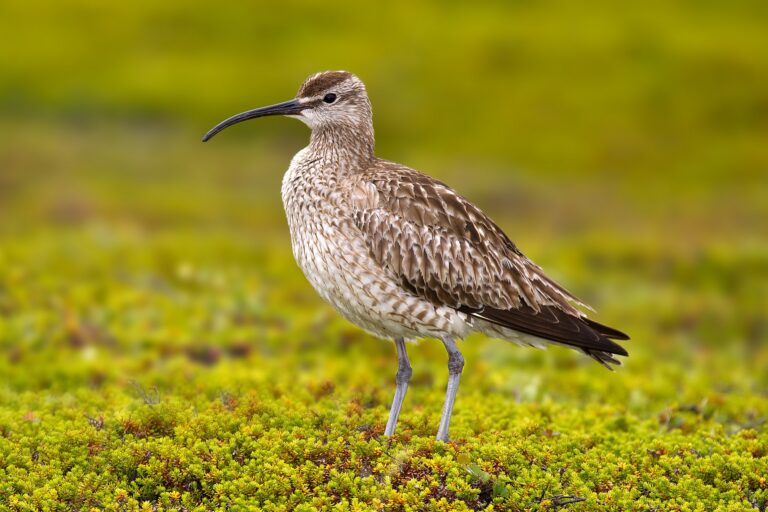
Whimbrel
 With luck
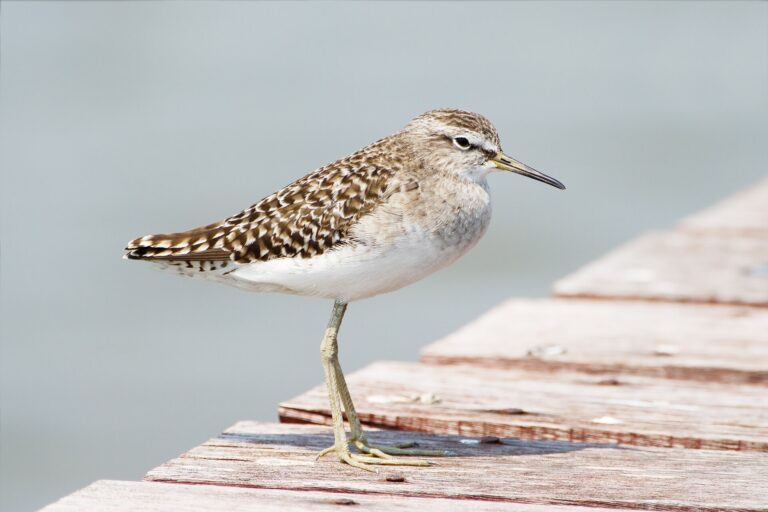
Wood Sandpiper
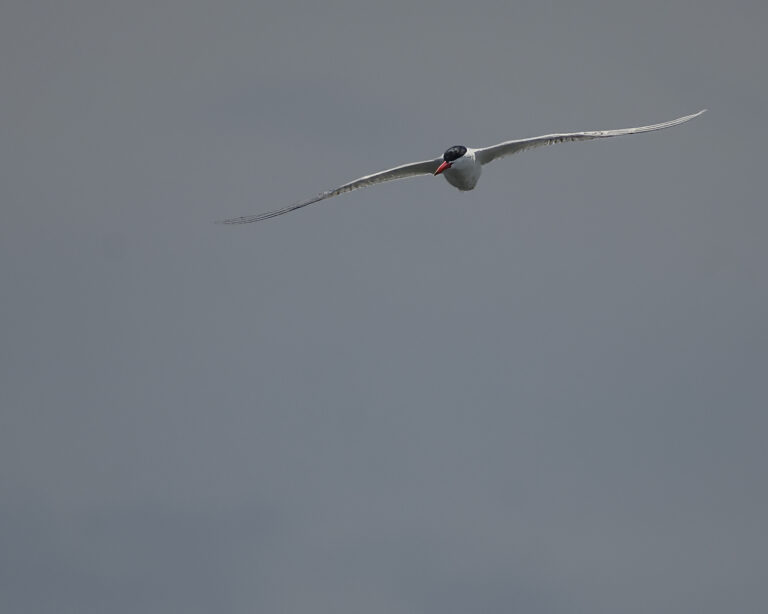 Rare
Caspian Tern
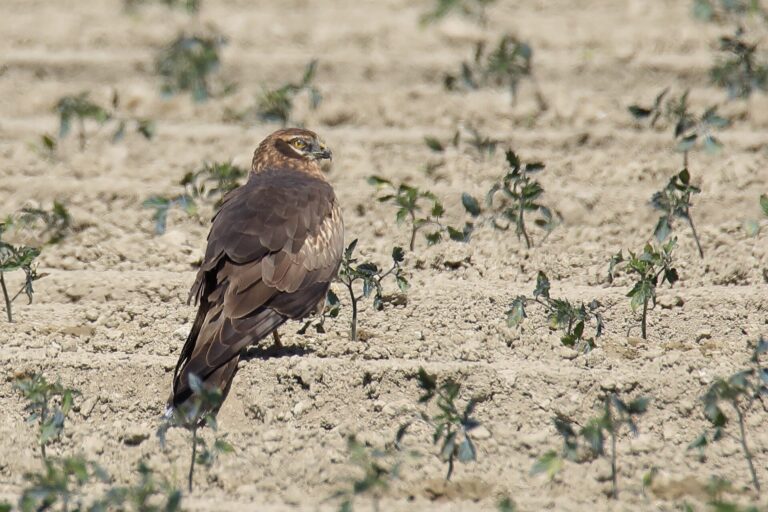 Rare
Montagu's Harrier
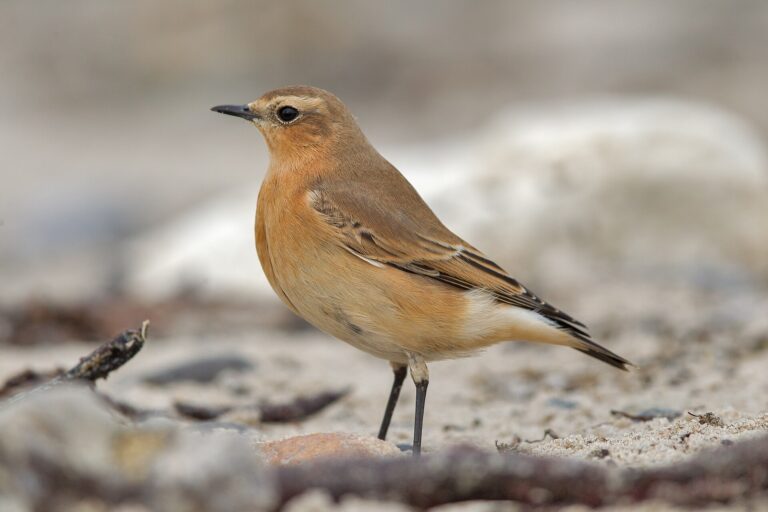 Rare
Northern Wheatear
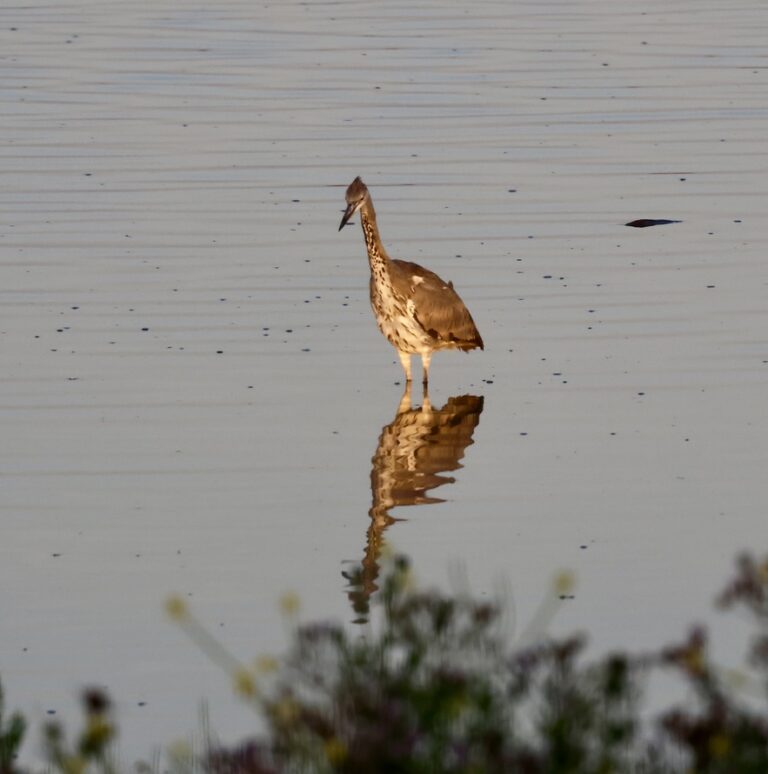 Rare
Purple Heron
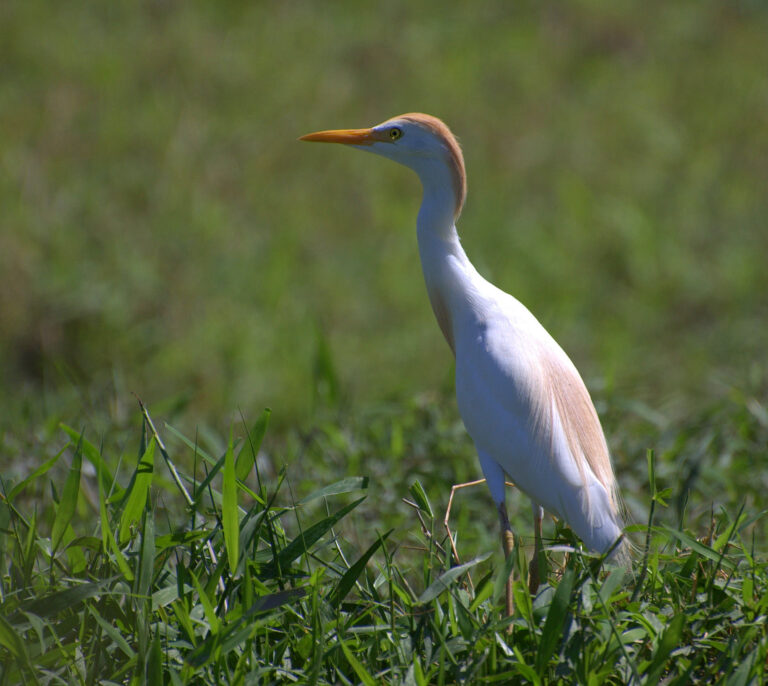 Rare
Western Cattle Egret
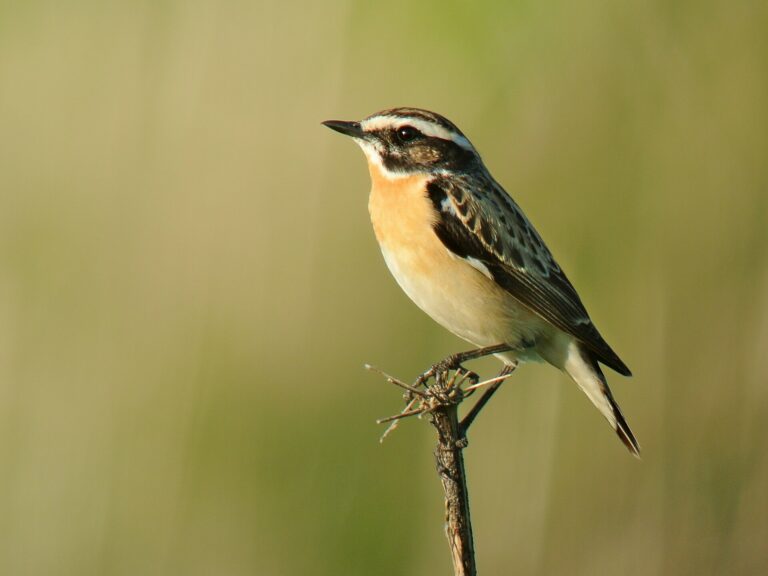 Rare
Whinchat
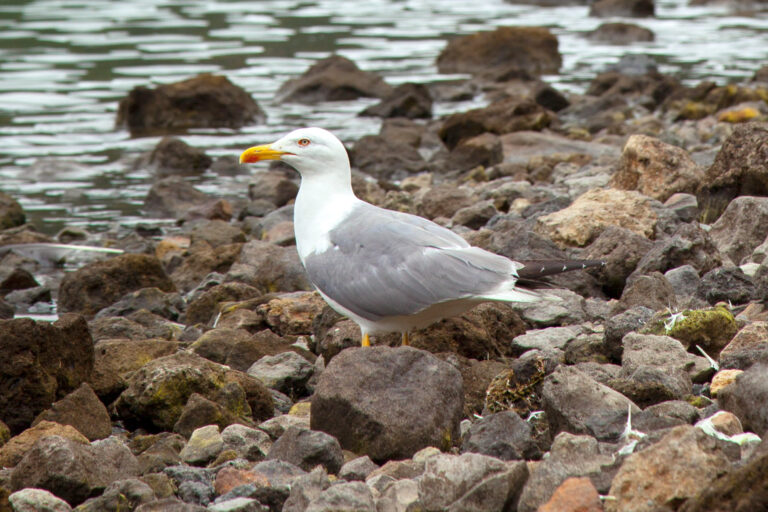 Rare
Yellow-legged Gull
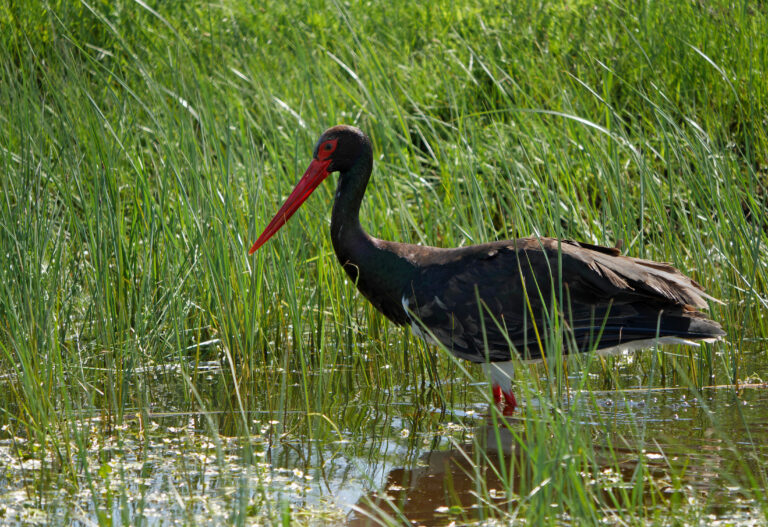 Very rare
Black Stork
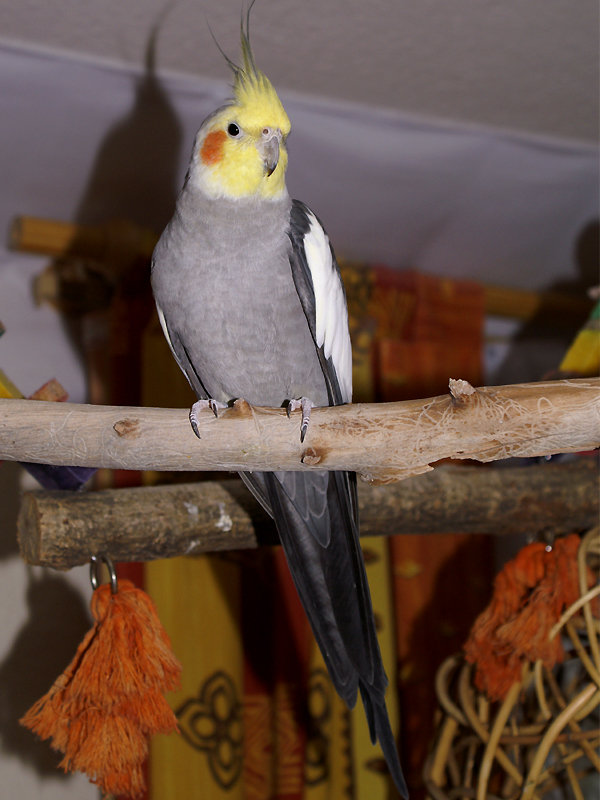 Very rare
Cockatiel
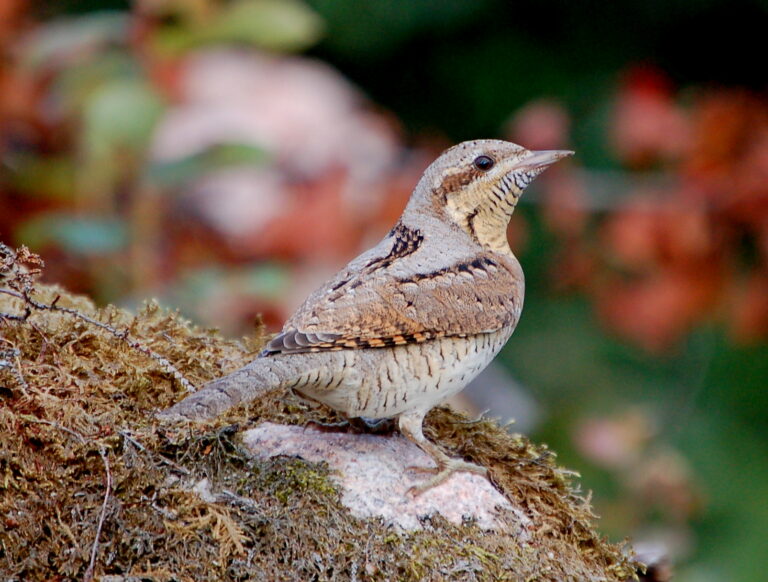 Very rare
Eurasian Wryneck
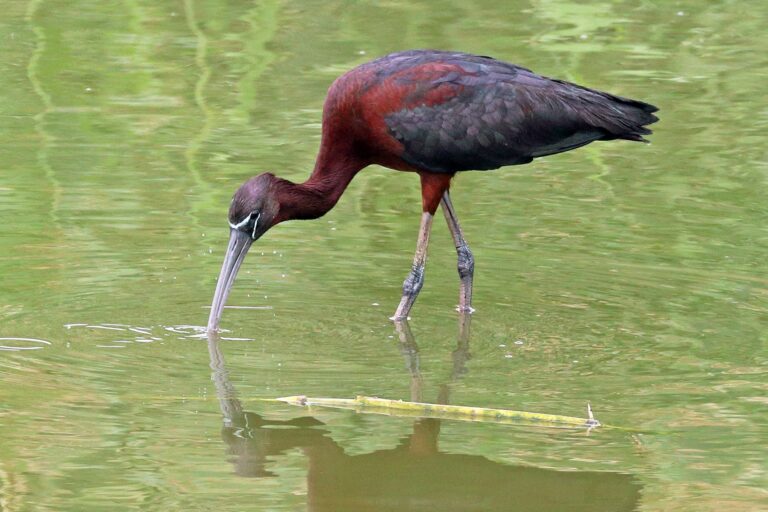 Very rare
Glossy Ibis
 Very rare
Temminck's Stint
- All species in English
- Areas in English
- Wildlife in the Netherlands, the English starting point.