
Wild animals are not equally visible all year. This calendar shows, month by month, which species are worth going out for in the Netherlands, in order of how good your chances are.
Wildlife calendar
What can you see in October?
Wild animals are not equally visible all year. This calendar shows, month by month, which species are actually worth going out for.
October
14 of 63 speciesIn order of how good your chances are.
October is the month everything starts moving at once. The summer visitors are gone or leaving, the winter visitors are arriving, and the animals that stay here are occupied with the only question that matters in autumn: building up enough fat for the winter. That makes October the busiest spotting month of the year — and the month in which one evening in the field shows you more than a whole week in July.
The rut tips over
In early October the red deer rut runs out. After weeks of roaring the stags have lost a lot of weight and need the rest of the autumn to recover; you hear them less, but you actually see them more, because they stand eating all day. Just when that stops, it starts for the fallow deer: that rut peaks in the second half of October, and is easier to follow besides, because fallow deer stay at fixed rutting grounds.
What falls determines what you see
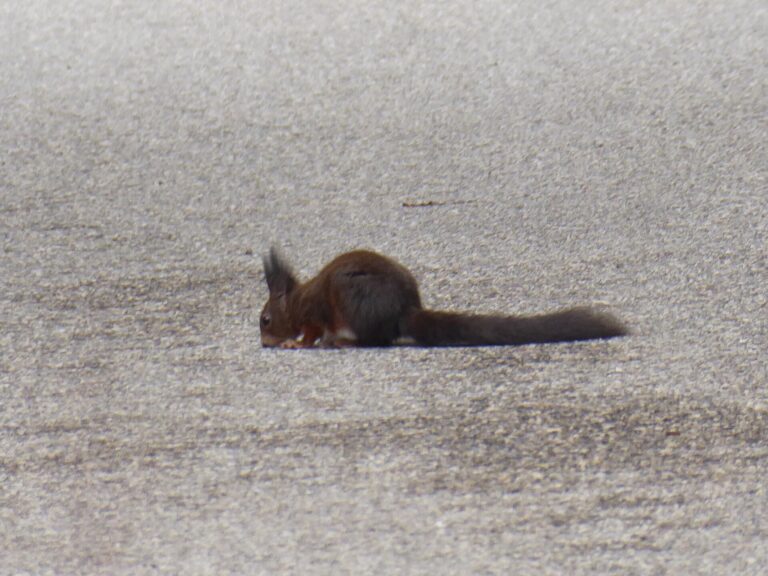
Under the oaks and beeches it lies thick. In a mast year you hear it crunching under every step, and that draws company: the Eurasian Jay, which according to Vogelbescherming hides some five thousand per autumn, the red squirrel, which does the same but more sloppily, and the wild boar, which churn up the ground beneath. Those rooting marks are often all you see of boar, and at the same time the best indication of where to stand the next morning. Under the beeches, from October onwards, groups of Bramblings scratch about among the nuts.
The migration continues, and changes character
Where September belonged to the songbirds, October belongs to the large species. Common Cranes cross the Netherlands from mid-October into December, with the peak around late October and early November — and whether they come over our country depends on the wind: on a north-easterly wind, night frost and clear weather the migration route shifts westwards. If you pick one week a year, pick the last of October. In the same weeks the first large groups of geese arrive and Redwings and Fieldfares drop into the berry bushes.
And then it gets dark
October is also the month in which you do better to listen than to look. Eighteen years of daily observations, published in Limosa, show that owls call loudest from September to January — exactly the opposite of what most people think. A windless, clear evening in old deciduous woodland is the best moment of the year to hear a Tawny Owl.
Where to go
In October the Veluwe covers almost everything at once: Veluwezoom and Deelerwoud for deer and old beech woodland, the Leuvenumse Bossen for Tawny Owls in the last of the light — the areas are open from sunrise to sunset, so be there well before dark. For cranes and geese look to the north and east, for fallow deer to the Amsterdamse Waterleidingduinen. Note: Kroondomein Het Loo is largely closed from 15 September through 25 December.
Practicalities
The first hour after sunrise and the last hour before sunset are both good, and in October they fall at a pleasant time. Take warm clothes for the standing still — you stand still longer than you think — and check yourself for ticks afterwards: according to the RIVM they are active through October. How we handle distance and disturbance is on responsible wildlife watching.
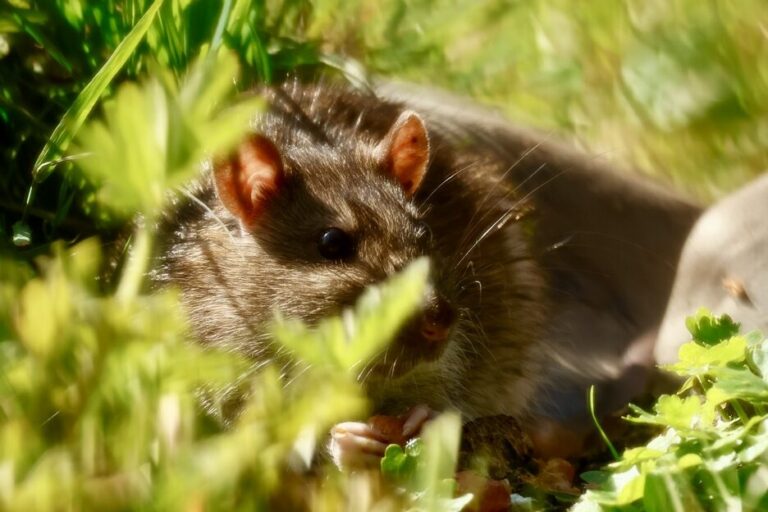 Easy
Brown rat
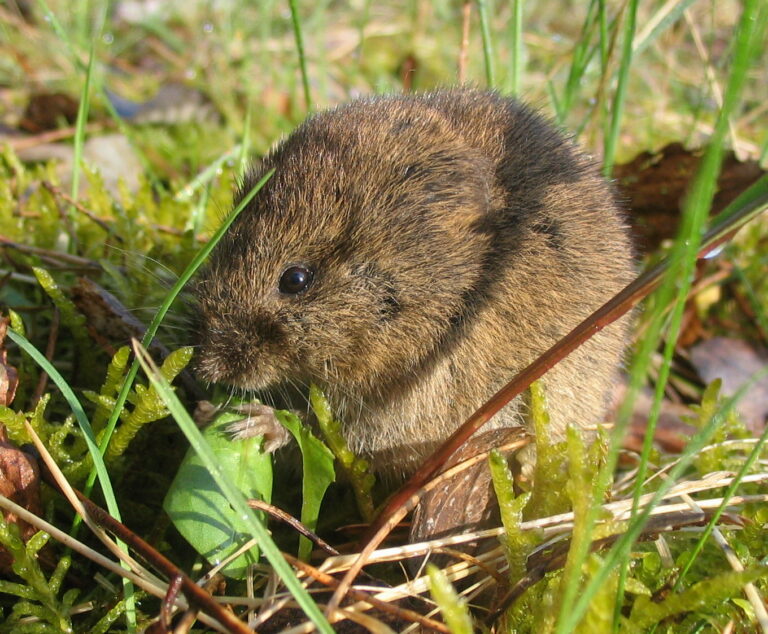 Easy
Common vole
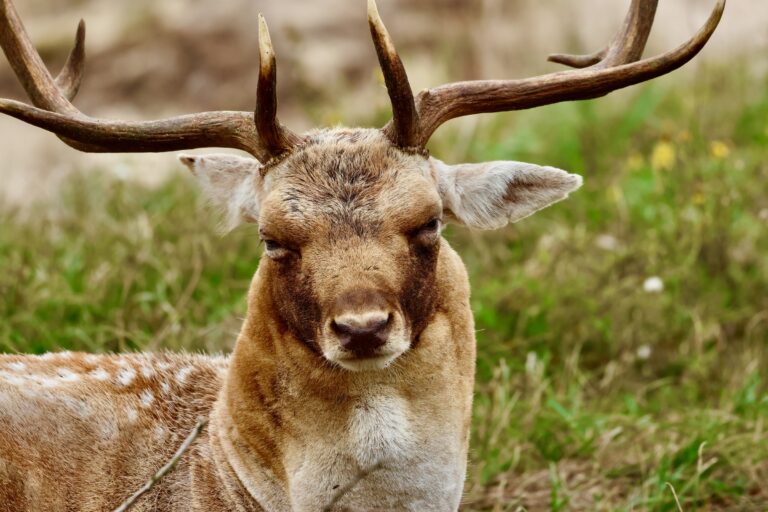 Easy
Fallow deer
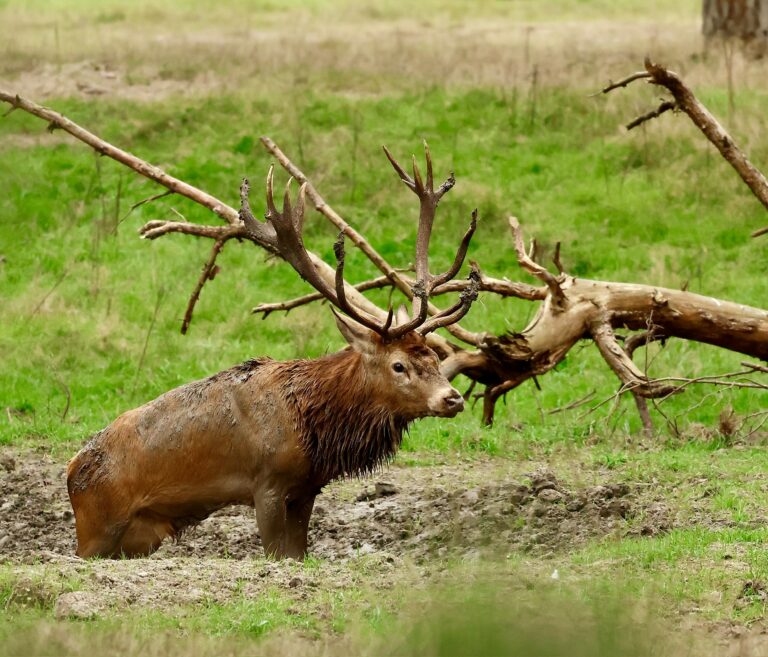 Easy
Red deer
 Easy
Red squirrel
 With luck
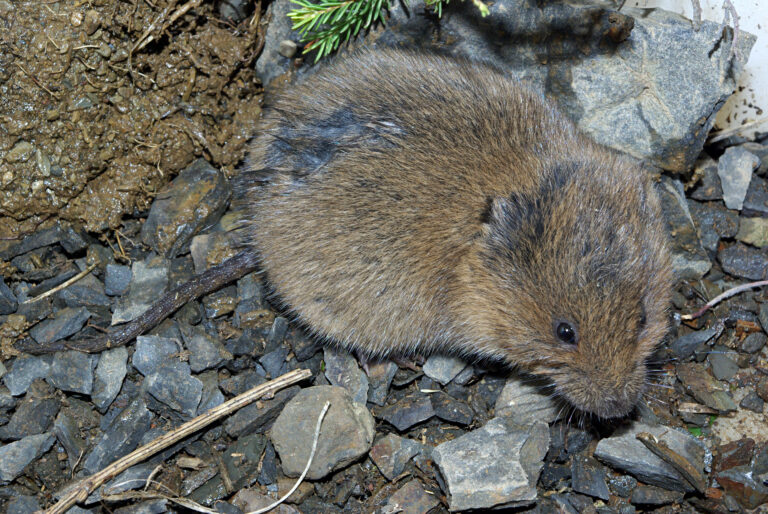
Field vole
 With luck
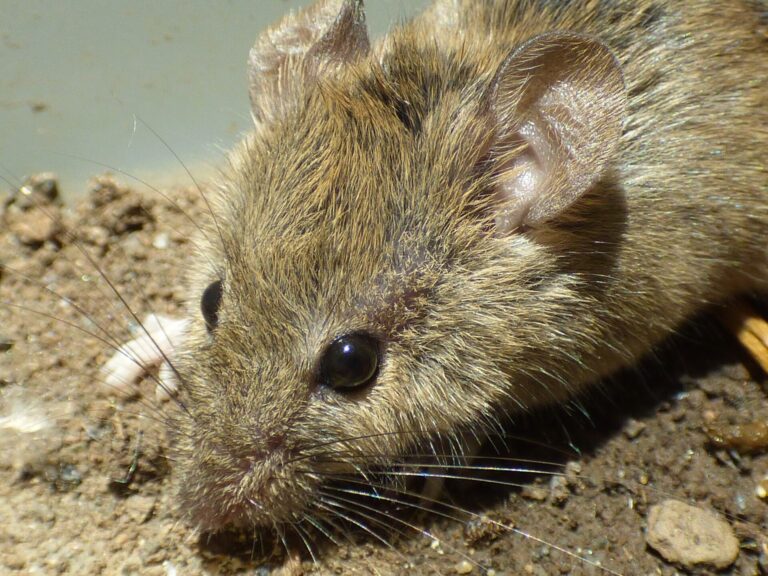
House mouse
 With luck
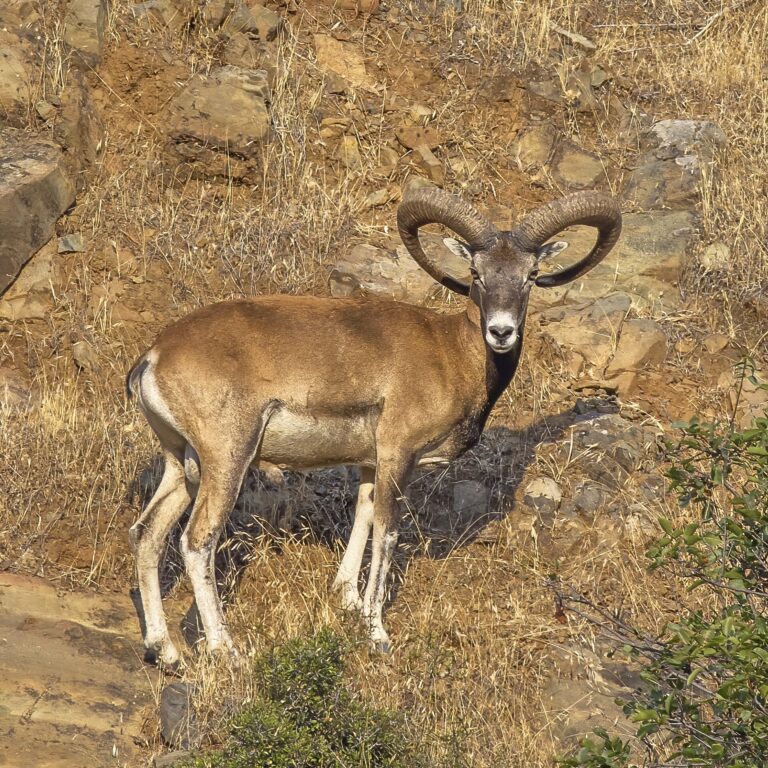
Mouflon
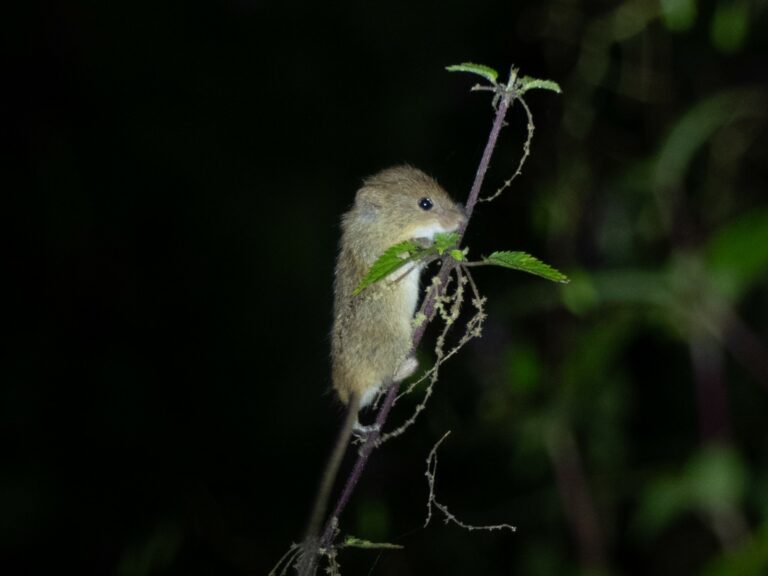 Rare
Eurasian harvest mouse
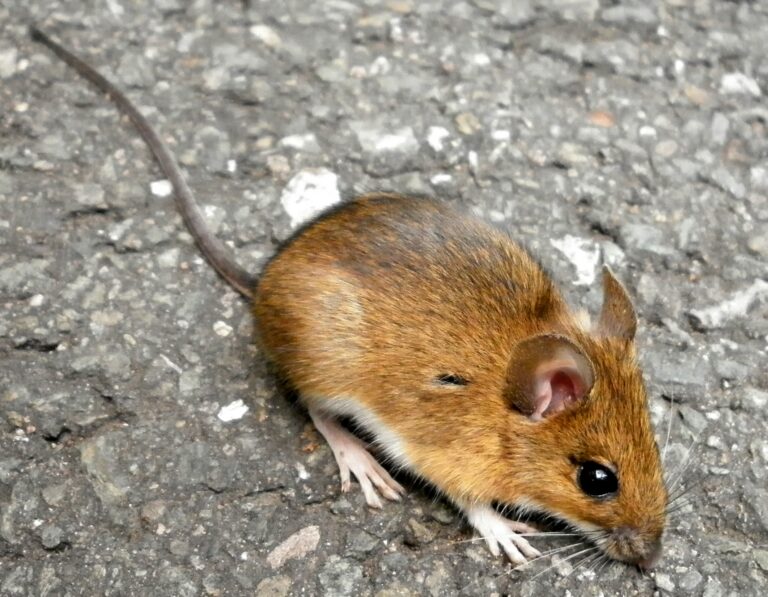 Rare
Yellow-necked mouse
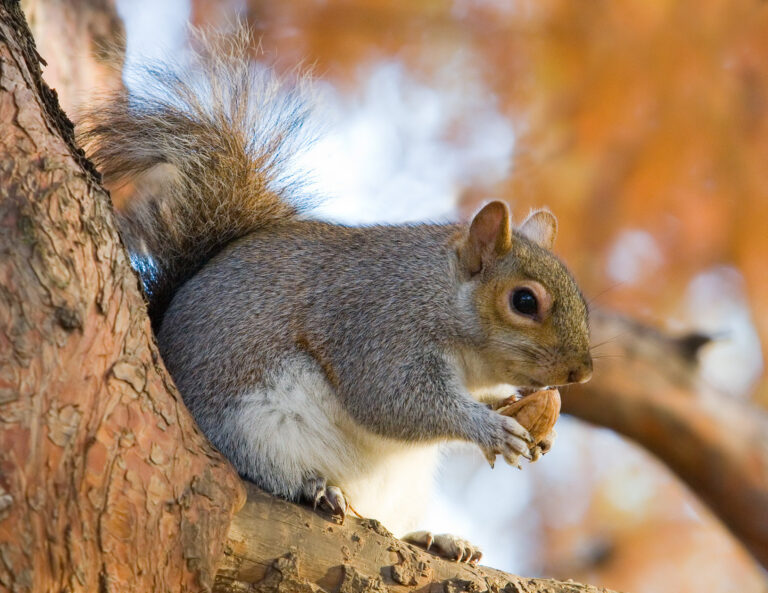 Very rare
Eastern grey squirrel
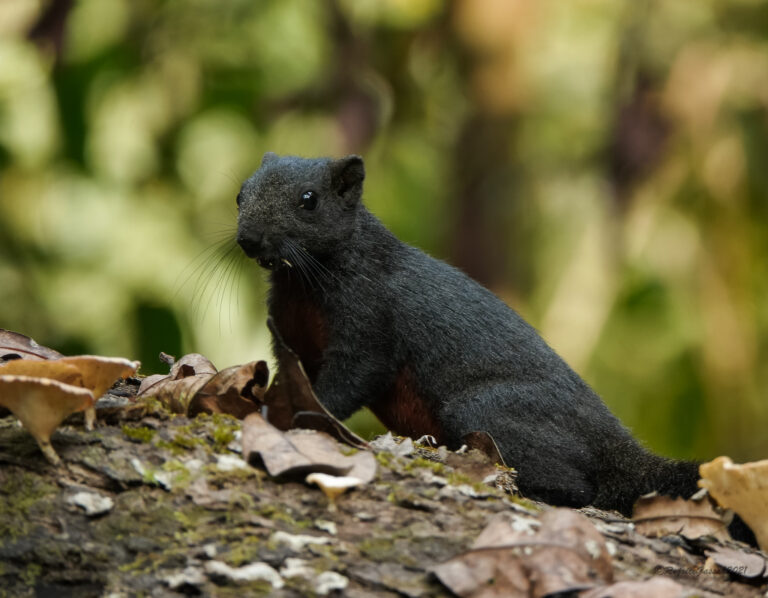 Very rare
Pallas's squirrel
 Very rare
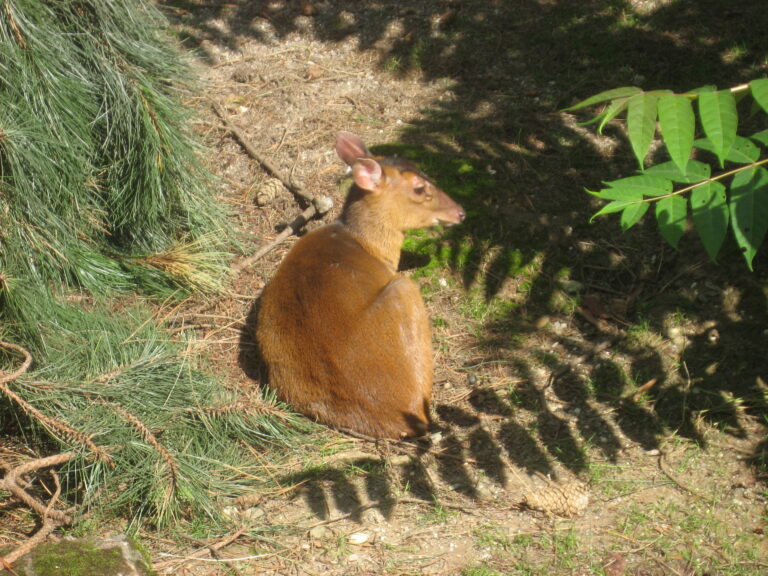
Reeves's muntjac
 Very rare
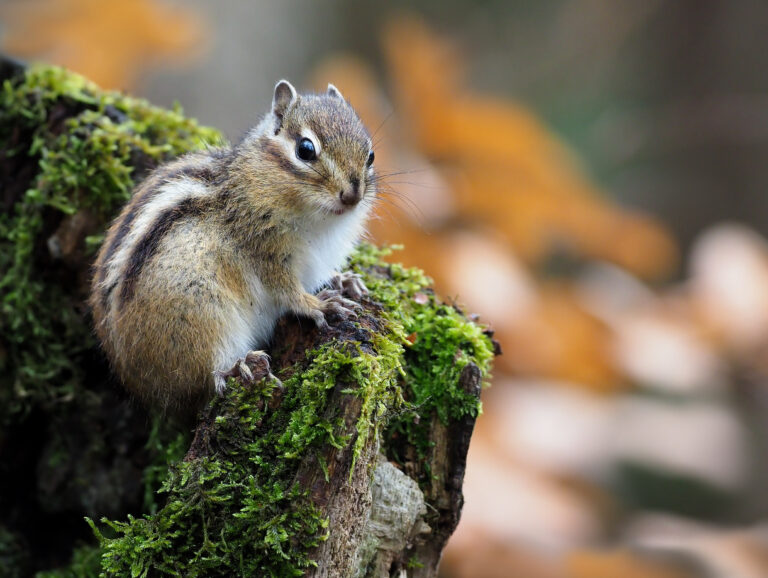
Siberian chipmunk
- All species in English
- Areas in English
- Wildlife in the Netherlands, the English starting point.