
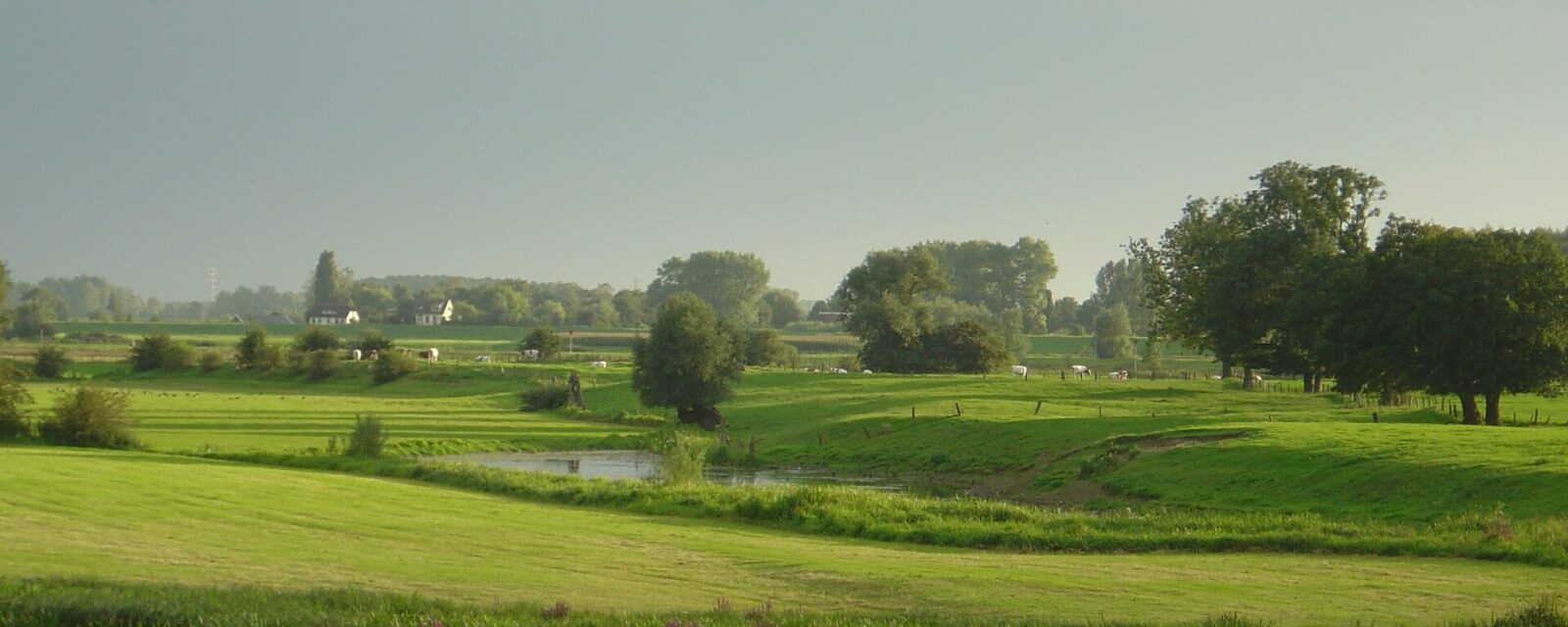
 📷 Foto: Gerhard Aberson (user Holsto) / CC BY-SA 3.0 via Wikimedia Commons.
IJssel-uiterwaarden: where to see wildlife
Winter for the geese and the White-tailed Eagle: thousands of Greater White-fronted and Barnacle Geese. Spring and autumn for waders on passage. Birdwatching is worthwhile all year. River & floodplains
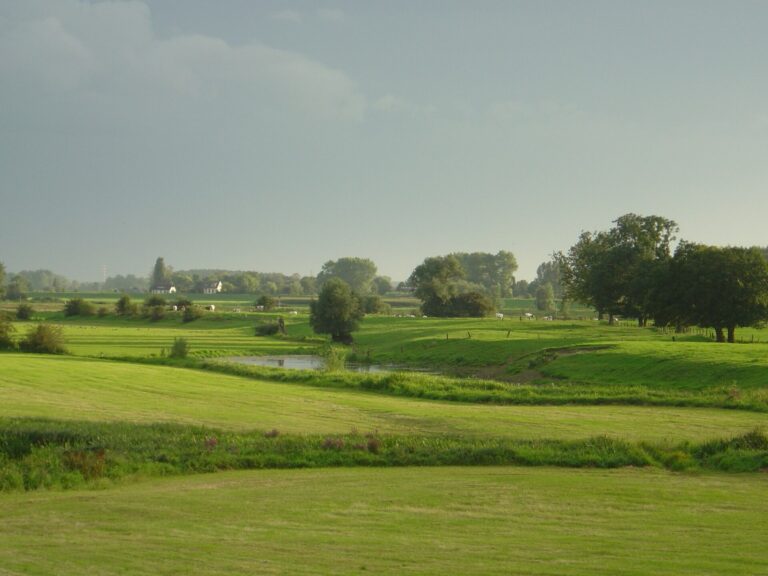
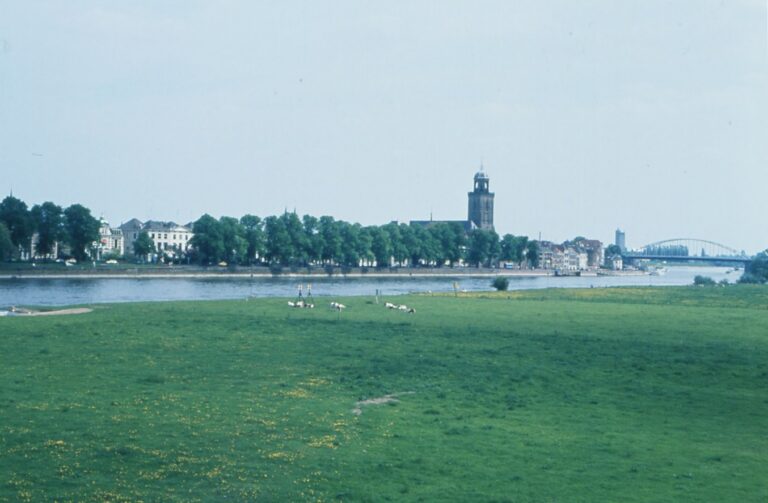
IJssel-uiterwaarden — The growth in the Dutch beaver population is concentrated here. Research by the Zoogdiervereniging for the province of Gelderland establishes that the increase in the number of territories is happening in all three Rijntakken areas, but above all along the IJssel. In the winter of 2022/2023 it came to 31 to 41 territories and 137 lodges and burrows across the whole of Rijntakken. Besides that, one location in the area holds the rare hay meadows with snake’s head fritillary. Mainly here: Beaver (the strongest growth in the Netherlands), White-tailed Eagle, otter, Penduline Tit; Corn Crake, Spotted Crake, Black Tern and Common Kingfisher as breeding birds; in winter thousands of Greater White-fronted and Barnacle Geese. Fish: barbel and ide are demonstrably present; bitterling, European weatherfish, spined loach and bullhead are Habitats Directive species. Best period: Winter for the geese and the White-tailed Eagle: thousands of Greater White-fronted and Barnacle Geese. Spring and autumn for waders on passage. Birdwatching is worthwhile all year.
Which animals will you see here?
Also reported present in this area (44 species) presence reported
These species are known to occur here (NDFF), but nothing has been recorded yet about your chance of seeing them.
Spider (4)
Grasshopper (17)
Fish (23)
Walking routes
Laarzenpad Duursche Waarden
Oranje paalkopwandeling
Laarzenpad Vreugderijkerwaard
Hides and viewpoints
🔭 Bird hide Duursche Waarden
🔭 Bird hide Vreugderijkerwaard
🔭 Bird hide De Rammelwaard
🔭 Bird screen and viewing tower Duursche Waarden
Practical information
- Access: The area around the Fortmond brickworks is roaming country and freely accessible. The bird hide and the access path in the Vreugderijkerwaard are accessible to wheelchair users. At the Rammelwaard two sources contradict each other: Vogelkijkhut.nl writes that the hide is freely accessible but that the area closes in the breeding season and the northern part is not freely accessible anyway, while Birdingplaces states that the hide itself is shut in the breeding season, usually from 15 March to 15 August. Check that on the spot. At high water the floodplains go under and close.
- Parking: Duursche Waarden: a car park on the Rijksstraatweg, also by the information centre. Vreugderijkerwaard: its own car park at Zalkerveerweg 20 in Zwolle — do not park at the sheep dairy. Rammelwaard: along the road, from the Wellenbergweg level with number 6, then about 500 metres on foot. For current parking and high-water information Staatsbosbeheer refers you to the ranger of the sub-area concerned.
- Dogs: It differs per site manager — do not generalise. With Staatsbosbeheer in the IJsselvallei dogs are welcome provided they are on a lead. In the Vreugderijkerwaard of Natuurmonumenten dogs are not allowed at all, because of the (breeding) birds.
- Facilities: Three bird hides whose locations are known (Duursche Waarden, Vreugderijkerwaard, Rammelwaard), plus a bird screen and a viewing tower at the Duursche Waarden, and an information centre on the Rijksstraatweg near Fortmond. Boot paths in the Duursche Waarden and the Vreugderijkerwaard.
🌿 Rules in this area
Rijkswaterstaat manages the river; the province of Gelderland leads on Natura 2000 (the Uiterwaarden IJssel sub-area within Rijntakken). Staatsbosbeheer manages IJsselvallei-Oost (Bentinckswelle, Duursche Waarden, Engelse Werk, Zalkerbosch), IJsselvallei-West (Cortenoever, Rammelwaard, Welsummerwaarden), IJsselvallei-Zuid (Bakerwaard, Brummensche Waarden, Vreekolk) and IJsselmonding (De Enk, Reevediep). Natuurmonumenten manages the Vreugderijkerwaard near Zwolle, among others. sets its own rules here. Stay on the paths, respect refuges and closures, keep dogs on a lead where that applies, and do not fly a drone — they are banned in almost every Dutch nature reserve.
Status: Verified · Last checked: 2026-10-28
Photo: Foto: Gerhard Aberson (user Holsto) / CC BY-SA 3.0 via Wikimedia Commons.