
Wild animals are not equally visible all year. This calendar shows, month by month, which species are worth going out for in the Netherlands, in order of how good your chances are.
Wildlife calendar
What can you see in July?
Wild animals are not equally visible all year. This calendar shows, month by month, which species are actually worth going out for.
July
45 of 165 speciesIn order of how good your chances are.
July is the month everyone skips, and that is exactly why it is worth the effort. The birdsong is largely over, but something else is happening: the roe deer rut, the dragonflies at their height, and the first birds already heading south while summer isn't even half done.
The roe deer rut is the best-kept secret
The rut of the roe deer falls from mid-July to mid-August and is unusually early for a deer. The fertilised egg then rests for months before the pregnancy really begins, which is why the fawns are not born until May. In those weeks bucks chase does across open fields, sometimes in circles, and roe deer are far more visible by day than usual. It is not a roaring spectacle like the red deer's, but it is the moment when you see the most roe deer of the year.
Dragonflies and butterflies at their height
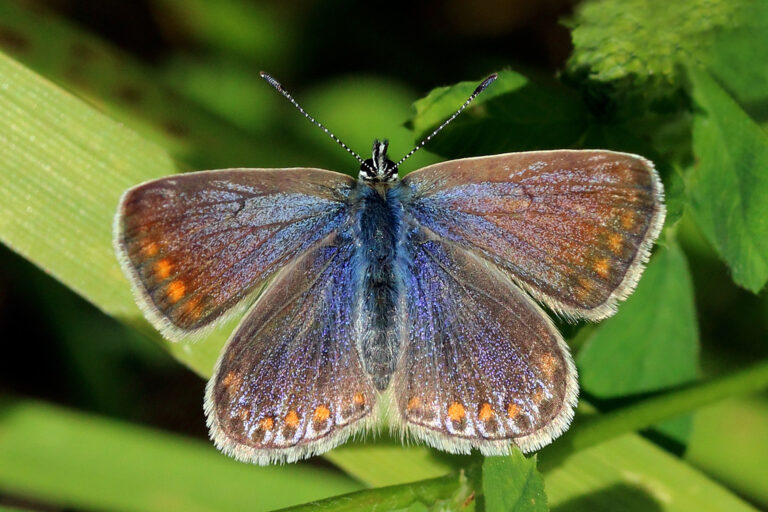
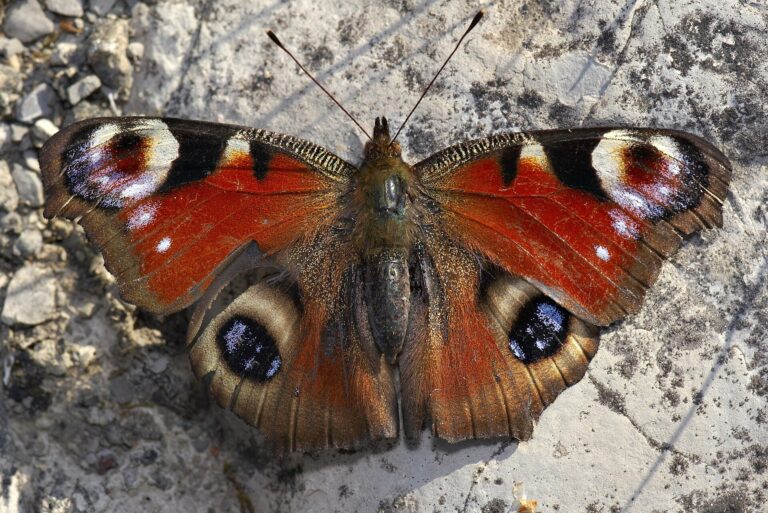
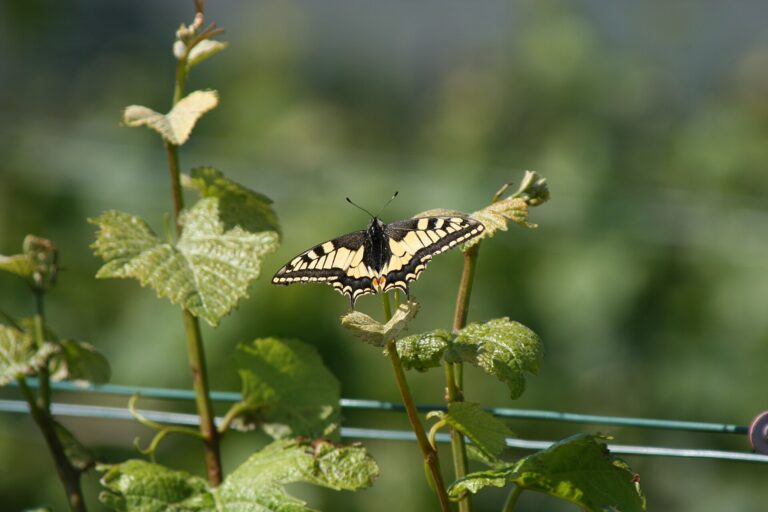
The Banded Demoiselle peaks until late July, the Scarlet Dragonfly until early August, and the Hairy Dragonfly flies on until the end of the month. Among the butterflies the new generation appears from July: the European Peacock flies from July to September, the Old World Swallowtail in its second generation until mid-September, and the Common Blue continues into October. This is the one animal group for which the heat of the middle of the day is actually favourable.
The sound shifts to the bush-crickets
Where in May the birds set the soundscape, from July onwards the bush-crickets do. The Great Green Bush-cricket is present as an adult from July through October, and its sustained rattling in scrub and rough ground is the loudest natural sound there is on warm evenings. It is worth learning to listen for cricket sound: it is a complete, virtually unexplored layer of Dutch nature.
And the migration is starting again
While it is high summer, the movement has already turned round. The Common Swift is here from late April and is gone again by late July or early August — of all the summer visitors the briefest guest. The Eurasian Hobby has its best period from June to August. And along the coast the first waders start moving back, often still in their summer plumage.
Reptiles are still out
The viviparous lizard and the slow worm can be seen from April to September, and in July you needn't get up early for them: they lie on paths and log piles later in the day too. In these weeks the grass snake seeks out warm, damp places. Walk quietly and look at the edges of the path — anyone stamping along sees nothing, because they hear you before you see them.
Where to go
For roe deer, open arable land and woodland edges — you needn't enter a nature reserve for that, and the car works as a hide. For dragonflies, head for streams and moorland pools: the Leuvenumse Bossen, De Meinweg or Dwingelderveld. For butterflies and crickets, chalk grassland and dune: the Sint-Pietersberg or Zuid-Kennemerland. For waders, the Wadden Sea and the Oosterschelde, on the incoming tide.
Practicalities
Plan around the heat: birds and mammals in the early morning, insects between eleven and four, and the rest late in the evening. Taking water is no luxury in July. Ticks are as active as ever, and that applies especially in long grass along paths. See responsible wildlife watching.
 Easy
Common Blue
 Easy
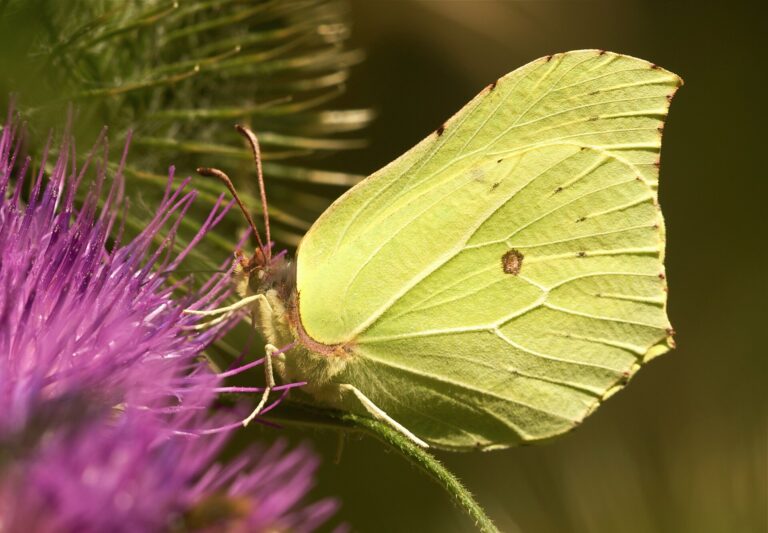
Common Brimstone
 Easy
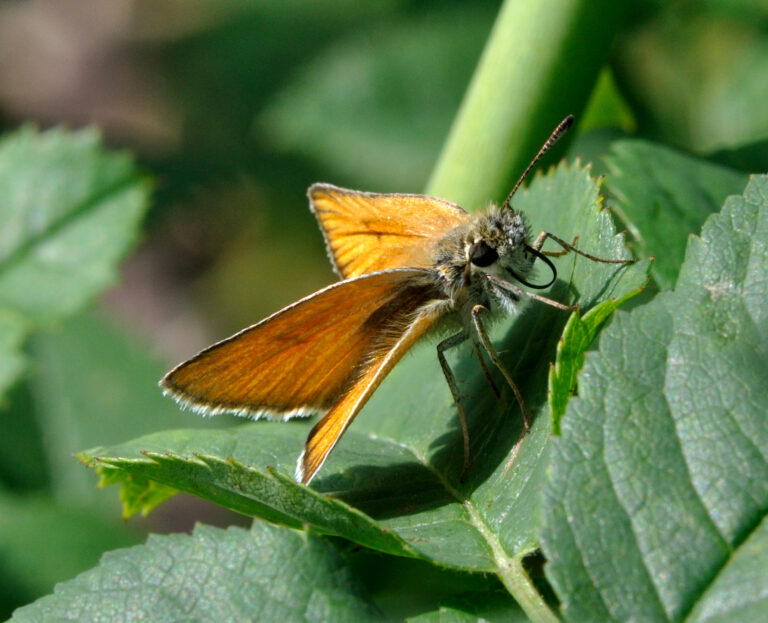
Essex Skipper
 Easy
European Peacock
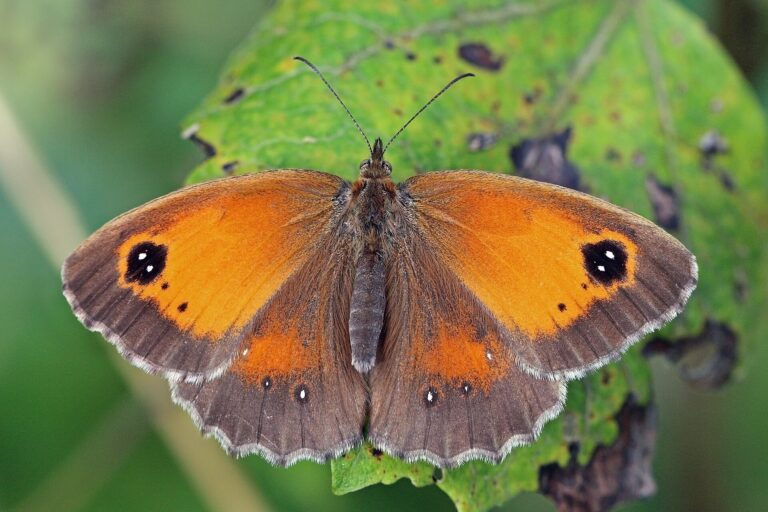 Easy
Gatekeeper
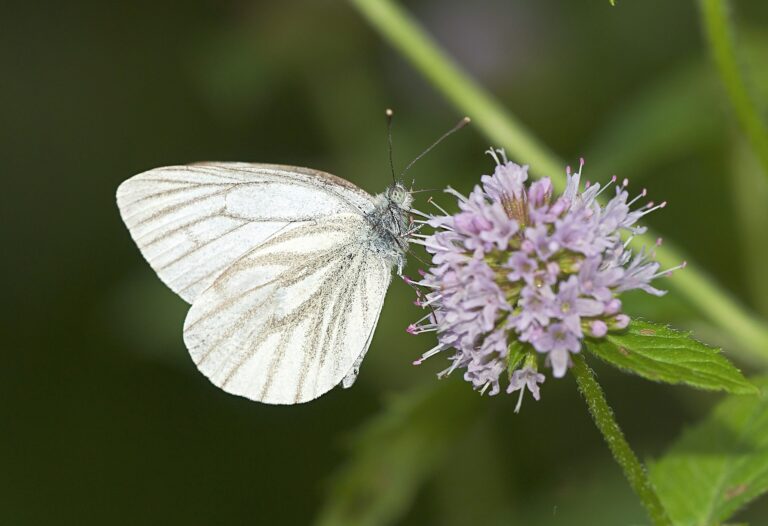 Easy
Green-veined White
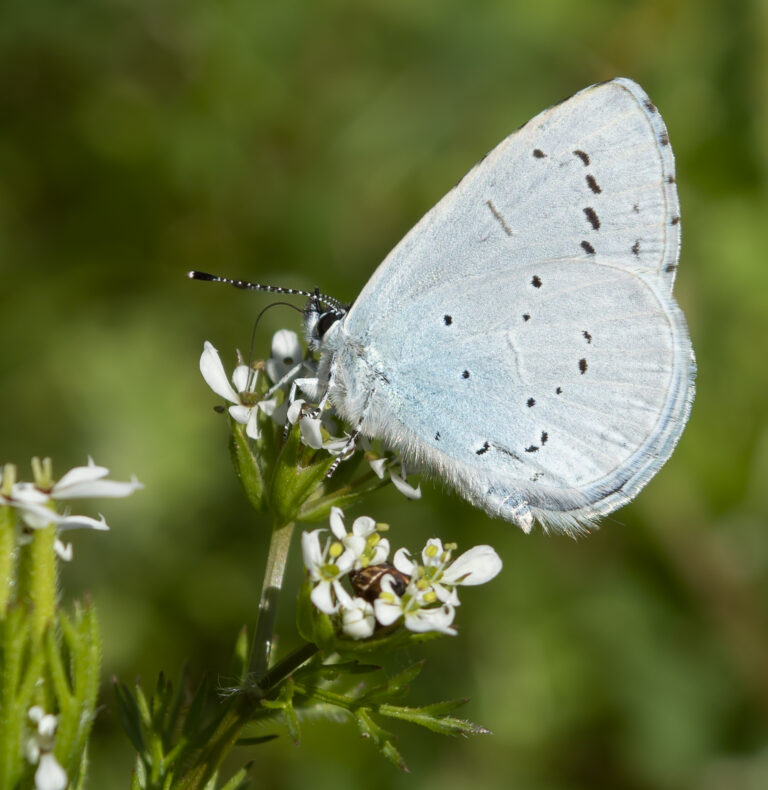 Easy
Holly Blue
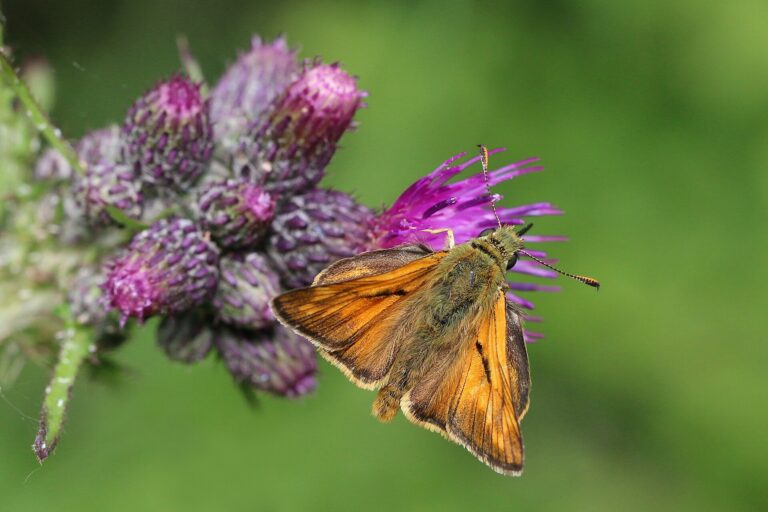 Easy
Large Skipper
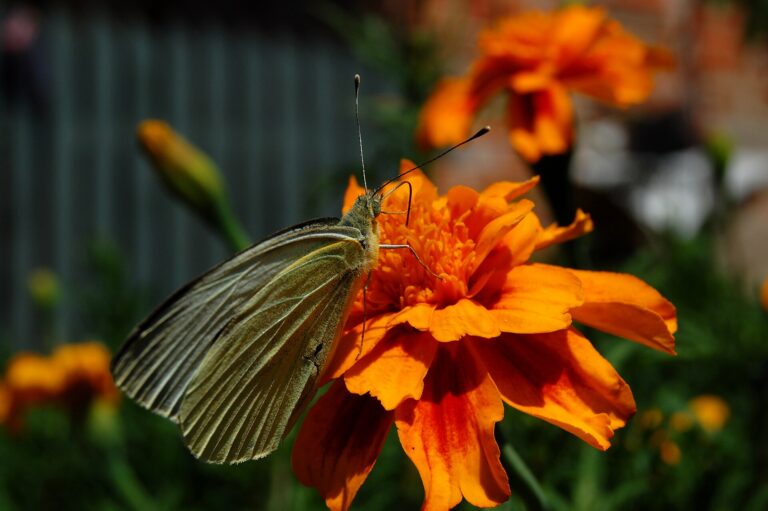 Easy
Large White
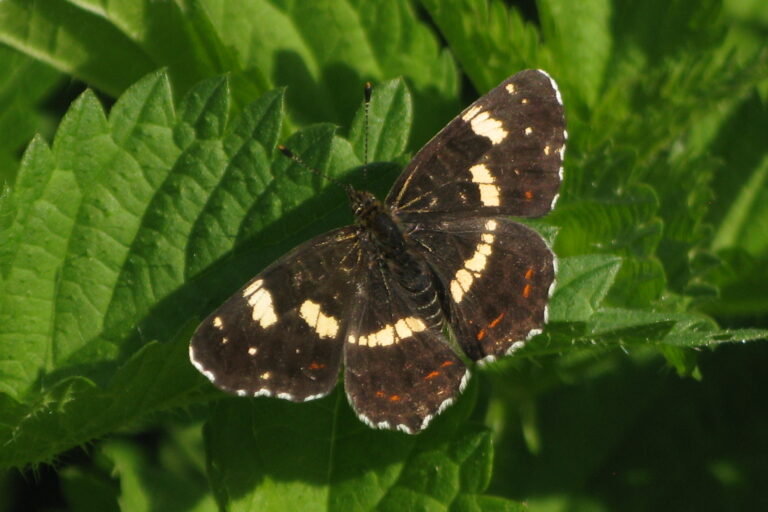 Easy
Map
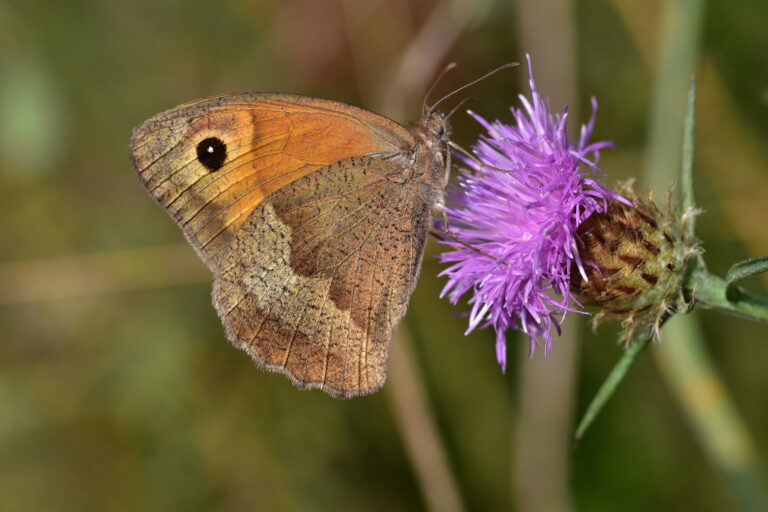 Easy
Meadow Brown
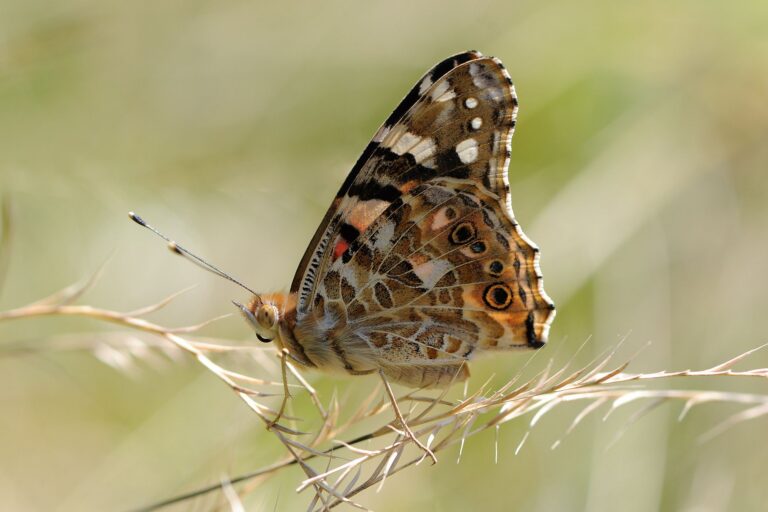 Easy
Painted Lady
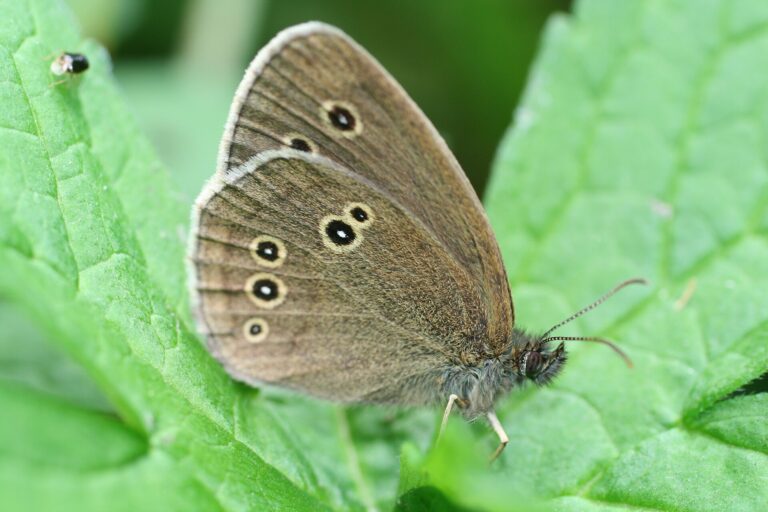 Easy
Ringlet
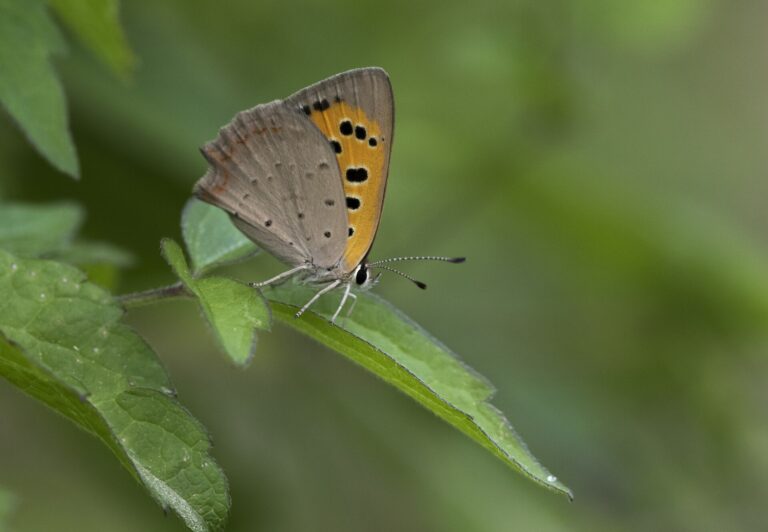 Easy
Small Copper
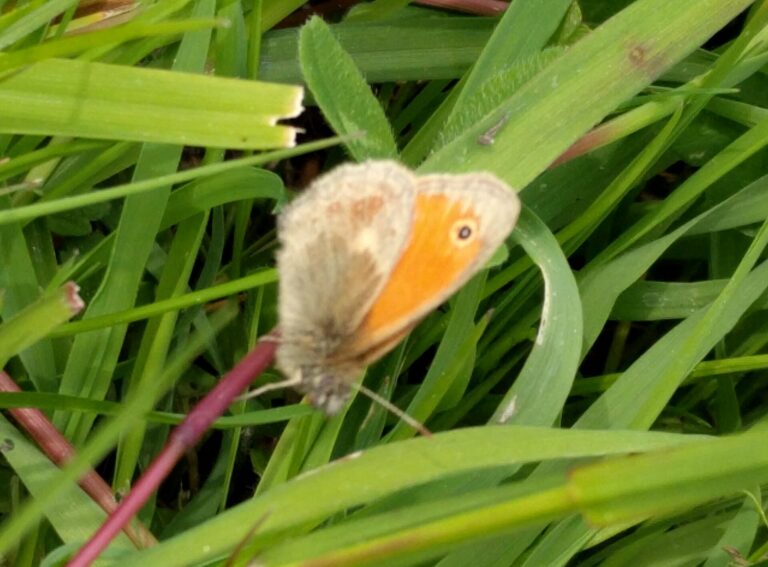 Easy
Small Heath
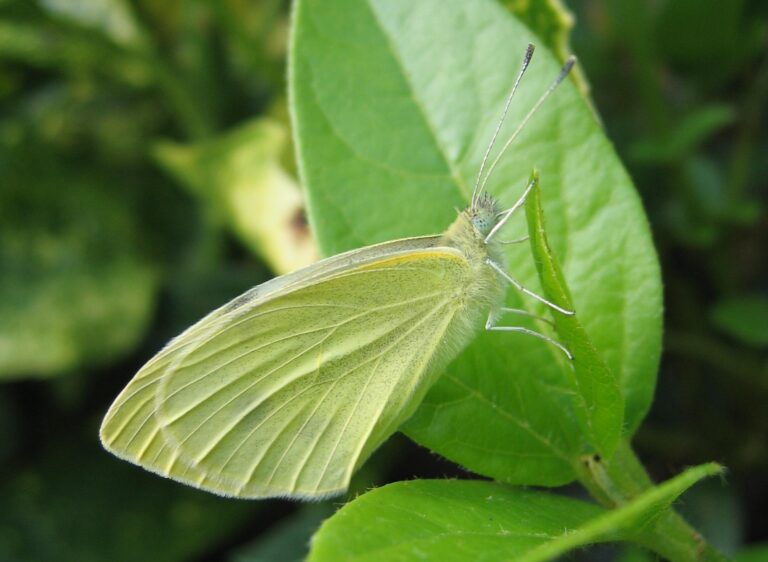 Easy
Small White
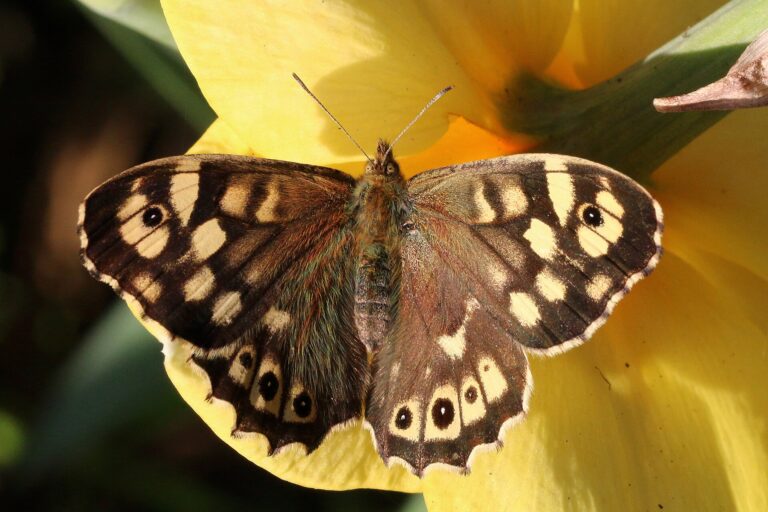 Easy
Speckled Wood
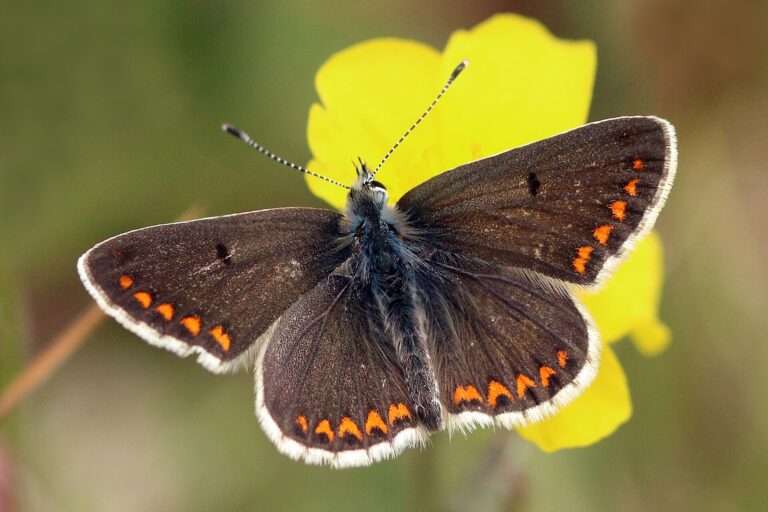 With luck
Brown Argus
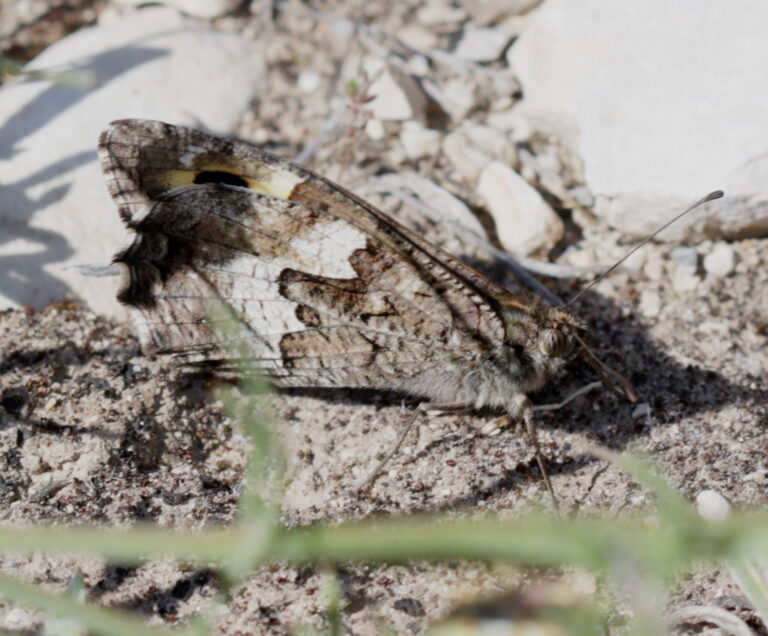 With luck
Grayling
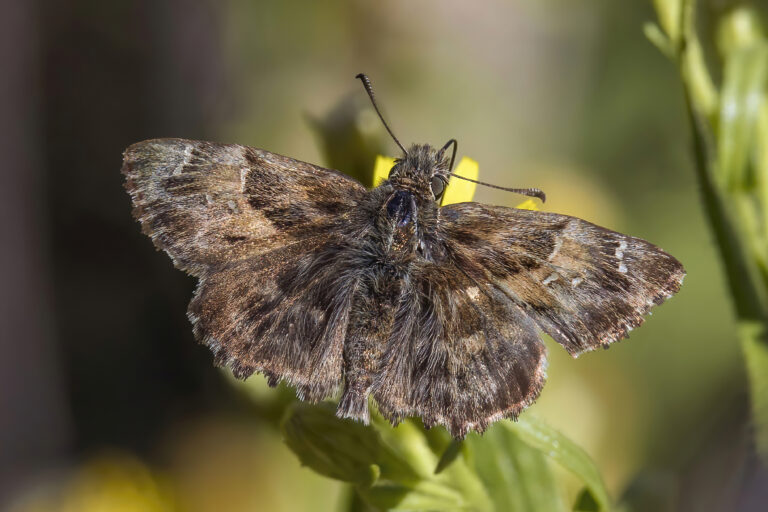 With luck
Mallow Skipper
 With luck
Old World Swallowtail
 With luck
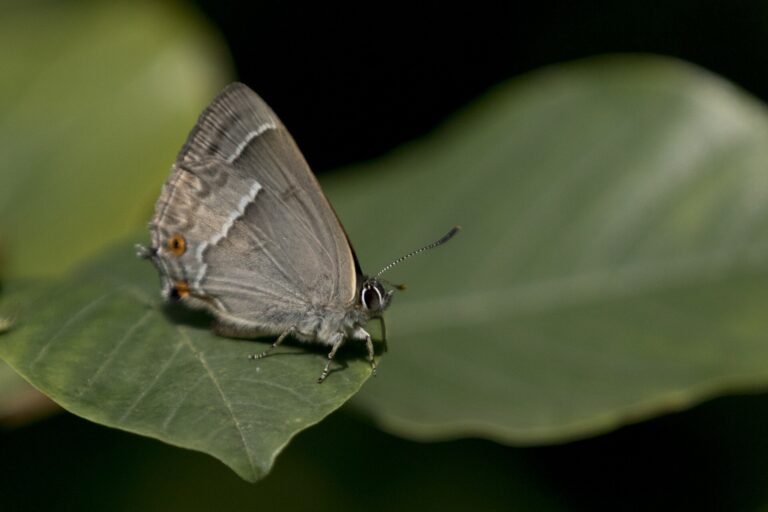
Purple Hairstreak
 With luck
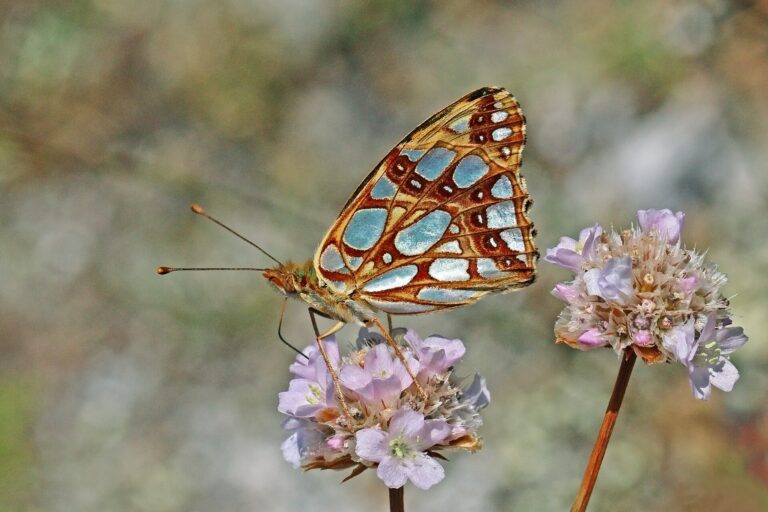
Queen Of Spain Fritillary
 With luck
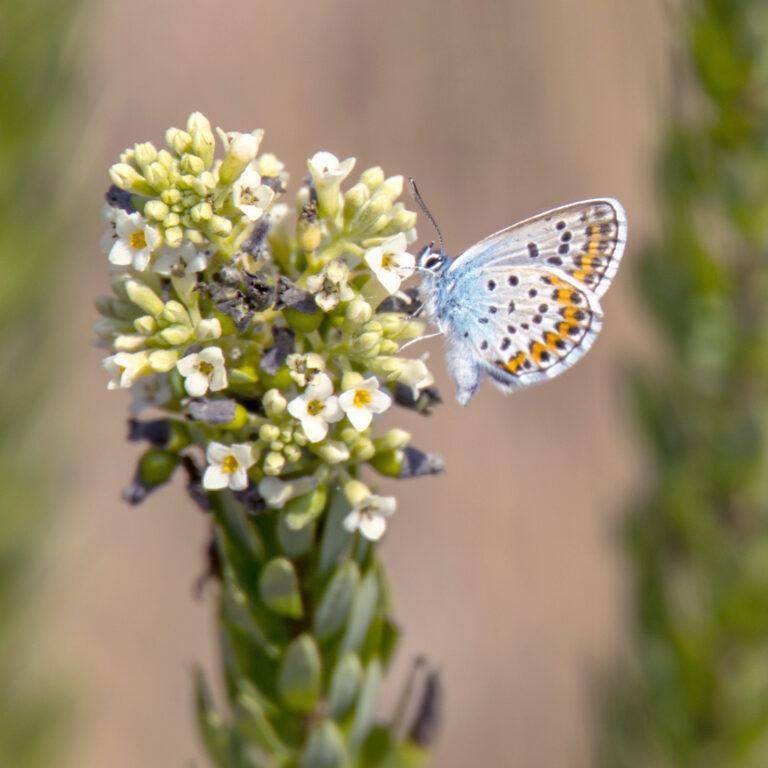
Silver-studded Blue
 With luck
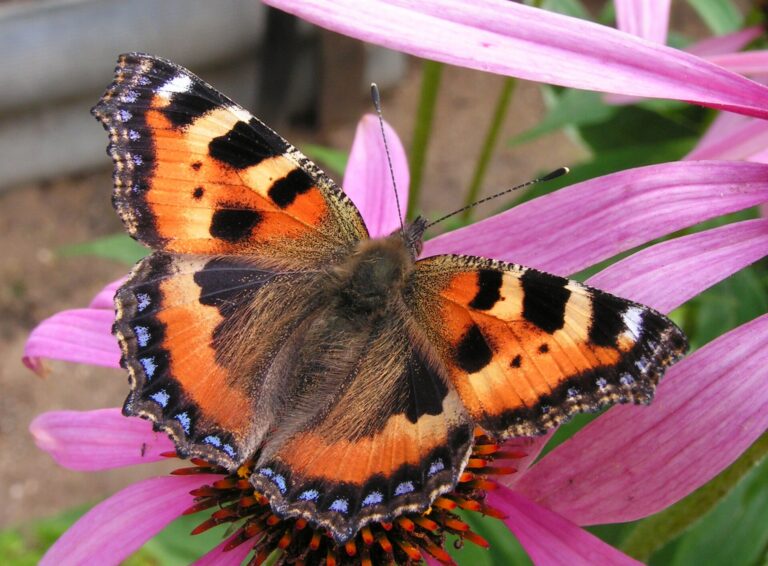
Small Tortoiseshell
 With luck
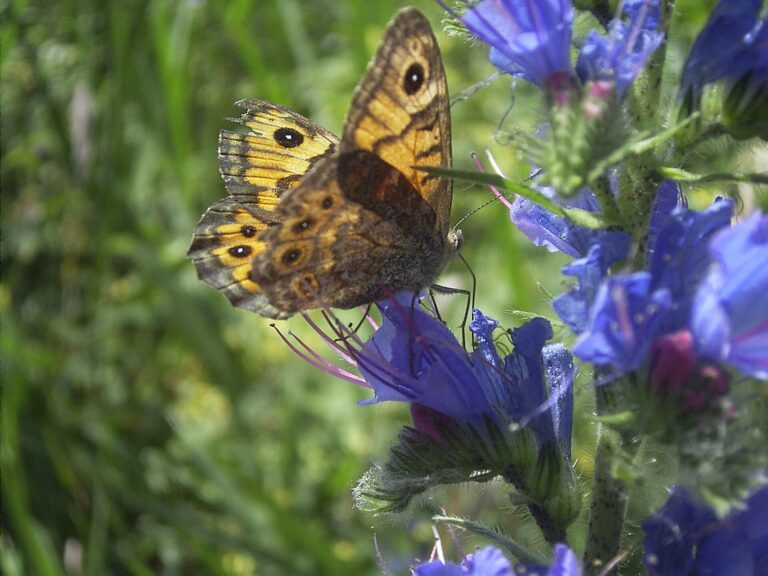
Wall Brown
 With luck
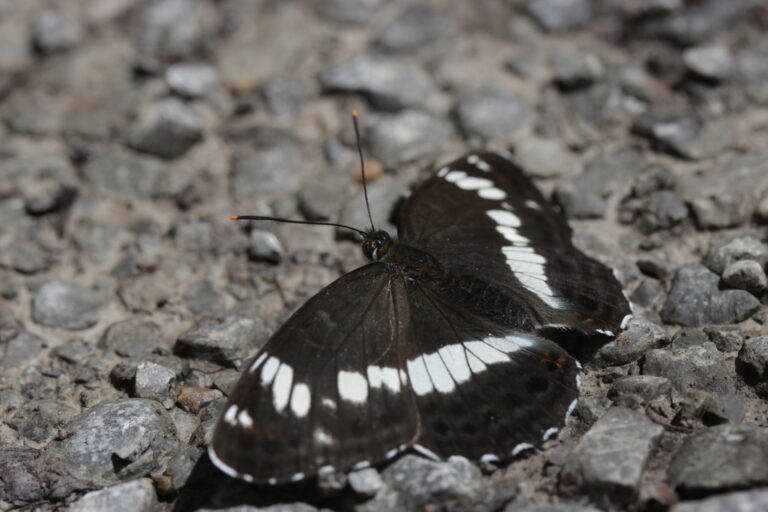
White Admiral
 With luck
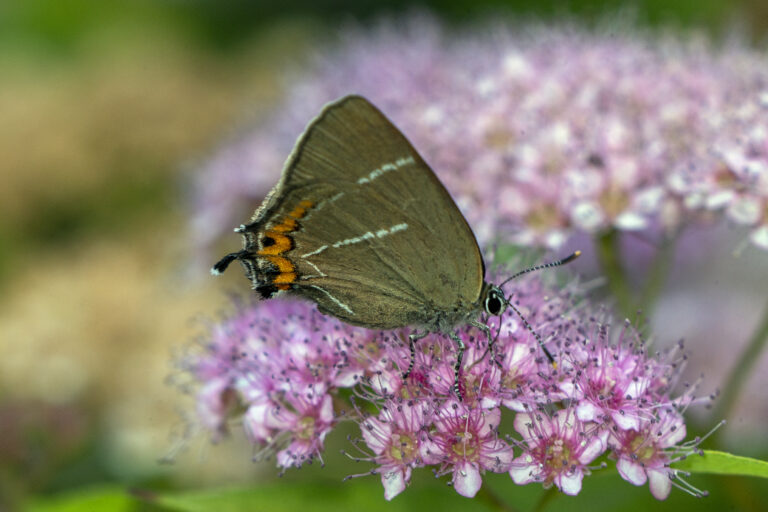
White-letter Hairstreak
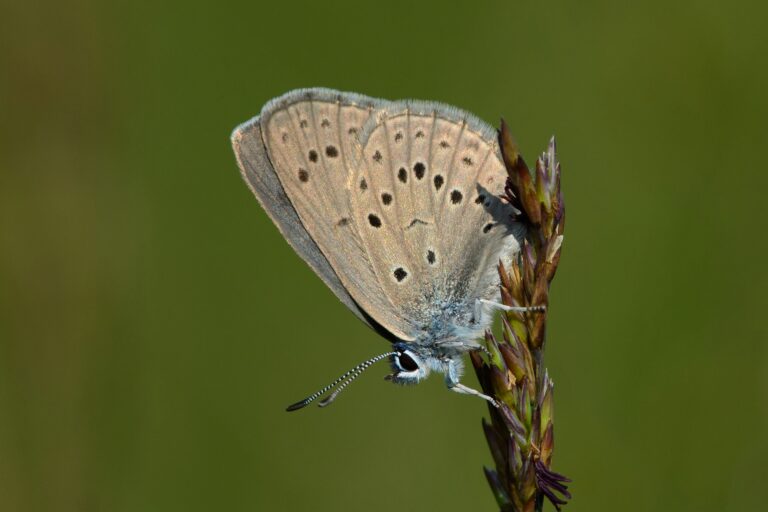 Rare
Alcon Blue
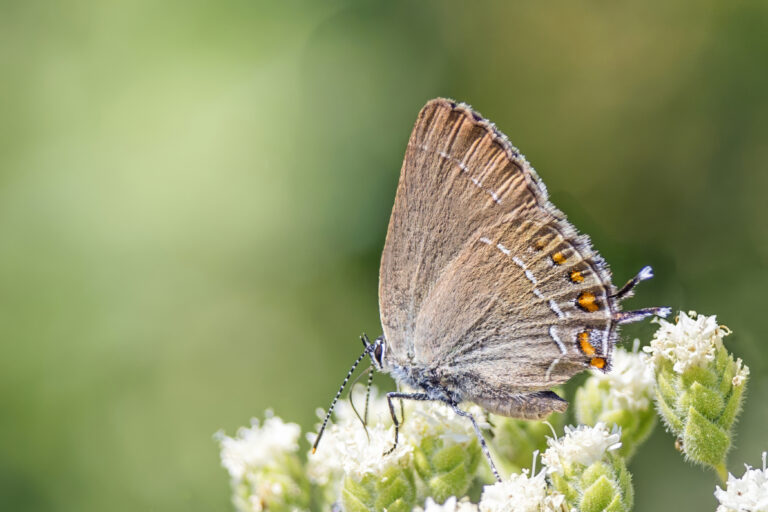 Rare
Ilex Hairstreak
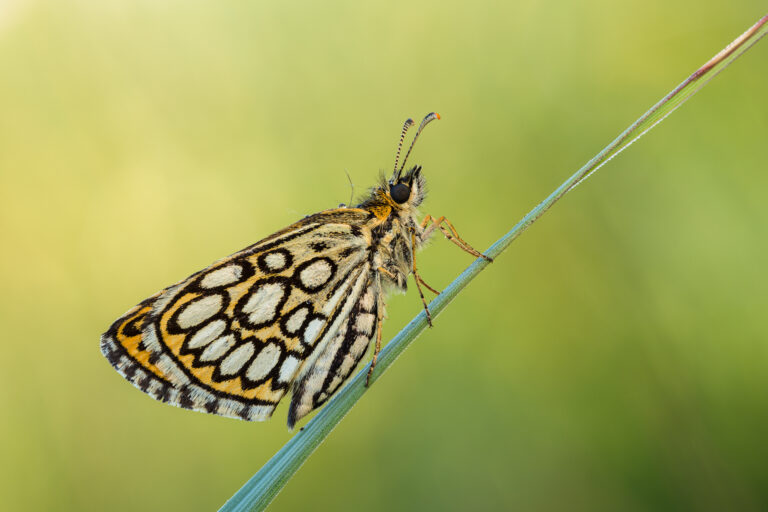 Rare
Large Chequered Skipper
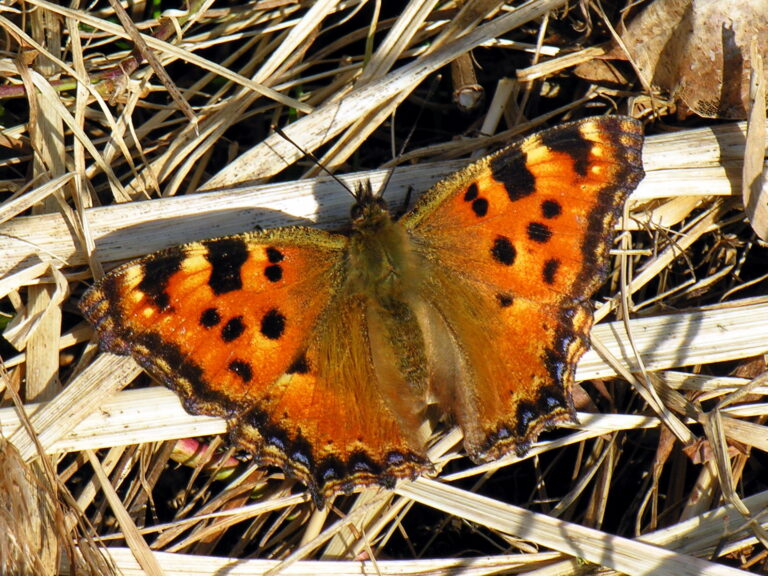 Rare
Large Tortoiseshell
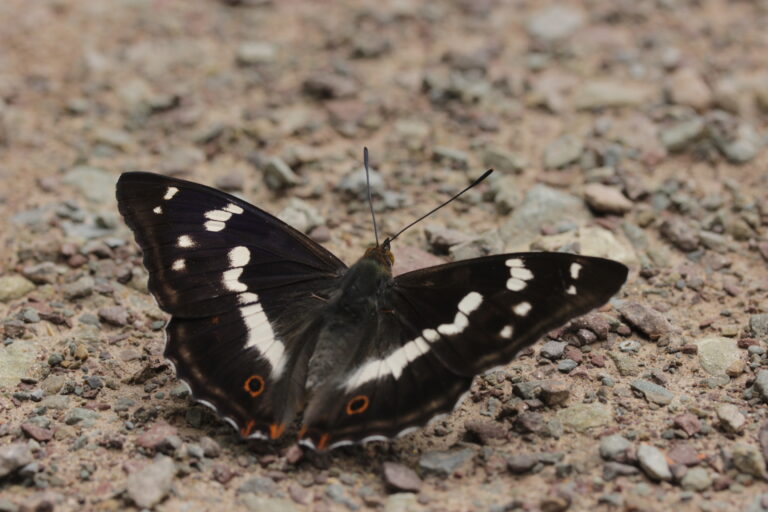 Rare
Purple Emperor
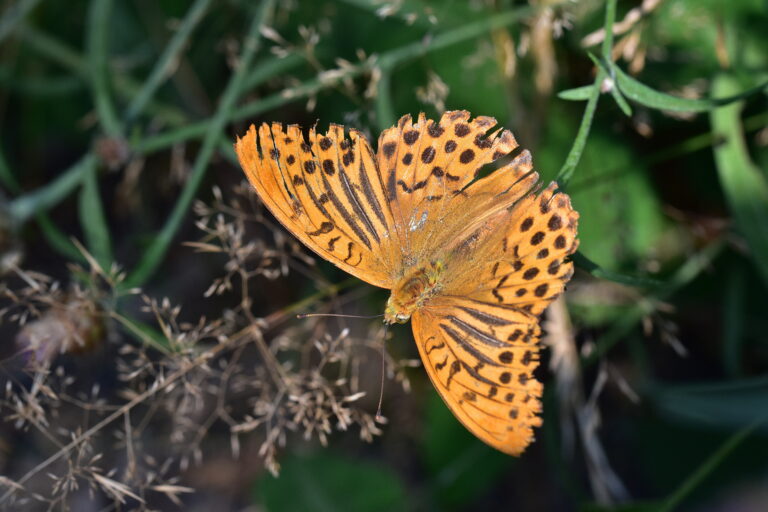 Rare
Silver-washed Fritillary
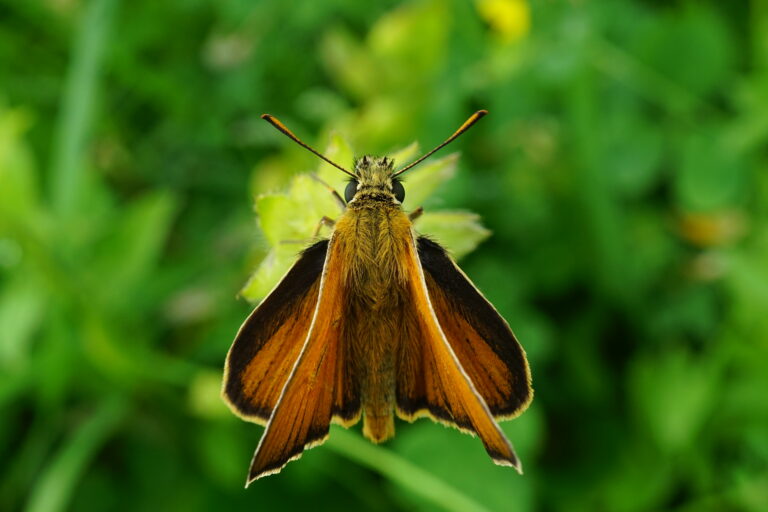 Rare
Small Skipper
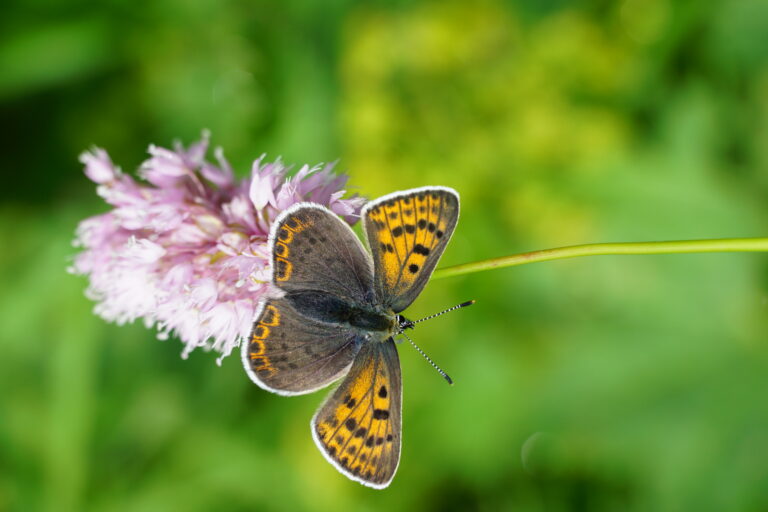 Rare
Sooty Copper
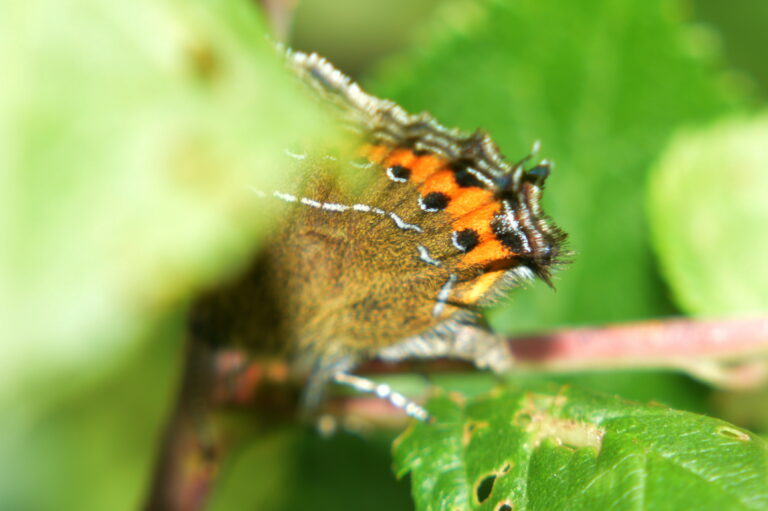 Very rare
Black Hairstreak
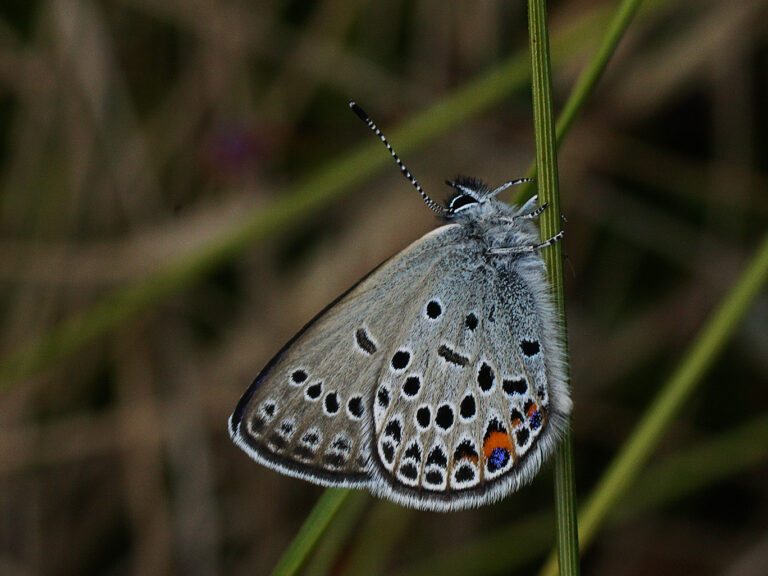 Very rare
Cranberry Blue
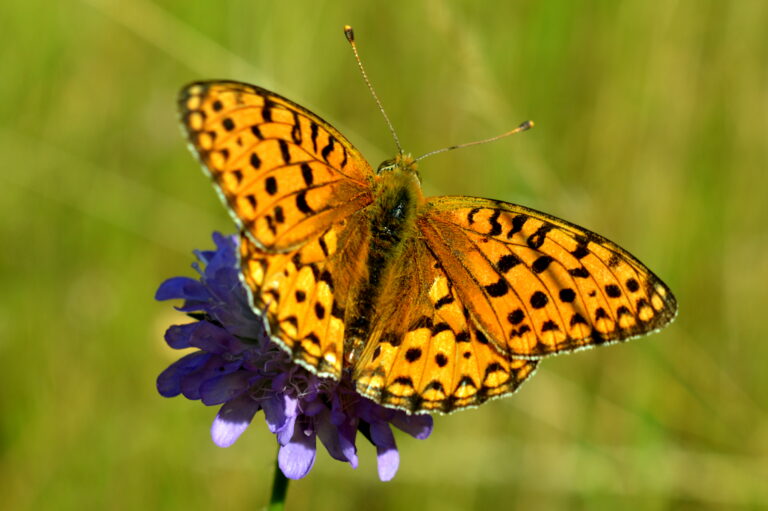 Very rare
Dark Green Fritillary
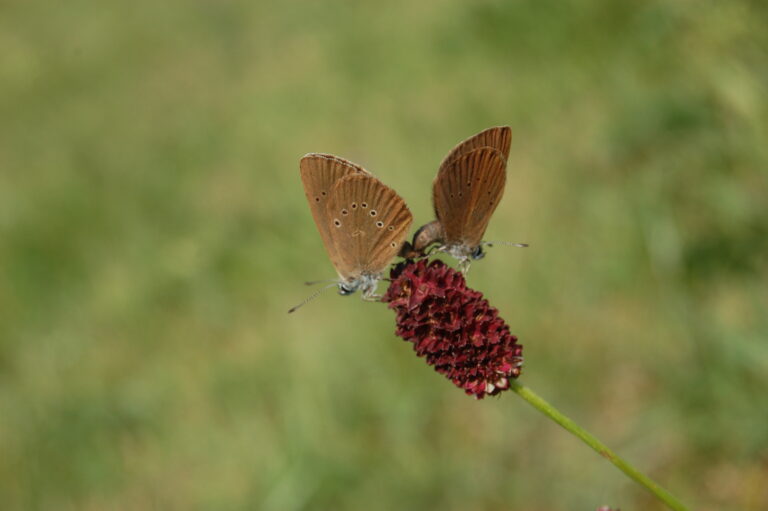 Very rare
Dusky Large Blue
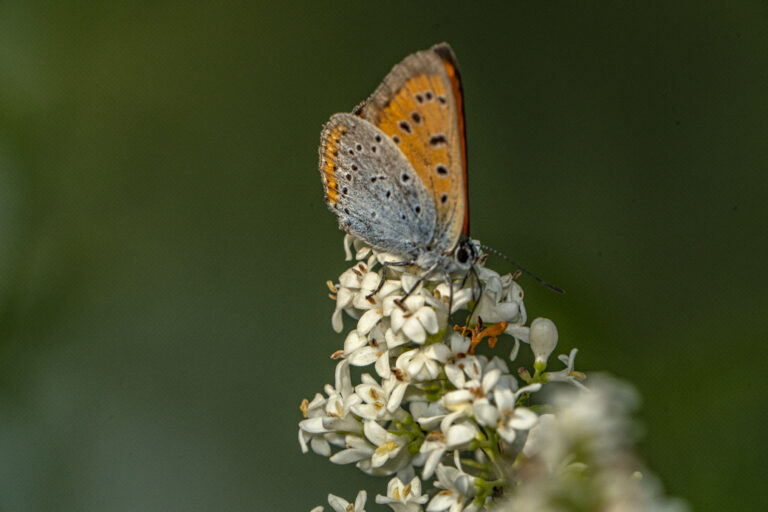 Very rare
Large Copper
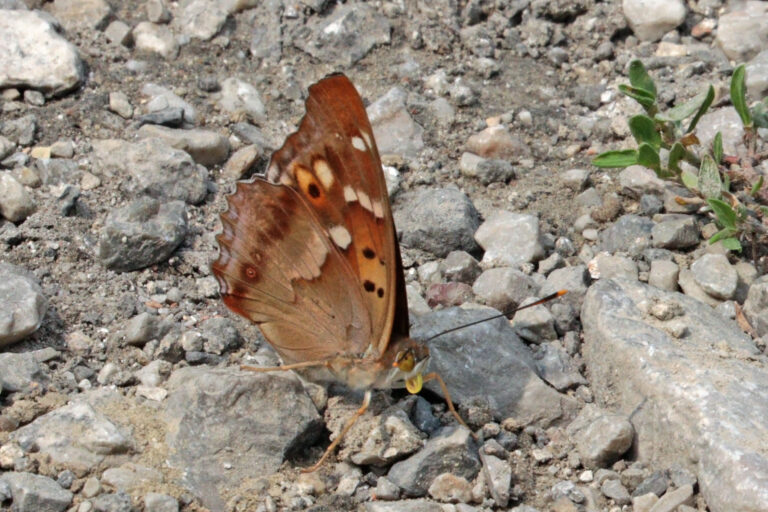 Very rare
Lesser Purple Emperor
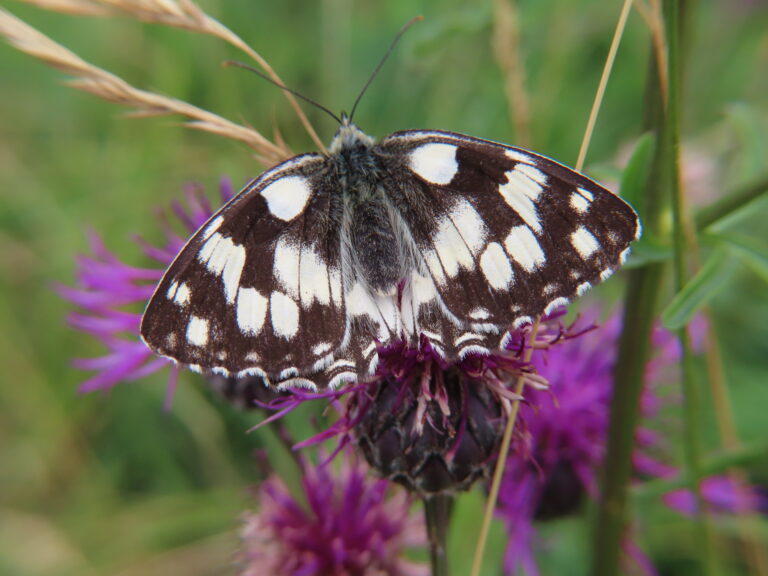 Very rare
Marbled White
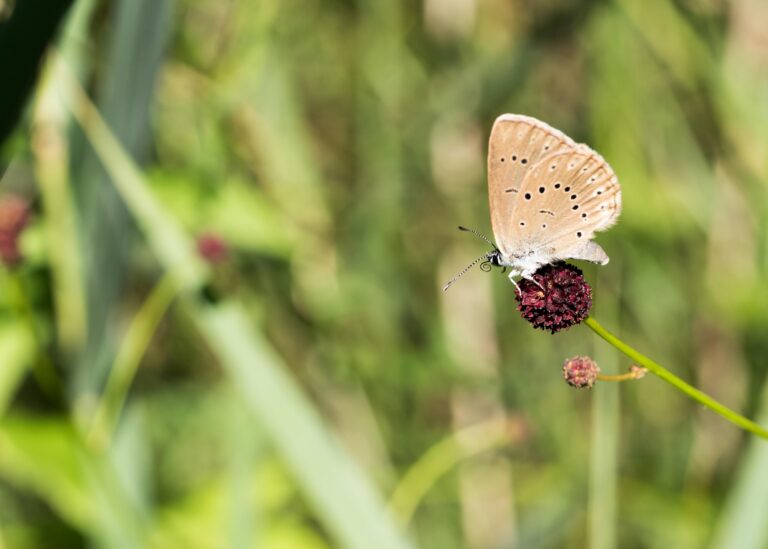 Very rare
Scarce Large Blue
 Very rare
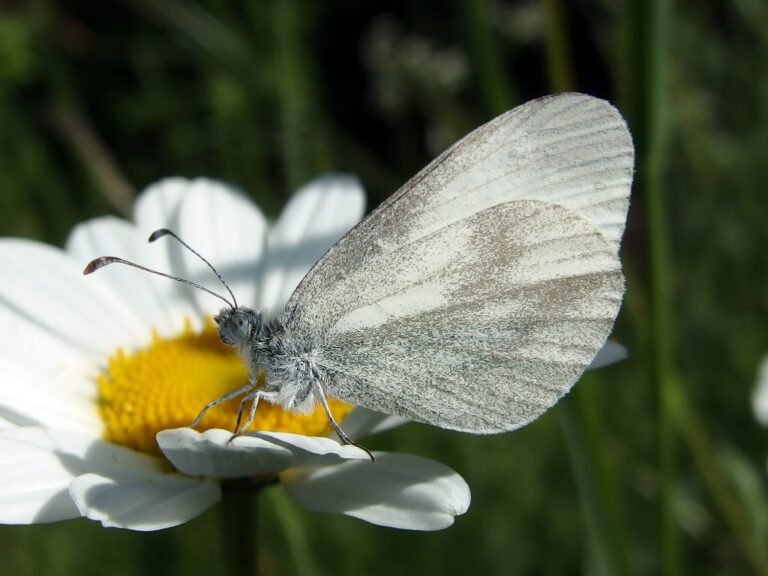
Wood White
- All species in English
- Areas in English
- Wildlife in the Netherlands, the English starting point.