
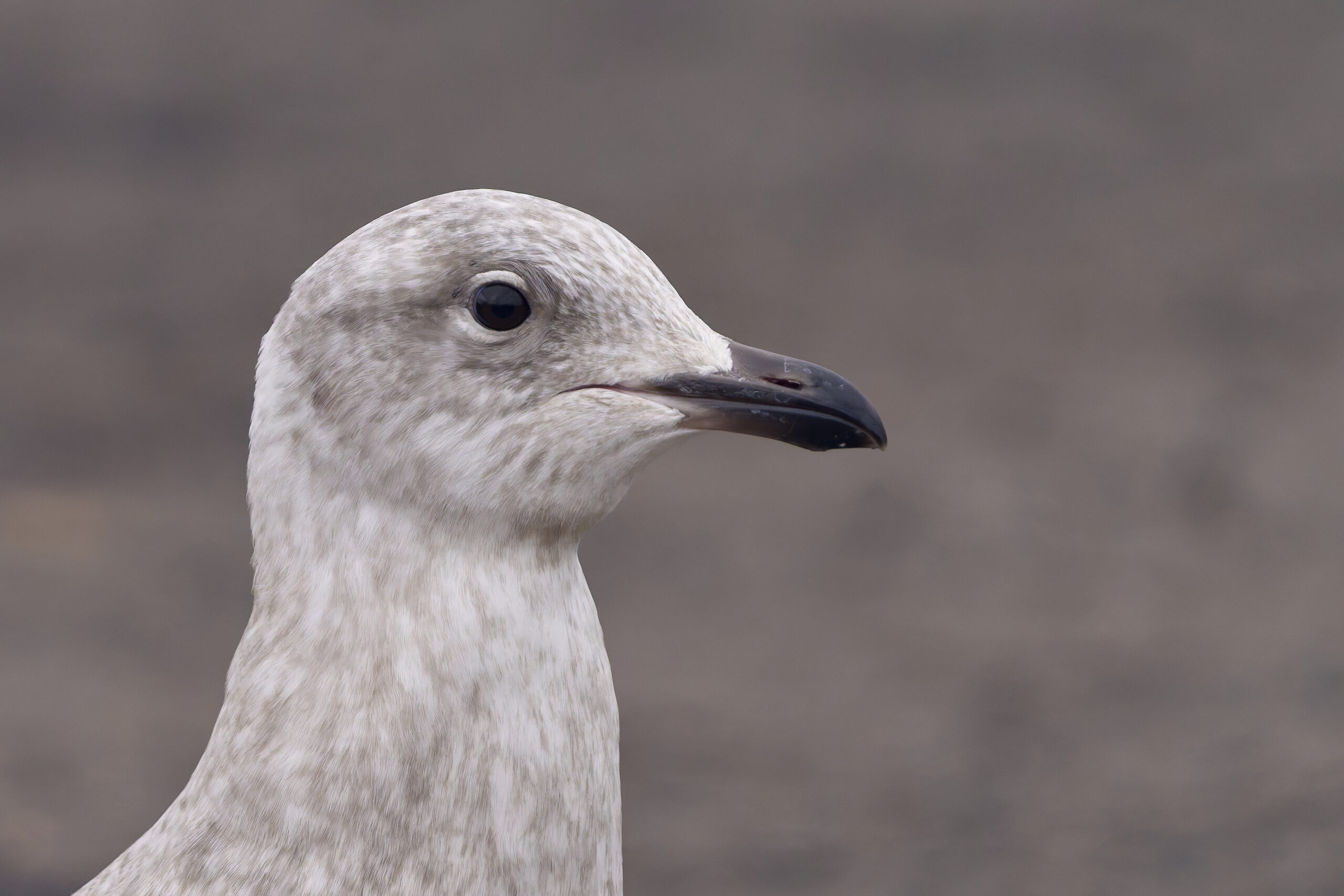
Where to see the Iceland Gull in the Netherlands
Very rare 🦅 Bird
Where and when do you see an Iceland Gull? This species is very rarely seen, from November to March.
How do you recognise an Iceland Gull?
A gull of 55 to 64 cm with a wingspan of 125 to 130 cm; with the Glaucous Gull one of the two Dutch gulls with no black in the plumage. Adults have very pale grey upperwings with white wing tips; in winter plumage the head is streaked brown. First-winter birds are washed-out and barred pale brown with pale wing tips. The decisive difference from the Glaucous Gull: a shorter bill, a rounder head, and in first-winter birds an all-black bill instead of pink with a black tip.
Where do you see this species in the Netherlands?
A winter visitor in small numbers, usually 5 to 20 birds. The birds come from Greenland and Iceland and are here from November through March. The species does not breed in the Netherlands.
📍 Ilperveld
presence reported📍 Meijendel & Berkheide
presence reported📍 Schoorlse Duinen
presence reported📍 De Putten bij Camperduin
presence reportedThese links come straight from our database, with the chance, the source and the evidence level for each area.
When is the best time?
Green = present · orange = peak period. The bar is generated from our database.
Best period: A winter visitor from November through March.
Best time of day: By day at a harbour or a landfill, when gulls gather.
Recent sightings
👁️ Where has this species been seen recently?
Check the current sightings on Waarneming.nl. A useful addition to our own verified information.
How to improve your chances
- Learn the calls first. You will hear most birds before you see them.
- Go in the first hour after sunrise, when the song is at its peak and the wind is still down.
- Use a hide or natural cover. Sitting still gets you more than walking closer.
- Keep the sun behind you. Against the light you see a silhouette and no colour.
🎒 What you need for this
A telescope, and the patience to work systematically through a gull flock of hundreds of birds.
Photography
Harbours are the best place: the birds there are used to people and come close along the quay. Photograph in cloudy light, because in bright sun the white wing tips burn out completely and you lose the very feature you want to show.
🌿 Watching responsibly
Keep your distance, stay on the paths, and never lure animals with food or sound. Leave as soon as an animal becomes uneasy.
Status: Verified · Last checked: 2026-08-08