
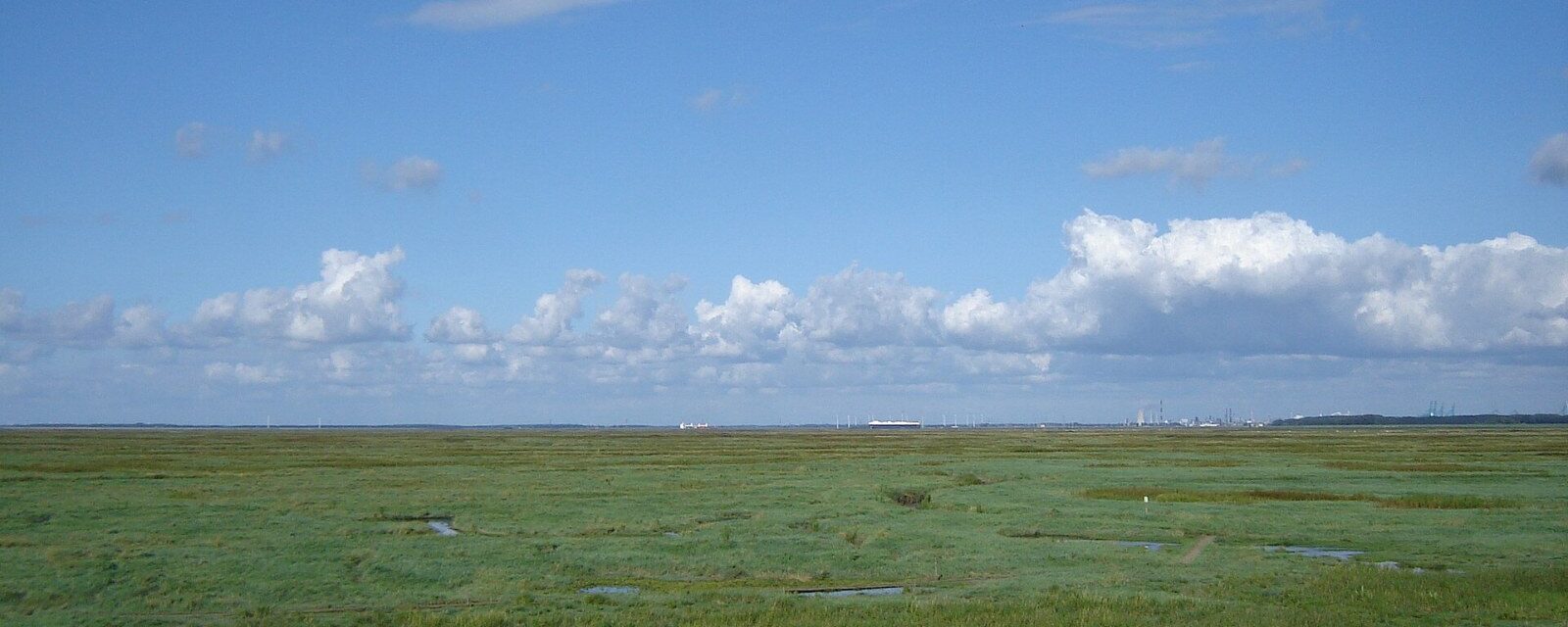
 📷 Foto: LimoWreck / CC BY-SA 3.0 via Wikimedia Commons.
Westerschelde & Saeftinghe: where to see wildlife
Seals are here all year; the best chance is around low tide, and at the Hooge Platen specifically from two hours before low tide until low tide, usually level with buoy VH8. For the terns the breeding season is the moment, but that is exactly when the area is closed and you watch from the dyke. In winter there are wintering ducks and geese and thousands of Rock Pipits in Saeftinghe. Allow for the closure of the visitor centre from 21 September 2026 to 31 March 2027. Tidal estuary (brackish)
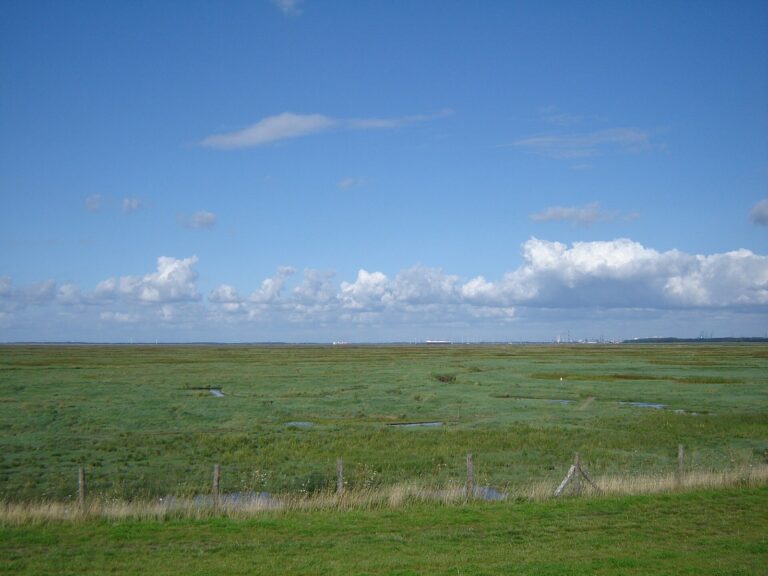
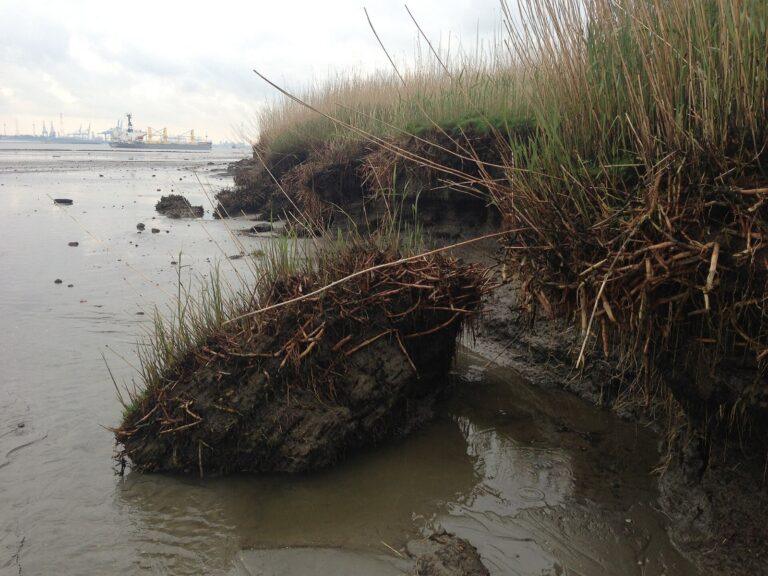
Westerschelde & Saeftinghe — Two superlatives, both from the Natura 2000 site document. This is the only sea arm in the Delta that is still an estuary with an open connection to the sea. And among the salt marshes along the Westerschelde lies the largest salt marsh area in the country: the Verdronken Land van Saeftinghe. Note that Het Zeeuwse Landschap contradicts itself about the size: the area page says "the largest brackish salt marsh in Western Europe" with about 3,500 hectares, the Westerschelde page "the largest brackish salt marsh in Europe" with 3,600 hectares. Saeftinghe is one of the forty Geosites of UNESCO Geopark Schelde Delta. Mainly here: Harbour and grey seal around the Hooge Platen; sea lamprey, river lamprey and twaite shad as protected migratory fish; narrow-mouthed whorl snail. Breeding birds: Western Marsh Harrier, Pied Avocet, Common Ringed Plover, Kentish Plover, Mediterranean Gull, Sandwich Tern, Common Tern, Little Tern, Bluethroat, Common Redshank, Reed Bunting and Western Yellow Wagtail. In winter, wintering ducks and geese and thousands of Rock Pipits. The estuary is a nursery for sole, sea bass, plaice and sprat. Best period: Seals are here all year; the best chance is around low tide, and at the Hooge Platen specifically from two hours before low tide until low tide, usually level with buoy VH8. For the terns the breeding season is the moment, but that is exactly when the area is closed and you watch from the dyke. In winter there are wintering ducks and geese and thousands of Rock Pipits in Saeftinghe. Allow for the closure of the visitor centre from 21 September 2026 to 31 March 2027.
Which animals will you see here?
Also reported present in this area (15 species) presence reported
These species are known to occur here (NDFF), but nothing has been recorded yet about your chance of seeing them.
Spider (3)
Grasshopper (1)
Fish (10)
Marine mammal (1)
Walking routes
Plankierpad Saeftinghe
Ruigelaarzenpad Saeftinghe
Excursie tot aan de Schelde
Hides and viewpoints
🔭 Bird hide Nummer Eén (Voorland Nummer Eén)
🔭 Bird hide Saeftinghe
🔭 Counting station Breskens
Practical information
- Access: This is often written down wrongly, so here it is literally: of Saeftinghe, only the plankierpad (a boardwalk, 1 km) and the ruigelaarzenpad (2.5 km) are freely accessible and can be visited without a guide. The rest of the area cannot. Saeftinghe is open only between sunrise and sunset. At spring tide or extreme high water both routes are impassable from two hours before to two hours after high water. The routes are not suitable for wheelchairs, baby carriers, buggies or prostheses. The hardest guided trip, out to the Schelde, has a minimum age of 16. The Hooge Platen cannot be visited at all; in the breeding season the colonies and their surroundings are closed. You watch from the dyke or from a boat trip out of Breskens.
- Parking: At the Bezoekerscentrum Saeftinghe, Emmaweg 4 in Nieuw-Namen. Capacity and the exact location are not stated by the site manager. At Voorland Nummer Eén you can park by the bird hide.
- Dogs: In the Verdronken Land van Saeftinghe dogs are not allowed, not even on a lead. Elsewhere along the Westerschelde, around seals: always on a lead.
- Facilities: Bezoekerscentrum Saeftinghe at Emmaweg 4 in Nieuw-Namen, with a car park. Note: that centre is being rebuilt from 21 September 2026 to 31 March 2027; in that period there are no guided trips and the season starts again on 1 April 2027. Bird hide Nummer Eén, on top of the dyke near Breskens, looks out over the Hooge Platen. There is a free Natuuravontuur for children, with a leaflet in the dyke house.
🌿 Rules in this area
Rijkswaterstaat manages the water as part of the Zuidwestelijke Delta. Stichting Het Zeeuwse Landschap manages the Verdronken Land van Saeftinghe and runs the guided trips. For the Hooge Platen no explicit site manager is named, although Het Zeeuwse Landschap demonstrably works there on the breeding area. sets its own rules here. Stay on the paths, respect refuges and closures, keep dogs on a lead where that applies, and do not fly a drone — they are banned in almost every Dutch nature reserve.
Status: Verified · Last checked: 2026-10-28
Photo: Foto: LimoWreck / CC BY-SA 3.0 via Wikimedia Commons.