
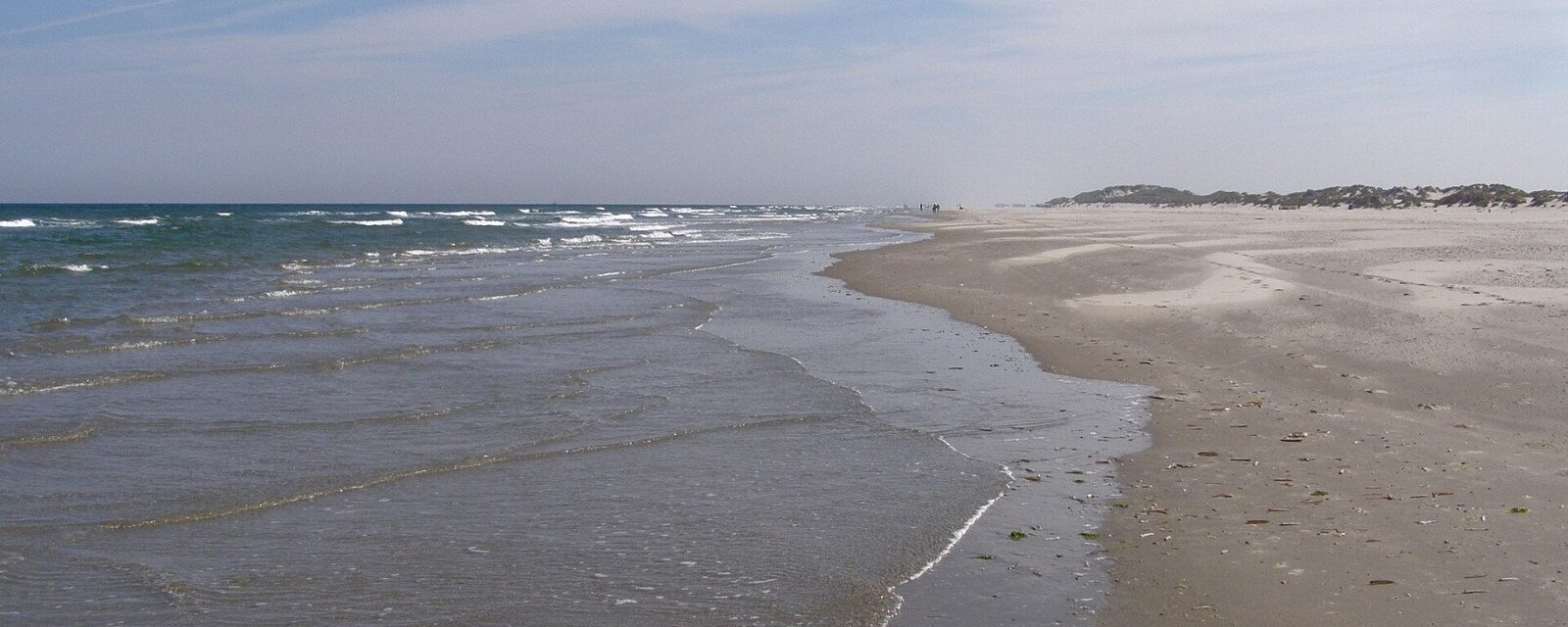
 📷 Foto: Renne Rus / CC BY-SA 3.0 via Wikimedia Commons.
Noordzeekustzone: where to see wildlife
Winter and early spring. The Natura 2000 profile for the harbour porpoise states: "porpoises are seen in our waters mainly in the winter months", with lower numbers in summer. Seals are here all year. The breeding season (roughly April to August) is precisely the season in which parts of the beach close. Coastal sea & beach
Noordzeekustzone — This is sea and beach designated at once, and for both there are species you will not meet anywhere else in the Netherlands like this. Staat van de Noordzee 2023 puts the harbour porpoise population in the Dutch part of the North Sea at 41,300 to 76,800 animals. At the same time, bycatch in 2020 stood at an estimated 5,974 harbour porpoises in the greater North Sea, well above the OSPAR limit of 1,622. Mainly here: Harbour porpoise, harbour seal, grey seal; sea lamprey, river lamprey and twaite shad; Common Ringed Plover, Kentish Plover and Little Tern as beach breeders. Best period: Winter and early spring. The Natura 2000 profile for the harbour porpoise states: "porpoises are seen in our waters mainly in the winter months", with lower numbers in summer. Seals are here all year. The breeding season (roughly April to August) is precisely the season in which parts of the beach close.
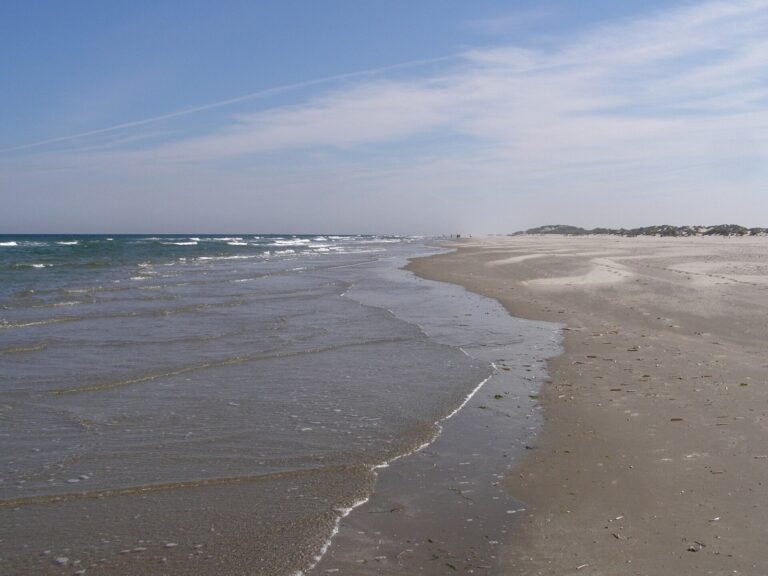
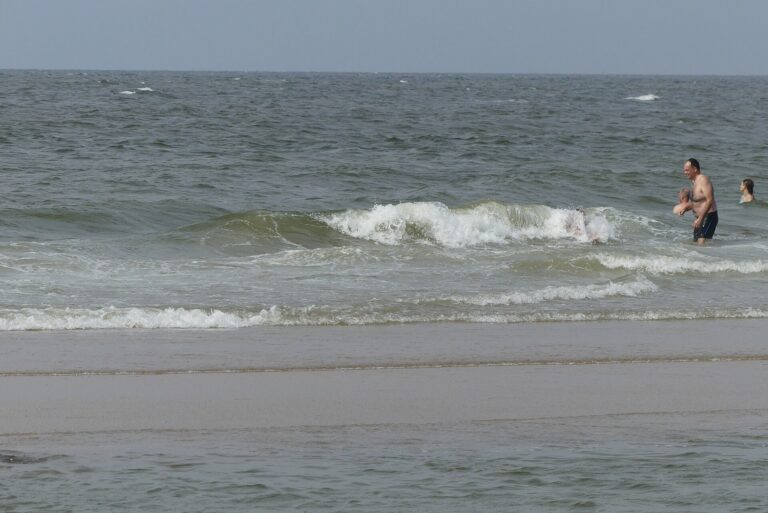
Which animals will you see here?
Also reported present in this area (3 species) presence reported
These species are known to occur here (NDFF), but nothing has been recorded yet about your chance of seeing them.
Marine mammal (3)
Hides and viewpoints
🔭 Counting station Westkapelle
🔭 Counting station Breskens
🔭 Brouwersdam (North Sea side)
Practical information
- Access: The beach is in principle freely accessible, but parts of it close. The management plan reports that "various parts of the Noordzeekustzone (particularly on beach flats) are closed" to recreation, and that in some parts visiting the sandbanks is not allowed. In the breeding season whole stretches of beach are closed; on Ameland the Groene strand was shut completely in 2023 and 2024. Along the mainland coast the Natura 2000 boundary follows the low-water line, on the Wadden islands the foot of the dunes, and on the seaward side it lies three nautical miles (about 5.5 kilometres) off the coast.
- Parking: It differs by beach access and by municipality; paid parking is the rule in the summer season. There is no national arrangement.
- Dogs: There is no national rule — dog policy on the beach is set by the municipality. In The Hague, for instance, dogs may run free everywhere from 1 October to 15 May, and outside that only on designated stretches of beach. Around seals one rule applies everywhere: dog straight onto the lead and keep at least 30 metres away. Always check the local by-law (APV) of the beach municipality.
- Facilities: No visitor centre or hide along the coastline itself. Seabird migration is watched from dykes, groynes and fixed counting stations. Beach accesses, food and drink and toilets differ from one resort to the next.
🌿 Rules in this area
Layered. Rijkswaterstaat manages the large bodies of water, the North Sea among them. On land the site managers are Staatsbosbeheer, Natuurmonumenten, Landschap Noord-Holland and It Fryske Gea. The Ministry of Infrastructure and Water Management leads on the Natura 2000 management plan. sets its own rules here. Stay on the paths, respect refuges and closures, keep dogs on a lead where that applies, and do not fly a drone — they are banned in almost every Dutch nature reserve.
Status: Verified · Last checked: 2026-10-28
Photo: Foto: Renne Rus / CC BY-SA 3.0 via Wikimedia Commons.